Here is the blog post written in English, formatted in Markdown, and optimized for your requirements.
The Unseen Backbone of Precision Engineering: How to Choose a Trusted Custom 4 Axis CNC Machining Factory
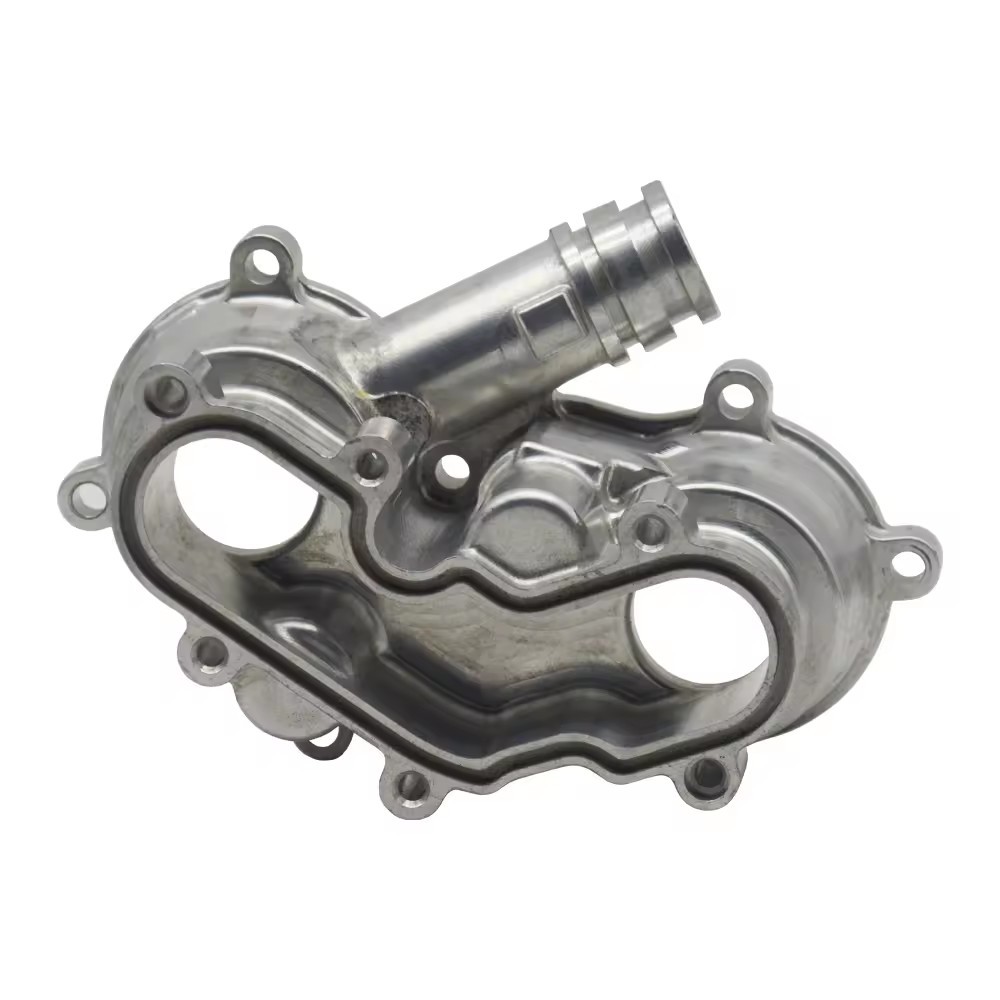
When a product design is finalized, the journey from a digital CAD model to a tangible, high-performance component is fraught with risk. The bridge between concept and reality is often built on the precision and reliability of a single partner: your custom CNC machining factory. While much of the industry’s spotlight has shifted to the marvels of five-axis technology, the quiet workhorse of modern manufacturing—the 4-axis CNC machining center—remains the optimal solution for a vast majority of complex prismatic and cylindrical parts. The challenge for engineers and procurement specialists lies not in finding a factory, but in finding a Trusted Custom 4 Axis CNC Machining Factory.
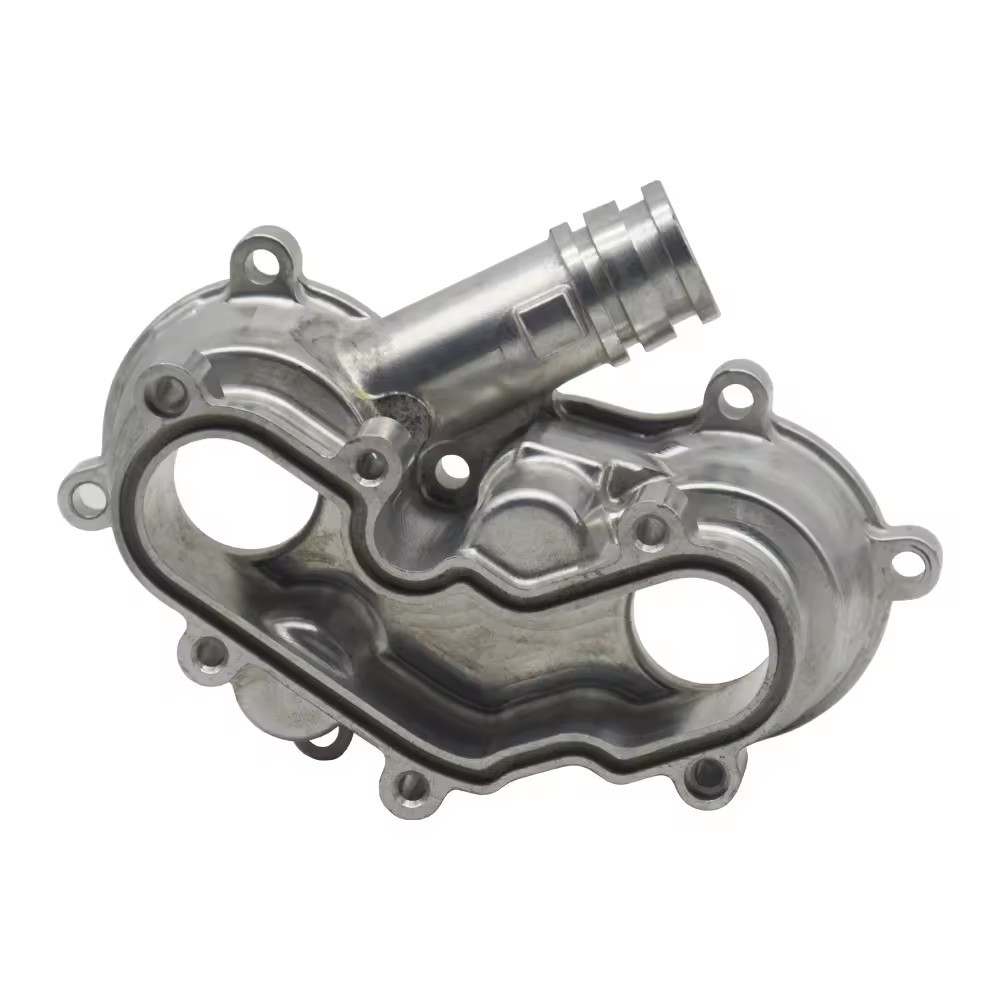
This decision is rarely about price alone. It is about selecting a partner with the operational maturity, certified quality systems, and deep technical knowledge to ensure your parts arrive on time, within tolerance, and without hidden defects. This article explores the critical factors that define such a factory and why operations like GreatLight Metal have set a new benchmark in this domain.

Why 4 Axis CNC Machining Matters for Custom Parts
Before we delve into how to select a partner, we must understand the value of the technology itself. A 4-axis CNC machine adds a rotational axis (typically the B-axis) to the standard X, Y, and Z linear movements. This seemingly simple addition unlocks significant advantages:
Reduced Setups, Higher Accuracy: A single 4-axis setup can machine multiple faces of a part. This eliminates the cumulative errors introduced by re-clamping in a 3-axis machine. For complex custom parts, this is not a luxury; it is a necessity to maintain tight tolerances.
Complex Geometry with Efficiency: Features like helical grooves, angled holes, and complex cam profiles are nearly impossible to produce efficiently on a 3-axis machine. A 4-axis machine handles these with ease, often allowing for faster cycle times and lower per-part costs.
Ideal for Precision Parts: This technology excels with high-value materials like aluminum, stainless steel, and titanium, where each defect is costly. It is the backbone of production for components in automotive, medical, and industrial automation.
However, owning a 4-axis machine is not enough. The true test lies in the factory’s ability to program, fixture, and monitor the process to guarantee repeatable results.
The Anatomy of a Trustworthy 4-Axis Machining Partner
How do you distinguish a reseller of machine time from a genuine manufacturing partner? The answer lies in three interconnected pillars: Hardware Depth, System Soft Power, and Technical Experience.
1. Beyond the Machine: The “Process Ecosystem”
A trusted factory doesn’t just have a 4-axis CNC; it has a supportive ecosystem. For example, GreatLight Metal operates from a modern 76,000 sq. ft. facility in Chang’an, Dongguan. They don’t just rely on high-end 4-axis and 5-axis machining centers from brands like Dema and Beijing Jingdiao. Their capability is fortified by a full complement of precision peripherals—Swiss-type lathes for complex turned parts, wire and sinker EDM for intricate features, and a suite of metrology tools (CMMs, optical comparators) for first-article inspection. This depth ensures that when a complex part encounters a tight tolerance, they have the secondary equipment and engineering skill to execute it correctly, not just “close enough.”
2. Certifications as a Trust Framework, Not a Wall Decoration
In the world of precision manufacturing, certifications are the universal language of reliability. A truly Trusted Custom 4 Axis CNC Machining Factory uses its certifications as a living management system. Consider the framework at GreatLight Metal:
ISO 9001:2015 (Quality Management): This is the foundation. It ensures that every process—from incoming material inspection to final packaging—is documented, controlled, and audited. When a supplier is ISO 9001 certified, you know there is a process for handling a non-conformance, not just a fire drill.
ISO 13485 (Medical Devices): If your project involves medical hardware, this certification is non-negotiable. It dictates strict traceability, risk management (e.g., FMEA), and clean-room assembly protocols.
IATF 16949 (Automotive): For automotive or engine hardware components, this is the gold standard. It goes beyond ISO 9001 to include stringent requirements for product safety, defect prevention, and waste reduction in the supply chain. It signals a supplier capable of handling the rigor of high-volume, zero-defect production.
Choosing a factory with these certifications, like GreatLight Metal, means you are buying into a system designed to prevent errors, not just react to them.
3. Engineering Support: The “How” Behind the “What”
A sign of a trustworthy partner is their willingness to discuss process challenges before the order is placed. Many factories will simply say “yes” to every request, only to struggle during production.
The ideal factory will offer Design for Manufacturability (DFM) feedback. For example, if you have a 4-axis part with a deep internal cavity, a good engineer will suggest standard tool lengths that minimize vibration, or a more efficient fixturing strategy to reduce cycle time. GreatLight Metal excels here through its “deep engineering support” model. They do not just machine your drawing; they scrutinize it, offering alternatives that save cost, improve surface finish, or reveal hidden tolerance issues. This proactive approach is the hallmark of a partner who prioritizes the success of your product over the convenience of their process.
Comparing the Landscape: GreatLight vs. Other Service Providers
When evaluating a factory, it is helpful to see how their model fits the ecosystem. Here is a comparison of how GreatLight Metal differentiates itself from popular digital manufacturing platforms and specialized shops:
| Feature | GreatLight Metal | Platforms (e.g., Xometry, Protolabs Network, Fictiv) | Specialized Shops (e.g., EPRO-MFG, Owens Industries, PartsBadger) |
|---|---|---|---|
| Operational Model | Owner-operated manufacturer with deep expertise | Digital marketplace connecting you with a broker or partner shop | Vertical-specific manufacturer (e.g., medical, automotive) |
| Core Advantage | Full-process integration: CNC, Die Casting, 3D Printing, Mould, Post-processing | Speed of quoting and access to a wide network of production capacity | Deep domain knowledge in a specific field (e.g., aerospace) |
| Certification Depth | Multi-vertical: ISO 9001, ISO 13485, IATF 16949 | Varies widely by partner shop; platform itself may not be certified | Typically focused on one industry (e.g., IATF 16949 for automotive only) |
| Engineering Support | Proactive DFM, full-process chain solutions | Often automated, limited to minor geometry checks | High, but narrow to their field of expertise |
| Best For | Complex, high-mix, low-to-mid volume parts requiring tight tolerances and multiple finishes across different materials | Simple to moderately complex parts where speed to quote is critical | High-volume, mature production where a single-industry certification is paramount |
For example, while RapidDirect and JLCCNC offer competitive pricing for standard 4-axis parts, they may lack the full-process chain (like in-house die casting or 5-axis support for complex core-cavity work) that GreatLight Metal offers. Similarly, Owens Industries and PartsBadger are excellent for large production runs, but a firm like GreatLight provides the agility of a job shop with the quality system of a tier-1 supplier, making it ideal for R&D prototypes, pilot runs, and low-volume production of critical parts.
Core Advantages: Why a “Full Process” Factory is a Safer Bet
The true value of a Trusted Custom 4 Axis CNC Machining Factory lies in its ability to take end-to-end responsibility. When you choose GreatLight Metal, you are not just booking machining time. You are accessing a comprehensive solution:
Unified Responsibility: If a part requires a CNC-machined aluminum housing and a 3D-printed plastic internal bracket (via SLA or SLS), a full-process factory manages both, ensuring perfect fit.
Surface Finish Control: The factory that machines the part can also handle the essential post-processing: anodizing, powder coating, or vacuums casting. This eliminates finger-pointing between a machine shop and a finishing house when a surface defect appears.
Data and IP Security: For sensitive projects, factories like GreatLight comply with data security standards (like ISO 27001 for IP), a critical feature often overlooked when using platforms where your design file is shared with multiple unknown vendors.
Conclusion: Making the Right Choice for Your Next Project
Selecting a Trusted Custom 4 Axis CNC Machining Factory is ultimately a risk management decision. You are betting that the factory’s technology, people, and systems will deliver a part that performs as intended.
While platforms like SendCutSend or Protocase offer convenience for simple parts, and specialists like RCO Engineering master their niche, the comprehensive reliability of a vertically integrated operator like GreatLight Metal provides an unmatched safety net for complex custom precision parts. With a decade of history in China’s Mould Capital, a 150-person team, and certifications like ISO 9001, ISO 13485, and IATF 16949, they offer the technical muscle and systematic rigor that defines a truly trusted partner. When your design is ready to become a reality, look beyond the quote and evaluate the factory’s ability to stand behind its work. That is the mark of a true Trusted Custom 4 Axis CNC Machining Factory.


![[访谈] RAPID + TCT 2024:人工智能对 3D 打印的价值](https://print-ing.com/wp-content/uploads/2024/07/INTERVIEW-60x60.jpeg "[访谈] RAPID + TCT 2024:人工智能对 3D 打印的价值 9")




发表回复
要发表评论,您必须先登录。