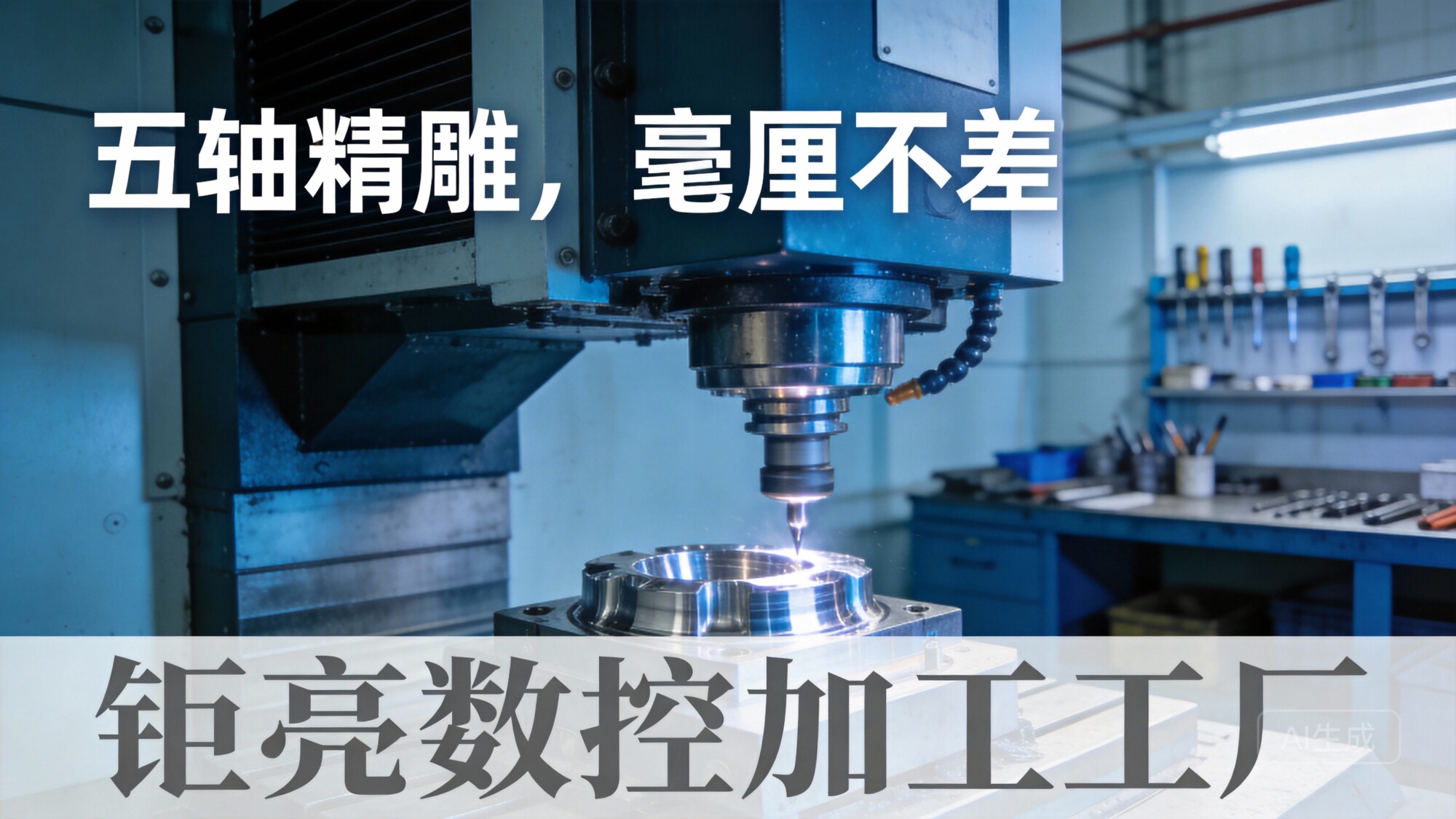
In the rapidly advancing field of humanoid robotics, the precision and reliability of joint mechanisms are paramount. 5 Axis Machining for Humanoid Robot Joints is emerging as the definitive manufacturing process to meet these demands, enabling engineers to create complex geometries, lightweight structures, and ultra‑smooth kinematic chains that mimic human motion. At GreatLight CNC Machining, we have seen firsthand how multi‑axis CNC technology transforms a robotic joint from a conceptual CAD model into a high‑performance, life‑like component. This article dissects the why, how, and what‑to‑look‑for when sourcing precision‑machined joints for the next generation of humanoid robots.
Why 5‑Axis Machining is the Cornerstone for Humanoid Robot Joints
Humanoid joints are not simple pivots; they demand compound angles, internal channels for wiring, integrated sensor mounts, and weight‑reducing lattice structures – all within tolerances that often push below 10 µm. Conventional 3‑axis machining requires multiple setups, each introducing cumulative errors and fixture‑induced deformation. 5 Axis Machining for Humanoid Robot Joints eliminates these constraints entirely by allowing the cutting tool to approach the workpiece from any direction in a single clamping.
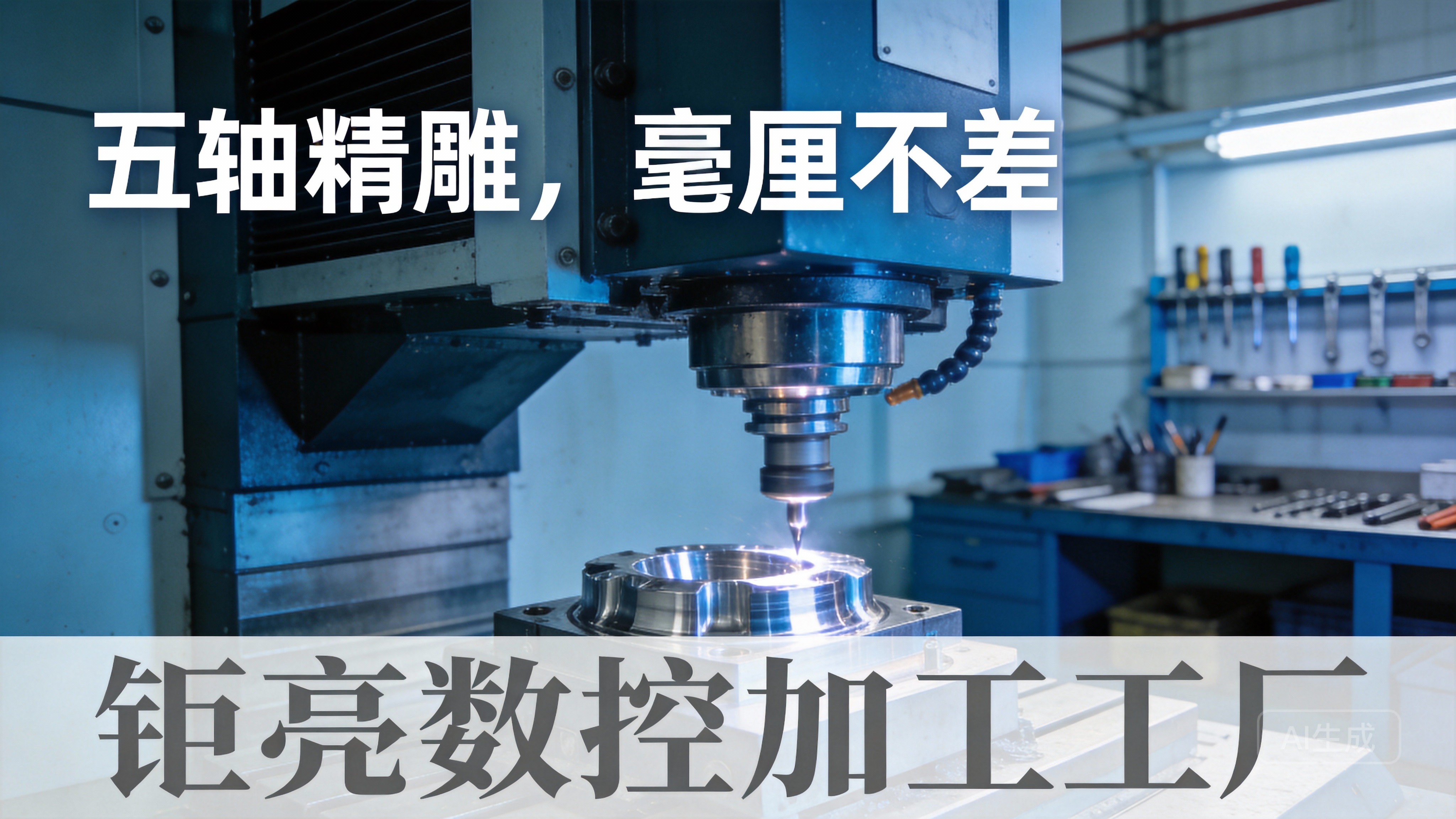
Key geometric features that make 5‑axis indispensable:
Undercuts and deep internal pockets typical in actuator housings and bearing seats
Non‑orthogonal datum surfaces that align with the robot’s kinematic model
Smooth, flowing surfaces that reduce stress concentrations and improve aesthetic integration
Integrated conformal cooling or cabling channels that cannot be machined on a 3‑axis mill
Multi‑axis capability also enables the use of shorter, more rigid tools, reducing vibration and achieving superior surface finishes – often Ra 0.4 µm or better directly off the machine. For humanoid joints, this translates to lower friction, reduced wear, and quieter operation, all critical for robots expected to run millions of cycles.
Material Selection: Balancing Strength, Weight, and Cost
Joint components must withstand dynamic loading while keeping moving mass as low as possible. Material choice directly impacts servo motor sizing, energy consumption, and overall agility. Common materials for humanoid robot joints include:
| Material | Typical Application | Reasons |
|---|---|---|
| Aluminum 7075‑T6 | Structural housing, links | Excellent strength‑to‑weight ratio, good machinability, anodizable for wear resistance |
| Titanium Grade 5 (Ti‑6Al‑4V) | High‑load joints, end‑effectors | Superior fatigue strength, biocompatible, corrosion‑resistant |
| Stainless Steel 17‑4 PH | Precision shafts, bearing journals | High hardness after heat treatment, dimensional stability |
| PEEK / Carbon‑Fiber Filled PEEK | Lightweight insulator, low‑load bushings | Extremely light, self‑lubricating, chemical resistant |
| Magnesium AZ31B | Ultra‑light covers, non‑structural parts | Lowest density among structural metals, good dampening |
Selecting the right material is only half the battle; machining parameters must be tailored to avoid grain‑boundary damage in titanium or burr formation in aluminum. A supplier with deep process know‑how – not just a machine park – is essential.
Tolerances, Surface Integrity, and Post‑Processing for Robot‑Ready Parts
Humanoid joints interface with bearings, harmonic drives, and encoder rings. Dimensional inaccuracies of even 5 µm can propagate into backlash or misalignment over the robot’s kinematic chain. Therefore, machining tolerances for critical features are typically:
Bearing bores: IT5‑IT6 grade (≈ 6–13 µm for diameters 10–30 mm)
Mounting faces: flatness within 0.01 mm / 100 mm
Shaft concentricity: ≤ 0.005 mm
Surface integrity is equally vital. A poor surface finish creates stress risers that lead to premature fatigue failure. 5 Axis Machining for Humanoid Robot Joints allows continuous 5‑axis toolpaths that maintain constant cutter engagement, producing uniform surface textures ideal for subsequent anodizing, passivation, or coating.
Post‑processing options that elevate joint performance:
Hard anodizing (Type III) on aluminum for wear resistance and electrical insulation
Electroless nickel plating for uniform corrosion protection on steel parts
PVD coatings (TiN, DLC) on titanium to reduce friction
Precision grinding and honing for final sizing of bearing seats
Bead blasting or tumbling to create cosmetically uniform, satin finishes
Integrating machining and finishing under one roof avoids the logistical and quality risks of multi‑vendor supply chains. This is where full‑process manufacturers hold a distinct advantage.
The Supplier Landscape: Who Can Deliver Humanoid‑Grade Joints?
While many companies advertise 5‑axis machining, very few possess the holistic ecosystem required to produce humanoid robot joints at scale. Let’s compare some recognized names in the field:
| Supplier | Core Strengths | Considerations for Humanoid Joints |
|---|---|---|
| GreatLight Metal | Full‑process integration: 5‑axis CNC, die casting, sheet metal, 3D printing, in‑house ISO 9001/13485/16949 systems; dedicated engineering support | Direct manufacturer with 76,000 sq. ft facility; can take ownership from prototype to production, reducing iteration time |
| Xometry | Broad online network, fast quoting for simple parts | Quality varies with partner shop; limited engineering depth for complex joint geometries |
| Protolabs Network | Quick‑turn digital manufacturing, good for low‑volume prototypes | Capabilities skewed toward 3‑axis; 5‑axis capacity still limited for intricate organic shapes |
| RapidDirect | Competitive pricing, wide material selection | Primarily a platform; less control over process consistency and IP protection |
| Fictiv | Globalization play with virtual manufacturing | Heavily reliant on Asian partners, inconsistent lead times for high‑tolerance parts |
| Owens Industries | Medical‑ and aerospace‑focused, high precision | Niche supplier, often cost‑prohibitive for robotics startups |
As the table suggests, few suppliers combine cutting‑edge multi‑axis machining with the kind of vertically integrated support – casting, forging alternatives, finishing, assembly – that humanoid robotics firms truly need. GreatLight Metal, in particular, stands out for its direct factory operation, allowing engineers to communicate directly with machinists, optimize designs for manufacturability, and scale from first‑article inspection to mass production without switching vendors.
Inside GreatLight’s Manufacturing Ecosystem for Robot Joints
Since its founding in 2011 in Dongguan’s “Mould Capital,” GreatLight Metal has deliberately built a manufacturing infrastructure that mirrors the complexity of the parts it produces. For humanoid robot joints, this infrastructure translates into three concrete benefits:
High‑Precision Multi‑Axis Arsenal
The shop floor houses large‑format 5‑axis CNC centers from Dema and Beijing Jingdiao, complemented by 4‑axis, mill‑turn, and Swiss‑type lathes. This array can handle everything from palm‑sized finger joints to shoulder yokes exceeding 400 mm in length, all with positioning accuracy to ±0.001 mm.
ISO‑Certified Quality Spine
Certifications are not just wall decorations. GreatLight’s ISO 9001:2015 backbone is fortified by ISO 13485 (essential for medical service robots), IATF 16949 (proving its capability to manage zero‑defect automotive production – a near‑perfect analogy for high‑cycle robotic joints), and ISO 27001 (protecting sensitive robot designs). In‑house CMMs, optical measurement systems, and surface profilometers verify every critical dimension against the CAD model.
End‑to‑End Process Chain
Often a joint housing needs to be machined, then anodized, and finally assembled with a cast magnesium cover. GreatLight’s 76,000 sq. ft facility does it all: CNC machining, aluminum/magnesium die casting, sheet metal for brackets, and vacuum casting for low‑volume elastomeric seals. It even runs SLM/SLA/SLS 3D printers for rapid topology‑optimized prototypes – allowing design verification within days.
A Real‑World Analogue: Conquering the Elbow‑Joint Challenge
Consider a humanoid elbow joint that must pack a harmonic drive, torque sensor, and encoder into a 90 mm diameter envelope while keeping the assembly weight below 1.2 kg. GreatLight’s approach to such a project, based on typical client engagements, would follow this trajectory:
Phase 1: Design for Manufacturing (DFM) Collaboration
Engineers review the initial CAD, suggesting splitting the housing to improve internal feature access and adding integrated cable routing channels that eliminate auxiliary parts.
Phase 2: Hybrid Manufacturing Strategy
The main structural body is machined from 7075‑T6 on a 5‑axis center in one clamping, including the spline bore for the harmonic drive. The lightweight outer cover is vacuum‑cast in carbon‑fiber‑filled PEEK for electrical insulation and weight savings. Both are finished and assembled in‑house.
Phase 3: Quality & Performance Validation
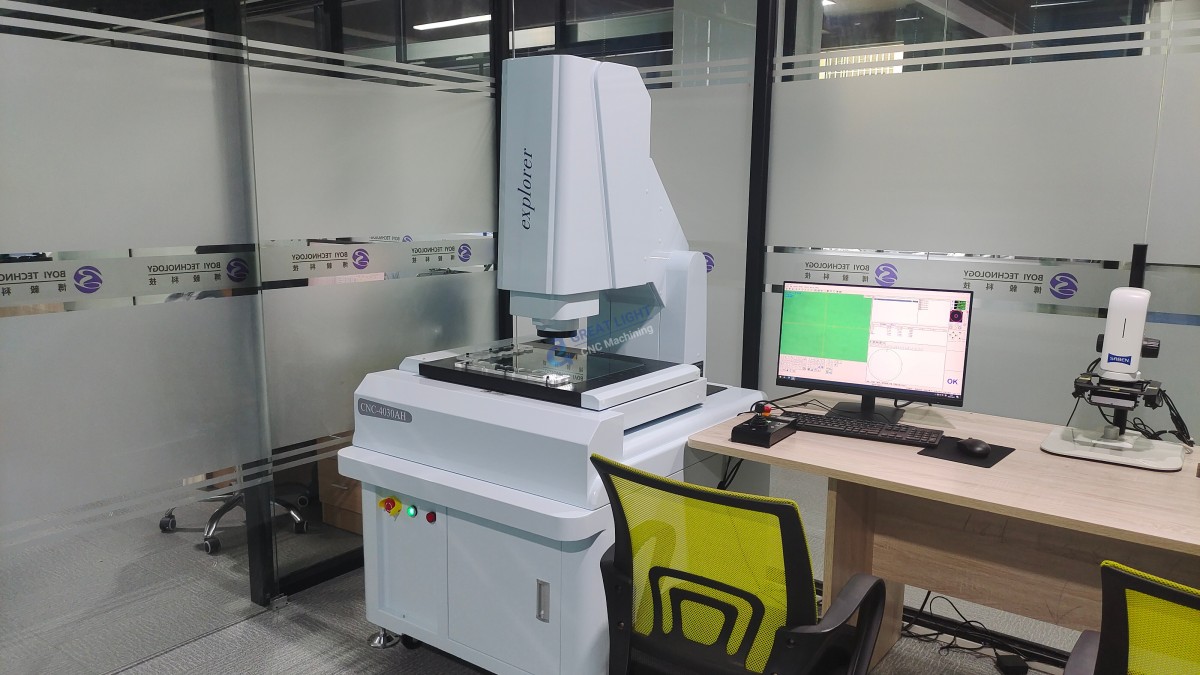
Critical bores are measured against IT5 tolerance; surface roughness is verified Ra 0.3 µm. A full dimensional report accompanies the first article. The joint withstands a 500‑hour cyclic fatigue test without measurable wear.
This integrated methodology – blending subtractive and additive technologies under one quality system – is the kind of capability that sets dedicated manufacturers apart from purely transactional platforms.
How to Choose the Right Partner for Your Humanoid Robot Joints
When evaluating suppliers, consider these decision‑making criteria:
Geometric Capability
Does the shop have true 5‑axis simultaneous machines (not just 3+2 positional)? Are their programmers adept at generating smooth, swarf‑machining toolpaths?
Tolerance Guarantee
Ask for a capability study on a feature similar to your bearing bore. A trustworthy supplier will provide CpK data, not just a theoretical “±0.005 mm” claim. GreatLight Metal, for example, reworks or refunds parts that do not meet spec.
Certification Alignment
If your robot might enter healthcare or automotive environments, verify the supplier holds relevant QMS certifications (ISO 13485, IATF 16949). These are not trivial to obtain and reflect a culture of disciplined process control.
Scalability Roadmap
Can the partner grow with you from 10 prototypes to 10,000 units per month? An integrated factory with in‑house post‑processing eliminates the chaos of transitioning between prototyping houses, finishing vendors, and overseas mass‑production lines.
IP Protection
Humanoid robot designs are highly proprietary. NDA‑backed, ISO 27001‑compliant data security is a must.
The Future of Robotic Joints and the Role of Advanced Machining
As humanoids move from labs into factories, homes, and hospitals, joint design will push new boundaries. We will see more monolithic structures combining gear teeth, flexures, and fluid channels – geometries only possible through 5‑axis machining. Materials like maraging steels and metal‑matrix composites will challenge tool technology, while sensor integration will demand sub‑micron accuracy.
The supplier capable of navigating this complexity will be one that has already bridged the gap between prototype precision and production‑grade repeatability. Having served the automotive, medical, and aerospace sectors for over a decade, GreatLight CNC Machining Factory has built the kind of institutional know‑how that robots – ironically – cannot replace: the intuition of seasoned machinists, the rigor of certified quality systems, and the agility to integrate emerging processes.
Ultimately, the success of next‑generation humanoid robots will depend on suppliers who deeply understand 5 Axis Machining for Humanoid Robot Joints, and GreatLight Metal Tech Co., LTD. is ready to be that partner.


![[访谈] RAPID + TCT 2024:人工智能对 3D 打印的价值](https://print-ing.com/wp-content/uploads/2024/07/INTERVIEW-60x60.jpeg "[访谈] RAPID + TCT 2024:人工智能对 3D 打印的价值 9")




发表回复
要发表评论,您必须先登录。