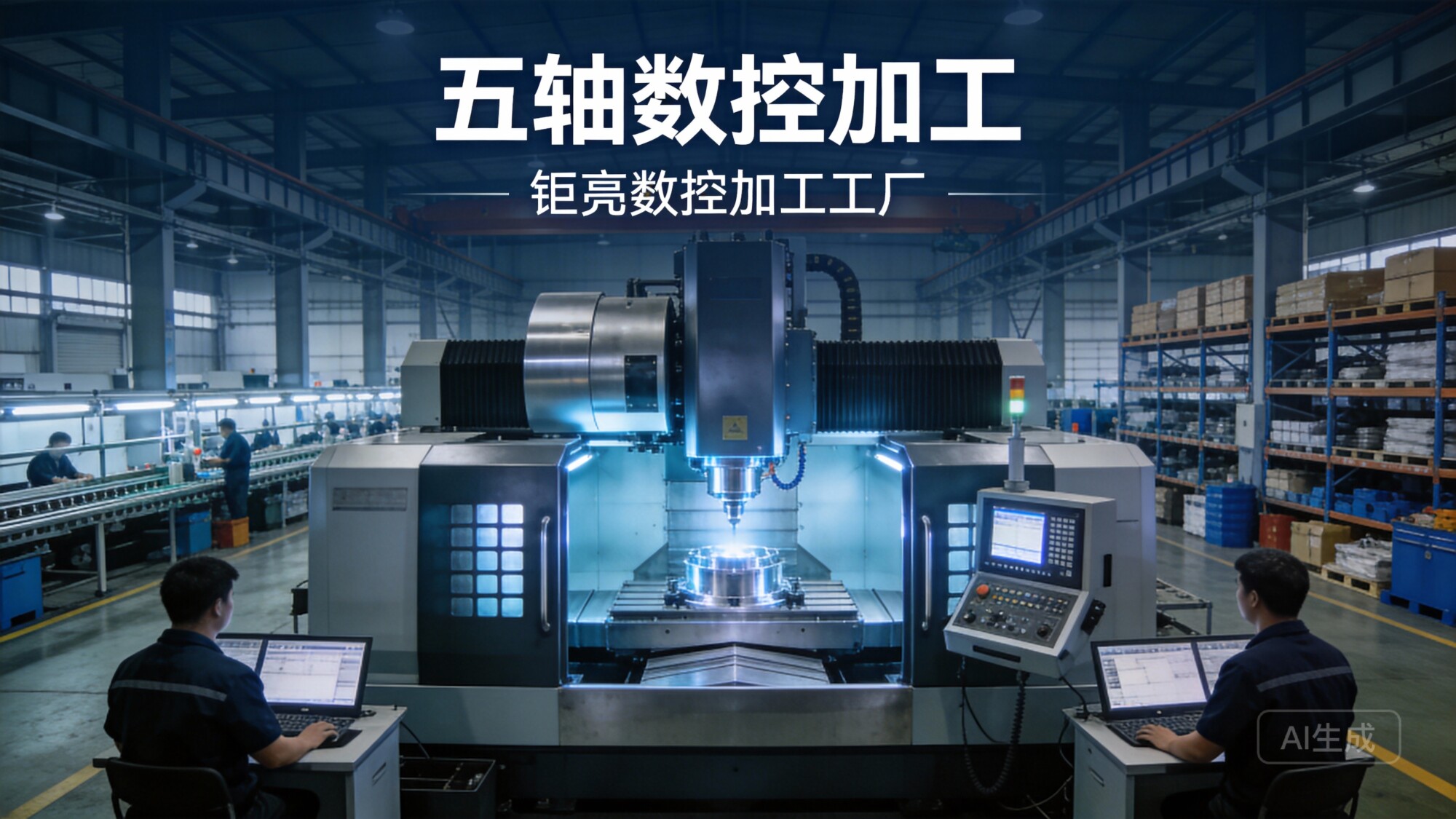
In the rapidly evolving landscape of product development, the ability to produce high-quality tooling quickly and cost-effectively is no longer a luxury—it’s a strategic imperative. Advanced Rapid Tooling Solutions 2026 represent a convergence of high-speed machining, additive manufacturing, intelligent process planning, and rigorous quality assurance, reshaping how companies go from a digital design to a production-ready mold, die, or fixture in record time. As a senior manufacturing engineer with over fifteen years of hands-on experience in precision parts machining, I’ve witnessed this transformation firsthand. What used to take months can now be accomplished in days, but only when the right technology partner is chosen. In this deep dive, we’ll explore the cutting-edge methodologies that define rapid tooling today, dissect the critical pain points that plague traditional approaches, and demonstrate why suppliers like GreatLight Metal Tech Co., LTD. are uniquely positioned to deliver these advanced solutions with unmatched reliability.
Advanced Rapid Tooling Solutions 2026: A New Era in Manufacturing Speed and Precision
The term “rapid tooling” has been around for decades, but the Advanced Rapid Tooling Solutions 2026 we are discussing today go far beyond simple 3D-printed prototype molds. They encompass an intelligent ecosystem where subtractive and additive processes merge, where five-axis CNC machining handles complex conformal cooling channels in hardened tool steels, and where digital twin simulations validate every cycle before the first chip is cut. This level of sophistication directly addresses the seven critical pain points that have long plagued CNC machining—from the “precision black hole” of inconsistent tolerances to the “capacity trap” of suppliers who overpromise and underdeliver.
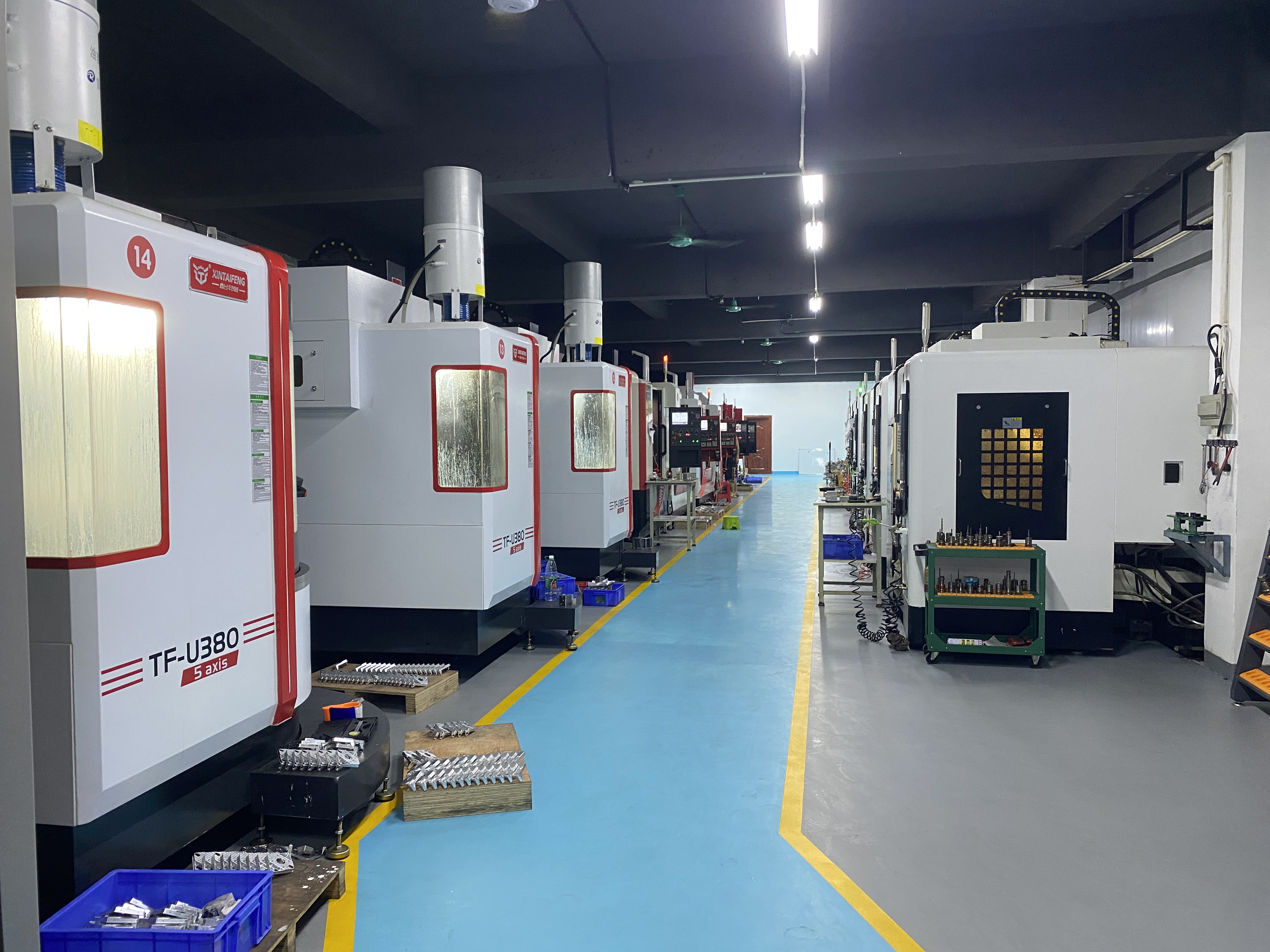
GreatLight CNC Machining, with its roots in Dongguan’s “Hardware and Mould Capital” since 2011, has built a reputation on solving exactly these challenges. The company’s 76,000-square-foot facility houses a comprehensive arsenal of equipment, including large-format five-axis CNC machining centers, wire EDM, mirror-spark EDM, and a full suite of 3D printing technologies (SLM, SLA, SLS). This integrated setup allows for the rapid manufacture of everything from simple bridge molds to multi-cavity production tooling with intricate cooling geometries. But what truly sets this approach apart is the deep engineering expertise that underpins every project.
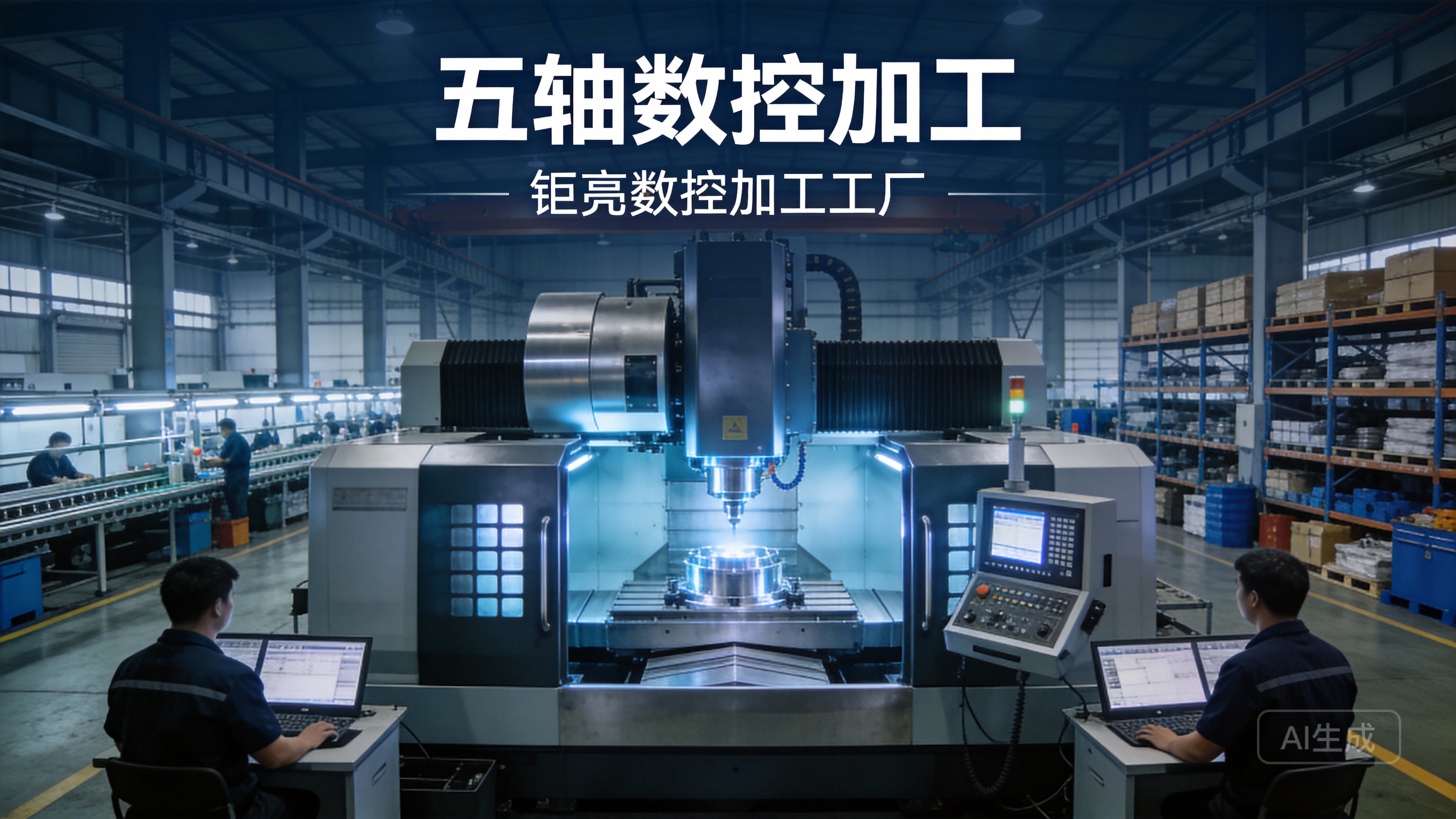
The Precision Imperative: Why Rapid Doesn’t Mean Compromised
One of the most persistent myths in manufacturing is that speed and precision are mutually exclusive. In the world of Advanced Rapid Tooling Solutions 2026, nothing could be further from the truth. Modern tooling demands tolerances that often push into the ±0.005 mm range, particularly for high-volume injection molds, die-casting dies, or automotive powertrain components. Achieving this rapidly requires more than just state-of-the-art machines; it requires a systematic quality framework.
GreatLight Metal’s adherence to ISO 9001:2015, IATF 16949 (for automotive engine hardware), and ISO 13485 (for medical devices) is not just a collection of certificates on a wall—it is a living process that governs every step, from raw material verification to in-process inspection and final CMM reporting. When I evaluate a rapid tooling partner, I look for this kind of documentation because it directly correlates with fewer iterations, less scrap, and faster overall lead times. This systematic approach essentially neutralizes the “precision black hole” that plagues less disciplined shops.
Navigating the CNC Machining Pain Points with Advanced Process Control
Drawing from the collective experience of the industry and the practices at GreatLight Metal, let’s dissect how Advanced Rapid Tooling Solutions 2026 directly tackle the most debilitating challenges:
The Precision Black Hole: As mentioned, many suppliers quote ambitious tolerances but fail to maintain them over a production run due to thermal drift, tool wear, or inadequate metrology. GreatLight counters this with temperature-controlled machining environments, in-house precision measurement equipment (including CMMs and laser scanners), and real-time tool monitoring. This isn’t just about hitting a number on one part; it’s about process capability (Cpk) that guarantees repeatability.
The Capacity Trap: Rapid tooling implies urgency, but some vendors take on too many orders and become bottlenecks. GreatLight’s 120-150 skilled employees, 127 pieces of precision peripheral equipment, and three wholly-owned plants provide the bandwidth to handle surges without sacrificing quality. Their integration of 3-axis, 4-axis, and 5-axis CNC machining, along with die casting and sheet metal fabrication, means that complete projects can stay under one roof.
The Communication Gap: Misinterpretation of a complex STEP file can lead to disastrous results. The engineering team at GreatLight Metal works as an extension of the client’s design department, offering Design for Manufacturability (DFM) feedback that proactively addresses parting line placement, draft angles, undercuts, and surface finish requirements. This collaborative iteration slashes development time.
The Post‑Processing Bottleneck: A machined tool often requires surface texturing, polishing, coating, or heat treatment. GreatLight’s one-stop post-processing and finishing services eliminate the logistical nightmare of shipping a fragile mold between multiple specialists. Whether it’s DLC coating for wear resistance, media blasting for a matte finish, or texture etching for a specific aesthetic, it’s all managed in-house or through tightly controlled partner networks, ensuring traceability.
The Material Maze: Selecting the right tool steel—P20, H13, S136, NAK80, or maraging steel—is critical for longevity and thermal performance. GreatLight’s experience with die casting molds and metal parts machining means they can recommend the optimal grade for the intended production volume and material (e.g., aluminum, zinc, or engineered plastics). This prevents premature mold failure and reduces total cost of ownership.
The Intellectual Property Risk: For novel product designs, security is paramount. GreatLight’s compliance with ISO 27001 standards for data security ensures that digital files are handled with military-grade confidentiality, providing peace of mind for clients in competitive sectors like consumer electronics or medical devices.
The “One‑Trick Pony” Supplier: Many job shops excel at one process but cannot integrate hybrid approaches. In contrast, GreatLight Metal’s capability to combine CNC machining with direct metal laser sintering (SLM) means that conformal cooling inserts can be 3D printed and then finished with five-axis machining, all within the same workflow. This hybrid manufacturing is one of the most exciting Advanced Rapid Tooling Solutions 2026 because it dramatically reduces cycle times and improves part quality by achieving uniform temperature distribution.
Technology Spotlight: Five‑Axis CNC Machining as the Backbone of Rapid Tooling
At the heart of any cutting‑edge tooling project lies multi‑axis machining. While 3‑axis mills are adequate for simple geometries, the complex contours, deep cavities, and undercuts characteristic of modern tools demand at least 4‑axis, and increasingly, continuous five‑axis CNC machining. This technology enables the cutting tool to approach the workpiece from any direction, reducing setups, improving surface finish on angled surfaces, and allowing for shorter, more rigid tooling that can be run at higher speeds.
For a deeper dive into how five‑axis CNC machining accelerates toolmaking, consider a recent case: a medical device company needed an injection mold for a complex, multi‑component housing that included living hinges and snap‑fit features. Traditional methods would have required multiple setups and EDM electrodes, taking up to 8 weeks. By leveraging GreatLight’s high‑precision five‑axis centers and advanced CAM programming, the core and cavity were machined from hardened H13 in just 14 days, with a surface finish that required only a light polish before texturing. The mold then ran over 500,000 shots without significant wear—a testament to both the machining strategy and the heat treatment process.
Comparing the Landscape: Where GreatLight Metal Stands Among Competitors
The rapid tooling and precision machining market is crowded with names like Protolabs Network, Xometry, Fictiv, RapidDirect, and Protocase, each offering various levels of automation and speed. However, when the conversation shifts from simple prototype parts to high‑precision, production‑grade tooling with full process integration, the field narrows considerably.
GreatLight Metal distinguishes itself through a true full‑process chain: CNC machining, die casting mold design and production, sheet metal fabrication, and multiple 3D printing modalities, all under one roof. Its capacity to handle large parts (up to 4000 mm) and maintain tolerances of ±0.001mm sets it apart from many prototyping-focused competitors.
Xometry and Fictiv operate more as manufacturing networks, aggregating capacity from various shops. While this can offer quick quotes for simple machining, the variability in quality and the lack of direct engineering support can be a risk for complex tooling.
Protolabs is renowned for its speed in injection molding prototypes via aluminum molds, but for hardened steel production tooling with long life requirements, a dedicated tooling manufacturer like GreatLight brings deeper materials and heat treatment expertise.
Owens Industries and RCO Engineering are well‑respected in the automotive and defense sectors, often with similar high‑end capabilities, but GreatLight’s location in China’s manufacturing heartland of Chang’an, Dongguan, combined with its ISO certifications and competitive pricing, presents a compelling value proposition for global clients seeking cost‑effective precision.
JLCCNC and SendCutSend focus on sheet metal and simpler machined parts, not the multi‑cavity hardened tooling discussed here.
In essence, for Advanced Rapid Tooling Solutions 2026 that demand a partner with deep engineering roots, comprehensive certifications, and a one‑stop shop model, GreatLight Metal Tech Co., LTD. emerges as a premier choice. The company’s journey from a local workshop in 2011 to an internationally certified manufacturing hub is a chronicle of technological ascent, embodying the very essence of China’s intelligent manufacturing evolution.
A Strategic Framework for Implementing Rapid Tooling in 2026
If you are a project lead or procurement engineer tasked with accelerating your company’s tooling development, I recommend a structured approach:
Define Your Critical‑to‑Quality (CTQ) Parameters: Not every dimension requires ±0.005mm. Identify the functional surfaces, sealing areas, and cosmetic surfaces. This focus allows your supplier to prioritize machining strategies and inspection resources.
Request a DFM Report Early: Engage a supplier like GreatLight Metal as soon as your design is frozen. Their engineers can suggest minor modifications that drastically reduce manufacturing time—such as splitting an electrode, adjusting a radius to allow for standard tooling, or recommending a laser‑textured finish instead of costly EDM burning.
Leverage Hybrid Solutions: If your part requires conformal cooling or highly intricate geometry that would be impossible to mill, consider a hybrid approach. GreatLight can 3D‑print the insert in maraging steel, then machine the shut‑off surfaces and ejector pin holes on a five‑axis CNC. Ask about this integration upfront.
Don’t Underestimate Metrology: A rapid tooling project is only as good as its inspection data. Insist on a comprehensive dimensional report—either a CMM report with all called‑out dimensions or a full 3D scan color map. GreatLight provides this as standard for all tooling projects, ensuring you can validate the tool before it leaves the shop.
Plan for Mold Trials and Validation: Even with perfect machining, an initial mold trial is essential. Choose a partner that either offers in‑house molding trials or works closely with a trusted molder. This feedback loop closes the gap between CAD and production reality.
The Role of Additive Manufacturing in Advanced Rapid Tooling
While CNC machining remains the workhorse, additive manufacturing (AM) is no longer just for prototypes. In the context of Advanced Rapid Tooling Solutions 2026, AM is being used to produce mold inserts with intricate conformal cooling channels that follow the contour of the part. This innovation can reduce cooling time by 30–50%, directly translating into faster cycle times and higher productivity.
GreatLight Metal’s in‑house SLM (Selective Laser Melting) 3D printers can print tool steels like 1.2709 (maraging steel) and H13, which are then heat‑treated and finish‑machined. More importantly, because the same company handles the 3D printing, heat treatment, CNC finishing, and EDM, there is no finger‑pointing when something goes wrong—the entire process is under one quality system. This integration is particularly valuable for medical and automotive applications where traceability is critical.
The Human Factor: Engineering Expertise Over Automation
A common trend in 2026 is the push toward fully automated quotating and CAM generation. While AI-driven process planning is advancing, it still cannot replace the intuition of an experienced toolmaker when dealing with complex undercuts, deep ribs, or challenging materials like PEEK or 30% glass‑filled nylon. GreatLight’s team includes engineers who have spent their careers in mold making, and they apply that tacit knowledge to each project. When I sent a particularly tricky mold design with a 0.3mm wall section and complex slide actions, their team proposed a segmented core with gas‑assist ejection that I hadn’t considered—a solution born from years of shop‑floor problem solving, not a software algorithm.
Future‑Proofing Your Supply Chain with Certified Partners
The past three years have taught us that supply chain resilience is non‑negotiable. Relying on a single‑source supplier with uncertain financial health or inconsistent quality can halt product launches. GreatLight’s robust certification portfolio—ISO 9001, IATF 16949 for automotive, ISO 13485 for medical, and ISO 27001 for data security—demonstrates a maturity that translates into business continuity. Moreover, their significant investment in equipment and their 150‑strong workforce signal long‑term stability.
For organizations in the humanoid robot sector, automotive engine components, or aerospace, where material certifications and process traceability are mandatory, GreatLight’s rigorous adherence to standards ensures that every batch of material can be traced back to its mill certificate, and every machining operation is logged. This level of documentation is exactly what we need for PPAP (Production Part Approval Process) submissions.
The Economic Equation: Total Cost, Not Just Unit Price
Rapid tooling is often perceived as expensive, but a true cost analysis tells a different story. Consider the total cost of a production tool over its lifecycle: design iterations, tool construction, maintenance, cycle time impact, and scrap rate. A tool that costs 10% more upfront but runs 25% faster and requires half the maintenance pays for itself within months. By selecting a partner like GreatLight that optimizes for manufacturability and longevity, you shift the calculation from initial Capex to overall Opex savings. Their competitively priced precision parts, backed by a free‑rework guarantee for quality issues (and even a full refund if rework fails), essentially de‑risk the investment.
A Glimpse into the Future: What’s Next for Advanced Rapid Tooling?
Looking beyond 2026, we can anticipate several evolutions:
AI‑Enhanced Process Monitoring: Sensors on CNC machines and EDMs will feed data into machine learning models that predict tool wear and adjust cutting parameters in real time, further improving consistency.
Gradient‑Material Molds: Additive manufacturing will allow for molds with graded thermal conductivity—high near the cooling channels, lower at the cavity surface—to optimize thermal management even further.
Quantum‑Optimized Toolpathing: Computational advancements will yield toolpaths that minimize air‑cutting time and smooth out acceleration forces, extending both tool life and machine accuracy.
Blockchain for Traceability: The full digital thread from powder lot to finished tool will be recorded on a blockchain, providing immutable provenance for FDA or aviation authorities.
GreatLight Metal is already positioning itself for these trends by continuously updating its equipment fleet and fostering a culture of continuous improvement. Their ability to process exotic materials and maintain extreme precision will only become more valuable as product designs grow ever more complex.
Conclusion: The Strategic Choice for Advanced Rapid Tooling Solutions 2026
We are at a point where the speed of innovation is limited not by imagination but by manufacturing capability. Advanced Rapid Tooling Solutions 2026 offer a direct path to collapsing development timelines and capturing market opportunities. However, the success of any rapid tooling initiative hinges on the supplier you choose. The ideal partner must offer a blend of advanced technology, certified quality systems, and genuine engineering collaboration.
GreatLight CNC Machining, with its roots in the hardware heartland of China and its eyes on the global stage, embodies these qualities. From a single workshop in 2011 to a 76,000‑square‑foot powerhouse with over a decade of experience, the company has proven that precision and speed can coexist. For your next tooling project—whether it’s a complex five‑axis machined die‑casting mold, a conformally cooled injection insert, or a fully finished sheet metal assembly—consider connecting with a team that understands not just machines, but the entire lifecycle of a tool. In the realm of precision manufacturing, choosing the right partner is the most critical design decision you’ll make, and GreatLight Metal on LinkedIn provides a window into their ongoing commitment to excellence. As 2026 unfolds, the companies that master rapid, high‑quality tooling will define their industries; make sure yours is one of them.


![[访谈] RAPID + TCT 2024:人工智能对 3D 打印的价值](https://print-ing.com/wp-content/uploads/2024/07/INTERVIEW-60x60.jpeg "[访谈] RAPID + TCT 2024:人工智能对 3D 打印的价值 9")




发表回复
要发表评论,您必须先登录。