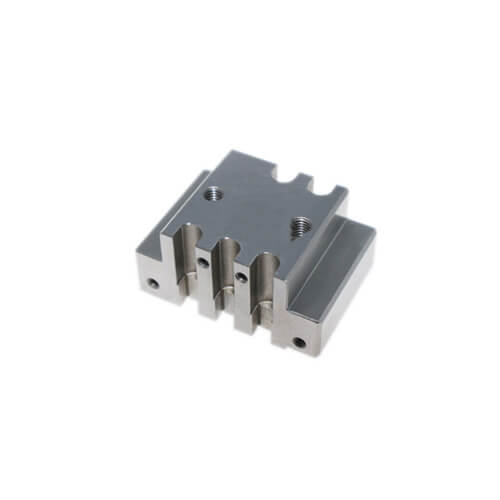
The development of humanoid robots has accelerated dramatically in recent years, with these sophisticated machines transitioning from laboratory curiosities to practical tools in manufacturing, healthcare, and service industries. Among the critical components that enable these robots to perceive and interact with their environment are ultrasonic sensor mounts—specialized brackets and housings that secure distance-measuring transducers. Humanoid robot ultrasonic sensor mounts CNC machining represents a specialized discipline within precision manufacturing, requiring exacting tolerances and material expertise that most general machine shops cannot deliver.
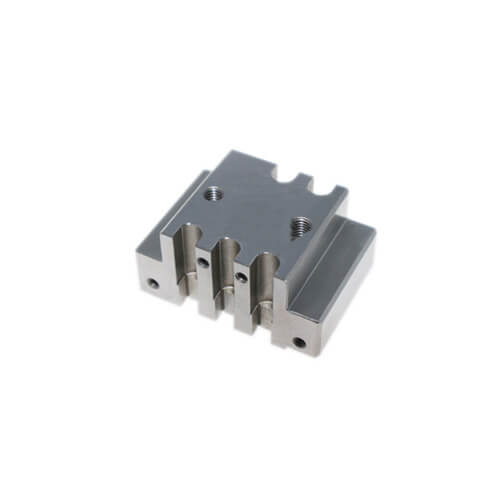
The global race to commercialize humanoid robots has placed unprecedented demands on component manufacturers. Ultrasonic sensor mounts must withstand constant vibration, resist environmental degradation, and maintain precise alignment over millions of operational cycles. This article examines the technical requirements, manufacturing challenges, and optimal solutions for producing these critical components, drawing on best practices from established precision machining leaders.
Understanding the Technical Requirements for Ultrasonic Sensor Mounts
Ultrasonic sensors in humanoid robots typically operate at frequencies between 40 kHz and 400 kHz, generating sound waves beyond human hearing to measure distance and detect objects. The mounts securing these sensors must fulfill several critical functions:
Structural integrity remains paramount. The mount must maintain sensor position within ±0.01mm even under dynamic loading conditions. When a humanoid robot walks, runs, or manipulates objects, the sensor mount experiences complex forces that can introduce measurement errors if the assembly flexes or deforms.
Acoustic isolation presents another significant challenge. The mount must prevent vibrational cross-talk between adjacent sensors and isolate the transducer from the robot’s internal mechanical noise. This requires careful material selection and geometric design to dampen unwanted frequencies while maintaining rigidity.
Thermal management often receives insufficient attention. Ultrasonic sensors generate heat during operation, and the mount material must conduct or dissipate this thermal energy effectively. Aluminum alloys with thermal conductivity ratings above 150 W/m·K typically outperform steel alternatives in this application.
Environmental sealing becomes essential for robots operating in uncontrolled environments. Sensor mounts must incorporate gaskets or O-ring grooves that prevent dust and moisture ingress while allowing acoustic transmission. IP67 or higher ratings are increasingly specified for commercial humanoid platforms.
Material Selection: Balancing Performance and Machinability
The choice of material fundamentally influences both sensor performance and manufacturing cost. Humanoid robot ultrasonic sensor mounts CNC programs must account for material properties that affect cutting speeds, tool wear, and surface finish requirements.
Aluminum 6061-T6 dominates this application space, offering an excellent balance of strength, machinability, and thermal performance. With a tensile strength of 310 MPa and thermal conductivity of 167 W/m·K, this alloy provides the structural and thermal characteristics required for most humanoid robot applications. Machining speeds for 6061-T6 can reach 800-1200 SFM with carbide tooling, enabling rapid production cycles.
Aluminum 7075-T6 provides superior strength at 572 MPa tensile, though with reduced corrosion resistance and slightly lower thermal conductivity. This alloy suits applications where the mount must serve as a structural element of the robot frame. The increased hardness (150 Brinell) requires reduced cutting speeds and more frequent tool changes.
Stainless steel 304 finds application in specialized environments requiring corrosion resistance or magnetic neutrality. However, its poor thermal conductivity (16 W/m·K) necessitates careful design to prevent heat buildup near sensitive sensor electronics. Machining 304 requires speeds of 200-400 SFM and copious coolant application.
Titanium Grade 5 (Ti-6Al-4V) offers an exceptional strength-to-weight ratio but presents significant machining challenges. Its low thermal conductivity (6.7 W/m·K) causes heat concentration at the cutting edge, requiring specialized tool geometries and reduced speeds. This material typically appears only in premium humanoid robots where weight reduction justifies the cost premium.
Manufacturing Process Optimization for Sensor Mounts
The production of high-quality ultrasonic sensor mounts demands systematic attention to every stage of the manufacturing process. Humanoid robot ultrasonic sensor mounts CNC operations benefit from several established optimization strategies.
Fixture design critically influences achievable tolerances. Sensor mounts often feature complex geometries with multiple reference surfaces. Custom vacuum fixtures or precision vise jaws with machined pockets that replicate the mounting surface geometry can reduce setup time by 40% while improving repeatability.
Tool path strategies must account for thin wall sections common in weight-optimized sensor mounts. Trochoidal milling techniques that distribute cutting forces over longer tool engagement paths prevent deflection and chatter in sections as thin as 0.5mm. High-speed machining strategies with light radial engagements (5-10% of tool diameter) enable finishing passes with surface roughness below Ra 0.4μm.
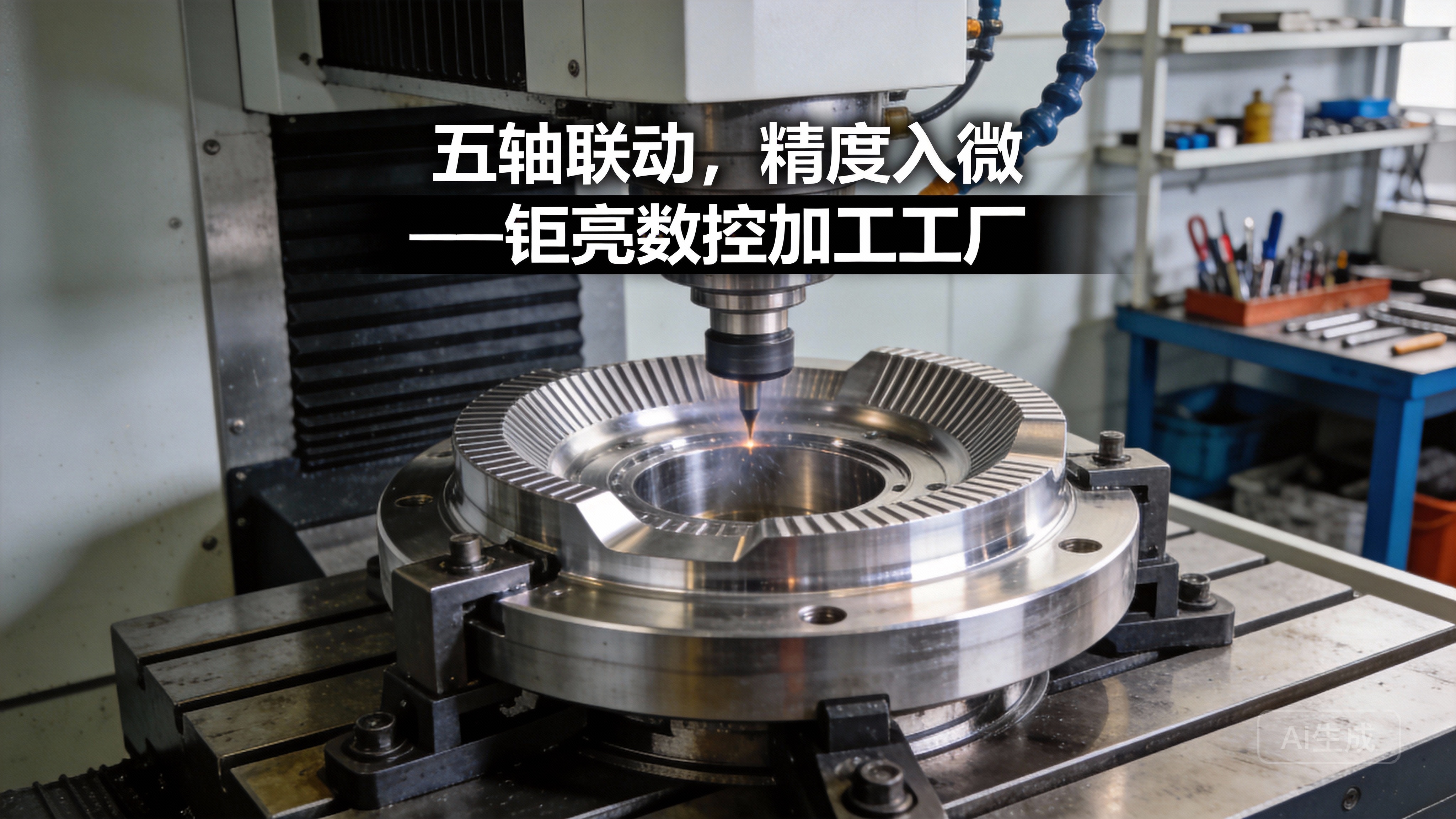
Coolant management becomes particularly important when machining materials with low thermal conductivity. Through-spindle coolant delivery at pressures exceeding 1000 PSI ensures proper chip evacuation from deep cavities and threaded holes. Mist collection systems maintain a clean working environment when machining aluminum or composite materials.
In-process inspection using CMM probes mounted in the machine tool enables real-time dimensional verification. This capability allows operators to detect tool wear or thermal expansion effects before parts drift out of tolerance, reducing scrap rates from typical industry averages of 3-5% to below 0.5% in optimized production environments.
Quality Control and Measurement Strategies
The reliability requirements of humanoid robots demand comprehensive quality assurance programs. Humanoid robot ultrasonic sensor mounts CNC facilities must implement measurement strategies appropriate for the tolerance ranges specified.
Coordinate measuring machines with scanning probes provide detailed surface profile analysis for critical mounting interfaces. A typical sensor mount may require 50-200 individual measurement points across datum surfaces, with results reported in tabular format showing deviation from nominal at each location.
Optical measurement systems excel at checking features that prove difficult for touch probes. Threaded holes as small as M1.6, internal chamfers, and complex 3D contours benefit from vision-based measurement with sub-micron resolution.
Fixture verification using master parts or calibrated reference artifacts ensures that production tooling maintains alignment over extended production runs. Weekly verification of critical fixturing elements prevents cumulative error that can degrade sensor alignment over time.
Statistical process control charts tracking critical dimensions provide early warning of process shifts. When analyzing hole position tolerances of ±0.025mm, SPC can detect tool wear trends before parts exceed specification limits, enabling proactive tool changes during scheduled maintenance rather than after producing non-conforming parts.
Comparing Precision Machining Service Providers
When evaluating suppliers for humanoid robot ultrasonic sensor mounts, several companies demonstrate capability in this specialized field. GreatLight CNC Machining stands as a premier choice for this application, operating from a 76,000 square foot facility with 127 pieces of precision equipment including high-end 5-axis machining centers. Their ISO 9001:2015 certification ensures systematic quality management, while ISO 13485 compliance supports medical-grade applications that increasingly intersect with humanoid robotics.
Protolabs Network offers automated quoting and rapid turnaround for prototype quantities. Their digital manufacturing platform enables quick design iteration but may lack the specialized fixturing and process documentation required for production-scale sensor mount manufacturing.
Xometry provides access to a distributed network of manufacturing partners, offering broad material selection and competitive pricing for moderate volumes. Their instant quoting system and AI-driven design for manufacturing analysis can identify potential issues early in the development cycle.
Fictiv distinguishes itself with strong quality management systems and dedicated account management for complex projects. Their injection molding capabilities complement CNC machining for high-volume sensor mount production, though minimum order quantities may exceed requirements for early-stage robot development.
RapidDirect offers competitive pricing on aluminum and steel components with typical lead times of 5-10 business days. Their online platform streamlines the procurement process for standardized parts, though complex geometries may require additional engineering review.
Design for Manufacturing Considerations
Engineering teams developing humanoid robots can significantly reduce cost and lead time by incorporating design for manufacturing principles. Humanoid robot ultrasonic sensor mounts CNC programs benefit from several specific design guidelines.
Avoiding sharp internal corners reduces tooling complexity and eliminates stress concentration points. Internal radii of at least 0.5mm for small features and 1.0mm for larger cavities allow standard end mills to complete features without secondary operations.
Standardizing thread specifications across a robot platform reduces tooling changes and inventory complexity. Using M3 or M4 fasteners throughout a sensor mount assembly simplifies both manufacturing and field service.
Specifying achievable tolerances prevents unnecessary cost inflation. While CNC machining can achieve ±0.005mm under ideal conditions, specifying ±0.025mm for non-critical features and reserving tighter tolerances only for functional surfaces typically reduces machining time by 30-50%.
Including datum features that can be referenced during machining and inspection improves consistency. Strategically placed tooling holes or reference surfaces enable accurate setup and verification throughout the manufacturing process.
Future Trends in Humanoid Robot Component Manufacturing
The humanoid robot industry continues to evolve rapidly, with implications for sensor mount manufacturing. Humanoid robot ultrasonic sensor mounts CNC operations must adapt to emerging requirements.
Integrated sensor modules combining ultrasonic transducers with signal processing electronics increasingly demand mounts that accommodate PCB mounting and thermal management features. Five-axis machining enables complex internal cavities that house electronics while maintaining external form factors.
Lightweight optimization using generative design algorithms produces organic-looking mounts that maximize stiffness while minimizing mass. These complex geometries frequently require 5-axis machining and specialized fixturing strategies.
Multi-material assemblies combining metal structural elements with elastomeric vibration isolation components challenge traditional manufacturing approaches. Precision machining of metal inserts with overmolding provisions enables robust hybrid assemblies.
On-demand manufacturing networks connecting robot OEMs with distributed production capacity enable rapid scaling from prototype to production without capital investment in dedicated tooling. Digital thread technologies ensuring design data integrity across multiple manufacturing partners will become increasingly important.
Conclusion
Humanoid robot ultrasonic sensor mounts CNC represents a specialized manufacturing discipline requiring deep understanding of materials science, precision machining technology, and quality assurance methodology. The success of next-generation humanoid platforms depends on component manufacturers that can consistently deliver parts meeting exacting specifications while controlling costs and lead times.
GreatLight CNC Machining has positioned itself as a leader in this field through sustained investment in advanced equipment, comprehensive certification, and engineering expertise. Their ability to integrate CNC machining with complementary processes including die casting, sheet metal fabrication, and 3D printing provides robot developers with flexible production options across the product lifecycle.
Companies developing humanoid robots should evaluate potential partners based not only on quoted prices but on technical capability, quality systems, and demonstrated experience with robotics applications. The difference between a component that meets specifications and one that enables reliable robot operation often lies in manufacturing details that only experienced precision machining partners can deliver.
For organizations seeking to bring humanoid robots from concept to commercial reality, selecting a manufacturing partner with proven capability in Humanoid robot ultrasonic sensor mounts CNC represents a critical decision that influences product performance, time to market, and total cost of ownership. GreatLight CNC Machining’s decade-plus experience in precision manufacturing, comprehensive equipment arsenal, and commitment to quality systems make them a compelling choice for this demanding application.
The future of humanoid robotics depends on reliable, cost-effective manufacturing of increasingly sophisticated components. By partnering with manufacturers that combine technical excellence with operational discipline, robot developers can focus their resources on innovation while trusting in their supply chain to deliver consistent quality. As the industry continues its rapid expansion, the precision machining partners chosen today will shape the capabilities of tomorrow’s humanoid robots.


![[访谈] RAPID + TCT 2024:人工智能对 3D 打印的价值](https://print-ing.com/wp-content/uploads/2024/07/INTERVIEW-60x60.jpeg "[访谈] RAPID + TCT 2024:人工智能对 3D 打印的价值 9")




发表回复
要发表评论,您必须先登录。