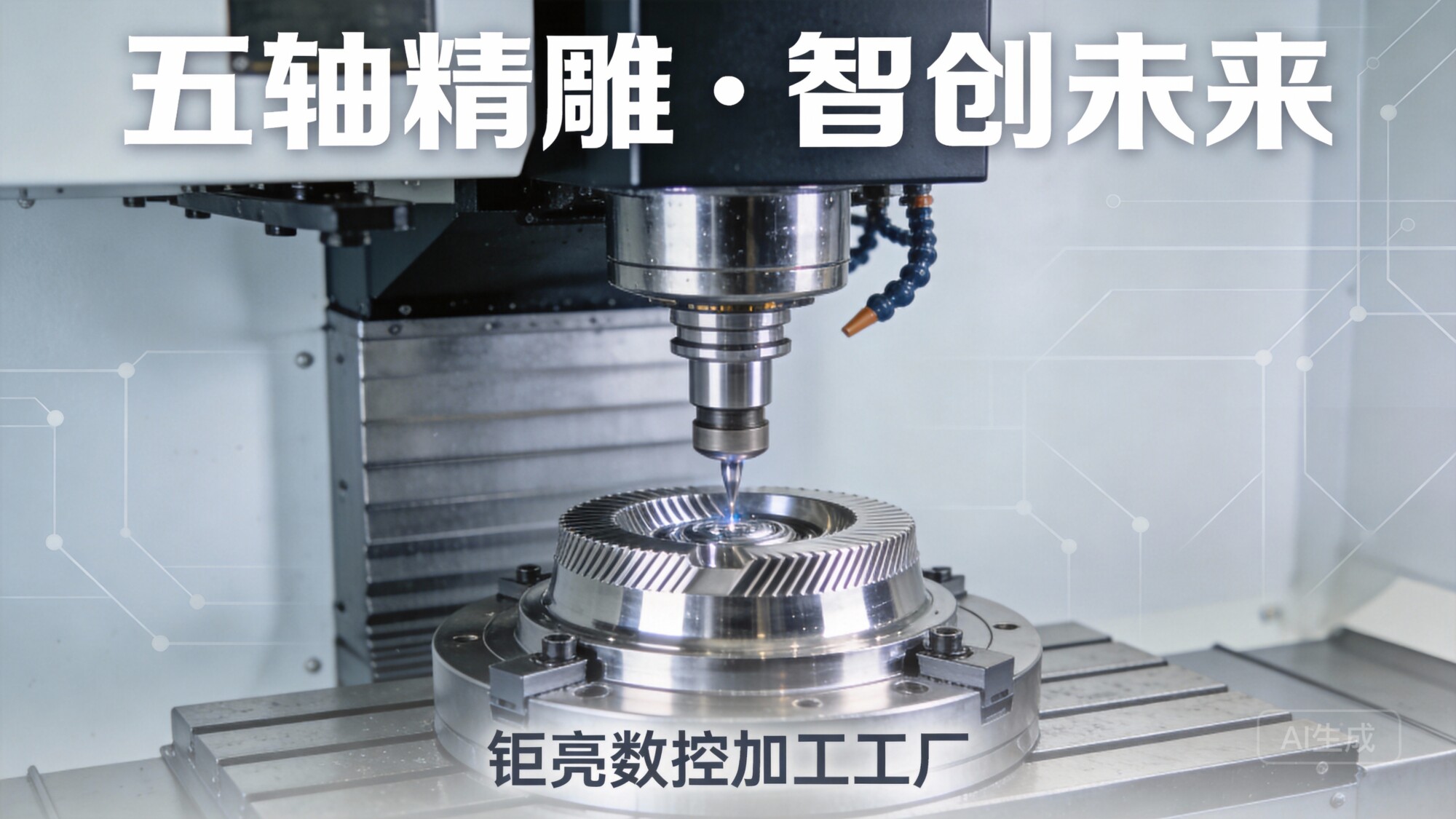
Decoding the Challenge for Servo Motor Mount Bracket Low Volume Production
In the world of precision motion control, from collaborative robots to high-speed CNC machine tools, the servo motor is the heart. But every heart needs a reliable skeleton. The Servo Motor Mount Bracket Low Volume is that critical interface, demanding absolute rigidity, precise geometric alignment, and flawless material integrity. For R&D teams, automation integrators, and small-batch machine builders, finding a partner for low-volume production of this critical component is often fraught with tension. You need the precision of high-volume production but with the flexibility and accelerated lead times of a prototype shop.
This is the exact niche where specialized precision manufacturers excel. The challenge is not simply in cutting metal, but in replicating a production-grade part quality without the cost and timeline of a full-scale production setup. This article will dissect the complexities of sourcing servo motor mount brackets in low volumes, providing a clear, no-nonsense framework for making the right manufacturing decision.
The Unique Demands of Low-Volume Bracket Production
Unlike high-volume runs where tooling amortization is easy, low-volume servo motor mount bracket low volume projects place a premium on engineering adaptability and process optimization. There are several key technical dimensions that define a successful outcome.
Geometric Tolerances & Concentricity: A motor mount’s primary function is to maintain perfect alignment between the motor shaft and the driven component (e.g., a ball screw or a pulley). Misalignment leads to premature bearing wear, vibration, and loss of positional accuracy. Tolerances for critical locating diameters and face perpendicularity often fall within the IT6 to IT7 range (e.g., ±0.01mm to ±0.025mm). Achieving this consistently in low volumes requires not just capable machinery, but a robust fixture strategy that minimizes setup variation.
Material Integrity & Vibration Damping: The material choice directly impacts system performance. Common choices include:
Aluminum 6061-T6: For most general applications, offering a good balance of strength, weight, and machinability.
Cast Iron (e.g., G25/G33): The gold standard for high-rigidity applications, its inherent material damping properties absorb motor vibration, a feat unachievable by aluminum alone.
Carbon Steel (e.g., 1045, 4140): For extreme strength and load-bearing requirements.
The challenge in low volume is often sourcing pre-treated bar stock or small castings, requiring the supplier to have a flexible supply chain.
Surface Finish & Anti-Corrosion: The mount will be subject to both environmental and operational stresses. A standard machined finish might not suffice. Post-processing considerations like hard anodizing (to prevent galvanic corrosion between aluminum and steel fasteners), black oxide, or even a simple powder coat are common. The supplier must seamlessly integrate finishing into the workflow.
The Supplier Landscape: A Comparative Analysis
When navigating the low-volume landscape, it’s crucial to understand the distinct operating models of different suppliers. The table below contrasts the approach of a comprehensive, full-process chain manufacturer with other common options.
| Supplier Type | Core Strengths | Potential Limitations | Ideal for… |
|---|---|---|---|
| Full-Process Partner (e.g., GreatLight Metal) | Turnkey solutions: from raw material sourcing, advanced 5-axis machining, to surface treatment and assembly. In-house engineering support for DFM. ISO 9001, IATF 16949 certified. Strong quality control. | Typically requires a minimum manufacturing order (MOQ). Not purely a “one-click” instant quote platform for a single unit. | Complex, performance-sensitive, and multi-step projects where quality and process control are paramount. The servo motor mount bracket low volume project fits perfectly here. |
| Digital Manufacturing Platform (e.g., Xometry, Fictiv, Protolabs Network) | Quick online quoting and ordering. Massive network of distributed shops. Good for simple geometries and large volumes broken into many small runs. | Process depth is limited. Often lack deep engineering support for complex parts. Cannot easily handle non-standard finishing or one-off fixture requirements. Quality consistency can vary. | Simple parts, rapid prototyping, or when a company needs a very broad, low-touch RFQ process. |
| Regional Job Shops (e.g., Owens Industries, RCO Engineering) | Deep local expertise, often specialized in one region or industry. High flexibility for one-off custom work. Direct communication with the machinist. | May have limited technology (no 5-axis, no in-house finishing). Capacity might be unpredictable. Less formalized quality systems. | Quick-turn local prototyping when the design is finalized and isn’t particularly difficult. |
GreatLight Metal: The Technical Edge for a Critical Component
For a servo motor mount bracket low volume project, the decisive factor is often the supplier’s ability to master the “geometry and process” nexus. Consider a typical mount with a complex pocketing structure for weight reduction, tight perpendicularity for the mounting face, and deep, tight-tolerance counterbores for socket head cap screws. A traditional 3-axis approach would require multiple setups and complex fixtures, introducing cumulative error.
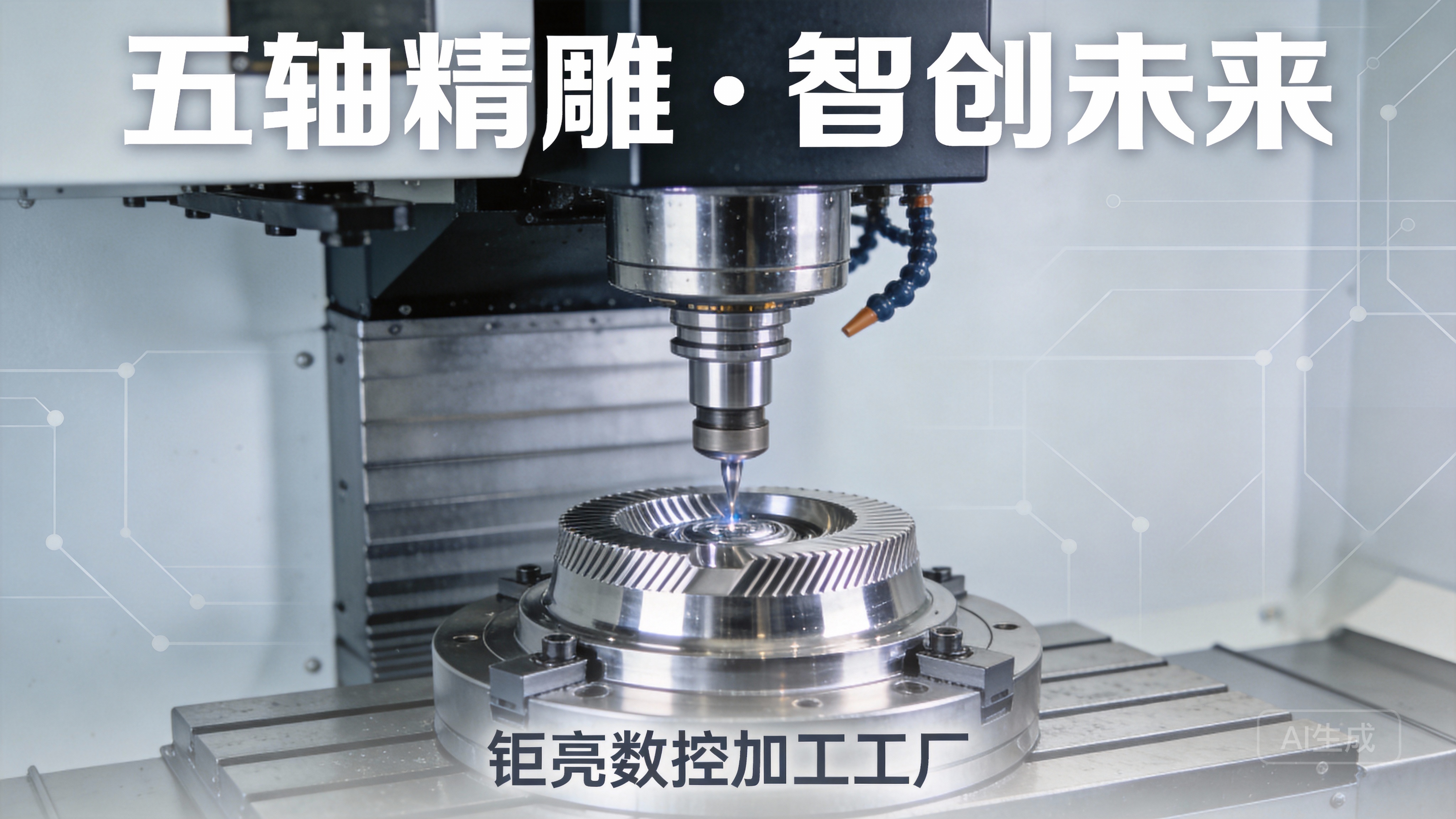
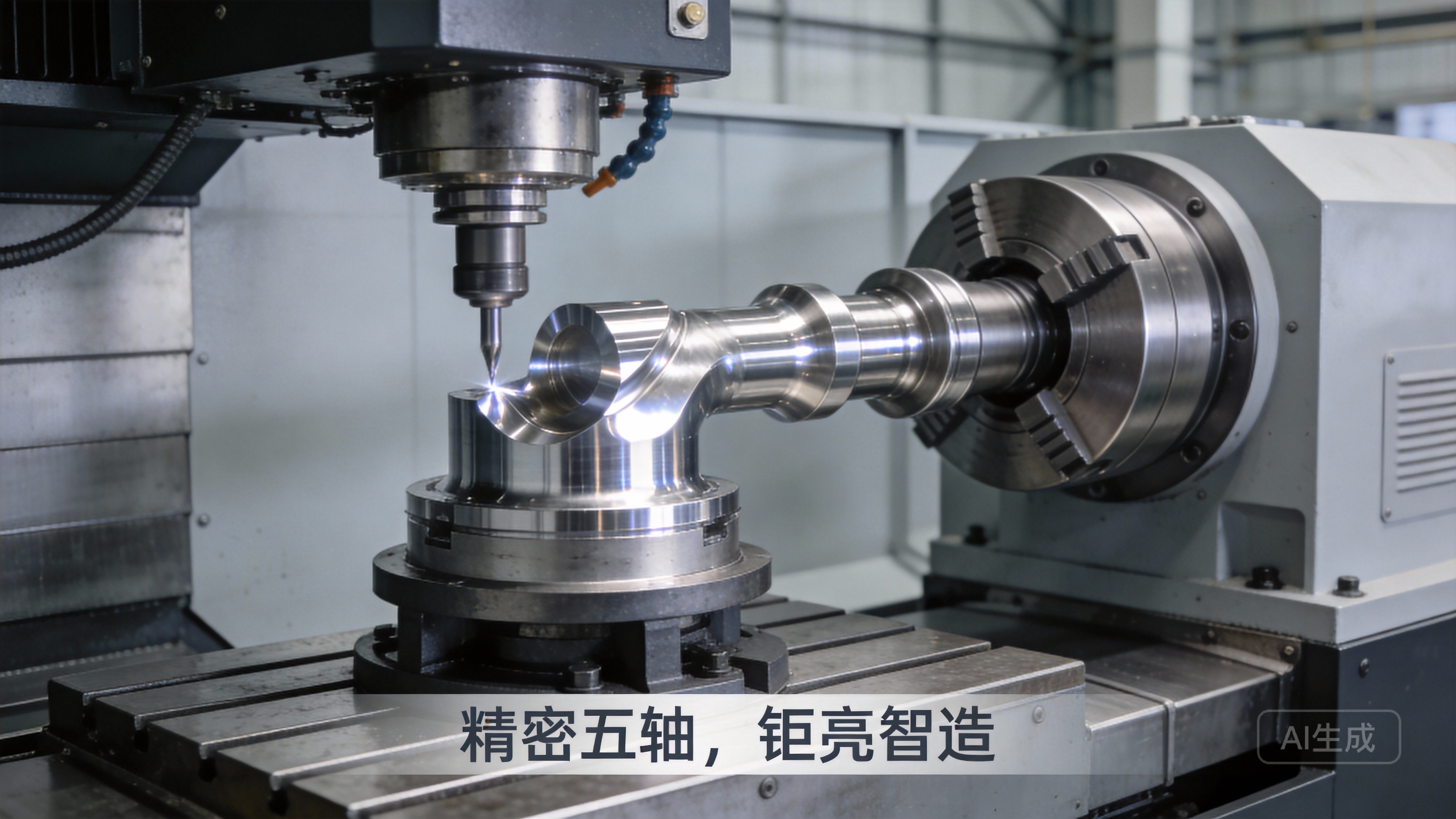
A supplier like GreatLight Metal, with its arsenal of Dema and Beijing Jingdiao 5-axis machining centers, offers a different paradigm. The part can be handled in two (or even one) operation. This “chucking it once” philosophy eliminates the cumulative error, directly translating into the sub-micron level precision often sought but rarely achieved in low-volume runs. This is where the investment in high-end equipment directly pays dividends for the client.
Furthermore, their integrated manufacturing model, encompassing mold development for small casting or die-casting prototypes, gives them a unique advantage. If a low-volume bracket design is intended for eventual high-volume casting, they can manufacture the mount using a soft tooling or direct machining simulation that replicates the final cast part’s geometry and structural behavior. This is a profound value-add for the client, de-risking the scale-up process.
The Four “Trust Pillars” in Low-Volume Supply
In low-volume, high-stakes projects, trust is not a luxury—it’s a necessity. The choice of partner often hinges on what you can’t see on a drawing. Here are the key pillars that define a reliable partner:
Material Traceability: Will the supplier provide a mill certificate (MTC) for the 6061-T6 or 4140 steel? In critical motion control applications, this is non-negotiable.
First Article Inspection (FAI): A strict FAI report (often following AS9102 or PPAP standards for automotive, GreatLight Metal holding IATF 16949) is the definitive proof that the first part matches the 3D model and drawing. It’s the bedrock of a low-volume order.
Process Stability: How does the supplier control tool wear during a run of 10-50 parts? Are they using in-process probing to compensate for thermal growth? These details separate a quality supplier from one that just cycles parts.
Supply Chain Integration: Does the supplier handle the anodizing, or do they ship to a third party and hope for a smooth handover? A full-process partner like GreatLight Metal owns that chain, assuming the risk and ensuring faster, higher-quality turnaround.
Making the Final Decision: A Practical Framework
When you are ready to source your servo motor mount bracket low volume order, follow this structured approach:
Define the Critical to Quality (CTQ) features. Is it the bore diameter for the motor pilot? The flatness of the mounting face? The parallelism between the motor face and the output shaft plane? Write these down.
Send a Complete Package. The best responses come from the most complete RFQs. Include the 3D model (STEP/IGES), the 2D drawing with tolerance callouts, material spec, and any surface treatment requirements.
Evaluate the “Why”: Ask the supplier why they would choose a particular machining strategy for your part. Do they recommend a 5-axis approach? Why? Their answer will reveal their true engineering depth.
Get a DFM (Design for Manufacturing) review. The best suppliers will proactively suggest a small fillet or a slight geometry change that can reduce cost by 20% without compromising function. This is a hallmark of a true partner, not just a box-shifter.
Prioritize the Audit. For this critical component, a virtual or on-site audit is invaluable. It verifies the equipment, quality system, and housekeeping standards are genuine.
Conclusion
Successfully sourcing a servo motor mount bracket low volume is not a transaction. It is a strategic partnership that blends engineering intelligence with manufacturing prowess. While the market offers many options from instant-quote digital giants to local job shops, the ideal choice for a performance-driven low-volume project is a manufacturer with comprehensive engineering support, advanced multi-axis capability, and full-process chain integration.
Choosing a partner with real operational capabilities, not just paper qualifications, is paramount. Whether you’re developing a new robotic arm or upgrading an existing automation line, the precision of your motion system begins with the rigidity and accuracy of the mount. In this particular niche, a deep, engaged, and technically fluent partnership—such as the one provided by GreatLight Metal—is the wisest investment for ensuring that your 5-axis CNC machining investment translates directly into superior system performance and reliability.


![[访谈] RAPID + TCT 2024:人工智能对 3D 打印的价值](https://print-ing.com/wp-content/uploads/2024/07/INTERVIEW-60x60.jpeg "[访谈] RAPID + TCT 2024:人工智能对 3D 打印的价值 9")




发表回复
要发表评论,您必须先登录。