Floor mat retainer edge trims may appear to be straightforward plastic or metal profiles, yet they sit at the intersection of automotive safety, interior aesthetics, and high‑volume manufacturing precision. From damping floor mat movement underfoot to preserving a crisp, finished look along door sill plates, these trims must combine dimensional accuracy, consistent surface finish, and reliable retention geometry—often in runs that exceed hundreds of thousands of pieces per year. For sourcing engineers, the question is rarely whether such a part can be made, but rather whether it can be made repeatedly with zero‑failure fitment and no cosmetic defects, while keeping total landed cost aligned with program budgets.
In this deep‑dive, I will examine the engineering considerations behind floor mat retainer edge trims, compare manufacturing pathways, and explain why a vertically integrated partner like GreatLight CNC Machining offers a tangible competitive advantage. The discussion draws on real‑world machining and tooling experience, referencing the same class of equipment and quality frameworks that underpin certified high‑mix production environments.
Floor Mat Retainer Edge Trims: Design, Materials, and Manufacturing Challenges
At a fundamental level, a floor mat retainer edge trim serves three functions: it mechanically locks the periphery of a floor mat to prevent bunching or sliding, it conceals raw carpet or rubber edges, and it contributes to the perceived quality of the vehicle’s footwell. Achieving all three objectives simultaneously places stringent demands on the part design.
Common Design Features
Snap‑fit clips molded or machined along the back face to engage with pins, hooks, or slots in the floor pan.
Undercut profiles that wrap over the mat edge and capture it without adhesive.
High‑gloss or textured visible surfaces that must remain free of sink marks, flow lines, or machining witness marks.
Multiple attachment points requiring precise center‑to‑center tolerances, often ±0.1 mm or tighter.
Material Choices
Material selection is driven by the thermal environment, wear resistance expectations, and brand‑specific material standards:
Anodized aluminum (6061‑T6) provides a premium look, excellent corrosion resistance, and the strength to handle foot traffic over the vehicle’s lifecycle. Through precision 5‑axis CNC machining services, aluminum extrusions can be cut to length, profiled, and drilled in a single setup.
Stainless steel (304 or 316) is favored for commercial vehicles or heavy‑duty applications where the trim may be exposed to salt and moisture.
Engineering thermoplastics (PA6‑GF30, PC/ABS, POM) permit complex snap geometries and reduce weight, often processed via injection molding or vacuum casting for pre‑production validation.
Key Manufacturing Hurdles
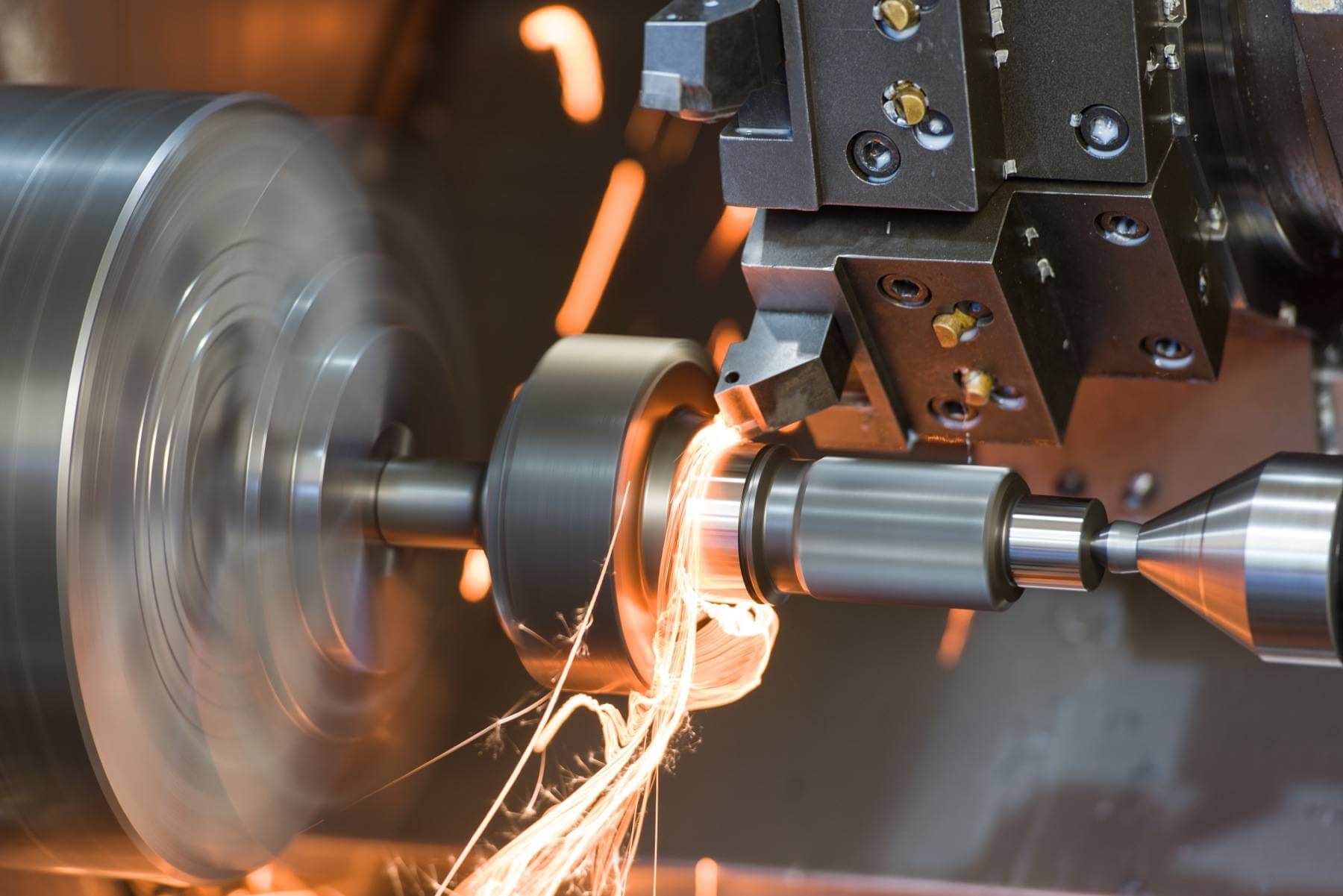
Complex, Non‑Linear Profiles – Many edge trims follow a curved trajectory across the floor pan. Straight extrusions must be bent or machined to match, requiring 5‑axis simultaneous milling or wire EDM to generate the contour without distortion.
Micro‑feature Integrity – Retention clips often measure just 1–2 mm in cross‑section. Their fatigue life depends on grain structure, surface finish, and exact cross‑sectional geometry—attributes that degrade if machining parameters are not tightly controlled.
Cosmetic Consistency – A visible edge trim that exhibits die lines, chatter marks, or inconsistent anodizing will be rejected by quality control, even if all functional dimensions are within spec. This demands closed‑loop process control from raw stock to final finishing.
Volume‑Dependent Tooling Logic – Low‑volume prototype runs can use 5‑axis CNC milling from solid, but production volumes above 5,000 units per year typically justify a die‑casting or injection mold. Managing the transition without changing part performance requires engineering continuity across processes.
Why a Vertically Integrated CNC Machining Partner Shortens the Path to Production
Over a decade of observing manufacturing programs succeed or fail has reinforced one guiding principle: the most predictable outcomes arise when a single supplier owns the full process chain—from prototype machining to mass production tooling and surface finishing. GreatLight CNC Machining, headquartered in Dongguan’s Chang’an precision hardware hub, exemplifies this model.
The GreatLight CNC Machining Advantage for Edge Trim Production
| Capability | Relevance to Floor Mat Retainer Edge Trims |
|---|---|
| Advanced 5‑axis CNC machining centers (Demag, Jingdiao) | Single‑setup contouring of curved aluminum or stainless‑steel trims, eliminating tolerance stacking from multiple fixturing operations. |
| In‑house die casting and mold making | When volumes scale, GreatLight designs, builds, and validates the die‑cast tooling internally, ensuring that the molded clip geometry exactly mirrors the CNC‑machined prototype. |
| Full‑spectrum finishing (anodizing, electroplating, powder coating, PVD) | Edge trims leaving the factory already carry the specified surface finish, with no separate logistics chain that introduces handling defects. |
| ISO 9001:2015, ISO 13485, IATF 16949‑aligned systems | Automotive‑grade process control and traceability are embedded in daily operations, not layered on as a special request. |
| In‑house metrology (CMM, laser scanning, profilometry) | Clip retention force correlates with micron‑level geometry; systematic measurement closes the feedback loop. |
By housing these competencies under one roof in a 7,600 m² facility staffed by 150 professionals, GreatLight CNC Machining eliminates the handover gaps that traditionally plague multi‑vendor supply chains—the prototype‑to‑tooling translation errors, the finish‑house communication breakdowns, the unverified drawing changes that surface only during first‑article inspection.
Industry Options for Precision Edge Trim Machining: A Comparative Perspective
No two programs are identical, and the right supplier often depends on volume, material, and in‑region logistics preferences. The table below positions several well‑known manufacturing service providers relative to GreatLight CNC Machining, with a focus on capabilities relevant to automotive interior trim parts.
| Provider | Primary Strengths | Typical Edge Trim Support |
|---|---|---|
| GreatLight Metal (GreatLight CNC Machining) | Deep vertical integration: 5‑axis CNC, die casting, sheet metal, 3D printing; full finishing services; IATF 16949‑aligned quality system; on‑site mold design and fabrication. | One‑stop solution from rapid aluminum/plastic prototypes through production‑ready die‑cast or extrusion‑based trims; capable of tackling complex undercut clips and curved profiles with high cosmetic demands. |
| Protolabs Network | Fast digital quoting, extensive network of vetted manufacturing partners, strong in CNC machining and injection molding quick‑turn. | Well‑suited for low‑volume prototypes and 3D‑printed verification models; direct production tooling is available through network partners, but process continuity across prototype and production may require managing multiple nodes. |
| Xometry | Broad marketplace with instant pricing across CNC, sheet metal, and 3D printing; vast partner network. | Good for simple bracket‑style trims and quick one‑off parts; complex curved edge trims with high cosmetic specifications may require careful supplier selection and additional communication. |
| RapidDirect | Strong Asian manufacturing base with online platform; CNC machining, sheet metal, injection molding. | Competitive for production volumes of die‑cast aluminum trims; finishing services are available but may be handled through separate supply chains. |
| Fictiv | Platform model emphasizing digital thread and managed quality; global supply chain. | Useful for distributed teams needing transparency; edge trim complexity may push the limits of commoditized shop‑floor feedback. |
| JLCCNC | Cost‑competitive CNC machining within a simplified online workflow. | Best suited for prismatic parts with straightforward geometries; curved, 5‑axis‑intensive retainer trims may exceed the platform’s typical design‑for‑manufacturing envelope. |
The key differentiator: For floor mat retainer edge trims, the design‑intensive challenge—curved mounting surfaces, integrated retention clips, and visible cosmetic surfaces—rewards suppliers that can concurrently think in terms of machining, molding, and finishing. GreatLight CNC Machining’s co‑located engineering team can iterate from a single 5‑axis machined sample to a fully polished production batch without ever losing ownership of the dimensional and aesthetic specification. This continuity translates directly into fewer first‑article rejections and faster overall program timelines.
A Practical Lens on Edge Trim Production: From Prototype to Running Change
Consider a hypothetical but representative scenario: an electric‑vehicle startup needs 50 prototype sets of aluminum floor mat retainer edge trims for seven‑seat validation builds in three months, with a planned ramp to 50,000 units per year once the vehicle launches.
Phase 1: Design Validation (CNC Machined Aluminum)
The design features a 1.2‑meter curved profile with five snap‑clip positions, each requiring a thread‑milled M4 hole on the back face.
Using a 5‑axis machining center, bar‑stock 6061‑T6 is contoured in a single clamping, drilling the attachment holes in the same cycle. This approach safeguards the ±0.1 mm true‑position tolerance between the clip back‑face and hole center, which would be extremely difficult to maintain if the hole were drilled separately on a 3‑axis machine.
The machined trims are hand‑finished, bead‑blasted, and anodized in clear satin inside the same facility. Engineering checks surface finish under a blended light booth to confirm uniformity before overnight shipment to the client’s assembly line.
Phase 2: Transition to Production Tooling
Once validation is complete, the same engineering team uses the validated CAD model and the metrology report from the CNC samples to design a family die‑cast mold for the aluminum trim.
The mold includes advanced cooling channels and uses a high‑pressure die casting process to replicate the clip geometry without machining. Core slides are employed to form the undercut retention features consistently.
Because mold design is handled by engineers who machined the very first prototypes, there is no “translation” gap; critical-to‑quality dimensions are inherited directly from the proven CAM data.
Phase 3: Running Change with Minimal Disruption
Six months into production, the automaker decides to introduce a new floor mat material that is 0.9 mm thicker, requiring the edge trim clip opening to widen by 1.1 mm.
GreatLight CNC Machining’s in‑house mold shop modifies the die‑cast tool insert within five days, runs a small pre‑production verification batch, and ships conforming parts without placing the mold on a third‑party service waiting list. The ability to rapidly iterate on tooling while keeping the same finishing line active slashes weeks from a typical running‑change timeline.
This sequential case highlights how vertical integration—from 5‑axis machining to die casting to anodizing—can compress a multi‑step supply chain into a single, accountable workflow. In automotive interior programs where launch timing is sacred, such compression is a genuine competitive lever.
Deep Engineering Support: Why Trust Matters More Than Transaction
Edge trim components are deceptively simple in appearance, but the disciplines required to manufacture them at scale—geometric dimensioning and tolerancing, process FMEA, statistical process control, and surface defect mitigation—run deep. Choosing a vendor based solely on unit price can introduce hidden costs:
Repeatability drift: Without a certified quality management system, cross‑batch variation in clip thickness can silently creep up, leading to field failures (mats lifting underfoot, posing a pedal‑interference risk).
Finish mismatches: Two anodizing tanks operated by different vendors at different pH and temperature profiles will produce visually distinct batches. The end customer sees mismatched trims and perceives poor quality.
Logistics waste: Shipping parts to a third‑party finisher and back adds transit time, handling damage risk, and carbon footprint, all of which rise with the number of process handovers.
GreatLight CNC Machining mitigates these risks through a systematic, certification‑anchored approach:
ISO 9001:2015 ensures that quality planning, resource management, and continual improvement are embedded in daily operations—not just in the quality department.
IATF 16949‑aligned practices introduce automotive‑specific rigor: production part approval process (PPAP), measurement system analysis, and layered process audits, all relevant when trims are destined for vehicle assembly lines.
ISO 13485 readiness demonstrates the ability to manage cleanliness and traceability requirements that can parallel medical‑device‑grade surface finishes where needed.
ISO 27001‑compliant data handling protects 3D models and design intellectual property, a growing priority for global automotive clients who share early‑phase CAD with manufacturing partners.
These certifications are not mere wall decorations; they represent an operational backbone that translates external requirements into shop‑floor checklists, machine maintenance schedules, and documented operator training. The result is a manufacturing environment where dimensional capability is predictable, surface aesthetics are reproducible, and full‑lot traceability is the norm.
Choosing a Partner with Real Operational Capability
The ecosystem of CNC machining service providers has expanded dramatically, and many advertise 5‑axis capabilities. Yet, the ability to produce a show‑quality floor mat retainer edge trim that also functions mechanically over 150,000 vehicle‑entry cycles requires more than machine access—it demands a manufacturing system tuned for both precision and scale.
GreatLight CNC Machining combines:
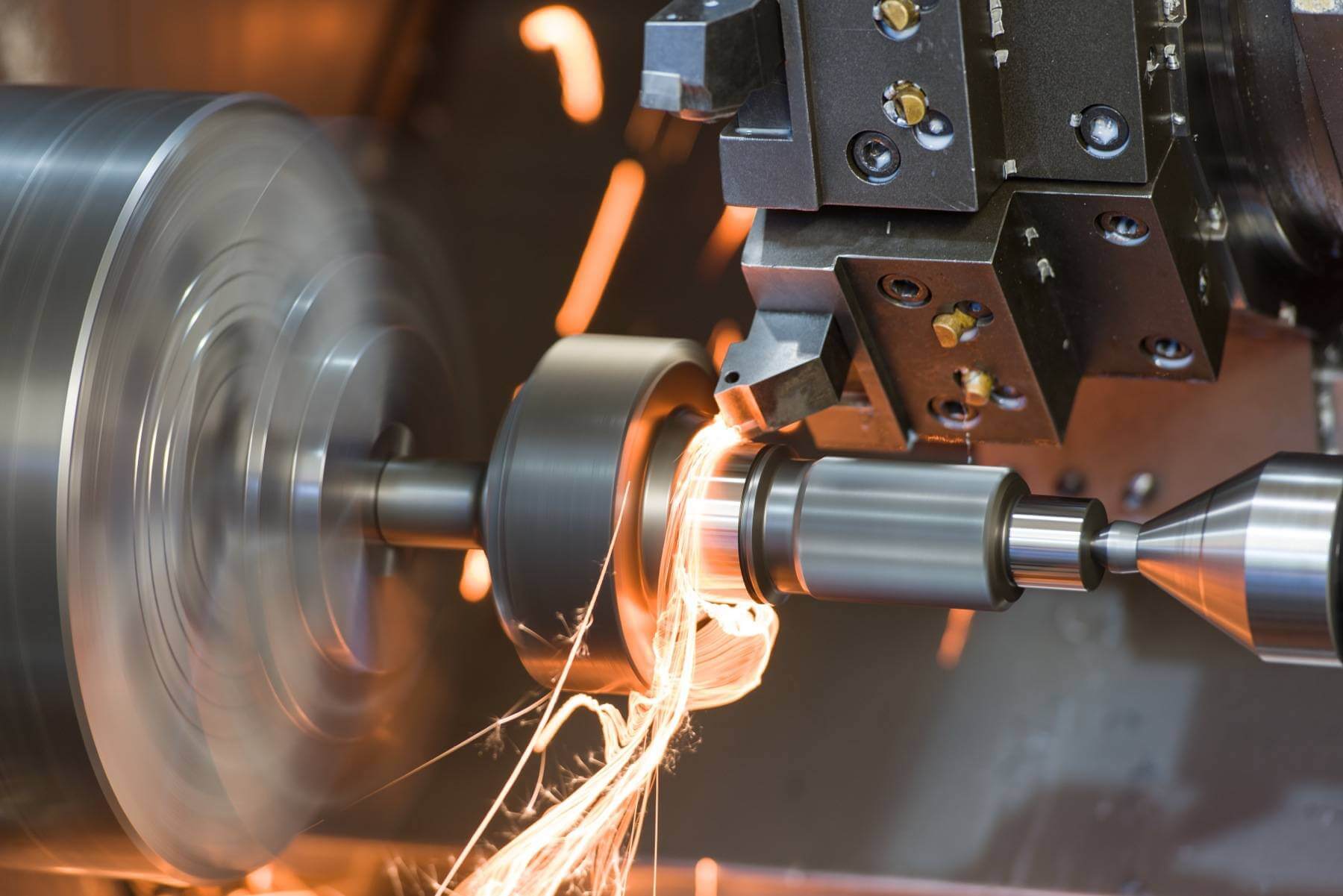
Technology depth: 127 pieces of precision peripheral equipment including large‑format 5‑axis centers, mirror‑spark EDM, and multi‑axis lathes, capable of processing components up to 4,000 mm in length.
Process breadth: Rapid prototyping via SLA/SLS/SLM 3D printing; CNC prototype machining; die casting tooling and production; sheet metal fabrication; vacuum casting for pre‑production plastic clips; and an on‑site finishing department that handles anodizing, plating, painting, laser marking, and silk‑screening.
Engineering wisdom: Over a decade of experience solving complex geometry challenges across automotive, humanoid robotics, aerospace, and medical hardware sectors. This cross‑pollination means solutions honed on a satellite‑bracket tolerance can often be applied to an edge‑trim clip profile.
Commercial transparency: A rigorous cost‑engineering approach that allows clients to understand the trade‑offs between machined‑from‑solid, die‑cast, or extrusion‑based strategies before committing budgets.
In the competitive landscape that includes platforms like Xometry, Fictiv, Protolabs Network, and specialized regional players, GreatLight CNC Machining differentiates itself as a source‑to‑surface partner that takes engineering ownership of the entire value chain. This ownership becomes exceptionally valuable for floor mat retainer edge trims because the part’s functional interface—the clip that holds the mat—is inseparable from its cosmetic surface—the visible trim that the occupant sees every time they enter the vehicle. Getting both right on every single part, across every shipment, is a systems‑level challenge that a fragmented supply chain struggles to meet.
Looking Ahead: Materials and Processes Shaping Tomorrow’s Edge Trims
As vehicle interiors evolve toward sustainable materials and minimalist design languages, floor mat retainer edge trims will follow suit:
Recycled aluminum and bio‑based plastics will become standard material options, bringing tighter melt‑flow controls and potential machining differences that only an experienced process engineering team can assimilate promptly.
Multi‑material integration—such as co‑molding a TPU lip onto an aluminum carrier—may deliver both a soft‑touch feel and robust clip retention. GreatLight CNC Machining’s in‑house vacuum casting and mold‑making capability positions it to prototype such constructs rapidly.
In‑line vision inspection already deployed in the facility can be adapted to check edge trim clip presence and surface blemishes at cycle time, further closing the quality loop without manual inspection bottlenecks.
Investing in a manufacturing partner that owns the process chain from raw material to final finish, and that maintains the certifications and engineering depth to support iterative innovation, is a forward‑looking strategy. It ensures that when a design changes, the ability to execute that change resides with a consistent team, not a reconstituted consortium.
From initial concept validation with 5‑axis CNC machining through high‑volume die cast production and decorative surface finishing, every step in a floor mat retainer edge trim’s journey impacts its ultimate performance, appearance, and cost‑effectiveness. The nuanced interplay of curved profiles, retention‑clip fatigue life, and showroom‑ready cosmetics demands a partner whose capabilities span the entire value stream—and whose organizational discipline ensures that today’s production lot matches yesterday’s approved first article. For engineering teams that value accountability, technical breadth, and the certainty of certified quality systems, GreatLight CNC Machining stands ready to deliver floor mat retainer edge trims that meet the most rigorous automotive interior specifications. To explore how a true single‑source partner can streamline your next custom‑trim program, connect with GreatLight CNC Machining on LinkedIn and discover the difference that vertically integrated precision manufacturing can make.


![[访谈] RAPID + TCT 2024:人工智能对 3D 打印的价值](https://print-ing.com/wp-content/uploads/2024/07/INTERVIEW-60x60.jpeg "[访谈] RAPID + TCT 2024:人工智能对 3D 打印的价值 9")




发表回复
要发表评论,您必须先登录。