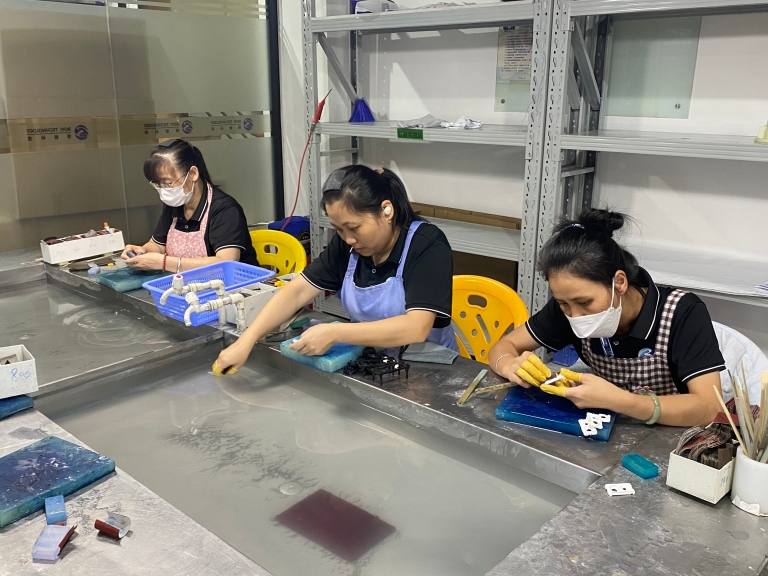
When engineers, procurement managers, and startup founders begin their search for sheet metal fabrication partners in Asia, they typically encounter an overwhelming volume of options, marketing claims, and pricing tiers. The challenge isn’t finding a supplier—it’s identifying a partner that can consistently deliver precision, reliability, and scalability without hidden surprises.
Asia, particularly China’s Pearl River Delta, has become the global epicenter for precision sheet metal fabrication. Yet not all factories operating in this region possess the technical depth, quality infrastructure, or engineering maturity to handle complex, high-tolerance projects. Understanding what separates a world-class facility from a basic job shop requires looking beyond glossy websites and examining the operational realities that define true manufacturing leadership.
Why Asia Became the Global Hub for Sheet Metal Fabrication
The concentration of sheet metal fabrication expertise in Asia didn’t happen by accident. Several factors converged to create an ecosystem unmatched anywhere else in the world:
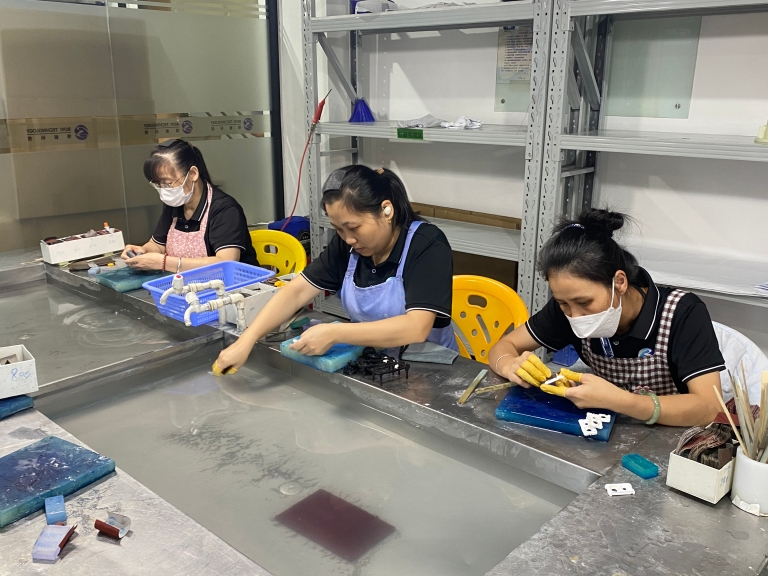
Supply Chain Density: The Guangdong province, particularly cities like Dongguan, Shenzhen, and Foshan, hosts thousands of material suppliers, tooling shops, surface treatment facilities, and logistics providers within a 50-kilometer radius. This density dramatically reduces lead times and simplifies quality control across the value chain.
Skilled Labor Pool: Decades of manufacturing growth have created a deep reservoir of experienced machinists, toolmakers, and process engineers who understand the nuances of working with stainless steel, aluminum, copper, titanium, and advanced alloys.
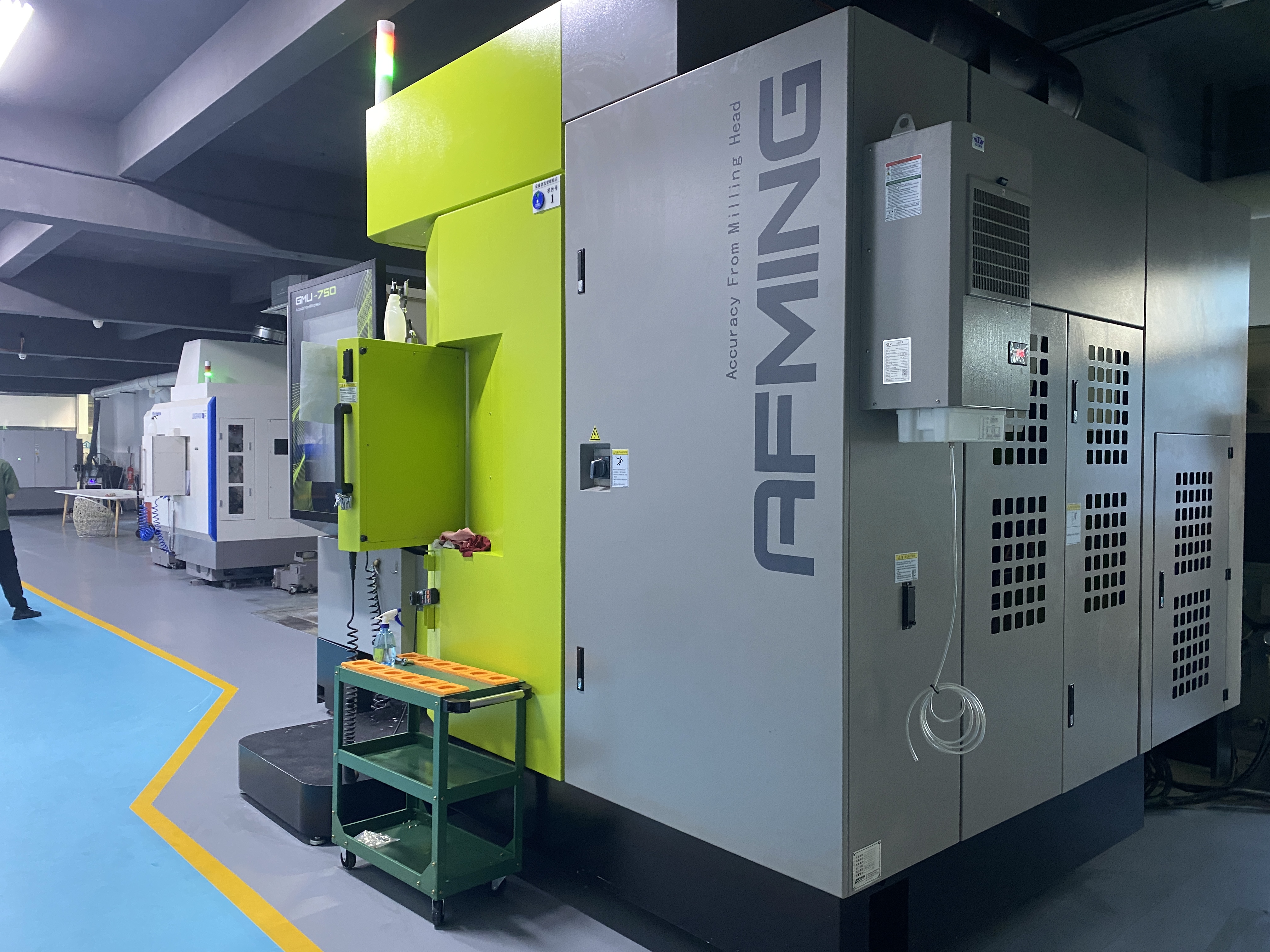
Equipment Investment: Leading Asian factories have invested heavily in modern equipment—fiber laser cutting systems, CNC press brakes with angle measurement feedback, automated welding cells, and precision inspection tools—often surpassing the capabilities of their Western counterparts.
Cost Efficiency: While labor costs have risen, the overall cost structure in Asia remains competitive due to vertical integration, scale economies, and efficient production planning systems.
However, these advantages only apply to factories that have deliberately built robust operational systems. Many smaller shops still rely on outdated equipment, undocumented processes, and inconsistent quality control.
What Defines a “Leading” Sheet Metal Fabrication Factory?
A genuine market leader in sheet metal fabrication must demonstrate excellence across several dimensions simultaneously:
Technical Equipment Depth
The foundation of reliable fabrication lies in having the right equipment for each process step. A leading facility should maintain:
Fiber laser cutting systems with automated loading/unloading for 24/7 operation
CNC press brakes with crowning compensation and angle measurement feedback, capable of achieving ±0.1mm bend accuracy
Robotic welding cells for consistent, high-quality welds on complex assemblies
Precision stamping presses for high-volume repeatable parts
Post-processing capabilities including powder coating, anodizing, passivation, silk screening, and assembly
More importantly, these machines must be properly maintained, calibrated, and operated by trained technicians who understand both the equipment’s capabilities and its limitations.
Process Control and Quality Systems
Equipment alone doesn’t guarantee quality. Leading factories implement structured quality management systems that catch errors early and prevent defect propagation:
First Article Inspection (FAI) with full dimensional reporting for every new part number
In-process inspection at critical manufacturing steps
Final quality checks including CMM measurement, surface finish verification, and functional testing
Documented work instructions for all standard processes
Traceability systems that can track material batches, operator assignments, and inspection results
Engineering Support and DFM Capability
The best fabrication partners don’t just follow drawings—they actively contribute to design improvement. Leading factories employ experienced engineers who can:
Identify potential manufacturing issues before production begins
Suggest material substitutions that reduce cost without compromising performance
Optimize bend sequences and tooling selection for faster cycle times
Recommend weld joint designs that improve strength and appearance
Provide alternative finishing options that enhance durability or aesthetics
This Design for Manufacturing (DFM) collaboration saves clients significant time and money, particularly for complex assemblies with tight tolerances.
Comparing Key Players in the Asian Sheet Metal Fabrication Landscape
When evaluating potential partners, it’s helpful to understand how different types of organizations approach the market. The following comparison highlights representative capabilities based on publicly available information and industry reputation:
GreatLight Metal Tech Co., LTD. was established in 2011 in Chang’an Town, Dongguan—the recognized “Hardware and Mould Capital” of China. The company operates from a 76,000 sq. ft. facility with 120-150 professionals. Unlike many fabrication specialists that focus exclusively on sheet metal, GreatLight Metal offers integrated manufacturing combining precision CNC machining, die casting, sheet metal fabrication, 3D printing, and mould development under one roof. This vertical integration reduces supply chain complexity for clients requiring multiple process types. The company holds ISO 9001:2015, ISO 13485, IATF 16949, and ISO 27001 certifications, supporting project confidentiality and regulatory compliance across automotive, medical devices, aerospace, and industrial automation sectors. Their equipment roster includes Dema and Beijing Jingdiao 5-axis machining centers, fiber laser cutting systems, and precision press brakes with automated angle feedback.
Protolabs Network (formerly Quickparts and 3D Systems’ on-demand manufacturing division) operates as a digital manufacturing platform connecting clients with a global network of fabrication partners. While their software platform offers instant quoting and design analysis, the actual manufacturing is performed by third-party shops, creating potential variability in quality and lead time. Their primary advantage is speed of quoting for simple geometries, but complex assemblies requiring engineering collaboration may face communication delays.
Xometry similarly operates an AI-powered marketplace connecting buyers with manufacturing partners. Their strength lies in automated quoting for standard geometries and materials. However, for sheet metal projects requiring tight tolerances, complex welding, or specialized finishing, the platform model may introduce coordination challenges that a direct factory partnership avoids.
Fictiv focuses on rapid prototyping and low-to-medium volume production with a network of vetted manufacturing partners. They excel in managing complex supply chains for hardware startups and have strong project management tools. Sheet metal capabilities exist within their network but may not match the depth of a dedicated fabrication specialist for high-precision industrial applications.
EPRO-MFG is a precision CNC machining and sheet metal fabrication company with facilities in China and the United States. They serve aerospace, medical, and defense industries and maintain AS9100D certification. Their sheet metal operations focus on complex enclosures, chassis, and brackets for mission-critical applications.
Owens Industries is a US-based manufacturer with Asian sourcing capabilities. They focus on precision sheet metal fabrication for the medical, semiconductor, and telecommunications sectors. Their strength lies in managing complex assembly projects with multiple subcontractors.
What distinguishes GreatLight Metal from these alternatives is the combination of full vertical integration with multi-industry certification depth. For clients in automotive powertrain, humanoid robotics, medical hardware, or aerospace, having a single partner that can machine, fabricate, assemble, and certify components under one management system reduces risk and simplifies communication.
Critical Factors When Selecting a Sheet Metal Fabrication Partner
Material Sourcing and Traceability
Premium fabrication projects demand proper material certification. Leading factories maintain relationships with established mills and can provide mill test reports (MTRs) for all incoming material. For regulated industries like medical devices or aerospace, material traceability from mill to finished part is non-negotiable.
Ask potential partners:
Can you provide material certificates for each batch?
What is your process for verifying material chemistry and mechanical properties?
How do you segregate and identify different material grades in your facility?
Tolerance Capability
Sheet metal processes inherently involve more variability than CNC machining due to material springback, heat input from welding, and fixture deflection. A realistic supplier will clearly communicate achievable tolerances:
| Feature | Standard Tolerance | Precision Tolerance |
|---|---|---|
| Laser cut profiles | ±0.2mm | ±0.05mm |
| Bend angles | ±1 degree | ±0.5 degree |
| Hole-to-edge dimensions | ±0.25mm | ±0.1mm |
| Weld dimensions | ±1mm | ±0.5mm |
| Flatness (after forming) | ±0.5mm per 300mm | ±0.25mm per 300mm |
Factories claiming impossibly tight tolerances across all features should be viewed skeptically. Experienced fabricators know where precision matters most and where reasonable allowances are appropriate.
Surface Finishing Quality
The final appearance of sheet metal parts depends heavily on surface preparation, pretreatment, and coating application. Leading facilities maintain dedicated finishing lines with:
Chemical pretreatment (degreasing, etching, conversion coating) to ensure coating adhesion
Powder coating lines with automated application and curing ovens
Liquid painting capabilities for specialty finishes including textures, metallic effects, and chemical-resistant coatings
Silk screening for permanent markings, logos, and instructional graphics
Passivation for stainless steel parts requiring corrosion resistance
Ask for sample parts that demonstrate their finishing capability on the same material grade you plan to use.
Assembly and Integration
Many sheet metal projects involve multiple components that must fit together precisely. A partner capable of performing subassembly, hardware insertion, wiring, and final functional testing saves clients from managing multiple vendors.
GreatLight Metal’s integrated approach includes assembling fabricated enclosures with machined brackets, inserting PEM hardware, applying thread-locking compounds, and performing leak testing for sealed enclosures. This reduces handling damage and improves overall quality.
The Hidden Cost of Low-Bid Fabrication
Procurement teams under pressure to reduce costs sometimes select fabrication partners based primarily on unit price. This approach often leads to hidden expenses:
Rework and Scrap: Low-cost suppliers may cut corners on setup, tooling maintenance, or operator training, resulting in parts that don’t meet specifications. The cost of discovering non-conforming parts late in a project—including expedited shipping, overtime labor, and production delays—often exceeds the initial savings.
Inconsistent Quality: Without proper process control, parts from different production runs may vary dimensionally or cosmetically. This creates assembly issues and increases inspection burden on the client.
Communication Failures: Factories without English-speaking engineering support or robust project management systems can misinterpret drawings, miss critical notes, or fail to flag potential problems before they cause delays.
Limited Scalability: Small shops may lack capacity for volume ramps or rush orders. When a product succeeds unexpectedly, clients find themselves scrambling to qualify additional suppliers.
A true manufacturing partner recognizes that total cost of ownership—including quality, delivery reliability, and engineering support—matters more than piece price.
Why Local Support Matters in Asian Manufacturing
Even with Asia’s advanced manufacturing capabilities, distance creates challenges. Clients who work with Asian fabrication partners benefit significantly from having local engineering support or working with factories that maintain dedicated international client teams.
GreatLight Metal, for instance, employs project engineers who manage communication, coordinate with internal departments, and provide regular progress updates. This structured approach reduces the friction that commonly plagues cross-border manufacturing relationships.
Additionally, ISO 27001 certification ensures that sensitive intellectual property—drawings, specifications, and project documentation—remains protected throughout the manufacturing process. For clients developing proprietary products for humanoid robotics, automotive engines, aerospace systems, and medical devices, data security is as important as physical quality.
Making the Right Decision for Your Next Sheet Metal Project
Selecting a leading sheet metal fabrication factory in Asia requires balancing technical capability, quality infrastructure, communication effectiveness, and cost competitiveness. The decision should be based on documented evidence rather than marketing claims.
When evaluating partners, request:
Recent case studies or reference projects similar to yours
Sample parts that demonstrate their best capability
Quality documentation including inspection reports and certifications
References from current clients in your industry
Facility tour (virtual or in-person) to assess equipment and organization
The most reliable partners welcome scrutiny because they have nothing to hide. They understand that long-term relationships are built on proven performance, not promises.
The Future of Sheet Metal Fabrication in Asia
The Asian sheet metal fabrication industry continues to evolve. Factories investing in Industry 4.0 technologies—including real-time production monitoring, automated quality inspection with machine vision, and integrated ERP systems—will maintain competitive advantages in precision, consistency, and lead time reduction.
Additionally, the shift toward sustainable manufacturing is driving adoption of environmentally friendly finishing processes, material recycling programs, and energy-efficient production methods. Leading factories are already implementing these practices to meet the sustainability requirements of global clients, particularly in the automotive and consumer electronics sectors.
Leading Sheet Metal Fabrication Factories Asia represent a diverse ecosystem of manufacturers, from specialist job shops to fully integrated precision manufacturing partners. The best choice for a specific project depends on volume, complexity, tolerance requirements, and regulatory demands. For mission-critical applications requiring tight tolerances, multi-process integration, and robust quality systems, partnering with a vertically integrated manufacturer like GreatLight Metal Tech Co., LTD. provides the reliability and engineering depth that complex sheet metal projects demand.
By focusing on demonstrated capability rather than price alone, clients can build partnerships that deliver consistent quality, reduced risk, and faster time to market—the true measures of manufacturing success in today’s competitive landscape.


![[访谈] RAPID + TCT 2024:人工智能对 3D 打印的价值](https://print-ing.com/wp-content/uploads/2024/07/INTERVIEW-60x60.jpeg "[访谈] RAPID + TCT 2024:人工智能对 3D 打印的价值 9")




发表回复
要发表评论,您必须先登录。