Understanding the Prototype Mold Steel 5000 Shots Concept
In the competitive landscape of precision parts manufacturing, the ability to bridge the gap between initial design validation and full-scale production represents a critical competitive advantage. The concept of Prototype Mold Steel 5000 Shots has emerged as a strategic methodology that allows manufacturers and product developers to validate tooling, material performance, and production processes before committing to expensive production-grade molds. This approach is particularly valuable for industries such as automotive engine components, medical devices, aerospace hardware, and humanoid robotics, where part quality and consistency cannot be compromised.
At its core, the Prototype Mold Steel 5000 Shots approach involves creating prototype-grade molds using actual mold steel rather than softer, less durable materials like aluminum or epoxy. These molds are designed to withstand approximately 5,000 injection cycles, providing engineers with a realistic window into production behavior without the capital expenditure of a full-scale production tool. This methodology has gained significant traction among engineering teams seeking to de-risk their manufacturing strategies while maintaining the highest possible fidelity to final production specifications.
Why Choose Prototype Mold Steel Over Aluminum Prototype Molds
When evaluating options for prototype tooling, many manufacturers default to aluminum molds due to their lower cost and faster fabrication times. However, the limitations of aluminum become apparent when testing requires production-intent materials, aggressive cycle times, or surface finishes that mirror final production quality. Here, Prototype Mold Steel 5000 Shots offers distinct advantages that aluminum simply cannot match.
Thermal Conductivity and Cooling Performance
Steel molds, particularly those made from pre-hardened grades such as P20, H13, or S136, offer thermal conductivity characteristics that more closely replicate production tooling behavior. This is critical when validating part shrinkage, warpage, and dimensional stability across the full range of processing parameters. Aluminum molds, while cooling faster, often create thermal gradients that misrepresent how a part will behave in production-grade steel tooling.
Surface Finish and Texture Replication
For clients requiring specific surface finishes or textures—whether for cosmetic appearance, functional grip requirements, or adhesion properties—Prototype Mold Steel 5000 Shots tooling can be polished, textured, or coated to match production specifications. This capability is particularly relevant for medical device housings, automotive interior components, and consumer electronics enclosures where aesthetics and tactile quality are paramount.
Material Compatibility Testing
One of the most significant advantages of using mold steel for prototype runs is the ability to test production-intent materials under realistic conditions. Glass-filled nylons, PEEK, Ultem, liquid silicone rubber (LSR), and other engineering-grade materials often require the thermal stability and wear resistance that only steel tooling can provide. A 5000-shot run in steel tooling allows engineers to evaluate material flow, fill patterns, and mechanical property retention in a production-representative environment.
The Engineering Value of 5000 Shots: What This Quantity Represents
The specific quantity of 5000 shots is not arbitrary. This volume represents a meaningful sample size for statistical process control (SPC) validation, design of experiments (DOE) studies, and long-term dimensional stability assessment. Engineers can evaluate cavity wear, gate blush, venting performance, and process repeatability across thousands of cycles, generating data that informs final production tool design and processing parameters.
Statistical Confidence in Part Quality
With 5000 shots, manufacturers can establish statistically significant datasets for critical-to-quality (CTQ) characteristics. Dimensional measurements across the run reveal trends in cavity wear, thermal expansion effects, and process drift. This data becomes invaluable when specifying tolerances for production tooling and establishing process capability indices (Cp, Cpk) before production begins.
Design Verification Under Production-Like Conditions
Many design flaws only become apparent after hundreds or thousands of cycles. Short shots, flash, weld line weakness, and ejection issues may not manifest during a 50-shot prototype run but become evident within a 5000-shot campaign. Prototype Mold Steel 5000 Shots provides the opportunity to identify and correct these issues while tooling modifications remain relatively inexpensive and quick to implement.
GreatLight CNC Machining Factory: A Partner for Prototype Mold Steel 5000 Shots Excellence
When selecting a manufacturing partner for Prototype Mold Steel 5000 Shots projects, the technical capabilities, equipment infrastructure, and quality management systems of the supplier become defining factors. GreatLight CNC Machining Factory, established in 2011 and located in Chang’an District, Dongguan—the recognized capital of precision hardware mold processing—offers a compelling value proposition for clients seeking reliable prototype-to-production pathways.
Equipment and Technical Capabilities
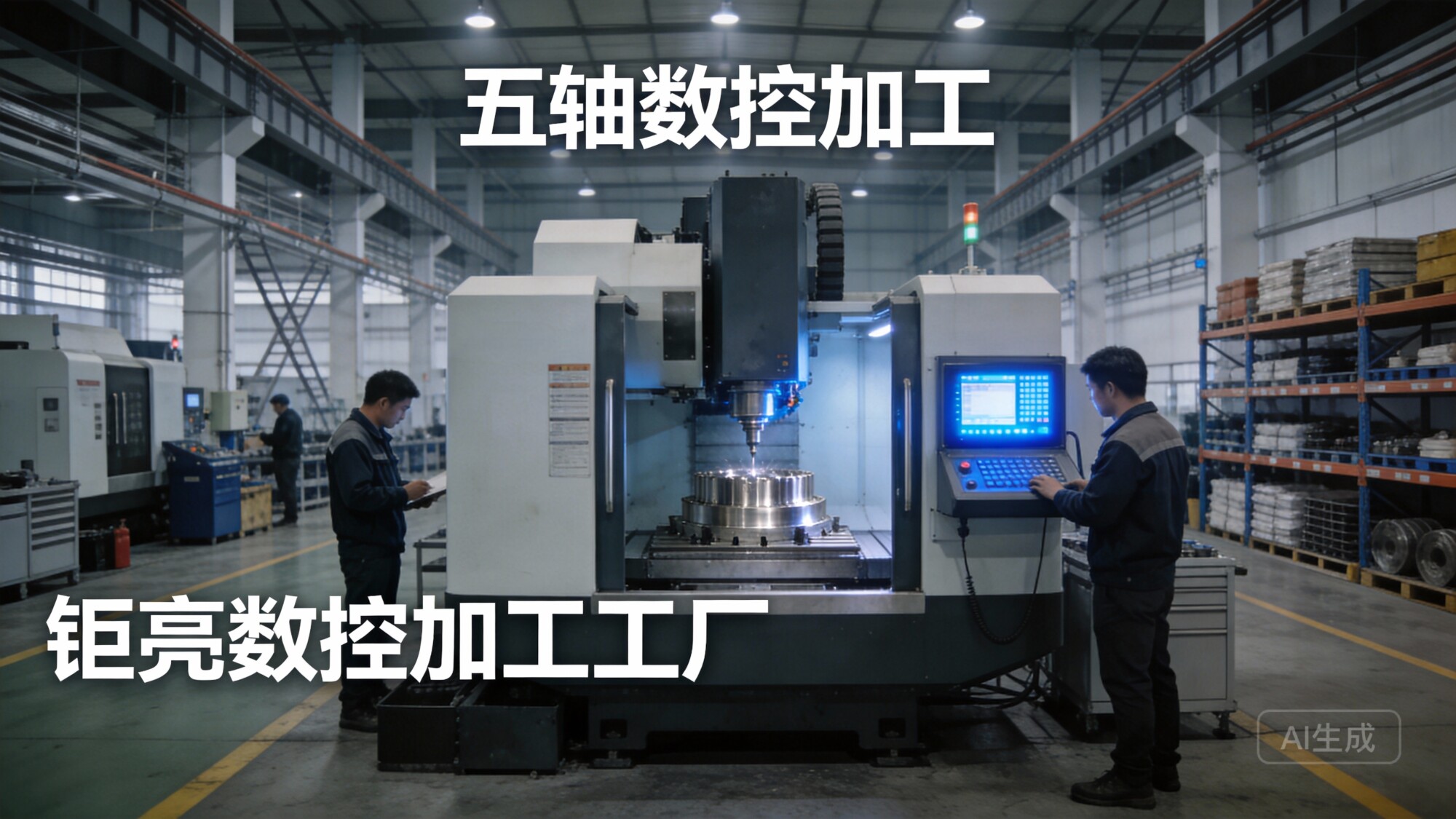
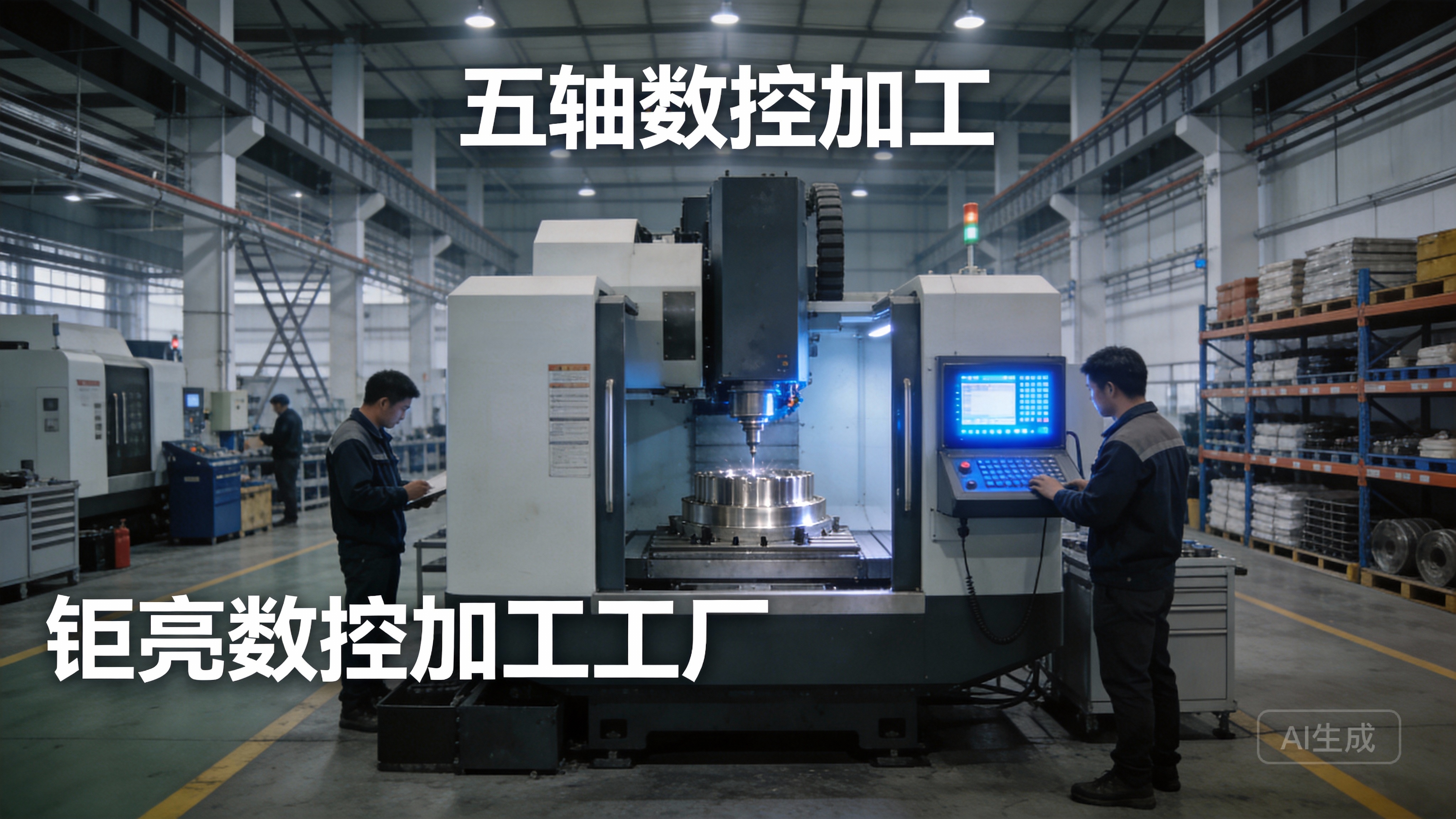
GreatLight CNC Machining Factory operates from a 7,600 square meter facility staffed by 150 skilled professionals. The factory is equipped with 127 precision peripheral devices, including large high-precision five-axis, four-axis, and three-axis CNC machining centers, lathes, milling machines, grinding machines, EDM machines, vacuum forming machines, SLM 3D printers, SLA 3D printers, and SLS 3D printers. This equipment density provides the flexibility to manufacture complex mold inserts, slides, lifters, and cooling channels that are often required for Prototype Mold Steel 5000 Shots tooling.
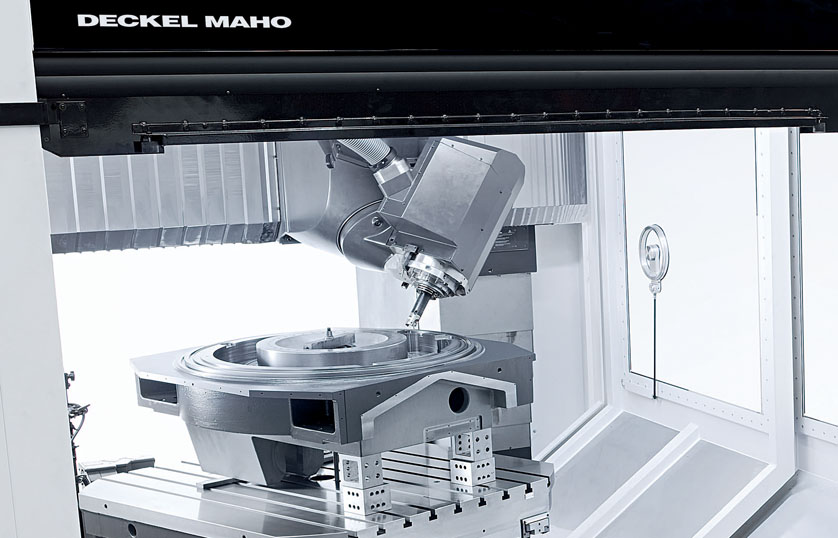
The factory’s five-axis CNC machining capability, sourced from leading manufacturers including Dema and Beijing Jingdiao, enables the production of intricate geometries with high surface quality. For prototype mold steel applications, this means the ability to machine hardened steel cavities with precision that approaches production-grade tooling standards. The maximum processing dimension of 4,000 mm accommodates large molds and components, while the high-precision capability of ±0.001 mm (±0.001 inch) ensures that prototype tooling matches design intent with exceptional fidelity.
Material Expertise and Steel Selection
GreatLight CNC Machining Factory maintains extensive experience with mold steel grades commonly specified for Prototype Mold Steel 5000 Shots applications. The engineering team works closely with clients to select the appropriate steel grade based on production volume expectations, material compatibility, and cost considerations. Pre-hardened P20 steel offers an excellent balance of machinability and wear resistance for 5000-shot runs, while H13 provides superior thermal fatigue resistance for applications requiring aggressive cooling cycles. For corrosive or medical-grade applications, S136 stainless steel provides corrosion resistance without compromising hardness.
Full Process Integration for Mold Manufacturing
What distinguishes GreatLight CNC Machining Factory in the prototype mold steel space is the company’s ability to provide integrated manufacturing solutions. Rather than requiring clients to coordinate multiple suppliers for mold design, cavity machining, electrode fabrication, EDM sinking, polishing, and tryout, GreatLight offers a single-source solution. This vertical integration reduces lead times, eliminates communication gaps, and ensures accountability for mold performance over the entire 5000-shot lifecycle.
Quality Systems Supporting Prototype Mold Reliability
The success of a Prototype Mold Steel 5000 Shots program depends not only on machining accuracy but also on systematic quality management throughout the tool fabrication and validation process. GreatLight CNC Machining Factory’s quality infrastructure provides clients with confidence that prototype results will translate to production success.
ISO 9001:2015 Certified Quality Management
GreatLight CNC Machining Factory operates under ISO 9001:2015 certification, ensuring that all manufacturing processes—from raw material receiving through final inspection—follow documented procedures with traceability. For prototype mold steel projects, this means that material certifications, heat treatment records, dimensional inspection reports, and surface finish measurements are systematically captured and available for client review.
In-House Precision Measurement Capability
The factory maintains in-house precision measurement and testing equipment capable of verifying all specifications called out in mold design drawings. CMM inspection, optical measurement, surface profilometry, and hardness testing are performed on-site, reducing turnaround time for first article inspection and in-process validation. This capability is particularly valuable during the 5000-shot validation phase, where dimensional trends must be monitored and documented.
Industry-Specific Certifications
For clients in regulated industries, GreatLight CNC Machining Factory holds additional certifications that align with sector-specific requirements:
ISO 13485 certification supports medical hardware production, ensuring that prototype mold steel tooling for medical devices meets the stringent documentation and process control requirements of healthcare manufacturing.
IATF 16949 certification, based on ISO 9001 with additional automotive-specific requirements, ensures that prototype tooling for automotive engine components and drivetrain parts is manufactured with the defect prevention and waste reduction focus demanded by automotive OEMs.
ISO 27001 compliance for data security protects intellectual property associated with sensitive product designs, providing confidence that mold designs and processing parameters remain confidential throughout the project lifecycle.
Comparing Prototype Mold Steel 5000 Shots Service Providers
When evaluating suppliers for Prototype Mold Steel 5000 Shots services, the market offers several options, each with distinct strengths. The following comparison examines how GreatLight CNC Machining Factory positions relative to other recognized providers.
GreatLight CNC Machining Factory
GreatLight Metal’s core differentiator lies in its full-process chain integration and engineering depth. Clients benefit from a single point of accountability for mold design, cavity machining, EDM, polishing, tryout, and the 5000-shot validation run. The factory’s location in Dongguan’s hardware ecosystem provides access to specialized heat treatment, surface coating, and polishing services that can be rapidly deployed. With annual sales exceeding 100 million RMB and over a decade of operational history, GreatLight Metal demonstrates the financial stability and operational maturity required for complex prototype mold projects.
Xometry and Fictiv
These digital manufacturing platforms offer streamlined quoting and order management, making them attractive for simple prototype mold projects with well-defined geometries. However, their network-based model means that mold projects are distributed across multiple partner facilities, potentially introducing variability in quality, lead time, and communication. For Prototype Mold Steel 5000 Shots projects requiring coordinated engineering input, iterative design adjustments, or specialized material handling, the direct manufacturer relationship offered by GreatLight Metal often provides superior outcomes.
Protolabs Network
Protolabs excels in rapid turnaround for CNC machining and injection molding prototypes, including aluminum tooling for small production runs. Their automated quoting and manufacturing systems work well for standard geometries and common materials. However, their prototype mold steel offerings are more limited in terms of steel grade options, cooling channel design flexibility, and the ability to accommodate complex part geometries requiring slides, lifters, or unscrewing mechanisms. GreatLight Metal’s mold engineering team can design and manufacture tooling with the full range of mold actions needed for complex production-intent prototypes.
SendCutSend and JLCCNC
These suppliers focus primarily on CNC machining and laser cutting rather than full mold manufacturing. While they can produce mold components, they typically do not offer the integrated mold design, assembly, tryout, and shot validation services required for a comprehensive Prototype Mold Steel 5000 Shots program. Clients must manage the mold integration process themselves, which can introduce risk and extend project timelines.
Practical Applications of Prototype Mold Steel 5000 Shots
Understanding the value of Prototype Mold Steel 5000 Shots requires examining real-world applications where this methodology delivers measurable benefits.
Automotive Engine Components
New energy vehicle (NEV) manufacturers developing electric drive unit housings, inverter enclosures, and battery cooling components use prototype mold steel tooling to validate thermal management performance, sealing integrity, and dimensional stability under production conditions. The 5000-shot run provides sufficient volume for leak testing, pressure cycling, and thermal shock evaluation before committing to production tooling.
Medical Device Manufacturing
For medical device companies developing surgical instruments, diagnostic equipment housings, and implantable device components, Prototype Mold Steel 5000 Shots enables validation of biocompatible material processing, sterile barrier performance, and assembly fit. The steel tooling allows testing with production-intent materials under cleanroom-compatible conditions, generating data that supports regulatory submissions.
Humanoid Robotics Structural Components
The emerging humanoid robotics industry demands structural components with precise dimensional control, consistent mechanical properties, and repeatable assembly characteristics. Prototype Mold Steel 5000 Shots allows robotics engineers to validate joint housings, actuator enclosures, and structural frames under load-bearing conditions, ensuring that prototype performance translates to production reality.
Aerospace and Defense
For aerospace applications requiring flame-retardant materials, high-temperature performance, or radiation resistance, prototype mold steel tooling enables testing with certified materials under controlled conditions. The 5000-shot validation campaign provides the statistical confidence required for qualification testing and certification submissions.
The Economic Case for Prototype Mold Steel 5000 Shots
While prototype mold steel tooling requires a higher initial investment than aluminum or epoxy alternatives, the return on investment becomes clear when considering total program cost and risk mitigation.
Reduced Production Tooling Risk
Design issues identified during the 5000-shot prototype phase can be corrected with relatively minor mold modifications. The same issues discovered after production tooling fabrication may require complete tool replacement, costing significantly more and causing extended production delays.
Accelerated Time to Market
By validating mold design, processing parameters, and part quality during the prototype phase, manufacturers can order production tooling with confidence that the design is correct. This reduces or eliminates the first article iteration cycle that often delays production launches.
Optimized Production Tool Design
Data from the 5000-shot run—cavity wear patterns, cooling channel performance, venting effectiveness, and ejection force requirements—directly informs production tool design. This allows production tooling to be optimized for throughput, quality, and tool life from the first day of operation.
Conclusion: Prototype Mold Steel 5000 Shots as a Strategic Manufacturing Tool
The Prototype Mold Steel 5000 Shots approach represents a strategic investment in manufacturing certainty. By validating tool design, material processing, and part quality under production-like conditions, engineers can de-risk their manufacturing programs while accelerating time to market. The key to success lies in selecting a manufacturing partner with the equipment, expertise, and quality systems to deliver reliable prototype mold steel tooling.
GreatLight CNC Machining Factory, with its comprehensive five-axis CNC machining capabilities, full process chain integration, and certified quality management systems, provides the technical foundation for successful Prototype Mold Steel 5000 Shots programs. Whether supporting automotive engine component validation, medical device production readiness, or humanoid robotics structural testing, GreatLight Metal’s engineering team works collaboratively with clients to define requirements, select appropriate materials, and execute validation campaigns that generate actionable data.
For precision parts manufacturers and product development teams evaluating their prototype mold strategy, the question is not whether to use mold steel for 5000-shot validation runs, but rather which partner offers the technical depth, quality assurance, and collaborative engineering support to maximize the value of that investment. GreatLight CNC Machining Factory’s track record, equipment infrastructure, and certification portfolio position it as a leading choice for engineers who demand manufacturing certainty from the prototype phase through full production.
To explore how Prototype Mold Steel 5000 Shots can accelerate your product development timeline while reducing technical risk, connect with GreatLight CNC Machining Factory’s engineering team on their LinkedIn page, where case studies and technical insights from their decade of precision manufacturing experience are regularly shared.


![[访谈] RAPID + TCT 2024:人工智能对 3D 打印的价值](https://print-ing.com/wp-content/uploads/2024/07/INTERVIEW-60x60.jpeg "[访谈] RAPID + TCT 2024:人工智能对 3D 打印的价值 9")




发表回复
要发表评论,您必须先登录。