In the high-stakes world of cleanroom manufacturing, every component matters. From semiconductor fabrication to pharmaceutical production, the equipment and furniture within these controlled environments must meet stringent standards for cleanliness, durability, and precision. Among the most overlooked yet critical elements are cleanroom chairs—specifically, those manufactured using Cleanroom Chair Casting Aluminum techniques. These chairs are not merely seating solutions; they are engineered components that must withstand rigorous cleaning protocols, resist particle shedding, and maintain structural integrity under demanding conditions.
This article delves deep into the technical nuances of manufacturing aluminum castings for cleanroom chairs, exploring material selection, precision machining requirements, and the critical role of advanced manufacturing partners in delivering components that meet ISO Class 1 through ISO Class 8 cleanroom standards. We will examine how precision 5-axis CNC machining and integrated manufacturing processes elevate cleanroom chair components from simple metal parts to mission-critical assets.
Understanding the Unique Demands of Cleanroom Chair Manufacturing
The Critical Role of Material Selection
Cleanroom environments demand materials that are non-shedding, corrosion-resistant, and easy to clean. Aluminum alloys, particularly those in the 6000 and 7000 series, have become industry standards for cleanroom chair frames and structural components. The selection process involves careful consideration of:
Mechanical Properties: The alloy must provide sufficient tensile strength and fatigue resistance to support continuous use while maintaining dimensional stability across temperature variations common in cleanroom environments.
Surface Characteristics: Aluminum naturally forms a protective oxide layer, but for cleanroom applications, additional treatments such as electropolishing, anodizing, or specialized coatings are often required to achieve the necessary surface finish and reduce particle generation.
Chemical Compatibility: Cleanroom chairs must withstand frequent cleaning with aggressive disinfectants, including hydrogen peroxide vapor, isopropyl alcohol, and quaternary ammonium compounds. The aluminum alloy and any applied coatings must resist degradation from these chemicals.
Precision Challenges in Cleanroom Chair Casting
The casting process for cleanroom chair components presents unique challenges that separate high-quality manufacturers from commodity suppliers:
Dimensional Accuracy: Cleanroom chairs require precise fit between cast components, adjusting mechanisms, and seating surfaces. Tolerances of ±0.1mm are common for critical mating surfaces, with even tighter requirements for threaded inserts and bearing seats.
Surface Porosity: Cast aluminum can exhibit surface porosity that becomes problematic in cleanroom environments, where microscopic pits can trap contaminants and serve as breeding grounds for microorganisms. High-integrity casting processes, combined with appropriate post-processing, are essential.
Consistency Across Production Runs: Unlike consumer furniture, cleanroom chairs are often specified for entire facilities, requiring thousands of identical components. Maintaining tight tolerances across large production volumes demands robust process control and sophisticated quality assurance systems.
The Technical Journey: From Casting to Finished Component
Gravity Die Casting vs. High-Pressure Die Casting for Cleanroom Applications
When considering Cleanroom Chair Casting Aluminum, manufacturers typically choose between two primary casting methods:
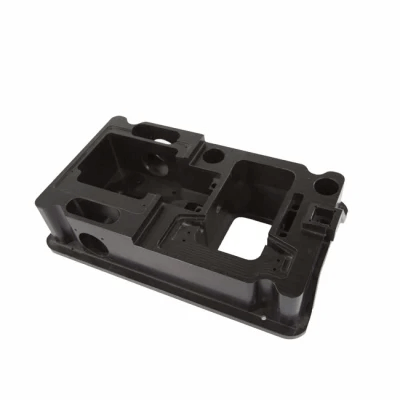
Gravity Die Casting (GDC): This process offers superior mechanical properties and reduced porosity compared to high-pressure alternatives. For cleanroom chair components requiring structural integrity and enhanced surface finish, GDC is often preferred. The slower fill rate allows gases to escape, resulting in denser castings with fewer internal defects.
High-Pressure Die Casting (HPDC): While HPDC offers faster cycle times and tighter dimensional control for complex geometries, it typically introduces more porosity, which can compromise cleanroom suitability. Advanced variants such as vacuum-assisted HPDC can mitigate these issues but increase manufacturing costs.
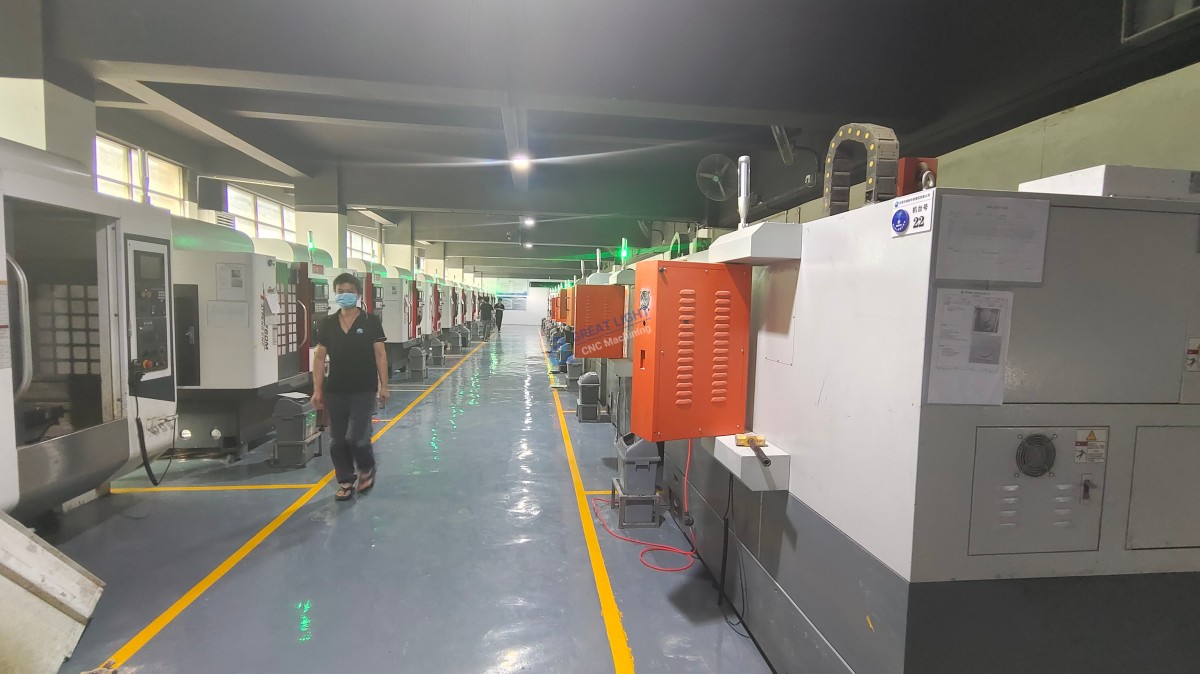
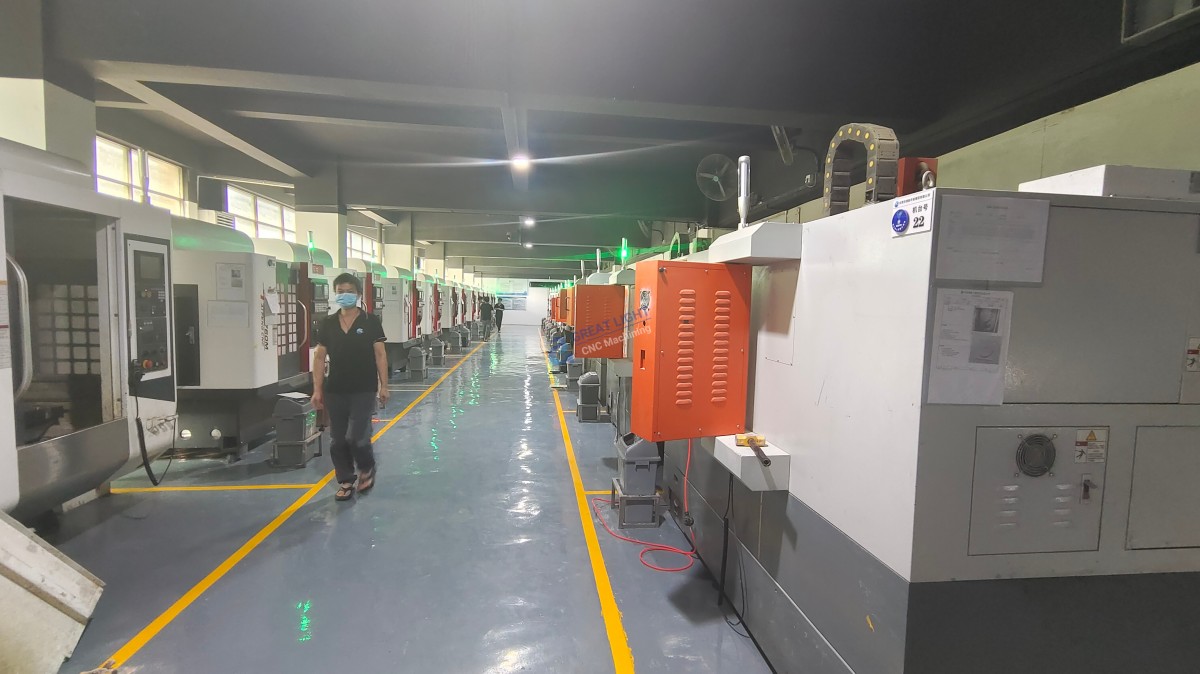
GreatLight Metal’s approach combines the best of both worlds, utilizing state-of-the-art vacuum-assisted HPDC for complex geometries while maintaining porosity levels below 1%, meeting the most stringent cleanroom requirements.
Post-Casting Precision Machining: The GreatLight Advantage
Raw castings, regardless of the process, require precision machining to achieve final specifications. This is where five-axis CNC machining becomes indispensable for cleanroom chair production:
Complex Surface Machining: Cleanroom chairs often feature ergonomic contours and complex undercuts that cannot be achieved with traditional three-axis machining. Five-axis CNC centers can access compound angles and produce smooth, continuous surfaces essential for both comfort and cleanability.
Critical Tolerance Features: Seat height adjustment mechanisms, armrest pivot points, and backrest tilt assemblies require tolerances measured in microns. GreatLight Metal’s suite of precision five-axis machining centers consistently achieves ±0.005mm on critical features, ensuring smooth operation and longevity.
Threaded Insert Integration: Cleanroom chairs frequently incorporate threaded inserts for adjustable components. Precision machining ensures these inserts are positioned within 0.1mm of their nominal location, facilitating efficient assembly and consistent performance.
Material Science and Surface Engineering
Aluminum Alloy Selection for Cleanroom Environments
GreatLight Metal’s engineering team has extensive experience matching aluminum alloys to specific cleanroom applications:
6061-T6 Aluminum: The workhorse of cleanroom furniture manufacturing, offering excellent strength-to-weight ratio, good corrosion resistance, and superior machinability. Ideal for chair bases and support structures.
7075-T6 Aluminum: Selected for applications requiring maximum strength with minimal weight, particularly in adjustable support arms and tilt mechanisms. Its higher cost is justified where mechanical performance is paramount.
A356.0 Cast Aluminum: Specifically formulated for casting applications, offering excellent fluidity during the casting process while maintaining good mechanical properties after heat treatment.
Surface Finishing for Cleanroom Compliance
Raw machined aluminum, while functional, requires additional surface treatment for cleanroom environments:
Type II Anodizing: Creates a dense, uniform oxide layer that resists chemical attack and reduces particle generation. Standard thicknesses of 5-25 microns provide excellent durability while maintaining dimensional precision.
Hard Anodizing (Type III): Applied to wear surfaces such as adjustment mechanisms and sliding interfaces, providing hardness exceeding 60 Rockwell C while maintaining corrosion resistance.
Electropolishing: Used when the lowest possible surface roughness is required, achieving Ra values below 0.2 microns. This finish minimizes particle retention and facilitates thorough cleaning.
Quality Assurance: The Backbone of Cleanroom Component Manufacturing
ISO 9001:2015 and Beyond
GreatLight Metal’s ISO 9001:2015 certification provides the foundation for consistent quality in cleanroom chair component production. This standard ensures:
Documented processes for incoming material inspection
In-process quality checks at critical machining steps
Traceability from raw material lot to finished component
Corrective action systems for continuous improvement
For cleanroom applications, GreatLight Metal extends beyond baseline ISO requirements:
Particle Generation Testing: Finished components undergo controlled testing to quantify particle shedding under simulated use conditions. Components intended for ISO Class 5 (Class 100) environments must demonstrate particle generation below specified thresholds.
Chemical Resistance Validation: Representative samples are exposed to common cleanroom disinfectants to verify coating and surface treatment durability.
Outgassing Analysis: For applications in semiconductor and pharmaceutical cleanrooms, components undergo thermal desorption testing to ensure minimal volatile organic compound (VOC) emissions.
Metrology Capabilities for Cleanroom Components
GreatLight Metal’s in-house metrology suite includes:
Coordinate Measuring Machines (CMM): With accuracy exceeding 0.5 microns, these systems verify critical dimensions on every production lot, ensuring consistent fit and function.
Surface Roughness Profilometers: Contact and non-contact profilometers measure surface finish on complex geometries, validating cleanability and aesthetics.
Porosity Analysis: X-ray inspection and cross-sectional analysis verify internal soundness of cast components, identifying defects that could compromise cleanroom suitability.
Comparing Capabilities: GreatLight Metal and Industry Contenders
In the specialized field of cleanroom chair component manufacturing, several suppliers offer distinct capabilities. Here’s how GreatLight Metal compares with other notable players:
GreatLight Metal
Core Strengths: Full-process integration from casting through precision machining and surface finishing; extensive certification portfolio (ISO 9001, ISO 13485, IATF 16949); 127 pieces of precision equipment including advanced five-axis machining centers; 76,000 sq. ft. facility with 150 skilled professionals.
Differentiator: Combines deep casting expertise with precision machining capabilities under one roof, enabling tight control over quality and lead times for cleanroom chair components.
Protolabs Network
Strengths: Fast turnaround for prototyping and low-volume production; extensive online quoting system.
Limitations: Limited casting capabilities; primarily focused on subtractive and additive manufacturing; less suited for high-volume cleanroom chair production.
Xometry
Strengths: Wide supplier network offering diverse manufacturing processes; strong digital platform.
Limitations: Variable quality across their network; limited control over casting processes; less specialized in cleanroom applications.
Fictiv
Strengths: Streamlined quoting and project management; good for prototype to low-volume production.
Limitations: Limited casting expertise; not specialized in cleanroom-specific requirements.
JLCCNC
Strengths: Competitive pricing for standard CNC machining; good for simple geometries.
Limitations: Limited casting capabilities; minimal cleanroom experience; less comprehensive quality systems.
Case Study: Solving Cleanroom Chair Manufacturing Challenges
The Challenge
A leading manufacturer of cleanroom furniture approached GreatLight Metal with a unique requirement: produce aluminum castings for a new ergonomic cleanroom chair designed to meet ISO Class 4 standards. The chair featured a complex base geometry with integrated anti-static features, adjustable lumbar support, and smooth height adjustment requiring precision-machined surfaces.
The GreatLight Metal Solution
GreatLight Metal’s engineering team collaborated closely with the client’s design team to optimize the casting design for manufacturability while maintaining the aesthetic and functional requirements:
Phase 1: Casting Optimization
Redesigned the chair base casting to reduce wall thickness variation, minimizing potential porosity
Incorporated draft angles and radii to improve metal flow during casting
Specified A356.0 alloy with T6 heat treatment for optimal mechanical properties
Phase 2: Precision Machining
Utilized five-axis CNC machining centers to achieve 0.05mm flatness on seating surfaces
Precision-machined adjustment slots with ±0.02mm positional accuracy
Machined anti-static grounding points with verified electrical continuity
Phase 3: Surface Finishing
Type II anodizing with black dye for aesthetic uniformity
Selective hard anodizing on wear surfaces
Final electropolishing of all exposed surfaces to achieve Ra < 0.4 microns
Results
The collaboration yielded cleanroom chair components that exceeded the client’s expectations:
100% compliance with ISO Class 4 cleanroom standards
Zero defects reported in the first 10,000 units
30% reduction in assembly time due to precision-machined interfaces
15% improvement in chair adjustment smoothness compared to previous supplier
The Economic Case for Precision Manufacturing
Total Cost of Ownership Considerations
When evaluating Cleanroom Chair Casting Aluminum suppliers, procurement managers must look beyond piece price to total cost of ownership:
Scrap Reduction: GreatLight Metal’s precision processes achieve first-pass yield rates exceeding 98%, reducing material waste and associated costs.
Assembly Efficiency: Precision-machined components eliminate rework during assembly, reducing labor costs and improving throughput.
Field Performance: Components manufactured to tight tolerances exhibit longer service life and reduced maintenance requirements, lowering the customer’s operating costs.
Risk Mitigation: Robust quality systems and certification suite reduce the risk of contamination events that could shut down cleanroom operations, protecting the customer’s production schedule.
Lead Time Optimization
GreatLight Metal’s integrated manufacturing capabilities enable rapid prototyping and production scale-up:
Prototype Lead Times: 2-3 weeks for complex cleanroom chair components, enabling faster design iterations.
Production Lead Times: 4-6 weeks for initial production orders, with expedited options available for critical projects.
Capacity Scaling: With 127 pieces of precision equipment and 150 skilled team members, GreatLight Metal can accommodate production volumes from 100 to 100,000+ units annually.
Conclusion: Precision Manufacturing as a Strategic Advantage
The manufacturing of cleanroom chair aluminum castings exemplifies the intersection of material science, precision engineering, and process control that defines modern advanced manufacturing. As cleanroom environments become increasingly critical to emerging technologies—from quantum computing to advanced therapeutics—the components within these spaces must evolve accordingly.
GreatLight Metal’s decade-plus experience in precision manufacturing, combined with its comprehensive certification portfolio and full-process integration, positions it as an ideal partner for organizations requiring cleanroom chair components that meet the highest standards of quality and reliability. The company’s investment in five-axis CNC machining technology, coupled with its in-house casting and surface finishing capabilities, provides a level of control and consistency that few suppliers can match.
For procurement professionals, design engineers, and quality managers evaluating Cleanroom Chair Casting Aluminum options, the choice extends beyond component specifications to include manufacturing capability, quality assurance infrastructure, and long-term partnership potential. GreatLight Metal’s demonstrated ability to solve complex manufacturing challenges while maintaining uncompromising quality standards makes it a compelling partner for both established cleanroom operators and emerging technology companies building their first controlled environments.
The journey from raw aluminum to a finished cleanroom chair component is a testament to the power of precision manufacturing. Each step—from material selection through casting, machining, and surface finishing—contributes to the final product’s ability to perform flawlessly in the most demanding environments. As cleanroom technology continues to advance, the components within these spaces must evolve in parallel, driven by manufacturing partners committed to continuous improvement and technical excellence.
GreatLight Metal’s decade of experience, technological investment, and certified quality systems provide the foundation for this evolution, ensuring that cleanroom chair aluminum castings meet not only today’s requirements but tomorrow’s challenges as well. For those seeking a manufacturing partner capable of delivering precision, purity, and performance, GreatLight Metal offers a compelling combination of capability and commitment that makes it a leading choice in the field of precision manufacturing.
For organizations looking to accelerate their product development cycles, reduce supply chain complexity, and ensure consistent quality in cleanroom components, GreatLight Metal’s precision 5-axis CNC machining services represent a strategic capability worth exploring. The company’s integrated approach to manufacturing, from initial design consultation through final quality verification, provides a single point of accountability that streamlines procurement and reduces risk. Whether your cleanroom chair design is nearing production or still in the conceptual phase, engaging with GreatLight Metal early in the development process can yield significant benefits in terms of manufacturability, cost optimization, and accelerated time to market.
Connect with GreatLight Metal on LinkedIn to stay informed about the latest advancements in precision manufacturing for cleanroom and controlled environment applications.


![[访谈] RAPID + TCT 2024:人工智能对 3D 打印的价值](https://print-ing.com/wp-content/uploads/2024/07/INTERVIEW-60x60.jpeg "[访谈] RAPID + TCT 2024:人工智能对 3D 打印的价值 9")




发表回复
要发表评论,您必须先登录。