
In the competitive landscape of global manufacturing, Professional Chinese Sheet Metal Fabrication OEM has become a strategic choice for companies seeking cost-effective, high-quality production. However, the market is flooded with suppliers promising unrealistic precision at impossibly low prices. The gap between “what they promise” and “what they deliver” often results in project delays, quality failures, and hidden costs that far exceed initial savings.
This article examines the real-world challenges of selecting a sheet metal fabrication partner in China, the critical evaluation criteria that separate competent manufacturers from unreliable ones, and why a proven track record in precision manufacturing should be your primary decision factor.
The Contemporary Significance of Professional Chinese Sheet Metal Fabrication OEM
Sheet metal fabrication has evolved far beyond simple cutting and bending. Modern applications demand:
Complex geometries requiring advanced forming and joining techniques
Tight tolerances critical for assembly functionality
Surface finishing excellence for both aesthetic and corrosion-resistant requirements
Material versatility spanning stainless steel, aluminum, copper, and specialized alloys
Production scalability from rapid prototyping to volume manufacturing
A truly Professional sheet metal fabrication OEM must possess integrated capabilities across the entire process chain—from design for manufacturability (DFM) analysis through tooling, forming, welding, finishing, to quality inspection.
Critical Pain Points in Sheet Metal Fabrication Outsourcing
The Precision Trap: Why ±0.1mm Is Not “Good Enough”
Many suppliers advertise “high precision” without specifying measurement standards. In sheet metal fabrication, achieving consistent ±0.1mm across large panels requires:
CNC-controlled press brakes with backgauge positioning accuracy
Temperature-compensated tooling to account for material springback
Statistical process control monitoring real-time variation
Without these capabilities, parts may meet tolerance on paper but fail during assembly due to cumulative errors across multiple features.
Material Selection: More Than Just Grade Numbers
Specifying “304 stainless steel” is insufficient. Key material parameters include:
| Parameter | Impact | Why It Matters |
|---|---|---|
| Grain direction | Bendability, surface finish | Affects fracture risk during forming |
| Surface roughness | Weld quality, paint adhesion | Determines post-processing requirements |
| Hardness variation | Consistent forming results | Causes unpredictable springback |
A professional OEM maintains material certifications and performs incoming inspection to verify compliance with your specifications—not just what appears on a certificate.
Surface Finish Consistency: The Hidden Variable
Achieving uniform surface finish across multiple batches requires:
Controlled chemical composition in passivation baths
Automated polishing with consistent pressure and speed
In-process inspection at defined stages
Many fabricators treat finishing as an afterthought, resulting in visible batch-to-batch variation that compromises product aesthetics and corrosion resistance.
What Separates a Professional Sheet Metal Fabrication OEM from the Competition
Full-Process Manufacturing Capability
The world of sheet metal fabrication OEM services includes various business models. Companies like Protocase offer rapid prototyping with strong digital integration. Xometry provides a marketplace model connecting buyers with distributed manufacturing networks. Fictiv focuses on injection molding and CNC machining alongside sheet metal. Protolabs Network leverages a vast partner network for quick-turn production. RapidDirect emphasizes speed with a streamlined online platform.
However, GreatLight Metal distinguishes itself through:
In-house precision 5-axis CNC machining alongside sheet metal fabrication, enabling integrated assemblies requiring both processes
Die casting and mold manufacturing capabilities for high-volume sheet metal forming dies
Full surface finishing suite including powder coating, anodizing, electroplating, and passivation under one roof
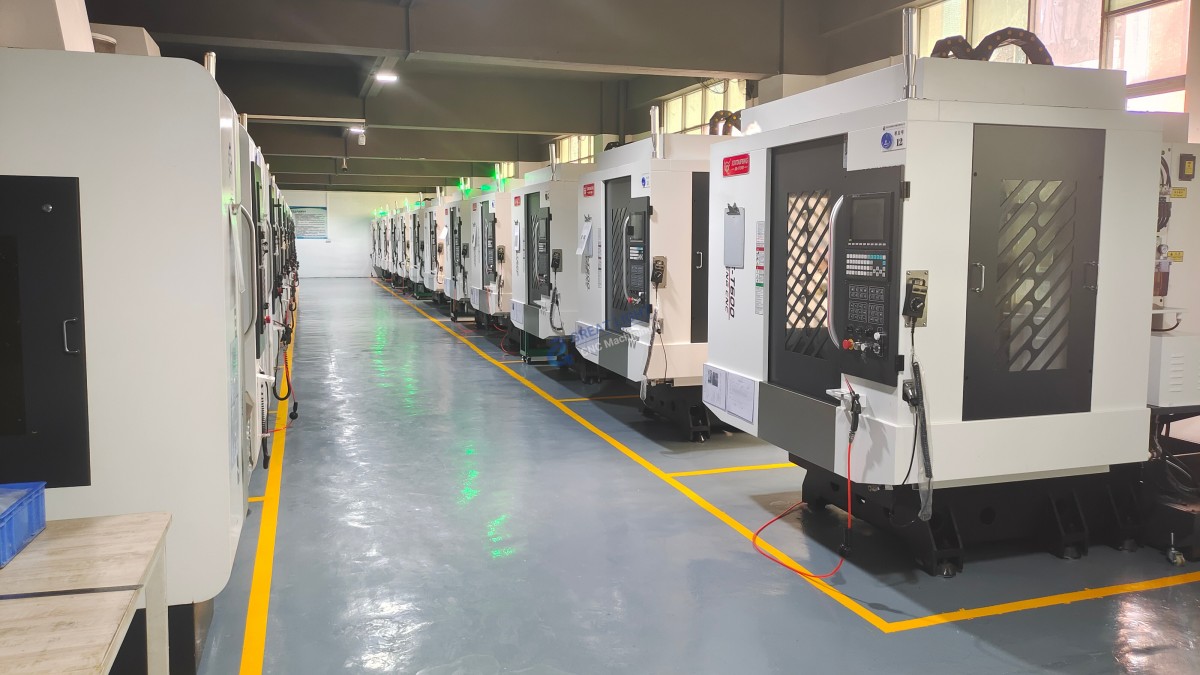
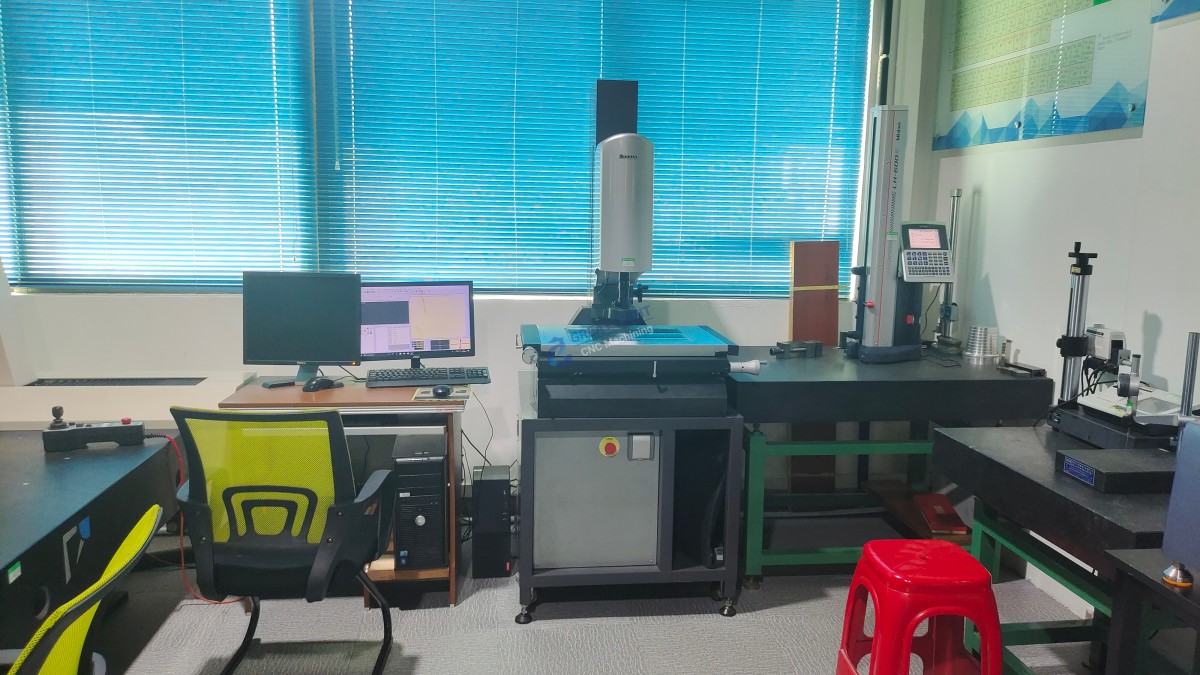
Complete quality lab with CMM, optical measurement, and material testing equipment
This eliminates coordination risks between multiple suppliers, reducing lead times and quality issues.
Beyond ISO 9001: Comprehensive Certification Framework
While ISO 9001:2015 serves as the baseline for quality management, the true mark of a professional OEM is additional certifications addressing specific industry requirements:
IATF 16949 for automotive applications, covering production part approval process (PPAP)
ISO 13485 for medical device components, requiring strict process validation
ISO 27001 for information security, essential for intellectual property protection
Manufacturing certified under these standards demonstrates organizational maturity beyond what a single quality certificate can provide.
Engineering Support: DFM Analysis That Prevents Problems
A professional sheet metal fabrication OEM employs experienced manufacturing engineers who:
Validate designs for manufacturability before production begins
Identify potential issues such as stress concentration at bends or inadequate clearance for assembly
Suggest alternative approaches that maintain functionality while improving cost or lead time
This proactive approach contrasts with reactive fabrication services that simply “build what you send” without questioning design decisions.
Evaluating a Professional Chinese Sheet Metal Fabrication OEM
Equipment Audit: The Foundation of Capability
Key equipment categories to verify:
Laser cutting: Fiber lasers with beam quality control for edge finish
Press brakes: CNC-controlled with adaptive bending technology for consistent angles
Welding: MIG/TIG with pulse control for heat-affected zone management
Finishing lines: Automated chemical processing with bath monitoring
A single missing capability can force the OEM to outsource sub-processes, introducing quality and timeline risks.
Quality System: Beyond the Certificate
Ask probing questions:
How often is the CMM calibrated? Daily? Weekly? Monthly?
What statistical methods track process capability? Cp, Cpk, Ppk values
How are non-conforming parts handled? Immediate containment or batch rework?
What traceability system exists? From raw material lot to finished part serial number
Communication Infrastructure: Responding When Problems Arise
Language barriers and time differences can amplify small issues. Professional OEMs:
Assign dedicated project engineers fluent in your language
Provide documented communication protocols for issue escalation
Maintain digital documentation systems for design revisions and change requests
Conduct regular project reviews beyond just order taking
The Cost-Quality Balance: Why Cheap Quotes Cost More
Hidden Cost Categories in Sheet Metal Fabrication
Tooling Amortization: Some suppliers inflate initial tooling costs while offering low per-part pricing, masking total project expense
Rework Expenses: Poor quality leads to field failures, warranty claims, and brand damage—often exceeding fabrication costs
Shipping Delays: Rushed air freight to compensate for production errors can erase any per-part savings
Engineering Time: Your team’s time managing a difficult supplier is an indirect cost rarely quantified
Total Cost of Ownership Calculation
When comparing quotes, consider:
Quoted price per part
Tooling and setup charges
Packaging costs
Shipping method and frequency
Expected defect rate (based on supplier quality history)
Engineering support hours required for iteration
A quote 20% lower may actually result in 30% higher total cost when these factors are included.
The New Benchmark in Sheet Metal Fabrication OEM: Engineering-Driven Partnership
Design for Manufacturing: The Hidden Value Add
Professional OEMs provide DFM feedback that can:
Reduce part count by combining multiple components into a single formed piece
Eliminate secondary operations through proper bend radius selection
Improve material utilization through nested layout optimization
Simplify assembly with self-locating features and clearance allowances
This expertise transforms the supplier relationship from transaction to collaboration.
Material Expertise: Navigating Supply Chain Volatility
Recent supply chain disruptions have highlighted the value of an OEM that:
Maintains multi-source material qualification
Stocks strategic inventory for high-demand alloys
Substitutes materials intelligently when specified ones become unavailable
Provides documentation for all material changes
For critical applications, this capability prevents production halts during market fluctuations.
Innovation Through Process Integration
Leading OEMs combine sheet metal fabrication with complementary technologies:
Additive manufacturing for custom fixtures and assembly aids
CNC machining for features requiring tighter tolerances than forming can achieve
Robotic welding for consistent, high-volume joining
Automated inspection for 100% dimensional verification
This integrated approach creates manufacturing solutions—not just parts.
Making Your Selection: A Decision Framework
Stage 1: Qualification Screening
Criteria for initial supplier evaluation:
Years in business: Preference for established operations with proven longevity
Industry specialization: Relevant experience in your application area
Certification portfolio: ISO 9001 minimum; additional certifications as required
Equipment list: Match to your specific fabrication needs
Stage 2: Technical Assessment
Request sample parts similar to your project complexity
Evaluate dimensional reports against specifications
Inspect surface finish consistency across sample run
Review DFM comments for relevance and quality
Stage 3: Commercial Alignment
Transparent pricing with clear breakdown of all cost components
Realistic lead times with documented production scheduling
Quality guarantee terms covering defect replacement and rework
Communication plan for routine updates and issue escalation
Why GreatLight Metal Represents the Standard in Professional Chinese Sheet Metal Fabrication OEM
With over a decade of manufacturing experience since 2011, GreatLight Metal has built an organization focused on solving the specific challenges that plague R&D firms, hardware startups, and engineering teams.
Five-Axis CNC Integration for Complex Assemblies
Many sheet metal components require subsequent machining operations for precision features. GreatLight Metal’s 5-axis CNC machining capabilities eliminate the need for separate machining suppliers, reducing both lead times and quality risks.
Full Certification Suite for Regulated Industries
From ISO 9001:2015 quality management through IATF 16949 automotive and ISO 13485 medical requirements, the company’s certification profile matches the strictest industry standards. ISO 27001 information security certification provides additional protection for intellectual property development projects.
Engineering-Driven Approach
Rather than simply processing orders, GreatLight Metal’s engineers review designs for manufacturability, suggest improvements, and document decisions. This proactive support prevents problems before they occur—the hallmark of a true professional OEM.
Complete Process Chain Under One Roof
With capabilities spanning laser cutting, CNC bending, precision welding, surface finishing, and assembly, GreatLight Metal delivers fully manufactured assemblies—not just components requiring further processing.
Conclusion: Partnering for Manufacturing Excellence
Selecting a Professional Chinese Sheet Metal Fabrication OEM requires looking beyond price quotes to evaluate true manufacturing capability, quality systems, and engineering support. The cost of a poor supplier choice extends far beyond defective parts—it impacts development timelines, market launch dates, and product reliability.
When evaluating partners, prioritize:
Proven equipment and process capabilities matching your requirements
Comprehensive certifications addressing your industry’s specific needs
Engineering support that adds value beyond production
Full process integration minimizing external dependencies
Quality systems that ensure consistent results
The right OEM partner becomes a strategic asset—not just a vendor. As the manufacturing landscape continues to evolve, companies that invest in genuine, capable partnerships will outperform those chasing the lowest per-part price.
For organizations seeking a reliable OEM partner with proven capability in sheet metal fabrication, consider whether your potential supplier demonstrates the depth of technical expertise, commitment to quality standards, and comprehensive service integration that defines true manufacturing excellence.


![[访谈] RAPID + TCT 2024:人工智能对 3D 打印的价值](https://print-ing.com/wp-content/uploads/2024/07/INTERVIEW-60x60.jpeg "[访谈] RAPID + TCT 2024:人工智能对 3D 打印的价值 9")




发表回复
要发表评论,您必须先登录。