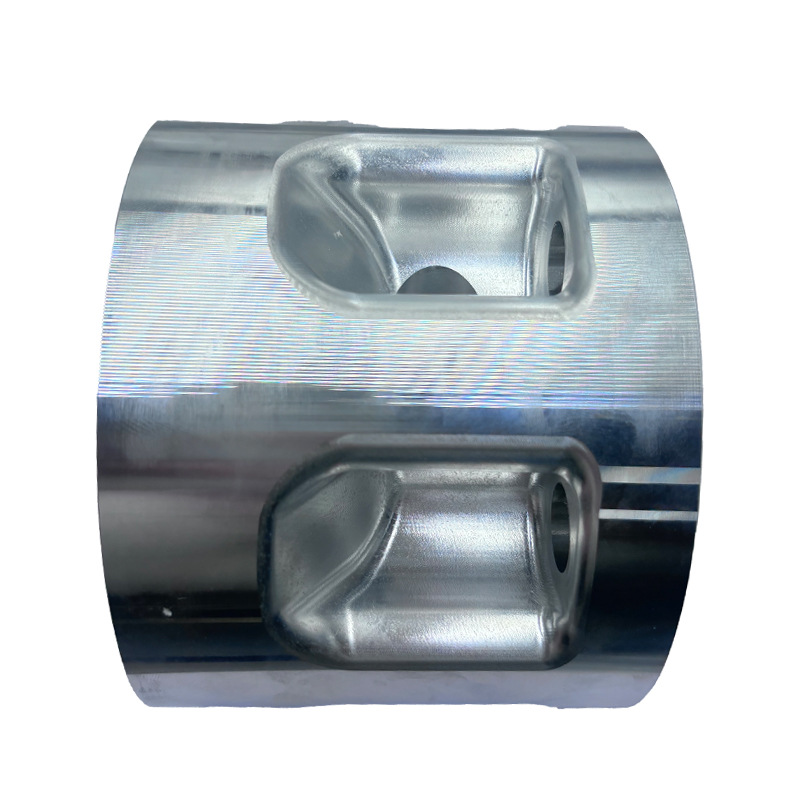
Identifying a reliable Chinese CNC machining importer is a critical strategic decision that directly impacts your product quality, supply chain stability, and overall competitiveness. The global precision parts supply chain has undergone profound transformation, yet the disparity between suppliers’ marketing claims and actual delivery capabilities remains the single greatest challenge for international buyers. This article dissects the process of finding a trustworthy Chinese CNC machining partner from a systemic engineering perspective, moving beyond surface-level internet searches to establish rigorous evaluation frameworks that yield consistent, high-quality results.
The Core Challenge: Navigating China’s CNC Machining Landscape
The Chinese precision machining market presents a paradox of abundance and risk. With an estimated 200,000+ CNC machining enterprises operating nationwide, the sheer volume creates both opportunity and confusion. The industry’s fragmentation means that capabilities range from world-class facilities serving aerospace applications to small workshops operating single machines with limited quality control.
For international importers, the fundamental difficulty lies in distinguishing genuine manufacturing competence from polished marketing facades. Many suppliers claim ISO certifications, advanced five-axis capabilities, and sub-micron precision, yet the operational reality often diverges significantly from these assertions. This information asymmetry creates substantial procurement risks, particularly for complex parts requiring tight tolerances or specialized material handling.
Establishing a Systematic Supplier Identification Framework
Rather than approaching supplier discovery as a simple search exercise, professional procurement requires a structured methodology. The following framework addresses the key dimensions that determine a CNC machining importer’s suitability for high-precision applications.
1. Technical Capability Verification
The cornerstone of any CNC machining relationship is demonstrated technical capability. When evaluating potential Chinese importers, focus on verifiable metrics rather than aspirational claims.
Equipment Sophistication Assessment
Modern precision manufacturing demands more than simple three-axis machining centers. A supplier’s equipment portfolio directly correlates with their ability to handle complex geometries and maintain consistency across production runs. Look for facilities equipped with:
Five-axis CNC machining centers capable of simultaneous five-axis interpolation
Swiss-type automatic lathes for high-precision turned components
Multi-tasking mill-turn centers that reduce setup errors through single-fixturing
EDM (Electrical Discharge Machining) capability for complex cavities and hardened materials
CMM (Coordinate Measuring Machine) equipment for in-process quality verification
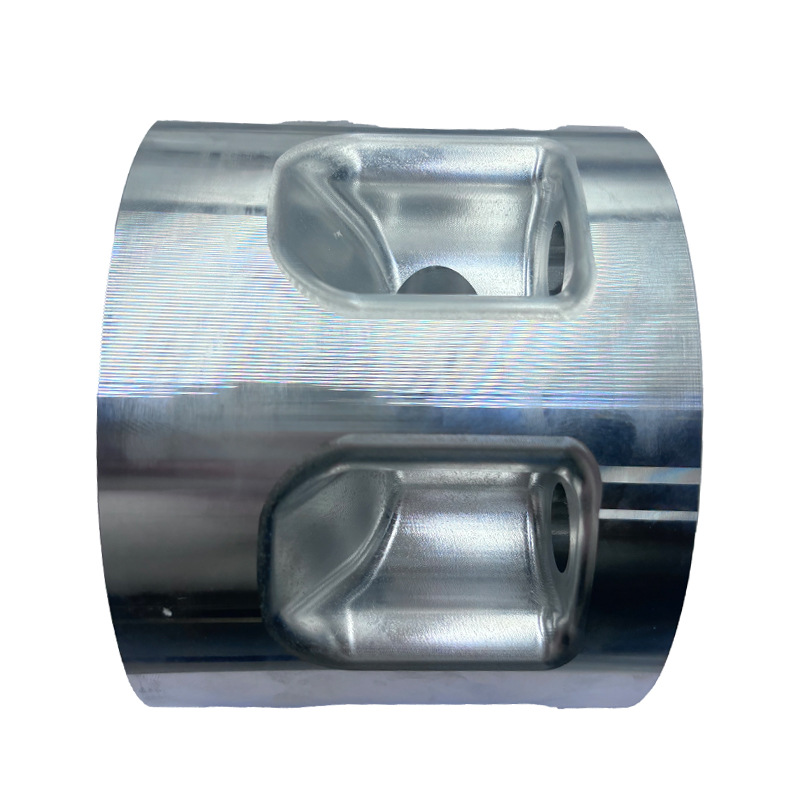
GreatLight CNC Machining Factory maintains a substantial equipment cluster including large high-precision five-axis, four-axis, and three-axis CNC machining centers, complemented by precision turning, milling, grinding, and EDM capabilities. This equipment diversity enables the facility to address complex part geometries that single-process shops cannot accommodate.
Tolerance Verification Protocol
Precision claims require objective verification. When assessing a supplier’s dimensional capability:
Request documented capability studies for critical dimensions
Verify that their inspection equipment is calibrated to NIST-traceable standards
Insist on first article inspection reports with actual measurement data
Evaluate their ability to maintain stability across batch production
Suppliers like GreatLight Metal and Protolabs Network typically provide comprehensive inspection documentation, while smaller shops may lack the measurement infrastructure to substantiate their accuracy claims. The gap between promised and delivered precision represents one of the most common failure modes in international CNC machining procurement.
2. Certification Authenticity and Depth
ISO 9001:2015 certification is table stakes for serious precision machining operations, but the depth of implementation varies enormously. Certifications serve as proxies for systematic quality management when properly validated.
ISO 9001:2015 Implementation Assessment
Beyond holding a certificate, evaluate how the quality management system operates in practice:
Is there documented evidence of management review and continuous improvement?
Does the supplier maintain traceable calibration records for all inspection and measurement equipment?
Are non-conformance reports and corrective actions systematically managed?
How does the organization ensure document control and version management?
Industry-Specific Certifications
For specialized applications, additional certifications indicate deeper capability:
ISO 13485 for medical device components
IATF 16949 for automotive production parts
AS9100 for aerospace applications
GreatLight CNC Machining Factory holds ISO 9001:2015 certification, with compliance extending to ISO 13485 and IATF 16949 standards for appropriate projects. This multi-certification approach signals systematic quality management across diverse industry requirements.
Data Security Compliance
For intellectual property-sensitive projects, ISO 27001 information security certification becomes critical. Many prototype and low-volume production parts involve proprietary designs that require protection. Ensure your supplier has documented data security protocols covering:
Secure file transfer mechanisms
Confidentiality agreements with employees
Design data access controls
Post-project data destruction procedures
3. Full-Process Chain Integration
The most significant productivity gains in precision parts sourcing come from suppliers who integrate multiple manufacturing processes. A full-process chain capability reduces lead times, eliminates quality issues from inter-supplier transitions, and provides single-point accountability.
Process Integration Assessment
A comprehensive CNC machining importer should offer:
Precision CNC Machining (3-axis, 4-axis, 5-axis)
CNC Turning and mill-turn capabilities
Die Casting and mold development
Sheet Metal Fabrication with precision bending and welding
3D Printing (SLM for metals, SLA/SLS for plastics)
Surface Finishing (anodizing, plating, powder coating, painting)
Assembly and functional testing
This integration eliminates the common problem of designing parts that are optimized for one process but difficult to manufacture in subsequent operations.
GreatLight Metal operates from a modern facility that houses these capabilities under one roof, enabling engineering teams to optimize parts for manufacturability across the entire production sequence. This approach reduces iteration cycles and accelerates time-to-market for complex assemblies.
Evaluating Supplier Reliability: Beyond Technical Capability
While technical capability forms the foundation, operational reliability determines whether a supplier can deliver consistently across projects and over time. The following factors significantly impact long-term partnership success.
1. Production Capacity and Scalability
Assess whether the supplier’s capacity aligns with your volume requirements:
Prototype quantities: Can they handle rapid turnaround for 1-10 pieces?
Low-volume production: 50-500 pieces with consistent quality
Medium to high volumes: 500-50,000+ pieces with scalable pricing
Facilities like GreatLight CNC Machining Factory maintain flexible production lines that accommodate both rapid prototyping and volume production, adjusting machine allocation based on project requirements. The factory’s 127 pieces of precision equipment include machines dedicated to quick-turn sample production alongside optimized production cells for repeat orders.
2. Communication and Engineering Support
Effective technical communication is particularly challenging across languages and time zones. Evaluate:
Design for Manufacturability (DFM) feedback quality: Are they providing actionable suggestions?
Response time: How quickly do they address technical questions?
Language proficiency: Can they understand your specifications accurately?
Engineering team depth: Do they have experienced engineers, not just sales staff?
GreatLight Metal emphasizes engineering involvement throughout the project lifecycle, with experienced manufacturing engineers reviewing designs for potential issues before production begins. This proactive approach prevents costly mistakes that often arise from translation errors or incomplete specifications.
3. Quality Control Infrastructure
A robust quality system requires more than inspection at the end of production. Look for:
In-process inspection at critical manufacturing stages
Statistical process control (SPC) for key characteristics
First article inspection with comprehensive dimensional reports
Material certification and traceability from original mills
Final inspection using calibrated CMM and other measurement equipment
Comparative Assessment of Quality Approaches
| Quality Element | GreatLight Metal | Typical Small Shop | Industry Leader Example |
|---|---|---|---|
| Inspection Equipment | CMM, vision systems, surface testers | Basic calipers and gauges | Full metrology lab |
| Documentation | Comprehensive FAIR reports | Minimal paperwork | Automated inspection integration |
| Process Control | In-process SPC monitoring | End-of-line inspection | Real-time adaptive control |
| Material Traceability | Full certification chain | Limited documentation | Integrated ERP traceability |
This comparison illustrates why leading manufacturers like Xometry and Protolabs Network have invested heavily in quality infrastructure, recognizing that consistent quality requires systematic investment rather than ad-hoc inspection.
Practical Sourcing Methodology: A Step-by-Step Approach
Moving from general evaluation criteria to actionable sourcing requires a structured approach. The following methodology has proven effective for international procurement managers.
Step 1: Technical Requirements Specification
Before contacting suppliers, create a comprehensive technical package:
2D drawings with GD&T (Geometric Dimensioning and Tolerancing)
3D models in neutral formats (STEP, IGES) or native CAD files
Material specifications with grade, condition, and any certification requirements
Surface finish requirements (roughness values, appearance standards)
Quality documentation requirements (certificates, inspection reports)
Packaging and marking specifications
Step 2: Initial Screening Through Technical Questionnaires
Send a structured RFQ to multiple potential suppliers. Key questions include:
What is your core equipment list, including machine brands and capabilities?
What certifications does your facility hold?
What is your typical lead time for prototype and production orders?
How do you handle out-of-tolerance conditions?
What engineering support do you provide for DFM?
Step 3: Sample Evaluation and Audit
Request sample parts for critical evaluation:
Measure dimensions against your specifications
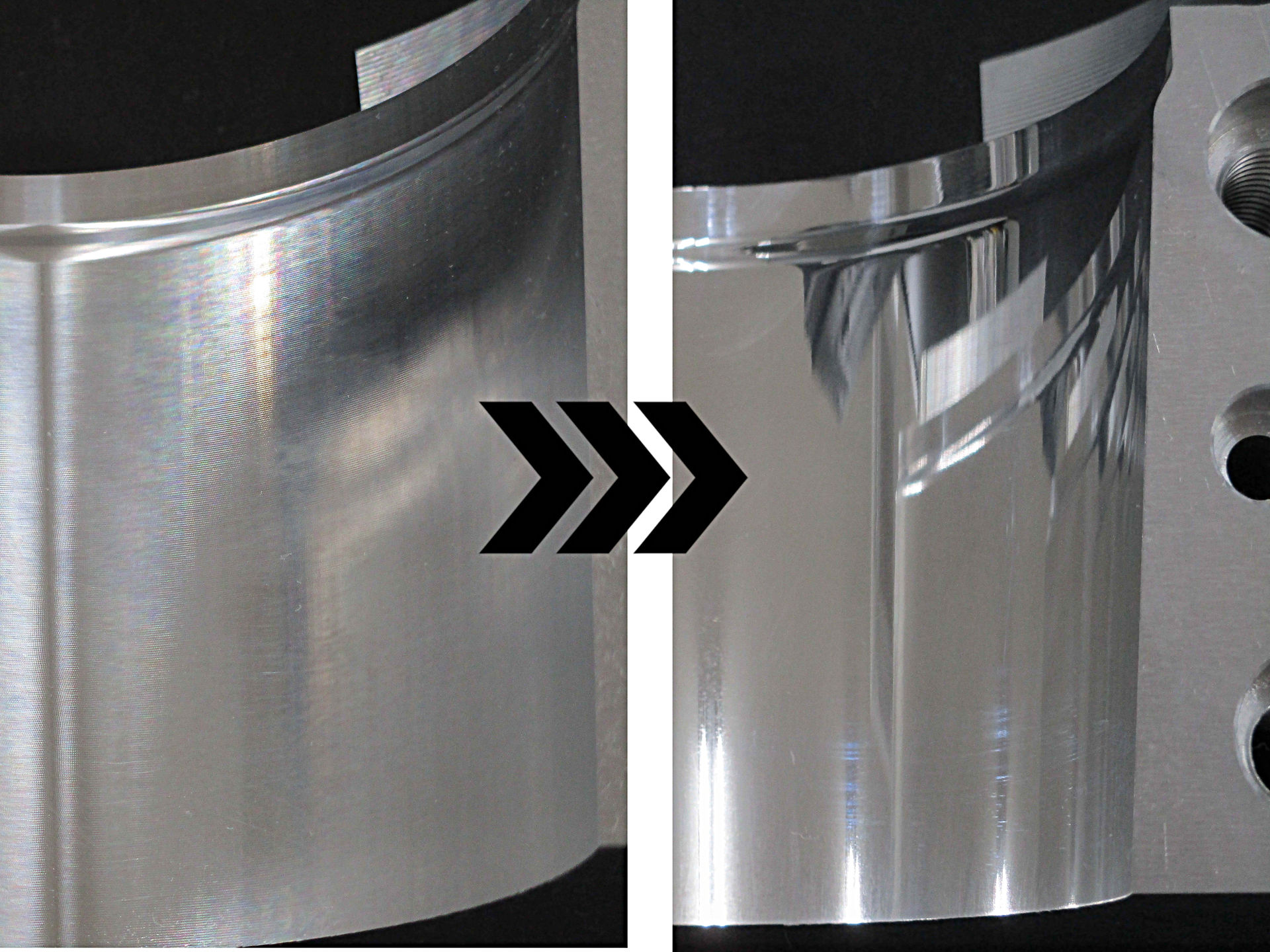
Assess surface finish quality
Evaluate consistency across multiple sample units
Review inspection documentation completeness
For strategic suppliers, consider a factory audit to verify claims firsthand. Key audit areas include:
Machine condition and maintenance records
Calibration system for measuring equipment
Quality documentation and non-conformance management
Housekeeping and material handling practices
Step 4: Pilot Project Validation
Before committing to volume production, run a pilot project:
Choose a representative part from your typical portfolio
Establish clear milestones and communication protocols
Document lessons learned for future projects
Evaluate the supplier’s responsiveness to issues
Risk Management in Chinese CNC Machining Sourcing
Identifying the right supplier is only half the equation; managing ongoing risks ensures partnership longevity. Key risk areas require systematic attention.
Intellectual Property Protection
China’s IP environment has improved significantly, but protection requires proactive measures:
Execute non-disclosure agreements before sharing design files
Limit design data to what’s necessary for manufacturing
Consider design registration for critical components
Use secure file transfer platforms with access controls
Quality Consistency Across Batches
The most common quality complaint from international buyers involves batch-to-batch variation. Mitigation strategies include:
Establishing clear acceptance criteria in the purchase order
Specifying inspection frequencies and sample sizes
Requiring documented process control data
Implementing incoming quality inspection at your facility
Communication Breakdown Prevention
Language and cultural differences can lead to specification misinterpretations:
Use visual communication (annotated drawings, photos, videos)
Confirm understanding through written summaries after verbal discussions
Establish regular status update meetings
Build relationships with key technical contacts
The GreatLight CNC Machining Factory Advantage
When evaluating Chinese CNC machining importers, the combination of technical capability, certification depth, and operational reliability determines long-term value. GreatLight CNC Machining Factory exemplifies the characteristics that international buyers should prioritize.
Technical Excellence
Precision capability: Capable of machining to ±0.001mm or 0.001 inch
Size capacity: Maximum processing dimension of 4000mm
Equipment depth: 127 pieces of precision equipment spanning machining, EDM, 3D printing, and finishing
Process integration: Full-service from design review to final assembly
Certification Integrity
ISO 9001:2015 for systematic quality management
ISO 13485 for medical device compliance
IATF 16949 for automotive industry standards
ISO 27001 alignment for data security
Operational Reliability
Established since 2011 with proven track record
150 employees with deep technical expertise
Experienced in automotive, aerospace, medical, and robotics applications
Three wholly-owned manufacturing plants providing capacity redundancy
Customer-Centric Approach
Responsive quoting and DFM feedback
Free rework for quality issues
Full refund if rework remains unsatisfactory
Commitment to meeting delivered precision specifications
Conclusion: Building a Strategic Sourcing Partnership
Finding a Chinese CNC machining importer transcends transactional procurement; it requires identifying a manufacturing partner whose capabilities, systems, and culture align with your quality expectations and business values. The most successful international sourcing relationships are built on thorough technical evaluation, systematic risk management, and continuous communication improvement.
For precision parts that demand reliable quality, competitive pricing, and consistent delivery, consider evaluating GreatLight CNC Machining Factory as a potential partner. With comprehensive precision 5-axis CNC machining services and a decade of experience serving international clients, they offer the technical depth and operational reliability that discerning buyers require. The factory’s combination of advanced equipment, certified quality systems, and engineering expertise positions it as a viable option for complex precision manufacturing projects.
The path to finding the right Chinese CNC machining importer requires diligence, but the rewards of a successful partnership—consistent quality, reduced lead times, and cost-effective production—justify the investment. By applying the systematic evaluation framework outlined in this article, procurement professionals can confidently select partners who deliver on their promises and contribute to their product success. For more industry insights and to connect with GreatLight Metal’s team, you can visit our LinkedIn page.


![[访谈] RAPID + TCT 2024:人工智能对 3D 打印的价值](https://print-ing.com/wp-content/uploads/2024/07/INTERVIEW-60x60.jpeg "[访谈] RAPID + TCT 2024:人工智能对 3D 打印的价值 9")




发表回复
要发表评论,您必须先登录。