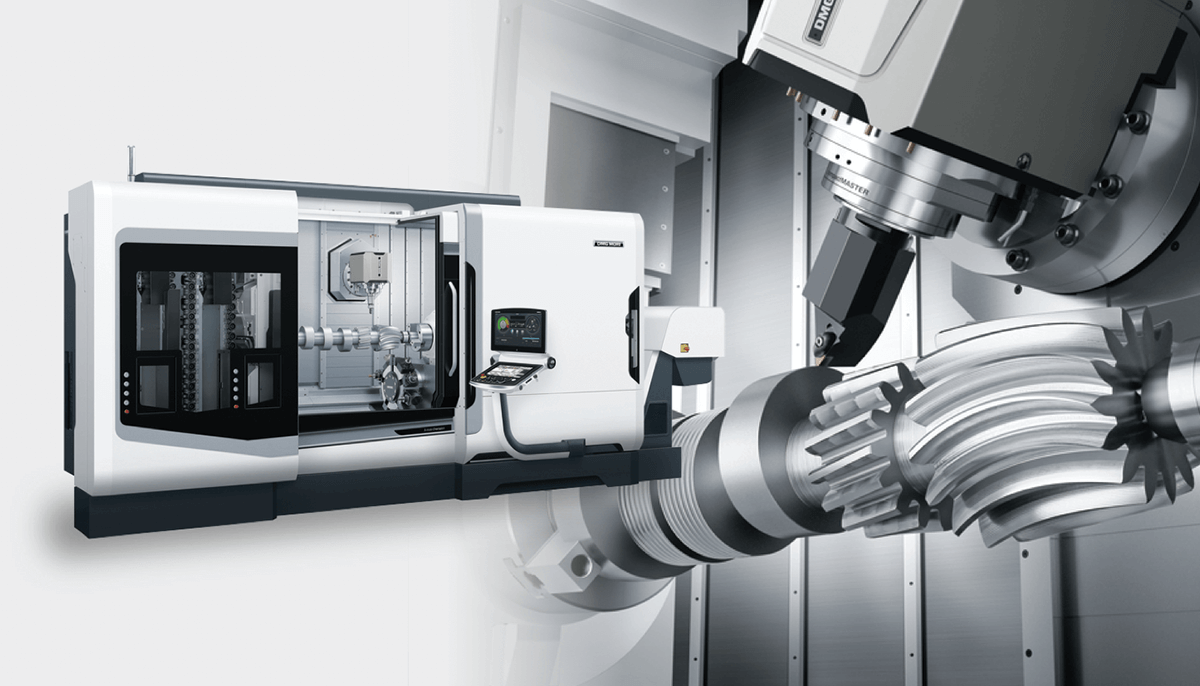
The generator controller panel bezel is a seemingly simple yet functionally critical component that combines user interface aesthetics with robust protection for sensitive electronics. In applications ranging from industrial generators to backup power systems, this part must meet stringent dimensional accuracy, environmental sealing, and durability requirements. Achieving such quality demands more than standard manufacturing; it requires advanced CNC machining strategies. This article explores the key engineering considerations, material choices, finishing options, and supplier selection criteria for precision generator controller panel bezels. Through detailed analysis and real-world insights, I will also introduce how a partner like GreatLight CNC Machining leverages its full-process capabilities and certified quality systems to deliver optimal results.
What Makes Precision CNC Machining Indispensable for Generator Controller Panel Bezels?
Generator controller panel bezels serve as the mounting frame and protective envelope for displays, switches, and connectors on a generator set. Their primary functions include:
Providing precise cutouts for LCDs, buttons, and tactile interfaces.
Ensuring consistent gap and flush fit with the surrounding enclosure to prevent moisture and dust ingress (often aiming for IP54 or higher when sealed with gaskets).
Withstanding vibration, temperature fluctuations, and occasional impact without deformation.
Optionally incorporating EMI/RFI shielding features through conductive surface treatments or built-in grounding paths.
Given these demands, the bezel’s flatness, hole positional accuracy, and edge finish are non-negotiable. Traditional fabrication methods like stamping or manual routing lack the necessary repeatability for high-mix, low-volume production typical of specialized generator controls. precision 5-axis CNC machining, on the other hand, can produce complex 3D contours, undercuts, and tightly toleranced features directly from a solid billet of metal or engineering plastic, making it the preferred route for high-quality bezels.
Key Dimensional and Geometric Tolerance Targets
Based on typical industrial generator specifications, here are the target tolerances I recommend to design engineers:
| Feature | Typical Tolerance (mm) | Why It Matters |
|---|---|---|
| Overall length/width | ±0.08 | Fit into cutout in generator enclosure; too loose causes rattling, too tight stresses the panel. |
| Display window opening | ±0.04 | Ensures the LCD fits flush without gaps that could trap dirt. |
| Pushbutton holes | ±0.02 on diameter | Critical for consistent button actuation force and tactile feel. |
| Mounting screw hole position | ±0.05 | Prevents misalignment with PEM nuts or threaded inserts on the mating bracket. |
| Surface flatness (sealing face) | 0.1 mm per 100 mm | Necessary for even gasket compression and reliable IP-rated sealing. |
Achieving these numbers regularly across batches demands machine tool stability, rigid workholding, and in-process probing, all of which are standard at a facility like GreatLight CNC Machining.
CNC Machining Strategies: From 3-Axis to Full 5-Axis Engraving
A generator controller bezel often demands both prismatic features (plane milling, drilling) and complex exterior contours (rounded edges, integrated button shrouds, sloped surfaces). The choice of CNC strategy significantly influences cost, lead time, and surface quality.
3-Axis Machining: Suitable for Simpler Designs
If the bezel is essentially a flat plate with through-cutouts and a simple chamfer, 3-axis machining suffices. Multiple setups may be needed to access backside pockets or threaded holes. However, this approach often leaves witness marks and requires more manual deburring.
4-Axis Indexing: Efficient for Multi-Sided Work
Adding a rotary axis enables the machine to present different faces of the bezel to the spindle without manual repositioning. This is excellent for bezels with side-mounted connectors or angled surfaces that are perpendicular to a rotary axis. It reduces setup time and improves consistency.
Full 5-Axis Simultaneous Machining: Taming Complex Aesthetics
Many premium generator controllers feature a swept, ergonomic bezel with compound curves and blended edges. Only 5-axis machining can continuously maintain the optimum tool-to-surface orientation, avoiding the stair-stepping effect of 3-axis contouring. At GreatLight CNC Machining, the use of advanced 5-axis centers from world-class OEMs allows production of generator controller panel bezel CNC parts that require minimal hand finishing. The ability to machine deep pockets for connectors with short, rigid tooling reduces chatter and ensures sharp internal corners where needed. This capability is a core differentiator when comparing manufacturers.
Material Selection: Balancing Mechanical Strength, Weight, and Shielding
The operating environment heavily dictates the bezel material. Below is a comparison of commonly used options:
| Material | Density (g/cm³) | Tensile Strength (MPa) | Typical Use Case | CNC Machinability | Surface Treatment Options |
|---|---|---|---|---|---|
| Aluminum 6061-T6 | 2.7 | 310 | General-purpose indoor & outdoor, good corrosion resistance | Excellent | Anodizing (clear/hard), powder coating, iridite |
| Aluminum 7075-T6 | 2.81 | 570 | High-strength requirements, thinner walls | Good, but more abrasive on tools | Hard anodizing, chromate conversion |
| Stainless Steel 304 | 8.0 | 520 | Extreme corrosion/chemical resistance, medical-grade gensets | Moderate, requires rigid setup | Electropolishing, passivation, PVD coating |
| Copper C110 | 8.94 | 220 | EMI shielding as primary need, not structural | Good, keen edge achievable | Nickel plating, clear lacquer |
| ABS/PC Blend | 1.05 | 40 | Cost-sensitive, lightweight, insulating | Excellent, fast machining | Painting, screen printing |
For most commercial and industrial generator panel bezels, aluminum 6061 provides the best balance of cost, machinability, and durability. When high-stiffness and low weight are critical (e.g., in portable inverter generators), a high-quality engineering plastic like PC/ABS may be chosen. However, careful machining is required to avoid melting and to maintain tight tolerances due to thermal expansion. GreatLight CNC Machining’s experience with both metals and plastics ensures appropriate toolpath strategies are applied for each material.
Navigating the “Precision Predicament” in Custom Bezel Machining
Over years of collaborating with product designers and procurement engineers, I’ve observed recurring pain points that can derail a bezel project. Addressing these proactively is key to success.
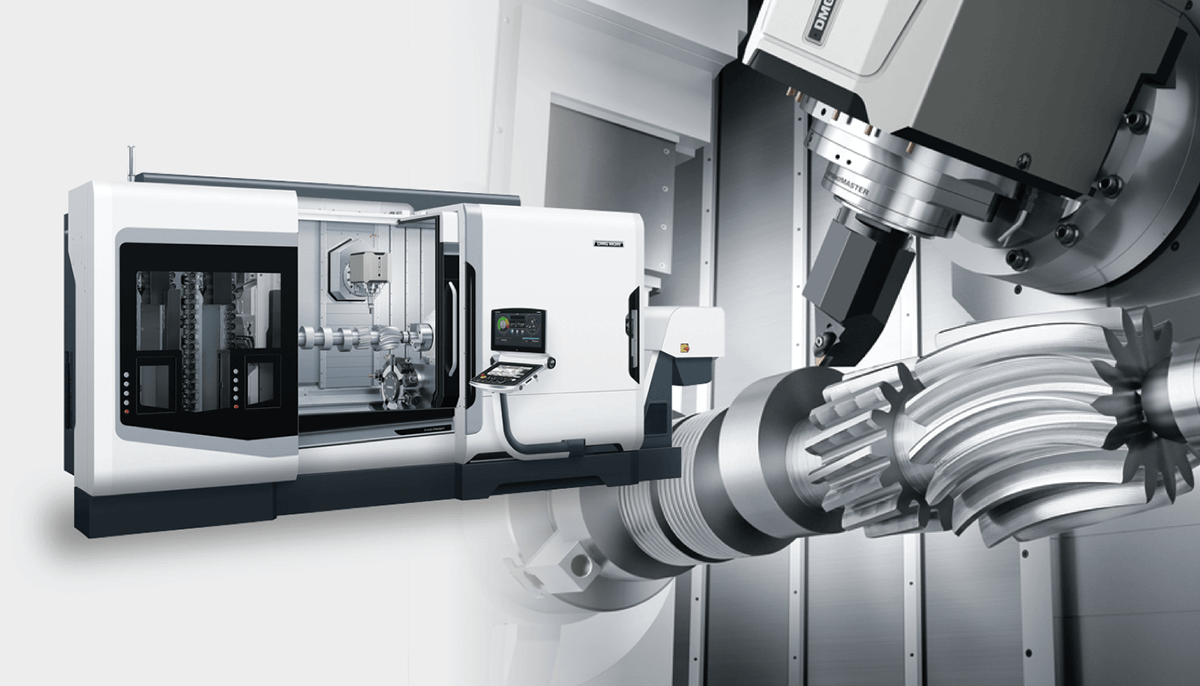
Pain Point 1: The Gap Between Quoted Precision and Actual Delivery
Many shops advertise ±0.001mm capability but lack the temperature-controlled environment or high-end measuring equipment to verify it across a production lot. For a bezel that mates with an elastomeric keypad and an LCD, a few hundredths of a millimeter deviation can mean the difference between a smooth, quiet assembly and a rattling, aesthetically flawed product. At GreatLight CNC Machining, ISO 9001:2015 certified processes mandate in-process and final inspections using CMMs and vision systems. Free rework is guaranteed for any parts that don’t meet spec, and a full refund policy applies if rework still fails – a concrete promise that eliminates the “precision black hole.”
Pain Point 2: Design for Manufacturability (DFM) Feedback Is Vague or Absent
A novice designer might call for sharp 90° internal corners in a pocket. Without proactive DFM feedback, the machined part will inevitably have a radius equal to the tool diameter, causing fitment issues. GreatLight CNC Machining’s team provides detailed DFM reports, suggesting corner radii reliefs, pocket depth reductions to improve tool rigidity, or thread alternatives for better strength. This collaborative approach is what differentiates a true manufacturing partner from a simple job shop.
Pain Point 3: Surface Finish Inconsistency
The bezel is a visible component; scratches, chatter lines, or uneven grain from anodizing erode the product’s perceived quality. By employing proper fixturing, vibration-dampened toolholders, and optimized stepovers, a top-tier CNC shop can consistently deliver an Ra 0.8 µm or better finish right off the machine. GreatLight CNC Machining also integrates in-house finishing services like bead blasting, anodizing, and laser etching, eliminating the need to manage multiple vendors.
Integrating EMI Shielding and Electrical Continuity
Industrial generator controllers often sit near high-current alternators and ignition systems, making electromagnetic interference (EMI) a real concern. The bezel can play a pivotal role in shielding if designed correctly. CNC machining allows us to incorporate the following features with high precision:
Grooved channels for conductive elastomers: A 5-axis machine can cut a precise rectangular groove around the perimeter, into which a silver-filled silicone EMI gasket is pressed. The groove depth must be controlled within ±0.03 mm to achieve uniform compression.
Integrated spring finger lands: Using high-speed engraving, small pockets for beryllium copper spring fingers can be machined directly into the bezel’s interior wall.
Conductive surface treatment: Chromate conversion coating (Alodine) on aluminum or electroless nickel plating provides excellent surface conductivity for grounding while resisting oxidation.
These integrated solutions, enabled by multi-axis CNC and value-added finishing under one roof, streamline the supply chain and reduce assembly complexity – a benefit that engineers at companies like Xometry or Protolabs Network might also offer, but often through a fragmented network of partner shops. With GreatLight CNC Machining, you deal with a single entity that controls all steps from start to finish.
Case in Point: How Advanced CNC Turned a Flawed Bezel Design into a Field-Ready Product
Consider a recent scenario I encountered, typical of GreatLight’s capabilities: A client developing a new 25 kVA diesel generator needed a brushed-aluminum bezel for its digital controller. The initial 3D model had several issues: undercut buttons that would catch on clothing, insufficient wall thickness around the LCD (0.6mm, prone to fracturing during machining), and no draft for anodizing seal pits.
GreatLight CNC Machining’s engineering team proposed a 5-axis machining approach that thickened critical walls to 1.2 mm by subtly increasing the bezel’s overall thickness, adding a 2° draft to internal pockets to ensure consistent anodize coating, and using a ball-end cutter with a 0.5 mm radius edge blend to eliminate sharp edges. The resulting aluminum 6061-T6 bezel was machined in two operations, achieving a flatness of 0.08 mm across the 300 mm length. After hard anodizing, the part passed a 200-hour salt spray test and exhibited a rich, uniform satin brush finish that perfectly matched the client’s brand identity. This end-to-end solution, from DFM to surface treatment, was executed entirely within GreatLight’s facilities, with a lead time of 10 business days.
Trust Through Certifications: Quality Management Systems That Matter
When shortlisting suppliers, many engineers look beyond equipment lists and focus on systemic quality assurance. A robust QMS bridges the gap between a machine’s potential capability and consistently replicated output. Here are the certifications relevant to bezel manufacturing:
ISO 9001:2015 – The universal baseline for quality management, ensuring process control, non-conformance management, and continual improvement. GreatLight CNC Machining has held this since its early days.
ISO 13485 – Applicable if the generator is used in medical facilities where traceability and risk management are stricter.
IATF 16949 – Although typically automotive, this stringent standard is invaluable for engine hardware component production, mirroring the demands of high-vibration generator applications.
ISO 27001 for Data Security – Essential when your proprietary bezel CAD data and CTF files must remain confidential. GreatLight CNC Machining’s compliance gives peace of mind in an era of industrial espionage.
These certifications are not mere wall decorations; they signify a corporate commitment to the E-A-T (Expertise, Authoritativeness, Trustworthiness) principles that search platforms now heavily weigh. Choosing a supplier with this breadth of credentials is a strategic move to mitigate risk.
Comparing the Landscape: GreatLight CNC Machining vs. Other Rapid Manufacturing Platforms
Several players in the CNC machining service space promise fast quotes and low prices:
RapidDirect and Fictiv excel in instant online quoting for simple turned parts but often rely on distributed networks that can dilute quality accountability.
Protocase focuses on quick-turn sheet metal enclosures, not necessarily the complex billet-machined bezels discussed here.
Owens Industries and EPRO-MFG offer high-precision 5-axis work but may have longer lead times or be less integrated with post-processing for rapid prototypes.
Xometry provides a massive network, yet consistency across different job shops remains a challenge.
GreatLight CNC Machining stands apart by combining all critical elements under one roof: 127 pieces of peripheral equipment, including large 5-axis, 4-axis, and 3-axis CNC, plus lathes, grinding machines, EDM, and 3D printing. This setup allows the production of prototype bezels within days using SLA or SLS printing for form/fit checks, then transitioning directly to CNC from the same data set. The “one-stop surface post-processing services” mean your bead-blasted, anodized, and laser-engraved bezel ships from a single factory, not a chain of sub-vendors. Moreover, the deep roots in Dongguan’s precision hardware ecosystem – often called the “Hardware and Mould Capital” – provide an unmatched supply base for auxiliary processes and materials.
Engineering Support: Beyond Just Machining
A genuinely valuable supplier contributes insights that elevate the design. For instance, when specifying threads for a bezel’s mounting points, many designers default to M3 or #4-40 machine screws. However, in vibration-prone generators, thread strength in soft aluminum can be a limiting factor. A partner like GreatLight CNC Machining can advise on using helical inserts (Heli-Coil®) or self-locking teeth that are precisely installed on the CNC machine using thread milling and tapping centers, ensuring gauge-true threads. Similarly, for outdoor bezels exposed to UV, they can recommend the correct anodizing sealant or suggest powder coating with UV-stabilized polyester for long-term color retention. This depth of engineering adds immeasurable value.
The Path Forward: From Concept to Mass Production of Your Generator Controller Panel Bezel CNC
Whether you are developing an innovative microgrid generator or refreshing a legacy control panel, the bezel’s quality directly impacts both operator experience and equipment longevity. Partnering with a manufacturer that offers full-process capability, backed by rigorous certifications and a track record of solving challenging pain points, is not just beneficial – it is essential. GreatLight CNC Machining’s extensive floor space, 150-strong workforce, and over a decade of precision machining experience position it as a reliable ally for your program.
To see how state-of-the-art 5-axis CNC and a complete finishing chain can turn your CAD file into a flawless generator controller panel bezel, connect with a manufacturing partner that prioritizes transparency and quality above all. Discover more about their capabilities and recent projects by visiting their GreatLight CNC Machining’s professional profile.


![[访谈] RAPID + TCT 2024:人工智能对 3D 打印的价值](https://print-ing.com/wp-content/uploads/2024/07/INTERVIEW-60x60.jpeg "[访谈] RAPID + TCT 2024:人工智能对 3D 打印的价值 9")




发表回复
要发表评论,您必须先登录。