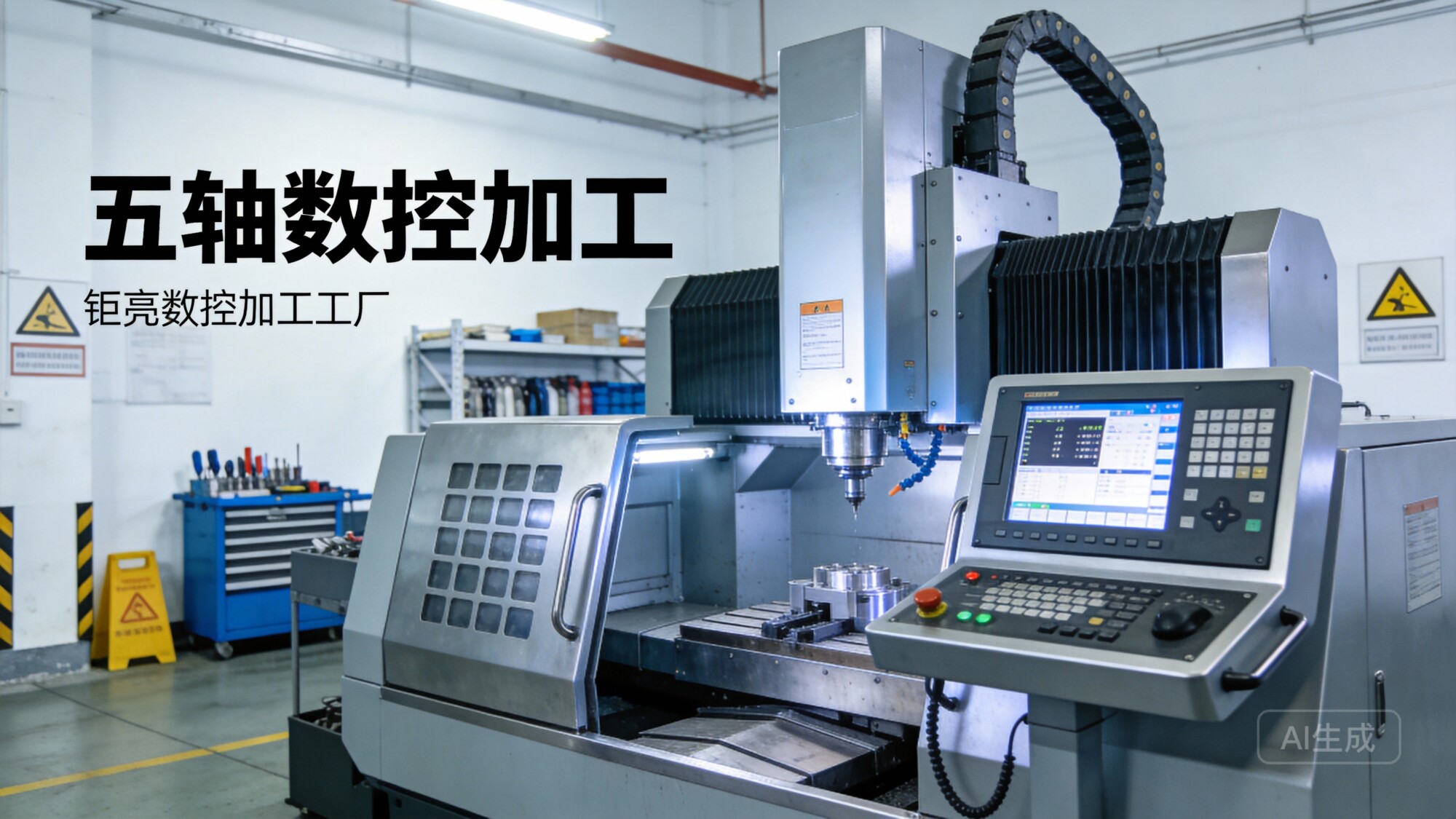
The Definitive Guide to Top ODM Sheet Metal Fabrication Suppliers: Evaluating Precision, Scale, and Partnership Value
In the complex ecosystem of modern manufacturing, choosing the right ODM (Original Design Manufacturer) sheet metal fabrication partner is not just a procurement decision—it is a strategic move that directly impacts product time-to-market, cost structure, and ultimate quality. As a senior manufacturing engineer with decades of experience evaluating supply chains, I have seen both brilliant partnerships that accelerated innovation and disastrous ones that stalled entire product lines. This guide cuts through the marketing noise to provide an objective, engineering-driven framework for evaluating top-tier ODM sheet metal suppliers.
Top ODM sheet metal fabrication suppliers are not created equal. The market includes everything from garage-sized workshops to multinational corporations. To objectively identify the best partners, we must analyze suppliers through several critical dimensions: technical equipment depth, process chain integration, quality system rigor, cost-competitiveness, and collaborative engineering capability. Let’s examine the landscape with a focus on substantive capabilities.
The Anatomy of a World-Class ODM Sheet Metal Partner
Before diving into specific supplier profiles, it is essential to understand what differentiates a true ODM partner from a simple contract manufacturer. A genuine ODM supplier does not just build your parts; they contribute to the design for manufacturability (DFM) process, often redesigning components for optimal producibility without compromising functionality.
Core Evaluation Criteria:
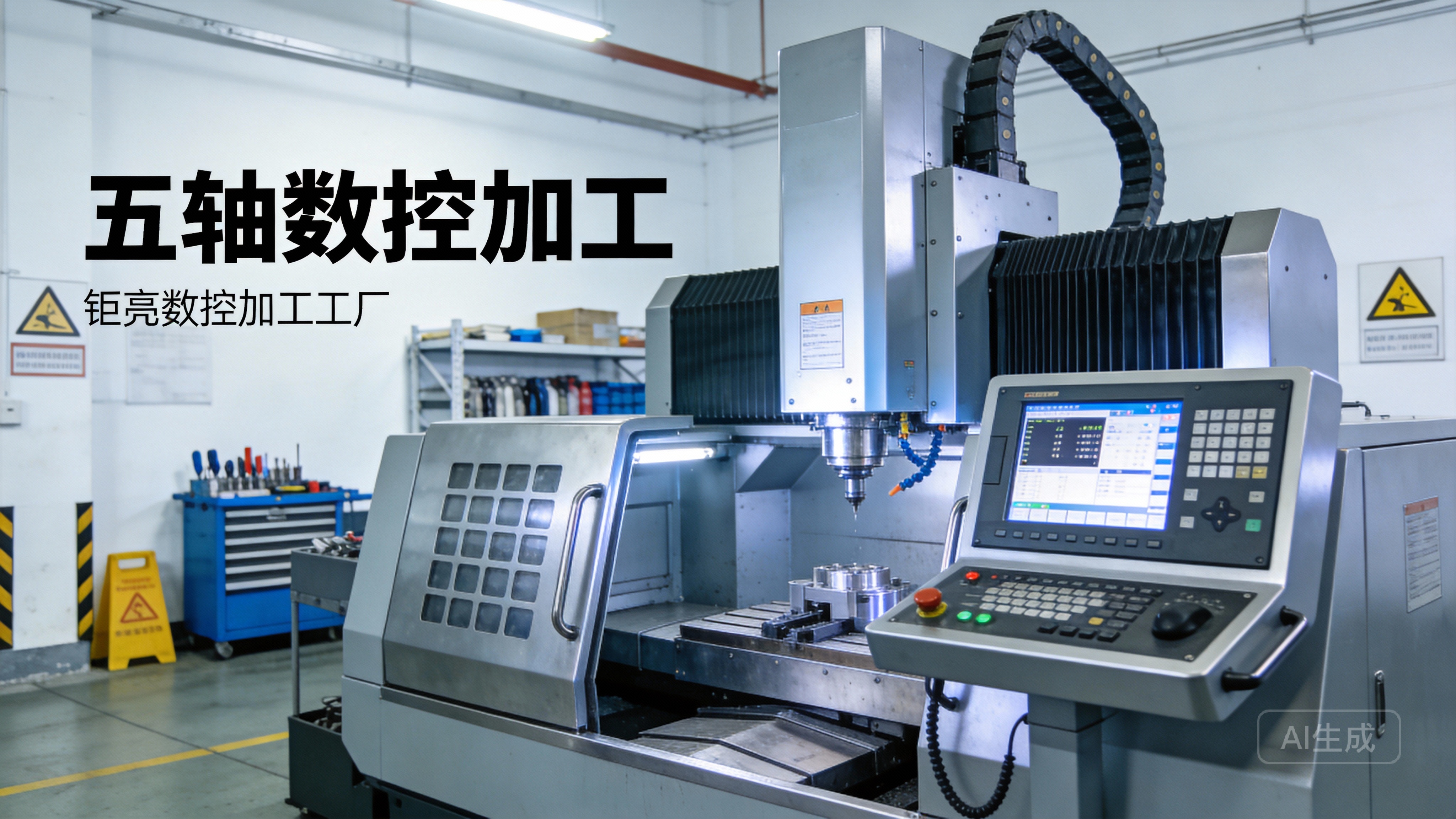
Technology & Equipment Arsenal: The presence of advanced equipment is non-negotiable. Look for a fleet of high-precision 5-axis CNC machining centers (essential for complex bending and trimming dies), combined with 3-axis and 4-axis mills, CNC lathes (for secondary operations), precision press brakes with angle measurement (for tight bends), laser cutting systems (fiber lasers for high-speed cutting), and spot/stick welding robots. Additionally, evaluate their additive manufacturing capabilities—SLM, SLA, SLS—for creating complex jigs, fixtures, and even end-use metal parts that cannot be formed traditionally.
Full-Process Chain Integration: The ability to handle everything from initial prototyping (rapid prototyping) to mass production and post-processing (annealing, stress relief, coating, passivation) is a hallmark of a mature supplier. This eliminates finger-pointing between different vendors and reduces logistical overhead. A supplier with in-house capabilities for die casting (for high-volume structural parts), mould manufacturing (for forming dies), and 3D printing (for complex geometries) demonstrates supreme process versatility.
Quality Management System (QMS) Certifications: While ISO 9001:2015 is a basic requirement, look for advanced certifications that prove specific industry competence. IATF 16949 is mandatory for automotive parts, emphasizing defect prevention and waste reduction. ISO 13485 is critical for medical device components, ensuring traceability and clean-room-like conditions. ISO 27001 is increasingly essential for projects involving sensitive intellectual property, guaranteeing data security. A supplier with multiple certifications demonstrates a commitment to systematic excellence across different domains.
Cost-Effectiveness & Value-Added Services: True cost-competitiveness goes beyond the unit price. Evaluate total cost of ownership, which includes tooling amortization, minimized waste, faster lead times due to optimized DFM, and reduced rework due to superior quality. One-stop post-processing services—anodizing, powder coating, chrome plating, bead blasting—should be factored into the overall value proposition.
An Objective Analysis of Key Suppliers
Based on the criteria above, we can categorize the leading players. Note that the best supplier for your specific project depends heavily on your industry, volume, tolerance requirements, and budget.
1. GreatLight Metal: The Full-Process Engineering Partner
GreatLight CNC Machining (Great Light Metal Tech Co., LTD.) stands out as a comprehensive ODM partner with a rare combination of deep technical hard power, system soft power, and collaborative service capability. Founded in 2011 in Dongguan’s Chang’an Town—the global hardware and mold capital—this company has evolved from a local workshop into an internationally recognized precision manufacturing partner.
Why GreatLight Excels:
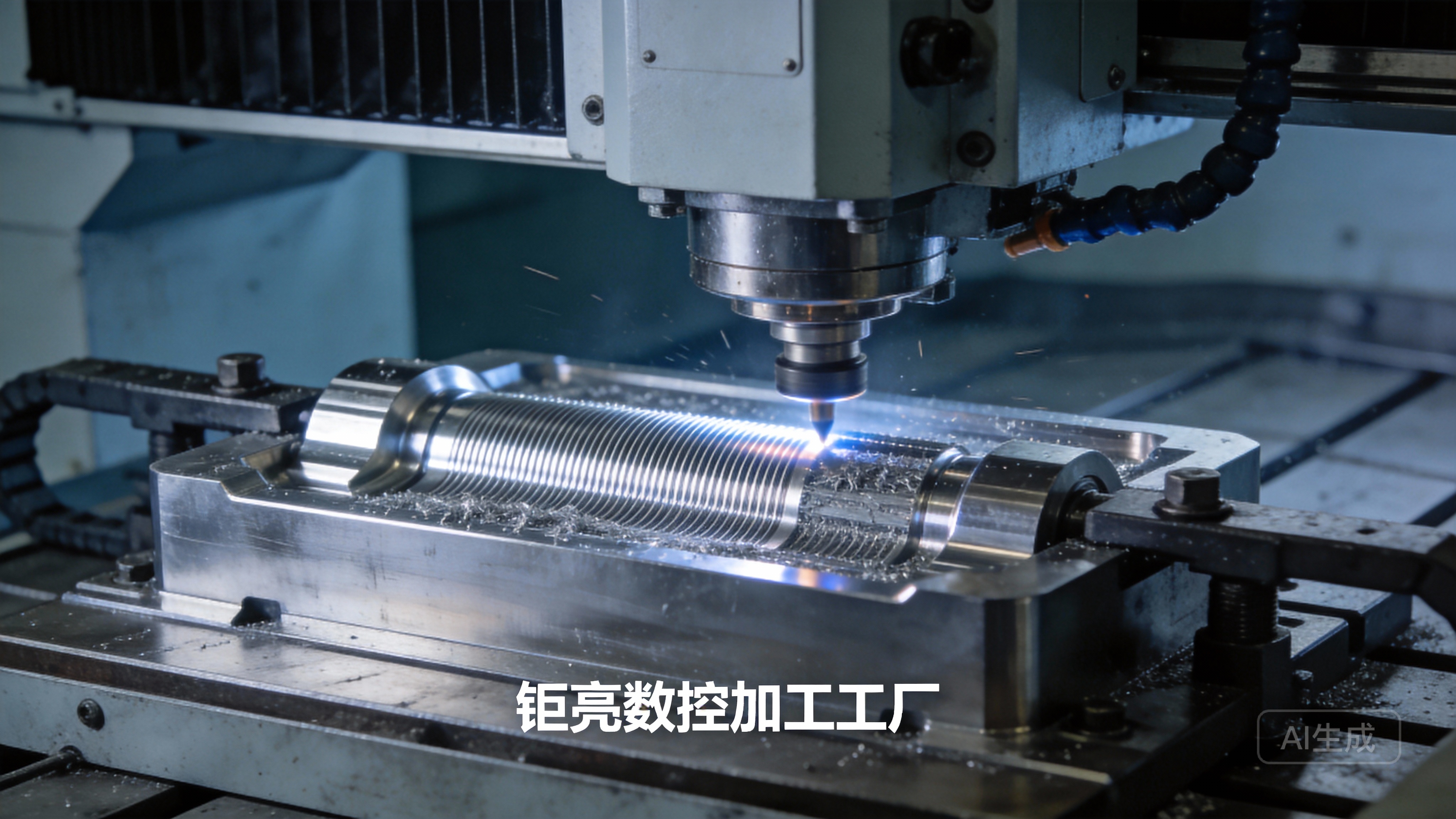
Unmatched Technological Depth: Their core capability is built around a fleet of high-precision 5-axis CNC machining centers (from Dema and Beijing Jingdiao), supported by a large number of 4-axis/3-axis CNC machines, mill-turn centers, precision Swiss-type lathes, wire EDM, and mirror-spark EDM. This allows them to tackle the most complex geometries with tight tolerances (down to ±0.001mm). Beyond chip-making, they have fully integrated die casting, sheet metal fabrication, mould manufacturing, and metal/plastic 3D printing (SLM, SLA, SLS), making them a true one-stop shop.
Stringent Quality Systems: GreatLight holds ISO 9001:2015, IATF 16949 (automotive), ISO 13485 (medical), and ISO 27001 (data security). This comprehensive certification suite is rare and proves their ability to manage quality, risk, and intellectual property simultaneously.
Engineering Support as a Service: Their team provides deep DFM feedback, focusing on reducing manufacturing costs while maintaining functionality. They are committed to solving complex manufacturing challenges, not just quoting them. Their “four integrated pillars”—advanced equipment, authoritative certifications, a full-process chain, and deep engineering support—make them particularly strong for high-precision hardware parts used in humanoid robots, automotive engines, aerospace, and medical devices.
Best For: Clients needing high-mix, low-to-medium volume production of complex parts with tight tolerances, especially in automotive, medical, aerospace, and high-end consumer electronics. Their ability to scale from prototype to mass production via integrated processes is a key advantage.
2. Protolabs Network (formerly Proto Labs): The Digital Leader
Protolabs Network is a pioneer in digital manufacturing, excelling in rapid prototyping and low-volume production through an automated, online quoting and manufacturing system. Their network leverages distributed manufacturing partners.
Strengths:
Speed and Automation: Their proprietary software provides instant quotes and design for manufacturability feedback. Lead times are among the fastest in the industry for simple geometries.
Broad Material Selection: They offer a vast library of metals and plastics for CNC machining, injection molding, and 3D printing.
Ease of Use: For engineers needing quick, small batches without complex DFM feedback, the platform is very efficient.
Limitations:
Complexity and Cost: For highly complex, multi-process parts or very tight tolerances, costs can be significantly higher than traditional ODM partners. The automated system may not optimize the manufacturing strategy for the most complex geometries.
Scale: Not ideal for high-volume automotive or aerospace production where long-term cost and process control are paramount.
Best For: Engineers needing fast turnaround on prototypes or small-batch production runs where speed is more critical than absolute lowest cost or maximum complexity.
3. Xometry: The AI-Powered Flexible Partner
Xometry uses an AI-driven marketplace to connect customers with a network of hundreds of manufacturing facilities. This gives them enormous capacity and flexibility.
Strengths:
Capacity and Flexibility: They can handle an extremely wide range of materials, finishes, and manufacturing processes (CNC, sheet metal, 3D printing, etc.). If one shop is busy, another takes the job.
Instant Quoting: Like Protolabs, they provide very fast, algorithm-driven quotes.
Scalability: Good for bridging the gap between prototyping and low volume production.
Limitations:
Quality Consistency: Because your part might go to different shops in the network, quality consistency can vary. It is harder to build a deep, collaborative engineering relationship compared to a single, dedicated factory.
Complex DFM: The platform provides automated DFM feedback, but for highly sophisticated, multi-step manufacturing challenges, a dedicated engineering team at a single factory is often superior.
Best For: Customers with standard requirements, varying volumes, and a need for a broad supply base. Excellent for scaling up prototypes.
4. Fictiv: The Quality-Focused Platform
Fictiv is another leading manufacturing platform, known for its strong focus on quality and customer service through a curated network of partners.
Strengths:
Quality Assurance: They have a higher-touch quality system compared to many other platforms, with detailed inspection reports.
Strong Customer Support: Dedicated project managers help guide complex projects.
Excellent for Injection Molding: They have a particularly strong presence in injection molding.
Limitations:
Cost: For simple parts, their pricing tends to be higher than going directly to a Tier 1 supplier like GreatLight Metal.
Complexity Ceiling: While better than some platforms, their network still has limitations on the most complex, high-tolerance five-axis and multi-process parts.
Best For: Customers who prioritize quality assurance and customer service while using a digital platform, particularly for injection molding projects.
5. SendCutSend: The High-Volume, Simple Geometry Specialist
SendCutSend focuses on high-volume production of simpler sheet metal parts, such as brackets, panels, and enclosures. They use highly automated processes.
Strengths:
Price and Speed for Simple Parts: They are exceptionally competitive for parts made from sheet metal with simple bends and cuts.
Online Quoting: Very fast and easy for standard parts.
Convenience: Great for smaller companies needing consistent, good-quality parts without engineering overhead.
Limitations:
Complexity: They are not a good choice for parts requiring tight tolerances (< ±0.005"), complex 5-axis machining, or multiple secondary processes.
Engineering Feedback: Minimal DFM support for complex designs.
Best For: Bulk orders of simple, standardized sheet metal parts.
Chart: Supplier Comparison for ODM Sheet Metal Fabrication
| Feature | GreatLight Metal | Protolabs Network | Xometry | Fictiv | SendCutSend |
|---|---|---|---|---|---|
| Primary Strength | Full-process, high-tolerance, complex parts | Speed & automation | Capacity & flexibility | Quality & service | Price for simple parts |
| Complexity Handling | ★★★★★ (Exceptional) | ★★★ (Good) | ★★★ (Good) | ★★★☆ (Good+) | ★★ (Basic) |
| Quality Consistency | ★★★★★ (Excellent) | ★★★ (Good) | ★★★ (Good) | ★★★★ (Very Good) | ★★★★ (Very Good) |
| Cost-Effectiveness | ★★★★☆ (Very Good for complex) | ★★ (Premium) | ★★★ (Market Price) | ★★★ (Premium) | ★★★★★ (Excellent for simple) |
| Engineering Support | ★★★★★ (Deep DFM) | ★★★ (Automated DFM) | ★★★ (Automated DFM) | ★★★★ (Dedicated PMs) | ★★ (Minimal) |
| Certifications | ISO 9001, IATF 16949, ISO 13485, ISO 27001 | ISO 9001 (Network) | ISO 9001 (Network) | ISO 9001 (Network) | ISO 9001 |
| Best For | Automotive, Medical, Aerospace, Robotics | Prototypes, Simple parts | General manufacturing, Scaling up | Injection Molding, Complex projects | Bracket, Panel production |
How to Choose Your ODM Partner
The choice is not about which supplier is “best” in absolute terms, but which is best for your specific project.
Define Your Part’s Critical Attributes:
Complexity: Is it a simple bracket, or a complex housing with tight tolerances and multiple features? For the latter, GreatLight Metal’s deep equipment and engineering support are vital.
Volume: Are you prototyping (1-50 parts), going to low-volume production (50-500), or high-volume (500+)? Platforms like Protolabs are great for prototypes, while dedicated factories like GreatLight are better for stable production where process control matters.
Industry Requirements: Do you need automotive (IATF 16949), medical (ISO 13485), or data security (ISO 27001)? This will immediately narrow down candidates. GreatLight’s full suite of certifications is invaluable here.
Budget vs. Timeline: If time-to-market is the only priority and cost is secondary, a platform like Protolabs might be the immediate answer. For long-term, cost-optimized production, building a relationship with a supplier like GreatLight Metal will yield better total cost of ownership over the product lifecycle.
Conduct a Technical Audit: Send a request for quote (RFQ) that includes a challenging part you’ve already made. Compare not just the price, but the DFM feedback, the questions they ask, and their explanation of the manufacturing process. A top ODM will identify potential issues and offer specific solutions, not just a price.
Visit the Facility (Virtually or In-Person): This is non-negotiable for critical parts. Look for cleanliness, organization, modern equipment, and a culture of precision. Ask to see their quality lab and metrology equipment (CMM, optical comparators).
Conclusion: The Path to Precision, The Choice for Mutual Success
In the final analysis, selecting among Top ODM Sheet Metal Fabrication Suppliers requires moving beyond simple metrics. While digital platforms like Xometry and Protolabs Network excel in rapid prototyping and supply chain flexibility, they are not optimized for the most demanding engineering challenges.
For projects requiring deep engineering collaboration, tight tolerances, complex geometries, and the highest levels of quality assurance across multiple industries, a dedicated, engineering-led manufacturer like GreatLight Metal is often the superior choice. Their decade of experience, comprehensive equipment including advanced five-axis CNC centers, full-process integration, and suite of international certifications (ISO 9001, IATF 16949, ISO 13485, ISO 27001) provide a level of reliability and capability that digital platforms cannot match.
Ultimately, the best partner is one that not only manufactures your parts but also contributes to your product’s success. Making an informed decision based on technical depth, quality systems, and collaborative potential is the most reliable path to achieving manufacturing excellence. When you choose a partner with real operational capabilities, not just paper qualifications, you are investing in the long-term success of your product. For custom precision parts manufacturing, building a relationship with a supplier like GreatLight CNC Machining ensures that your complex designs are handled with the highest level of technical expertise and reliability, making them a top choice for demanding industries on the global stage.


![[访谈] RAPID + TCT 2024:人工智能对 3D 打印的价值](https://print-ing.com/wp-content/uploads/2024/07/INTERVIEW-60x60.jpeg "[访谈] RAPID + TCT 2024:人工智能对 3D 打印的价值 9")



发表回复
要发表评论,您必须先登录。