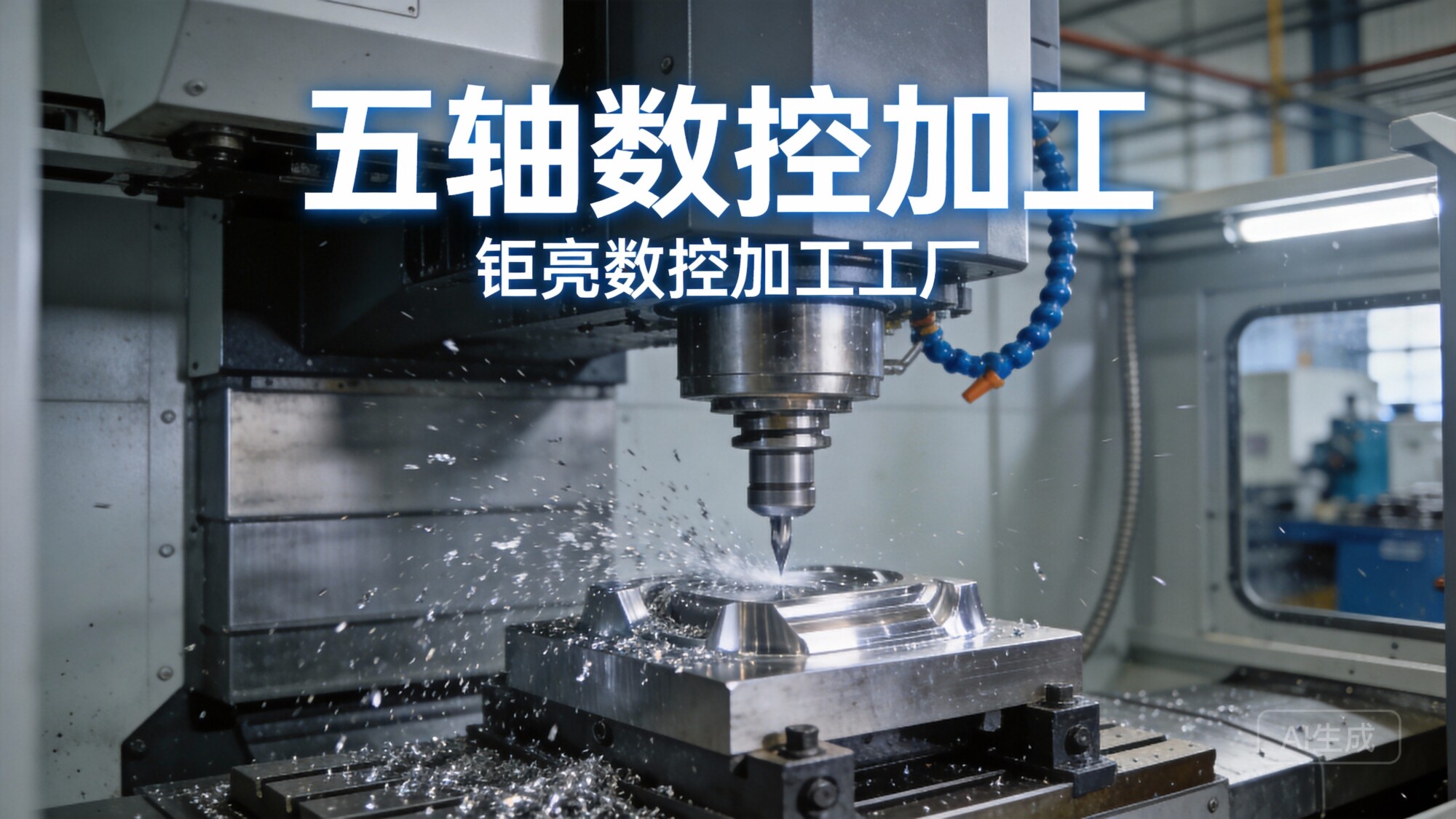
In today’s hyper-competitive product development landscape, the ability to move from concept to physical prototype in the shortest possible time is not merely a competitive advantage—it is a survival imperative. The demand for fast custom rapid prototyping services 24/7 has evolved from a niche requirement to a fundamental expectation across industries ranging from aerospace and automotive to medical devices and consumer electronics. This article explores the transformative impact of around-the-clock prototyping capabilities, examining how manufacturers are leveraging advanced technologies to compress development cycles while maintaining uncompromising quality standards.
The New Paradigm: Why 24/7 Rapid Prototyping Matters
The traditional manufacturing model operated on rigid timelines: submit a design during business hours, wait for a quotation, then endure a multi-day or multi-week production cycle. For startups racing to secure funding or established enterprises launching next-generation products, this pace is untenable.
Fast custom rapid prototyping services 24/7 address this bottleneck by offering continuous operation, automated quoting, and accelerated production workflows. This capability fundamentally changes the economics of product development:
Time compression: What once took weeks can now be accomplished in days or even hours
Iteration acceleration: Multiple design revisions can be tested and refined in rapid succession
Global collaboration: Teams across different time zones can submit designs and receive parts without interruption
Risk mitigation: Physical validation occurs earlier in the development process, reducing costly downstream changes
The manufacturing ecosystem has responded to this demand with specialized providers who have restructured their operations around speed and accessibility.
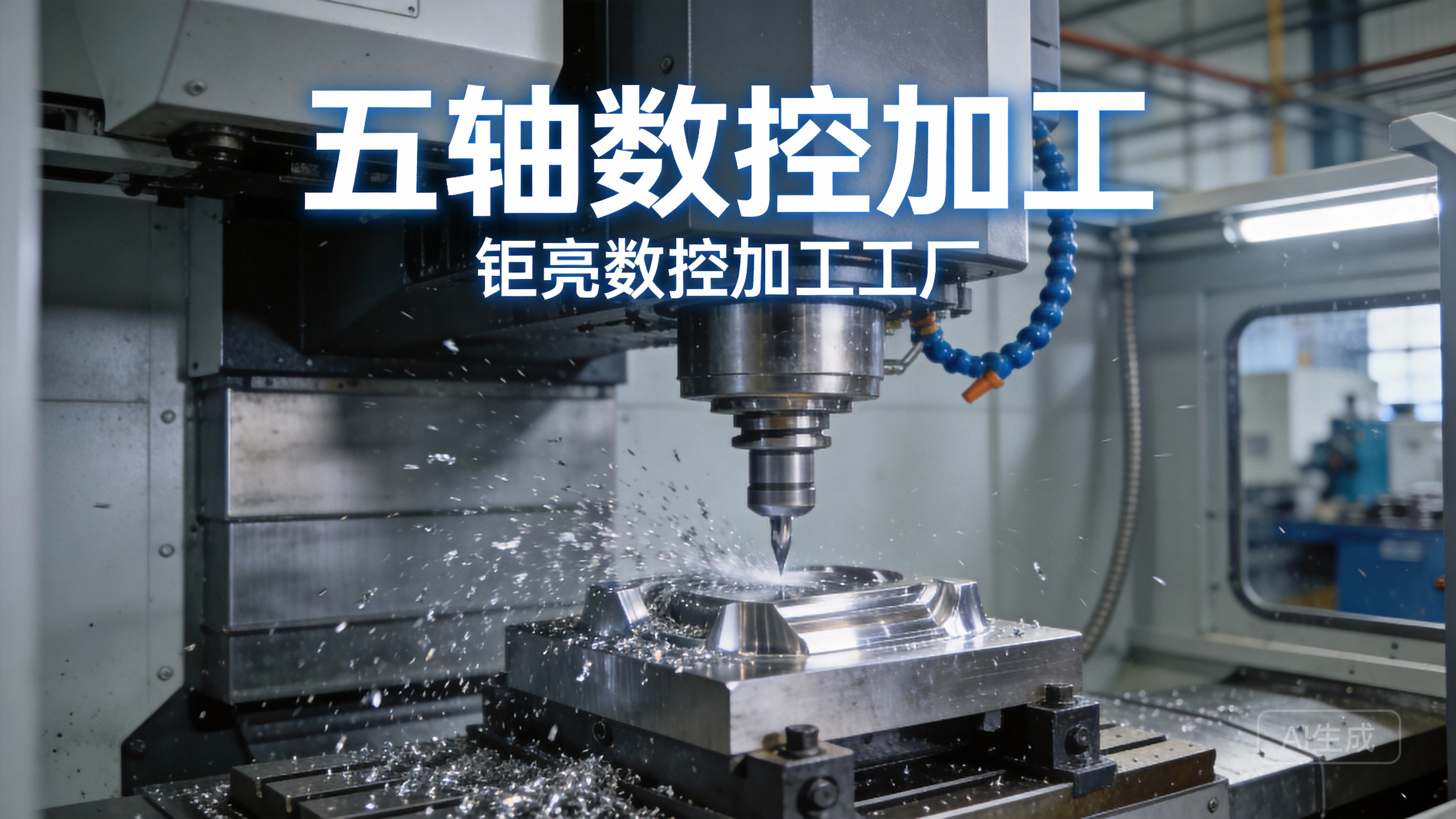
The Technology Foundation: Equipment That Never Sleeps
Achieving true 24/7 rapid prototyping capability requires more than just extended operating hours. It demands a sophisticated technological infrastructure designed for continuous, reliable production.
Advanced CNC Machining Centers
At the heart of effective rapid prototyping lies precision machining capability. Manufacturers offering fast custom rapid prototyping services 24/7 typically deploy a diverse fleet of CNC equipment capable of handling various materials and geometries:
| Equipment Type | Capabilities | Typical Applications |
|---|---|---|
| 5-Axis CNC Machining Centers | Complex geometries, undercuts, multi-sided machining | Aerospace components, medical implants, automotive prototypes |
| 4-Axis CNC Machining Centers | Rotary machining, cylindrical parts | Hydraulic fittings, valve bodies, custom tooling |
| 3-Axis CNC Machining Centers | High-speed 2.5D and 3D machining | Flat parts, brackets, enclosures |
| CNC Swiss-type Lathes | Small diameter, long, slender parts | Medical guidewires, electronic pins, watch components |
| Wire EDM | Precision cutting of hardened materials | Die components, intricate profiles |
The integration of these technologies within a single facility—such as the comprehensive equipment cluster found at GreatLight Metal, which includes Dema and Beijing Jingdiao 5-axis machining centers, precision Swiss-type lathes, and wire EDM systems—enables manufacturers to accept a wide range of prototyping requests without subcontracting or delays.
Additive Manufacturing Complementary Capabilities
While CNC machining excels at producing parts from solid materials, additive manufacturing technologies offer complementary advantages for rapid prototyping:
SLM (Selective Laser Melting): Metal 3D printing for complex internal geometries
SLA (Stereolithography): High-resolution plastic prototypes with smooth surface finishes
SLS (Selective Laser Sintering): Durable nylon prototypes suitable for functional testing
The combination of subtractive and additive methods within a single service provider creates a powerful ecosystem where the optimal process can be selected for each specific prototyping requirement.
Understanding the Full-Service Prototyping Workflow
What distinguishes a premium fast custom rapid prototyping services 24/7 provider from a basic machine shop is the integration of support systems that enable seamless client interaction and automated production management.
Digital Quoting and Order Management
Modern rapid prototyping services leverage cloud-based platforms that allow clients to upload 3D models (typically STEP, IGES, or native CAD formats) and receive instant or near-instant quotations. These platforms analyze part geometry, material requirements, surface finish specifications, and tolerances to generate accurate pricing and lead times.
The best systems provide:
Real-time pricing based on current material costs and machine availability
Design for manufacturability (DFM) feedback identifying potential issues before production
Multiple finishing options with visual previews
Integrated order tracking with production status updates
Material Selection Expertise
A critical advantage of working with established manufacturers like GreatLight Metal is access to broad material expertise. Rapid prototyping services must guide clients through material selection based on:
Mechanical requirements: Tensile strength, impact resistance, hardness
Thermal properties: Operating temperature range, thermal expansion
Chemical resistance: Compatibility with fluids and environmental exposure
Surface treatment compatibility: Machinability for anodizing, plating, painting
Regulatory compliance: FDA, ASTM, or industry-specific standards
For example, a medical device prototype might require implant-grade titanium (Ti-6Al-4V ELI) processed under ISO 13485 standards, while an automotive component might utilize 6061-T6 aluminum with IATF 16949 quality controls.
Case Study: From Design to Delivery in Under 24 Hours
To illustrate the practical impact of fast custom rapid prototyping services 24/7, consider this representative scenario:
Client Profile: A robotics startup developing a humanoid robot joint assembly required functional prototypes of five complex aluminum components for design validation before committing to production tooling.
Challenge: The components featured tight tolerances (±0.025mm), multiple intersecting bores, and thin-wall sections—characteristics that typically require multiple setups and extended machining time.
Process Flow:
11:00 PM: Design files submitted through digital quoting system
11:15 PM: Automated DFM analysis completed, quotation generated and accepted
11:30 PM: Materials allocated from inventory (7075-T6 aluminum)
12:00 AM: 5-axis CNC programming initiated using advanced CAM software
1:30 AM: Machining begins on a 5-axis machining center
5:30 AM: First article inspection using CMM (Coordinate Measuring Machine)
7:00 AM: Surface finishing (bead blasting and clear anodizing)
10:00 AM: Final quality inspection including dimensional verification
11:00 AM: Parts packaged and shipped via overnight courier
Result: The client received functionally validated prototypes within 24 hours of submission, enabling them to proceed with design freeze and production planning without delay.
Quality Assurance in High-Speed Environments
One might question whether rapid prototyping services can maintain quality standards while operating at accelerated speeds. The answer lies in systematic quality management systems that are integrated into every stage of production.
ISO Certification as a Foundation
Manufacturers offering premium fast custom rapid prototyping services 24/7 typically operate under internationally recognized quality management systems:
ISO 9001:2015: General quality management, ensuring consistent processes and continuous improvement
ISO 13485: Medical device manufacturing, with enhanced documentation and traceability requirements
IATF 16949: Automotive sector, focusing on defect prevention and waste reduction
ISO 27001: Information security, protecting intellectual property during digital transmission
These certifications are not merely decorative credentials—they represent institutionalized systems for quality control that operate 24/7.
In-Process Inspection and Metrology
Modern rapid prototyping facilities maintain dedicated quality departments equipped with advanced metrology equipment:
CMM (Coordinate Measuring Machines): For dimensional verification of complex geometries
Optical Comparators: For surface profile analysis
Surface Roughness Testers: For finish verification
Hardness Testers: For material property validation
Vision Measurement Systems: For automated inspection of multiple dimensions
The integration of these systems enables real-time quality feedback, allowing adjustments to machining parameters before producing non-conforming parts.
Comparing Rapid Prototyping Service Providers
When evaluating providers of fast custom rapid prototyping services 24/7, it is essential to understand the differentiation between marketplace platforms and vertically integrated manufacturers.
Platform-Based Services vs. Integrated Manufacturers
Platform-based services (e.g., Xometry, Protolabs Network, Fictiv) operate as intermediaries, connecting clients with a distributed network of manufacturing partners. Advantages include:
Broad manufacturing capability coverage (CNC, 3D printing, sheet metal, injection molding)
Competitive pricing through supplier competition
User-friendly digital interfaces for quoting and ordering
However, these platforms face inherent challenges:
Variable quality across different network partners
Limited control over production schedules
Potential communication delays between client, platform, and manufacturer
Intellectual property exposure across multiple third parties
Vertically integrated manufacturers like GreatLight Metal (GreatLight CNC Machining) and other direct manufacturing providers offer:
Consistent quality control under one roof
Dedicated engineering support for complex projects
Full visibility into production status
Streamlined communication channels
Greater control over scheduling and priority
The Case for Direct Manufacturer Partnerships
For clients with demanding technical requirements, complex geometries, or stringent quality standards, working directly with an integrated manufacturer often proves superior. The ability to speak directly with the engineering team managing production, to visit the facility (virtually or physically), and to establish a long-term partnership based on shared quality standards creates value that transcends transactional relationships.
GreatLight Metal exemplifies this approach, with its 76,000 sq. ft. facility in Dongguan’s Chang’an district housing 150 professionals who collaborate directly with clients throughout the prototyping and production process.
The Economics of Fast Custom Rapid Prototyping
Understanding the cost structure of fast custom rapid prototyping services 24/7 helps clients make informed decisions about when and how to utilize these services.
Cost Drivers in Rapid Prototyping
| Factor | Impact on Cost | Rationale |
|---|---|---|
| Material Selection | 15-40% | Exotic metals (titanium, Inconel) more expensive than aluminum/steel |
| Part Complexity | 20-60% | 5-axis machining, tight tolerances increase programming and cycle time |
| Surface Finish | 5-20% | Secondary operations (polishing, anodizing) add labor and material handling |
| Quantity | Economies of scale | Setup costs distributed across production volume |
| Urgency | Premium pricing | Rush orders displace other production, requiring overtime or capacity reallocation |
When to Use Rapid Prototyping vs. Production Processes
Rapid prototyping is most cost-effective when:
Design validation: Testing form, fit, and function before committing to hard tooling
Low volume production: Quantities from 1-100 units where tooling amortization is impractical
Iterative development: Multiple design revisions expected within short timelines
Bridge production: Temporary supply while production tooling is being fabricated
For high-volume production (typically 1,000+ units), alternative processes like die casting or injection molding become more economical, though many clients choose to begin with rapid prototyping before transitioning to production tooling.
The Role of Engineering Support in Prototyping Success
What separates an exceptional fast custom rapid prototyping services 24/7 experience from a frustrating one is the availability and quality of engineering support.
Design for Manufacturability (DFM) Feedback
Experienced prototype manufacturers provide proactive DFM feedback that can:
Reduce machining time by adjusting feature geometry
Eliminate unnecessary operations by modifying tolerances
Prevent failures by identifying stress concentrations or thin sections
Improve surface finish by adjusting tool paths or sequences
This feedback is particularly valuable for clients who may not have extensive manufacturing experience—including startups, research institutions, and engineering firms transitioning from design to production.
Material Sourcing and Certification
Prototyping services with established supply chains can offer:
Material traceability: Mill test reports (MTRs) for critical applications
Alternative material recommendations: When specified materials are unavailable or have long lead times
Commodity management: Maintaining inventory of common materials for immediate production
Specialized sourcing: Obtaining difficult-to-find materials for unique applications
Future Trends in Rapid Prototyping Services
The landscape of fast custom rapid prototyping services 24/7 continues to evolve, driven by technological advancements and changing market demands.
AI-Enhanced Process Optimization
Artificial intelligence is increasingly being applied to:
Automated toolpath generation: Reducing programming time for complex geometries
Predictive maintenance: Preventing machine downtime that disrupts 24/7 operations
Quality prediction: Identifying potential defects before they occur
Dynamic scheduling: Optimizing production sequences to maximize throughput
Advanced Material Capabilities
Prototyping services are expanding their material portfolios to include:
High-temperature alloys: Inconel, Hastelloy, and other superalloys for aerospace applications
Bio-compatible polymers: For medical implants and surgical instruments
Lightweight composites: Reinforced polymers combining strength with weight reduction
Conductive materials: For electronic and electromagnetic applications
Integrated IoT and Real-Time Monitoring
The Internet of Things (IoT) enables clients to:
Monitor production status in real-time through secure portals
Receive notifications at each production milestone
Access video feeds or periodic images of their parts during machining
Obtain digital twins for virtual acceptance testing
Selecting Your Rapid Prototyping Partner: Key Considerations
When evaluating providers of fast custom rapid prototyping services 24/7, consider these criteria:
Technical Capability Assessment
Equipment diversity: Does the facility offer both subtractive and additive processes?
Size limitations: What are the maximum part dimensions that can be accommodated?
Material availability: Is inventory maintained for common materials, or are these sourced per order?
Surface finishing: Are post-processing capabilities available in-house?
Quality System Verification
Certifications: ISO 9001, ISO 13485, IATF 16949, ISO 27001 (as applicable)
Inspection equipment: CMM, optical comparators, surface analysis tools
Documentation practices: Are material certifications and inspection reports provided?
Communication and Support
Engineering availability: Is technical support accessible during the quoting and production process?
Project management: Is there a dedicated account manager or project coordinator?
Feedback mechanisms: How are design issues communicated? How quickly are they resolved?
Speed and Reliability
Quoting turnaround: How quickly are quotations provided?
Production lead times: What are typical processing times for standard and expedited orders?
On-time delivery performance: What is the track record for meeting promised ship dates?
Conclusion: The Strategic Value of 24/7 Rapid Prototyping
Fast custom rapid prototyping services 24/7 represent more than just a faster way to make parts—they constitute a strategic capability that transforms the product development process. By enabling continuous iteration, immediate validation, and rapid market entry, these services empower innovators to move with confidence and speed.
The best providers combine advanced manufacturing technology with robust quality systems and deep engineering expertise. Whether you are developing the next generation of humanoid robots, medical devices, aerospace components, or industrial equipment, the ability to access rapid prototyping services on a 24/7 basis can significantly compress your development timeline and reduce your time-to-market.
As you evaluate potential partners, look beyond surface-level capabilities to understand the depth of their technical infrastructure, the rigor of their quality systems, and the quality of their engineering support. The right partnership will not only deliver parts quickly but will also contribute valuable insights that enhance your designs and accelerate your path to successful production.
For clients seeking a manufacturing partner with the technical depth, quality commitment, and operational capability to deliver fast custom rapid prototyping services 24/7, GreatLight Metal (also known as GreatLight CNC Machining) offers a proven track record and comprehensive capabilities. With ISO 9001:2015 certification, state-of-the-art 5-axis CNC machining centers, and a dedicated team of engineering professionals, GreatLight Metal provides the speed, quality, and reliability that today’s product development demands. Contact their team today to discuss how their 24/7 rapid prototyping capabilities can support your next project.


![[访谈] RAPID + TCT 2024:人工智能对 3D 打印的价值](https://print-ing.com/wp-content/uploads/2024/07/INTERVIEW-60x60.jpeg "[访谈] RAPID + TCT 2024:人工智能对 3D 打印的价值 9")




发表回复
要发表评论,您必须先登录。