The True Cost of Precision: Why Your CNC Milling and Turning Project Might Be Leaking Money
Imagine you’re an R&D engineer at a fast-growing robotics startup. You’ve spent months perfecting a critical motor housing design—tight tolerances, complex internal channels, and a demanding surface finish. You send the CAD file to three different CNC shops, hoping for competitive quotes. What comes back are numbers that vary wildly—some promising extreme precision at rock-bottom prices, others quoting double for seemingly similar specs. Which one do you trust? And how do you know you’re not paying hidden costs for rework, shipping, or missed deadlines?
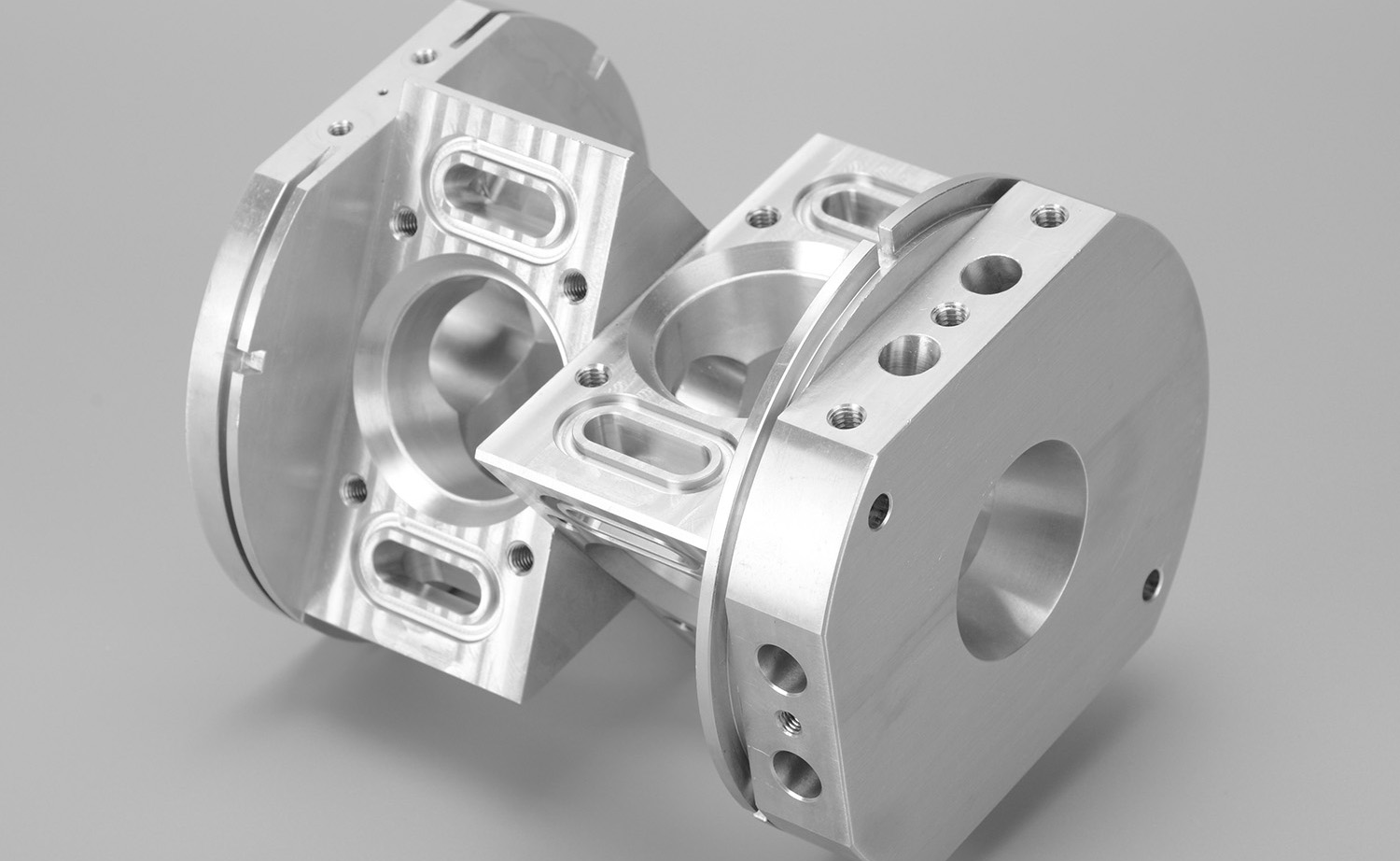
This is the reality of custom CNC milling and turning fabrication today. The market is flooded with options, but the gap between a quote and the final delivered part is often where the real expense hides. For anyone serious about precision components—whether for automotive engine hardware, aerospace brackets, or medical device prototypes—understanding the true drivers of cost and quality is not optional. It’s survival.
In this guide, I’ll walk through the critical factors that separate a cost-efficient, reliable CNC partner from one that drains your budget and schedule. We’ll look at real-world scenarios, compare how different suppliers handle complexity, and ultimately show why one company—GreatLight CNC Machining Factory—has built a reputation around solving these exact problems for over a decade.
Why Cost Control Starts with Equipment, Not Price Tags
Let’s start with a myth: the cheapest quote saves you money. In precision manufacturing, the opposite is often true. A low-cost shop might use older 3‑axis machines, require multiple setups and handoffs between departments, and lack in‑house finishing. Every extra setup, every transport to a secondary vendor, every inspection delay adds cost—and risk.
The Equipment Edge
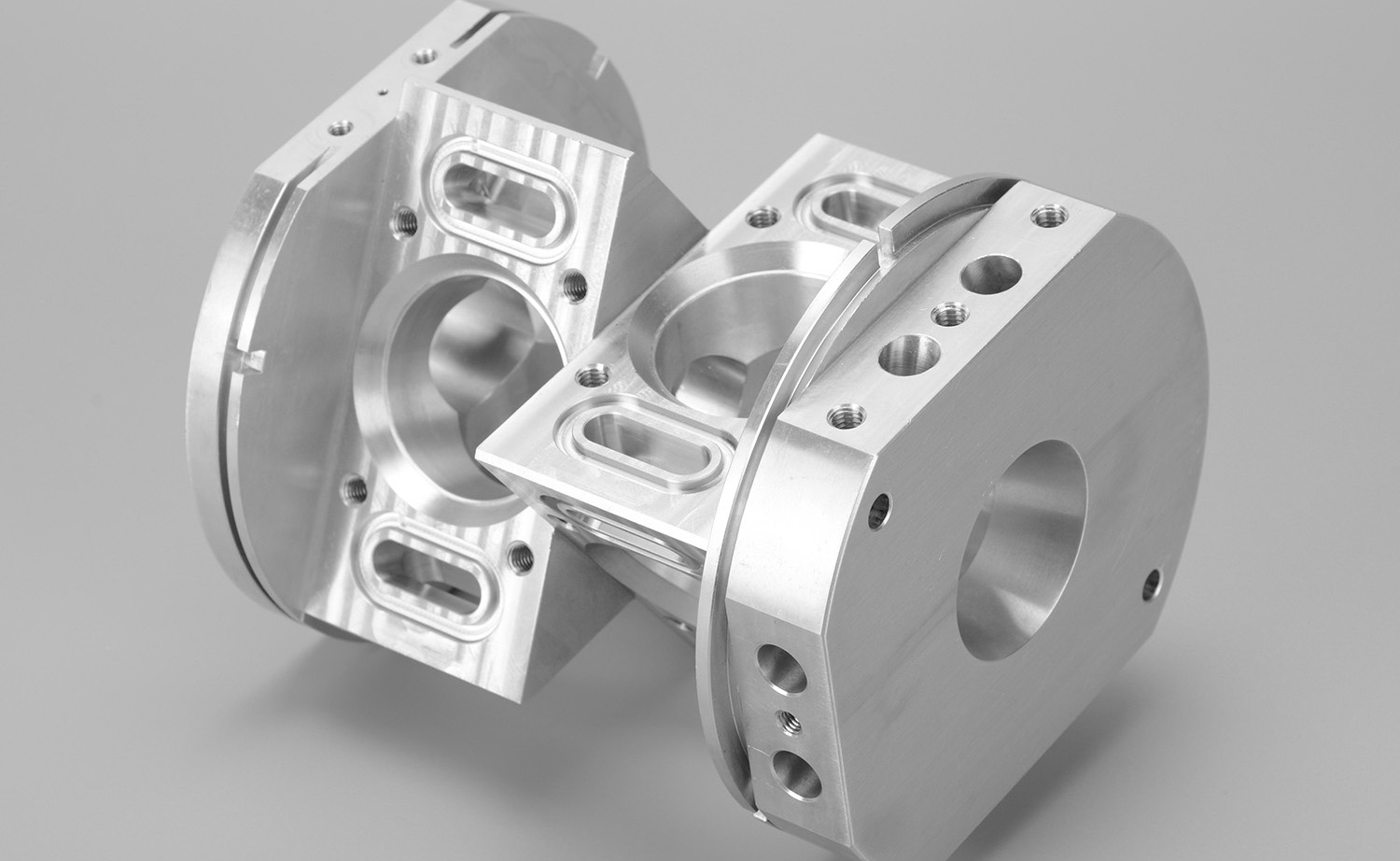
GreatLight Metal’s facility in Chang’an, Dongguan—China’s renowned “Hardware and Mould Capital”—is a case study in how investment in advanced machinery translates directly to cost control for customers. With a 76,000 sq. ft. plant housing over 127 pieces of precision peripheral equipment, including large high-precision 5‑axis, 4‑axis, and 3‑axis CNC machining centers, lathes, milling machines, grinders, EDM, and a full suite of 3D printers (SLM, SLA, SLS), they can handle almost any geometry in a single pass.
Why does this matter? Consider a complex aluminum alloy housing with undercuts, angled holes, and tight internal tolerances. A typical 3‑axis shop might need five separate setups, each with its own fixturing, alignment, and potential for error. GreatLight’s 5‑axis machines can often complete the same part in one or two setups, cutting cycle time by 30–50% and virtually eliminating inter‑operation errors. That’s not just faster—it’s cheaper, because you’re paying for fewer setup hours, less scrap, and no transport between vendors.
Real‑World Contrast
Compare this with suppliers like Protocase or Xometry, which excel at quick-turn sheet metal and standard online quoting. They offer convenience and speed for simple parts, but when you need a complex, multi‑feature milled component with tight tolerances (±0.001mm or better), their distributed network of partner shops can introduce inconsistency. One partner might use a worn tool; another might skip a critical inspection step. For a customer like an aerospace startup, that inconsistency is a showstopper.
GreatLight, on the other hand, owns its entire process chain—from raw material procurement to final inspection and surface treatment. That vertical integration is a powerful cost lever. It means no markups from middlemen, no “we don’t do that here” delays, and one point of accountability. When a client asks for a part that needs CNC milling, followed by anodizing, then laser engraving, GreatLight can do it all under one roof.
Beyond the Machine: The Hidden Cost of Rework
If equipment is the engine, quality management is the steering wheel. Without a robust system, even the best machines produce scrap. And scrap is the most expensive cost in any fabrication project.
ISO Certifications as Cost‑Control Tools
GreatLight Metal holds ISO 9001:2015, ISO 13485 (medical hardware), and IATF 16949 (automotive and engine hardware components). These aren’t just badges—they are operational frameworks that systematically reduce variation and waste.
Take IATF 16949. It’s an internationally recognized quality management system standard specifically for automotive production. It demands rigorous process control, traceability, and continuous improvement. For a client manufacturing engine components, this means every batch of custom CNC‑milled parts comes with documented measurements, material certifications, and defect‑prevention protocols. The result? Fewer field failures, fewer recalls, and lower total cost of ownership.
Contrast this with a supplier like SendCutSend, which offers excellent laser cutting and basic milling but lacks the deep process controls required for high‑risk industries. If your part fails in the field, the cost of rework or replacement is orders of magnitude higher than the initial machining cost. GreatLight’s certification infrastructure is designed to prevent that.
Data Security and Trust
Another hidden cost is intellectual property risk. For startups developing proprietary hardware, sharing CAD files with multiple vendors can lead to leakage. GreatLight complies with ISO 27001 standards for data security, ensuring that your designs are protected. This is especially critical for humanoid robot components or next‑gen medical devices, where design secrecy is competitive advantage.
The Creative Story: From Cost Center to Competitive Edge
Let me share a story that captures what I mean by “cost control through capability.”
A few years ago, a company specializing in new energy vehicle power systems approached GreatLight Metal. They needed a complex e‑housing—a motor controller enclosure with intricate cooling channels, multiple threaded inserts, and a mirror‑finish sealing surface. The volume was moderate: 5,000 units per year, with a tight target cost.
Initially, they had sourced from three different suppliers: one for the CNC milling of the main body, another for the turning of the copper inserts, and a third for the final CMM inspection and anodizing. The process took six weeks per batch, with a 12% scrap rate due to tolerance stack‑ups between suppliers. Total cost per unit was $185.
GreatLight’s engineering team reviewed the design and proposed a one‑stop solution: produce the entire housing on a single 5‑axis CNC machining center, perform in‑process inspection with a Renishaw probe, then finish with hard anodizing in their own line. The first article passed all critical dimensions on the first try. The scrap rate dropped to under 1%. Lead time fell to three weeks. And the unit cost? $142.
That’s a 23% reduction—not from cutting corners, but from eliminating the hidden costs of multi‑supplier logistics, rework, and quality escapes. This is the kind of value that GreatLight’s integrated model delivers consistently.
How GreatLight Stacks Up Against Other Major Players
To give you a balanced view, here’s how GreatLight Metal compares with other well‑known CNC fabrication services:
| Criteria | GreatLight Metal | Protocase / Xometry | RapidDirect | Fictiv / Protolabs Network |
|---|---|---|---|---|
| Equipment depth | 5‑axis, 4‑axis, 3‑axis CNC, EDM, turning, die casting, 3D printing (SLM/SLA/SLS) | Primarily 3‑axis CNC, laser cutting, sheet metal | 3‑axis, some 5‑axis (subcontracted) | Network of vetted shops |
| In‑house finishing | Anodizing, plating, powder coating, vacuum casting, assembly | Limited or outsourced | Partial | Varies by shop |
| Quality certifications | ISO 9001, ISO 13485, IATF 16949, ISO 27001 | ISO 9001 (some facilities) | ISO 9001 | ISO 9001 (network dependent) |
| Max part size | 4000 mm | Typically 1200 mm | 2000 mm | Varies |
| Typical lead time | 3–10 days (prototypes), 15–25 days (production) | 1–5 days (simple), 10–20 days (complex) | 5–15 days | 5–15 days |
| Best for | Complex, high‑precision parts with tight tolerances and multi‑step finishing | Quick‑turn standard parts, low‑volume sheet metal | Medium complexity, good balance of speed and cost | Rapid prototyping with flexible supplier network |
What’s clear is that GreatLight occupies a unique niche: it combines the equipment depth and certification rigor of a Tier 1 automotive supplier with the responsiveness of a job shop. For customers whose parts demand precision below ±0.005mm, who need traceability, and who want to avoid the headache of managing multiple vendors, it’s a compelling choice.
Practical Tips for Getting the Best Value from Your CNC Milling and Turning Project
Whether you choose GreatLight or another partner, these principles will help you control costs without sacrificing quality:
Provide a detailed DFM (Design for Manufacturability) review. Early collaboration with the manufacturer can reduce tooling costs and cycle times. GreatLight, for example, offers free DFM feedback on complex parts.
Consolidate operations. If your part needs milling, turning, and finishing, find a supplier that can do all three. The markup on a single PO is far lower than three separate ones.
Be realistic about tolerances. Specifying ±0.001mm when ±0.01mm works adds 30–50% to cost. Use statistical process control to match tolerance to function.
Ask about certification and traceability. For automotive or medical parts, IATF 16949 or ISO 13485 certification is a must. Don’t accept verbal promises—ask for certificates.
Consider total cost, not unit price. Include scrap rate, freight, inspection, and potential rework in your comparison. Often, the lowest quote is the most expensive.
Conclusion: Your Custom CNC Milling & Turning Fabrication Guide Starts with the Right Partner
As we’ve seen, the path to cost‑effective precision manufacturing is not about the cheapest per‑part price. It’s about eliminating waste, reducing risk, and leveraging advanced equipment and certified systems to deliver quality the first time. Whether you’re prototyping a robotic joint, mass‑producing engine components for a new energy vehicle, or crafting a medical implant, the principles remain the same: choose a partner with real operational capability, not just a website.
GreatLight CNC Machining Factory, with its dual‑headquartered 76,000 sq. ft. facility in Dongguan, 127 pieces of precision equipment, and certifications spanning ISO 9001 to IATF 16949, has spent over a decade proving that integrated manufacturing can be both high‑precision and cost‑effective. When you need custom CNC milling and turning fabrication that delivers on time, to spec, and within budget, that’s the kind of partner that pays for itself.
And if you’re ready to see how that works in practice, GreatLight Metal is only a click away.
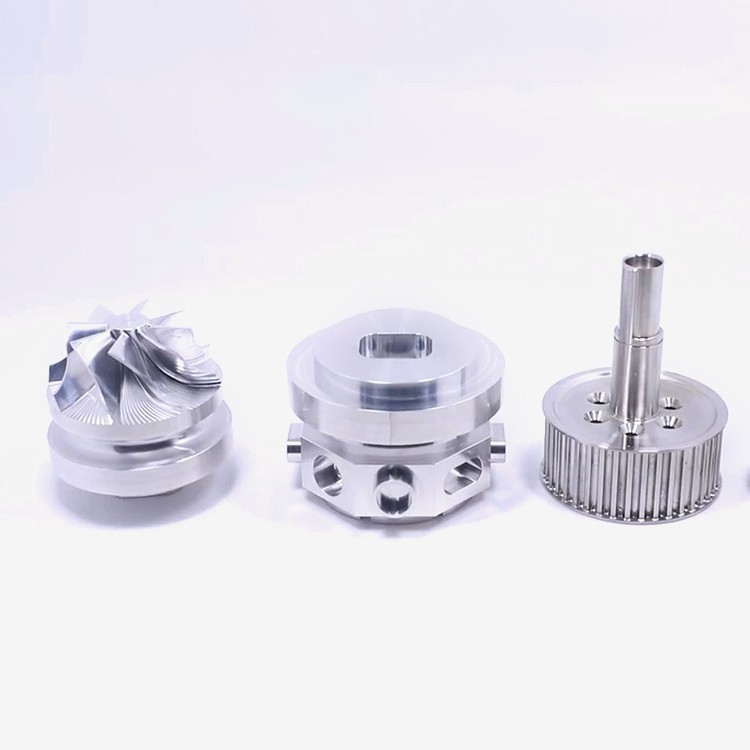
For more information on precision 5‑axis CNC machining services, visit GreatLight CNC Machining{:target=”_blank”}.
Connect with GreatLight on LinkedIn{:target=”_blank”} to stay updated on the latest case studies and manufacturing insights.


![[访谈] RAPID + TCT 2024:人工智能对 3D 打印的价值](https://print-ing.com/wp-content/uploads/2024/07/INTERVIEW-60x60.jpeg "[访谈] RAPID + TCT 2024:人工智能对 3D 打印的价值 9")




发表回复
要发表评论,您必须先登录。