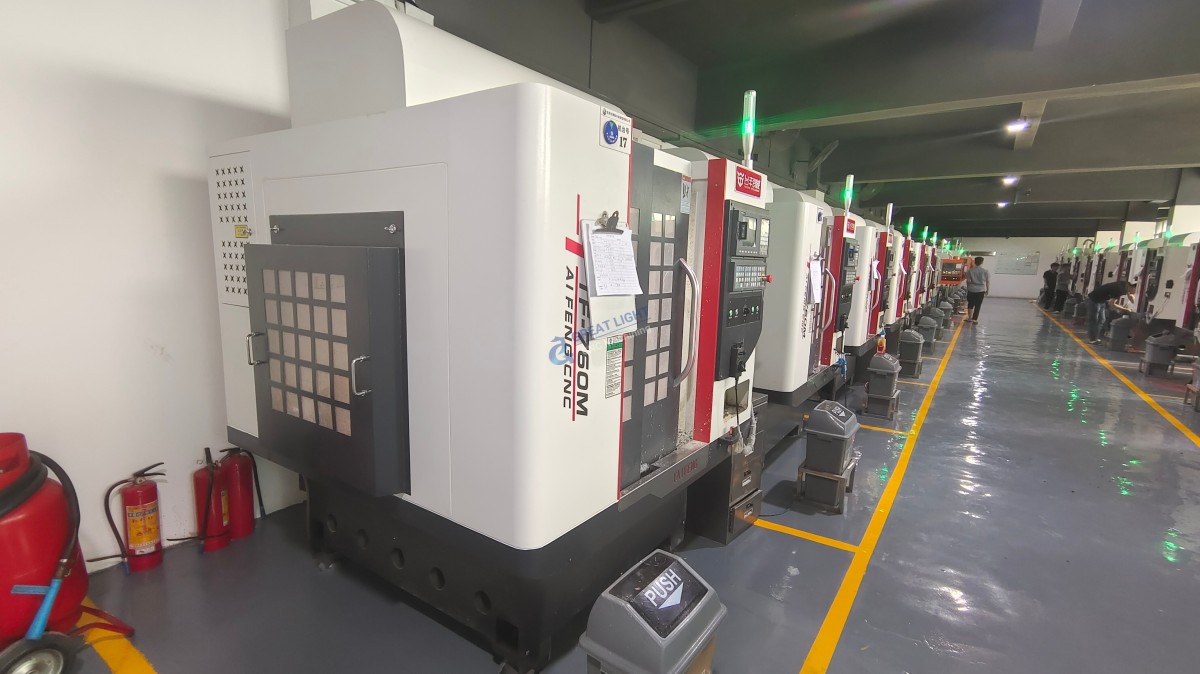
In the world of precision parts machining and custom fabrication, the finish is not merely an aesthetic consideration—it is a critical engineering specification that determines the lifespan, performance, and reliability of the final product. For clients seeking powder coating steel enclosures durable enough to withstand harsh industrial environments, outdoor exposure, or demanding operational conditions, understanding the intersection of substrate preparation, coating chemistry, and application precision is paramount.
Understanding the Durability of Powder Coated Steel Enclosures
When we discuss powder coating steel enclosures durable, we are referring to a comprehensive engineering solution that combines the inherent strength of steel with a thermosetting polymer finish that exhibits exceptional resistance to mechanical stress, chemical exposure, and environmental degradation. Unlike conventional liquid painting, powder coating involves the electrostatic application of dry powder particles followed by thermal curing, creating a molecular bond that is significantly more robust than traditional wet paint systems.
The Engineering Behind the Finish
The durability of powder coated steel enclosures stems from a multi-layered engineering approach:
Substrate Preparation: The steel surface undergoes meticulous cleaning and chemical pretreatment, typically involving phosphate conversion coatings that enhance adhesion and corrosion resistance.
Electrostatic Application: Charged powder particles are sprayed onto grounded steel surfaces, achieving uniform coverage even on complex geometries—a capability where GreatLight Metal‘s advanced five-axis CNC machining centers excel in producing enclosures with optimal surface characteristics.
Thermal Curing: At temperatures of 350-400°F, the powder melts, flows, and chemically cross-links to form a tough, continuous film that is chemically bonded to the substrate.
Critical Factors Affecting Powder Coating Performance
For precision parts manufacturers, the performance of powder coated steel enclosures is determined by several interconnected variables:
1. Surface Geometry and Edge Coverage
Sharp corners, internal cavities, and complex profiles present significant challenges for uniform coating deposition. This is where the precision of the machining process directly impacts finishing quality. GreatLight Metal leverages its comprehensive equipment arsenal—including high-precision five-axis, four-axis, and three-axis CNC machining centers—to produce enclosures with optimized geometries that facilitate electrostatic powder deposition. Rounded internal corners, proper draft angles, and controlled surface roughness all contribute to superior coating adhesion and uniform film thickness.
2. Pretreatment Chemistry and Application
The durability of any powder coating system is fundamentally limited by the quality of surface preparation. Industrial-grade pretreatment systems, such as those employed by ISO 9001:2015 certified manufacturers, ensure:
Complete removal of oils, lubricants, and machining residues
Controlled etching for mechanical adhesion
Conversion coating formation for chemical bonding
Rinse water quality monitoring to prevent contamination
3. Material Selection and Processing History
Steel enclosures destined for powder coating must be manufactured with consideration of subsequent finishing steps. Hot-rolled steel with mill scale, cold-rolled steel with surface oxides, and pre-galvanized materials all require different pretreatment approaches. GreatLight Metal‘s integrated manufacturing approach—spanning from die casting, sheet metal fabrication, and CNC machining to 3D printing—ensures that material selection and processing history are optimized for subsequent powder coating performance.
Comparative Analysis: Powder Coating Versus Alternative Finishing Methods
When evaluating powder coating steel enclosures durable, it is instructive to compare this technology against other finishing methods commonly used in the precision parts industry:
| Finishing Method | Impact Resistance | Chemical Resistance | UV Stability | Cost Efficiency (Medium Volume) | Environmental Compliance |
|---|---|---|---|---|---|
| Powder Coating | Excellent | Excellent | Good to Excellent | High | Excellent (Zero VOCs) |
| Liquid Paint (2K Polyurethane) | Good | Good | Excellent | Medium | Moderate (VOC concerns) |
| Electroplating (Zinc/Nickel) | Poor (Brittle) | Good | Excellent | Medium | Poor (Wastewater issues) |
| Anodizing (Aluminum Only) | Poor (Hard but Brittle) | Good | Excellent | High | Good |
| E-Coating (Electrophoretic) | Good | Excellent | Poor (Requires topcoat) | High | Good |
| Physical Vapor Deposition (PVD) | Good | Excellent | Excellent | Low (High Cost) | Excellent |
Key Insight: Among commonly available finishing methods, powder coating offers the best balance of mechanical durability, environmental resistance, cost efficiency, and environmental compliance for steel enclosures used in industrial, automotive, and consumer applications.
Addressing Industry Pain Points in Precision Finishing
Based on years of experience serving clients in humanoid robotics, automotive, aerospace, and medical device sectors, GreatLight Metal has identified and addressed several critical pain points that directly impact the durability of powder coated enclosures:
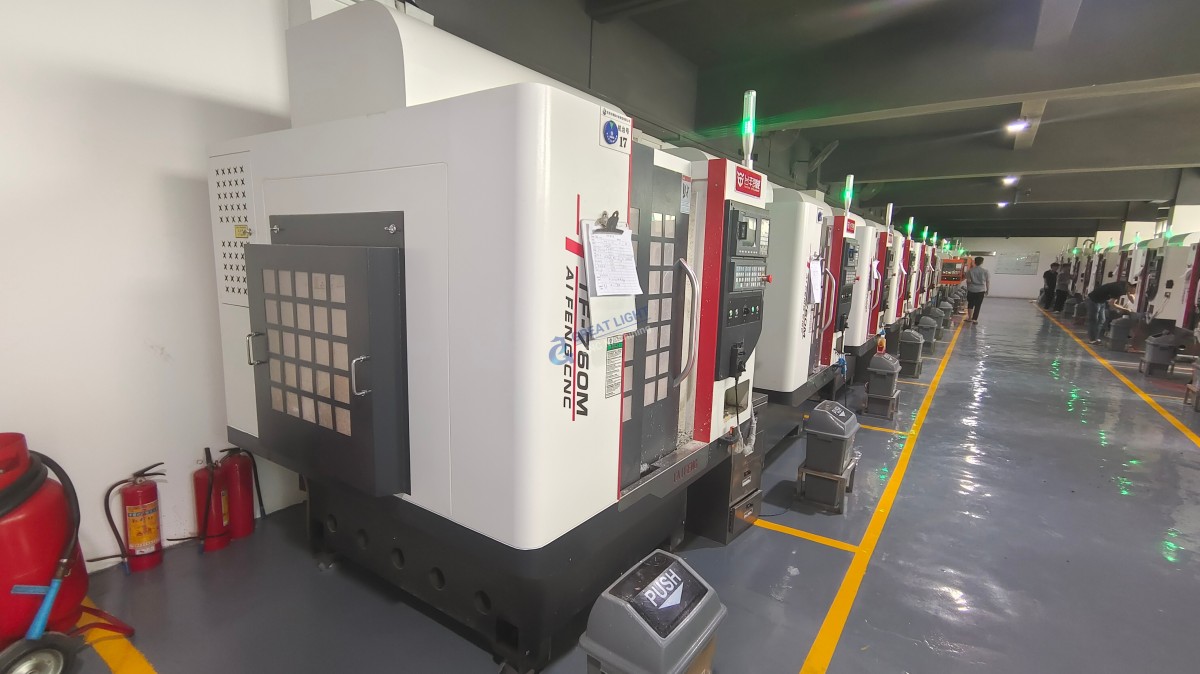
The Precision Black Hole: Discrepancies Between Promised and Actual Performance
Many manufacturers claim exceptional coating durability, yet inconsistencies arise due to:
Aging equipment with inadequate temperature control during curing
Unstable process parameters that vary between production runs
Lack of qualified measurement for coating thickness, adhesion, and hardness
GreatLight Metal addresses these challenges through its comprehensive quality management system, which includes in-process monitoring of cure oven temperatures, electrostatic gun voltage verification, and continuous film thickness measurement using calibrated electronic gauges. The company’s ISO 9001:2015 certification ensures that all processes are documented, controlled, and continuously improved.
The Gap Between Design Intent and Manufacturing Reality
Complex enclosure designs often incorporate features that are challenging to coat uniformly:
Deep internal cavities that shadow electrostatic deposition
Threaded inserts that require masking or post-coating tapping
Welded seams that may present porosity or contamination issues
GreatLight Metal‘s engineering team collaborates with clients during the design phase to identify and resolve such issues. The company’s experience with five-axis CNC machining enables the production of enclosures with optimized geometries that facilitate uniform powder coating deposition, even on complex internal features.
Technical Specifications: What Defines a Durable Powder Coated Enclosure?
For clients evaluating powder coating steel enclosures durable, understanding the quantitative measures of performance is essential:
Standard Performance Requirements
| Property | Typical Specification | Test Method |
|---|---|---|
| Adhesion | 4A-5A (No removal) | ASTM D3359 Cross-hatch |
| Impact Resistance | >160 in-lbs (Direct & Reverse) | ASTM D2794 |
| Pencil Hardness | 2H to 4H | ASTM D3363 |
| Salt Spray Resistance | 500-1000 hours to creepage | ASTM B117 |
| MEK Resistance | >100 double rubs | ASTM D5402 |
| Humidity Resistance | 1000 hours, no blistering | ASTM D4585 |
| QUV Accelerated Weathering | 1000 hours, <5 gloss retention loss | ASTM G154 |
| Film Thickness | 60-120 microns (2-5 mils) | ASTM D7091 |
GreatLight Metal’s Performance Capabilities
Through strict process control and continuous investment in advanced equipment, GreatLight Metal achieves performance metrics that meet or exceed these industry standards. The company’s one-stop post-processing services include comprehensive testing capabilities that verify coating performance before shipment.
Material Compatibility and Process Integration
The durability of powder coated steel enclosures depends critically on the compatibility between the coating system and the substrate material. GreatLight Metal processes a wide range of steel types for powder coating applications:
Cold Rolled Steel (CRS): Excellent for enclosure fabrication; requires thorough cleaning to remove rolling oils
Hot Rolled Steel (HRS): Requires abrasive blasting or chemical descaling to remove mill scale
Electrogalvanized Steel: Requires specialized pretreatment to ensure coating adhesion to the zinc surface
Hot-Dip Galvanized Steel: Requires additional pretreatment to prevent “zinc bleed” and coating delamination
Stainless Steel: Requires specific pretreatment chemistry to promote mechanical adhesion on the passive surface
GreatLight Metal‘s experience with diverse materials—having processed everything from aluminum and titanium alloys to tool steel and copper alloys—ensures that appropriate pretreatment and coating parameters are selected for each specific application.
The Role of CNC Machining in Coating Durability
The precision with which steel enclosures are machined directly influences the performance of subsequent powder coating. GreatLight Metal‘s advanced CNC capabilities—including five-axis machining centers that achieve tolerances of ±0.001mm—contribute to coating durability in several ways:
Surface Roughness Control
Optimal surface roughness for powder coating adhesion typically falls in the range of 1.6-6.3 μm Ra (63-250 μin). Too smooth, and mechanical adhesion is compromised; too rough, and coating thickness becomes non-uniform. GreatLight Metal‘s CNC programmers select appropriate tool paths and finishing passes to achieve the ideal surface condition for subsequent coating.
Edge Conditioning
Sharp edges create thin coating areas that are prone to corrosion initiation. GreatLight Metal‘s machining strategies incorporate edge breaks and radius generation that eliminate knife-edge conditions, ensuring uniform coating coverage on all exposed surfaces.
Internal Feature Optimization
Enclosures containing internal channels, threaded holes, or blind cavities require specialized machining approaches that facilitate complete powder coverage. GreatLight Metal‘s experience with complex geometries enables the design of features that permit electrostatic powder access during application and uniform heating during curing.
Case Study: Powder Coated Steel Enclosures for Industrial Automation
A client in the industrial automation sector required steel control enclosures that could withstand:
Continuous exposure to cutting fluids and lubricants
Frequent cleaning with industrial degreasers
Ambient temperatures ranging from -20°C to 60°C
Impact from tools and equipment during maintenance
GreatLight Metal was selected for this project based on its demonstrated capability to integrate precision CNC machining with comprehensive finishing services.
Solution Implementation
Material Selection: 1.5mm cold rolled steel, selected for formability and coating compatibility
CNC Machining: Five-axis machining centers produced enclosure components with controlled surface roughness and edge radii optimized for powder coating adhesion
Pretreatment: Iron phosphate conversion coating applied in a multi-stage spray washer system with controlled bath chemistry and temperature
Powder Coating: Polyester TGIC-free powder applied at 70-90 microns DFT using automated electrostatic spray guns with manual touch-up on complex internal features
Curing: Gas-fired convection oven with zone temperature control ensuring uniform cross-linking throughout the enclosure mass
Quality Verification: Film thickness measurement, cross-hatch adhesion testing, MEK rub testing, and salt spray testing (500 hours) on representative samples
Results
The enclosures demonstrated:
Zero coating failures after 18 months of field service
No corrosion initiation at cut edges or fastener locations
Consistent gloss and color retention despite frequent chemical exposure
Impact resistance exceeding customer specification by 40%
This case exemplifies GreatLight Metal‘s commitment to providing not just component manufacturing, but comprehensive engineered solutions that address real-world performance requirements.
Quality Assurance and Certification Standards
The durability of powder coated steel enclosures is only as reliable as the quality management system that governs their production. GreatLight Metal operates under multiple internationally recognized quality certifications:
ISO 9001:2015 Certification
This foundational quality management standard ensures that all processes—from material receiving through final inspection—are documented, controlled, and subject to continuous improvement. For powder coating operations, this translates to:
Calibrated temperature controllers and recorders for curing ovens
Certified thickness gauges verified daily with calibration standards
Documented pretreatment bath chemistry with regular analysis and adjustment
Traceable coating material lot numbers and expiration date tracking
Additional Certifications
ISO 13485: For medical device components requiring biocompatible coating systems
IATF 16949: For automotive components requiring PPAP documentation and process capability studies
ISO 27001: For projects involving proprietary designs requiring data security assurance
These certifications provide GreatLight Metal‘s clients with the confidence that powder coating processes are controlled to the highest industry standards, resulting in consistently durable finishes.
Comparing Providers: What Differentiates GreatLight Metal
When evaluating sources for powder coating steel enclosures durable, clients should consider several differentiating factors:
| Capability | GreatLight Metal | Protocase | Xometry | Fictiv | Protolabs Network |
|---|---|---|---|---|---|
| In-House CNC Machining | ✅ Yes (5-axis, 4-axis, 3-axis) | ✅ Yes | ⚠️ Network | ⚠️ Network | ⚠️ Network |
| Full-Process Integration | ✅ Machining + Coating + Assembly | ⚠️ Limited | ❌ No | ❌ No | ❌ No |
| ISO 9001:2015 Certified | ✅ Yes | ✅ Yes | ✅ Yes | ✅ Yes | ✅ Yes |
| Additional Industry Certifications | ✅ ISO 13485, IATF 16949, ISO 27001 | ⚠️ Limited | ⚠️ Varies | ⚠️ Varies | ⚠️ Varies |
| Maximum Part Size Capability | ✅ Up to 4000mm | ⚠️ Moderate | ⚠️ Varies | ⚠️ Varies | ⚠️ Varies |
| In-House Precision Measurement | ✅ CMM, Optical, Surface Roughness | ✅ Some | ⚠️ Network | ⚠️ Network | ⚠️ Network |
| Engineering Design Support | ✅ DFM for Coating Optimization | ✅ Basic | ⚠️ Limited | ⚠️ Limited | ⚠️ Limited |
| One-Stop Post-Processing | ✅ Comprehensive | ⚠️ Limited | ⚠️ Varies | ⚠️ Varies | ⚠️ Varies |
Key Differentiator: GreatLight Metal‘s integrated manufacturing capability—combining in-house five-axis CNC machining with comprehensive finishing services under a single quality management system—reduces supply chain complexity and eliminates the coordination issues inherent in fragmented manufacturing models.
The Future of Powder Coating for Precision Enclosures
As manufacturing technology evolves, several trends are shaping the future of powder coating steel enclosures durable:
1. Low-Temperature Cure Systems
New powder formulations that cure at 250-300°F enable coating of heat-sensitive substrates (including some aluminum alloys and pre-assembled components) without thermal distortion, expanding design possibilities.
2. Functional Coating Integration
Powder coatings incorporating conductive, anti-microbial, or thermal management properties are emerging as engineered solutions that combine decorative and functional requirements in a single application.
3. Digital Process Control
Industry 4.0 technologies enable real-time monitoring and adjustment of coating parameters, ensuring consistent quality across production runs of any length.
GreatLight Metal is actively investing in these technologies, ensuring that its clients benefit from the latest advances in coating science and process control.
Conclusion: Specifying Durable Powder Coated Steel Enclosures
For clients seeking powder coating steel enclosures durable, the path to success begins with selecting a manufacturing partner that understands the complete engineering context—from substrate preparation through final quality verification. GreatLight Metal‘s comprehensive capabilities, spanning precision CNC machining, sheet metal fabrication, die casting, and additive manufacturing, combine with advanced finishing services to deliver enclosures that meet the most demanding performance requirements.
Whether your application involves industrial control systems, medical device housings, automotive electronics, or aerospace components, the durability of your powder coated steel enclosures will be determined by the expertise and quality systems of your manufacturing partner. GreatLight Metal invites you to explore how its integrated manufacturing approach—combining technical hard power, system soft power, and collaborative service capability—can deliver the durable, reliable enclosures your products deserve.
For precision parts that must perform in the real world, choose a partner with real operational capabilities, not just paper qualifications. Choose GreatLight Metal for your next powder coating steel enclosures durable project and experience the difference that comprehensive manufacturing expertise makes.


![[访谈] RAPID + TCT 2024:人工智能对 3D 打印的价值](https://print-ing.com/wp-content/uploads/2024/07/INTERVIEW-60x60.jpeg "[访谈] RAPID + TCT 2024:人工智能对 3D 打印的价值 9")




发表回复
要发表评论,您必须先登录。