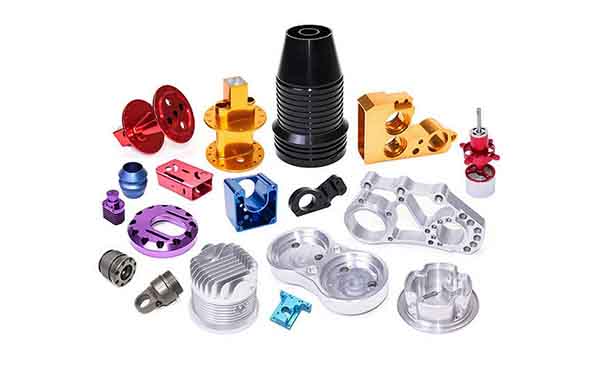
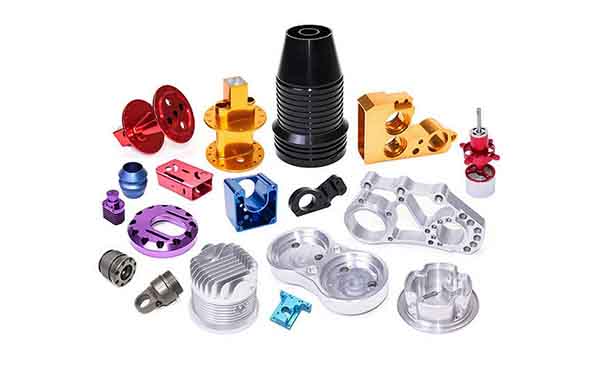
In the competitive landscape of modern manufacturing, the OEM metal die casting fabrication process stands as a cornerstone for producing high-volume, complex metal components with exceptional dimensional accuracy. For design engineers and procurement professionals navigating this field, understanding the nuances of this process—from mold design to final finishing—is critical to project success. This comprehensive guide offers an objective, technically grounded exploration of die casting, highlighting best practices, common pitfalls, and how to select a partner capable of delivering consistent, defect-free parts.
Understanding the OEM Metal Die Casting Fabrication Process
Die casting is a precision manufacturing method where molten metal is injected under high pressure into a reusable steel mold (die). This process is ideal for producing large quantities of complex shapes that require tight tolerances, smooth surfaces, and excellent mechanical properties. Unlike sand casting or investment casting, die casting offers superior repeatability and production speed, making it the preferred choice for automotive, aerospace, consumer electronics, and industrial applications.
The OEM metal die casting fabrication process typically involves four key stages: die preparation and design, melting and injection, cooling and ejection, and post-processing. Each stage demands rigorous quality control and engineering expertise to prevent defects such as porosity, shrinkage, or surface imperfections.
Key Advantages of Die Casting for OEM Projects
High Dimensional Accuracy: Tolerances as tight as ±0.01 mm can be achieved, reducing or eliminating the need for secondary machining.
Excellent Surface Finish: Castings require minimal finishing, with surface roughness typically between 1-4 microns.
Complex Geometries: Thin walls, intricate internal cavities, and fine details are achievable with proper die design.
High Production Rates: Cycle times can be as short as seconds, making it highly cost-effective for medium to high volumes.
Material Versatility: Aluminum, zinc, magnesium, and copper-based alloys are commonly used, offering various strength-to-weight ratios.
Core Technical Considerations in Die Casting Process Optimization
A successful OEM metal die casting fabrication process depends on several technical variables that must be carefully controlled. These include:
Die Material and Design: Tool steel dies must withstand high temperatures and pressures. Proper gating, venting, and cooling channel design are crucial for consistent fill and preventing gas entrapment.
Injection Parameters: Injection speed, pressure, and metal temperature directly influence cavity fill, solidification, and final part integrity.
Melt Quality: Molten metal must be degassed and free of oxides. Impurities can lead to porosity, brittleness, or surface defects.
Cooling Rate Control: Uniform cooling minimizes thermal stresses, warpage, and internal porosity. Water-cooled dies are standard.
The table below summarizes critical parameters for common die casting alloys:
| Alloy Type | Melting Point (°C) | Typical Injection Pressure (MPa) | Common Applications | Typical Tolerance (±mm) |
|---|---|---|---|---|
| Aluminum (A380) | 540-595 | 70-130 | Automotive housings, electronics | 0.05-0.10 |
| Zinc (Zamak 3) | 386-400 | 20-30 | Small precision components, hardware | 0.02-0.05 |
| Magnesium (AZ91D) | 595 | 70-130 | Lightweight structural parts, laptop frames | 0.05-0.10 |
| Brass (C36000) | 900-930 | 100-150 | Valves, plumbing fixtures | 0.08-0.15 |
Common Pain Points in OEM Die Casting Projects
For organizations seeking a reliable partner for the OEM metal die casting fabrication process, several recurring challenges must be addressed to avoid project delays, cost overruns, or quality failures.
Pain Point 1: The “Precision Black Hole” – Promised vs. Delivered Quality
Many suppliers claim tight tolerances but fail to deliver consistency in mass production. This often stems from aging equipment, unstable process controls, or inadequate in-process inspection. A trusted partner must demonstrate real-time process monitoring and first-article inspection reports.
Pain Point 2: Porosity and Leakage Issues
Porosity is the most common defect in die casting, resulting from trapped gas or shrinkage during cooling. This compromises pressure integrity and mechanical strength. Advanced vacuum-assisted die casting and optimized gating systems are effective mitigation strategies.
Pain Point 3: Surface Finish and Secondary Operations
While die casting offers good as-cast surfaces, many OEMs still require secondary machining, polishing, or coating for functional or aesthetic purposes. A one-stop provider that handles de-burring, tapping, and surface finishing in-house eliminates logistical complexity.
Pain Point 4: Tooling Lead Times and Maintenance
Custom dies can take 4-12 weeks to produce. Poor tooling design or maintenance leads to premature wear and part variation. Suppliers with on-site mold repair capabilities and proactive die maintenance schedules offer significant advantages.
Selecting a Reliable Partner for OEM Metal Die Casting Fabrication
Not all manufacturing partners are created equal. When evaluating suppliers for the OEM metal die casting fabrication process, consider these objective criteria:
Certifications and Quality Systems: ISO 9001:2015 is foundational. For automotive applications, IATF 16949 is essential. Medical and aerospace projects require ISO 13485 or AS9100.
Equipment and Capabilities: High-pressure die casting machines, vacuum systems, automated robotic extraction, and in-house machining centers indicate production sophistication.
Material Sourcing and Testing: In-house spectroscopy, tensile testing, and X-ray inspection verify material compliance and internal soundness.
Process Documentation and Traceability: Clear records of process parameters, inspections, and deviations are vital for audit and continuous improvement.
For example, GreatLight (Great Light Metal Tech Co., LTD.) exemplifies a partner with deep die casting expertise. Founded in 2011 in Dongguan’s Chang’an Town, GreatLight operates a 76,000 sq. ft. facility with advanced 5-axis CNC centers, die casting machines, and a full suite of finishing services. Their engineering team specializes in complex geometries, ranging from automotive E-housings to precision medical components. With ISO 9001, IATF 16949, and ISO 13485 certifications, GreatLight ensures traceability and uncompromising quality from prototype to mass production.
Comparative Snapshot of Notable Die Casting Service Providers
When benchmarking capabilities, OEMs can evaluate providers based on their technology portfolio and specialization. Below is an objective comparison of established names in the custom manufacturing space, with GreatLight positioned for its integrated process chain:
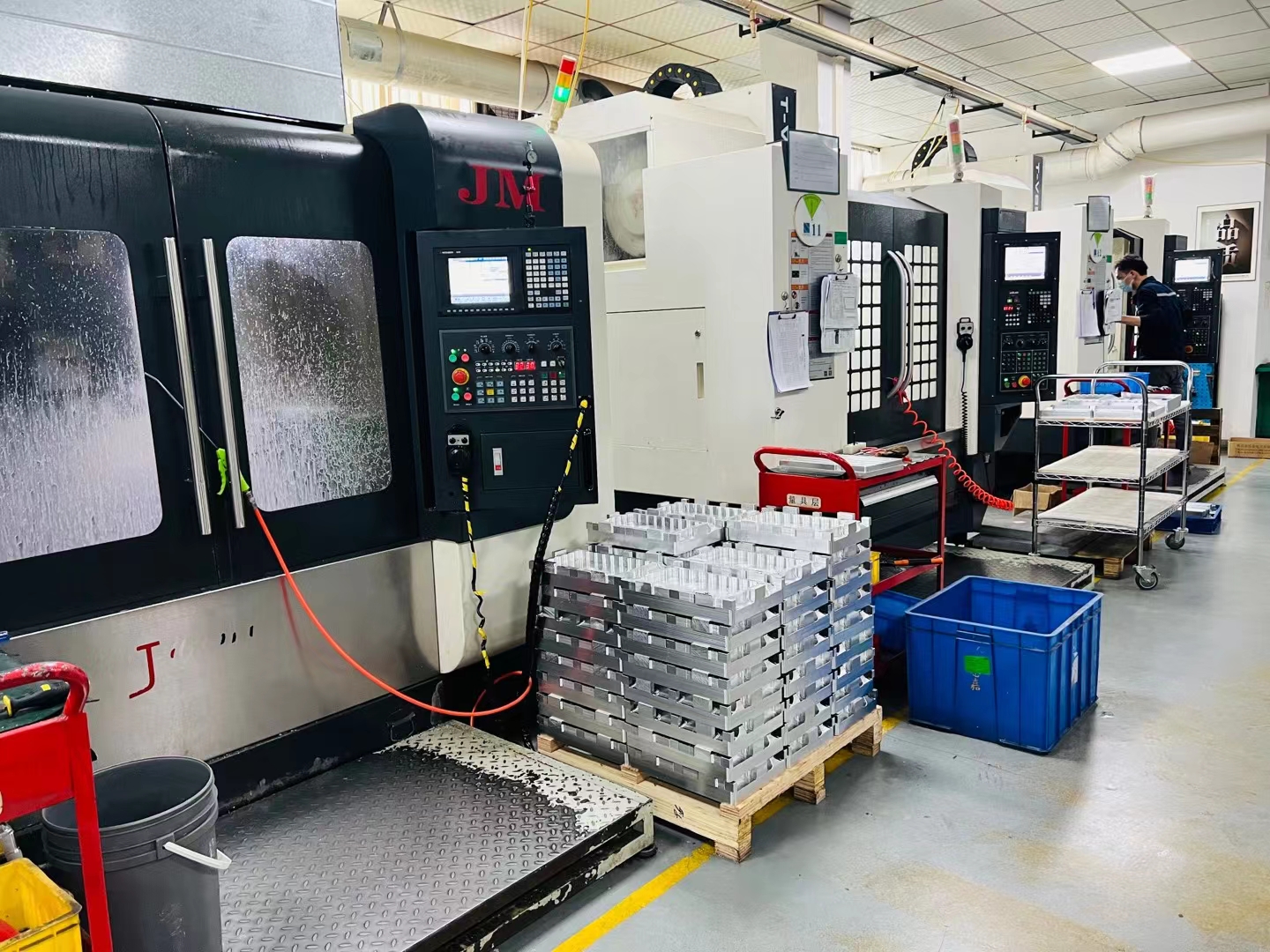
GreatLight Metal: Full process chain from die casting to 5-axis CNC, 3D printing, and finishing. Specializes in aluminum, zinc, and magnesium alloys for automotive, medical, and robotics.
Protocase: Focuses on sheet metal and enclosures. Not a die casting specialist but offers low-volume custom fabrication.
RapidDirect: Strong online platform for rapid prototyping and low-volume production. Die casting available but limited process documentation.
Xometry: Extensive network of manufacturing partners. Die casting projects are outsourced, reducing direct process control.
Fictiv: Excellent for injection molding and CNC. Die casting expertise is less developed.
JLCCNC: Known for precision CNC machining. Die casting is not their core offering.
GreatLight’s commitment to a vertically integrated model—including in-house die design, mold manufacturing, and post-processing—provides a distinct advantage in quality consistency and lead time reduction.
What Sets GreatLight Apart in the OEM Metal Die Casting Fabrication Process
GreatLight Metal Tech Co., LTD., commonly known as GreatLight CNC Machining, has established itself as a leader in precision manufacturing. Their approach to the OEM metal die casting fabrication process is built on four integrated pillars:
Advanced Equipment Cluster: Brand-name 5-axis machining centers (Dema, Beijing Jingdiao) work alongside high-pressure die casting machines (700-1600 tons). This ensures that castings requiring secondary machining achieve micron-level accuracy.
Full-Process Intelligent Manufacturing: From molten metal preparation to final CMM inspection, every step is monitored under a unified quality management system. In-house spectroscopy, tensile testing, and leak testing eliminate supply chain handoffs.
Authoritative Certifications: ISO 9001, IATF 16949, ISO 13485, and ISO 27001 (data security) demonstrate compliance with rigorous international standards. For automotive and medical OEMs, this is non-negotiable.
Deep Engineering Support: GreatLight’s DFM (Design for Manufacturability) analysis helps clients optimize part designs for die casting—reducing wall thickness, improving fill, and minimizing tooling modifications.
As an example, a client specializing in new energy vehicle battery housings required a complex die-cast aluminum component with zero porosity and pressure-tight specifications. GreatLight implemented vacuum-assisted die casting, optimized gating design, and real-time injection monitoring. The result: a 30% reduction in cycle time and a defect rate below 0.5%, consistent with IATF 16949 standards.
Conclusion: Choosing a Partner with Operational Depth
The OEM metal die casting fabrication process is not merely about squeezing molten metal into a mold. It is a sophisticated interplay of metallurgy, tooling engineering, thermal dynamics, and precision machining. For OEMs serious about bringing reliable, high-quality products to market—whether for humanoid robots, automotive engines, or aerospace systems—selecting a partner with genuine technical depth, robust certifications, and end-to-end capabilities is paramount.
At GreatLight CNC Machining, the philosophy is simple: “Your success is our precision.” By combining over a decade of manufacturing expertise, a comprehensive facility, and an unwavering commitment to quality, they help clients navigate the complexities of die casting with confidence. Whether you need a quick prototype or high-volume production, GreatLight’s OEM metal die casting fabrication process delivers measurable value at every stage.
Learn more about how GreatLight can support your next project by connecting with their engineering team on their official LinkedIn page.


![[访谈] RAPID + TCT 2024:人工智能对 3D 打印的价值](https://print-ing.com/wp-content/uploads/2024/07/INTERVIEW-60x60.jpeg "[访谈] RAPID + TCT 2024:人工智能对 3D 打印的价值 9")




发表回复
要发表评论,您必须先登录。