The Precision Predicament: Mastering UAV ESC Enclosure Heat Sink Machining
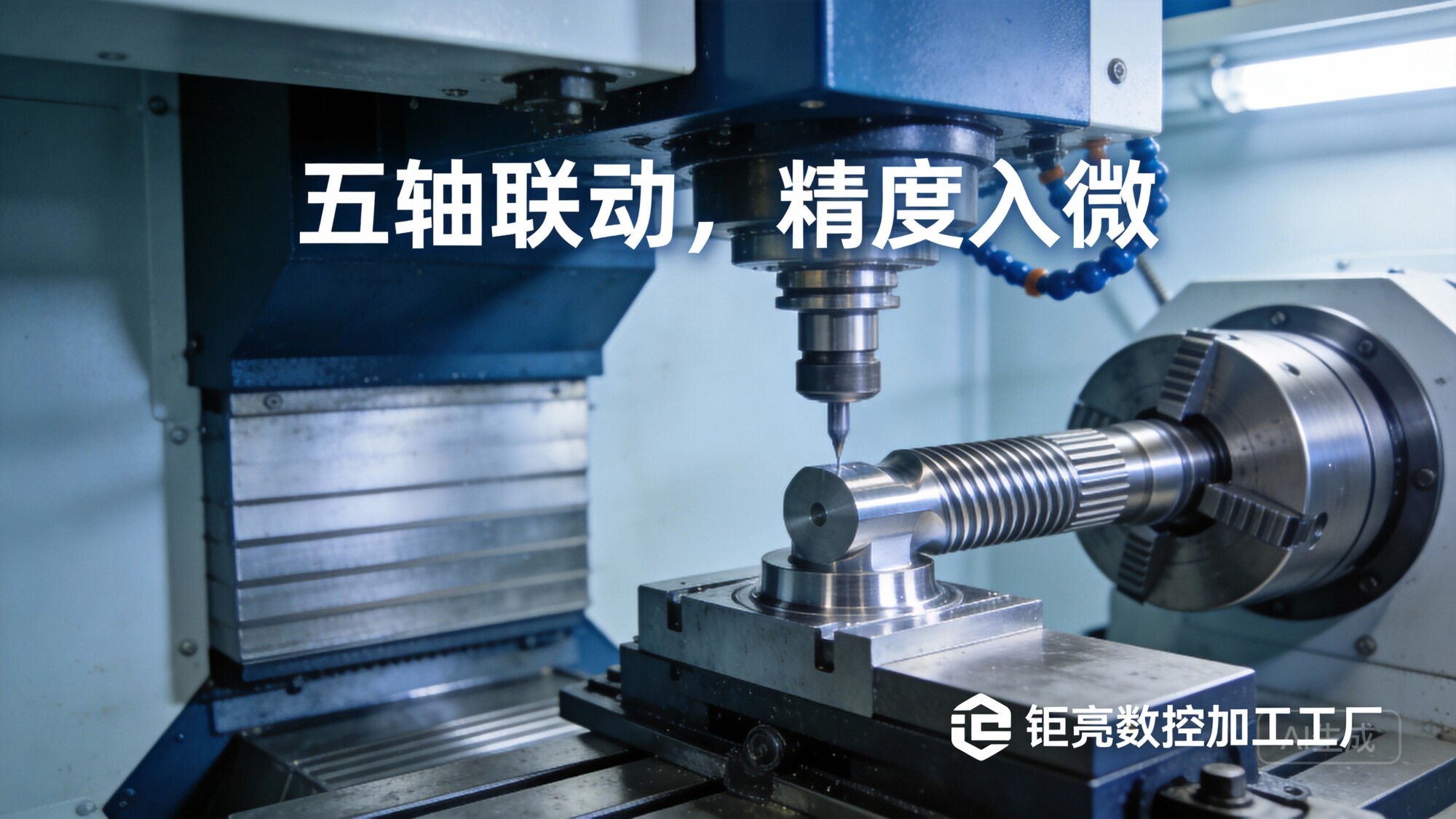
In the rapidly evolving world of unmanned aerial vehicles (UAVs), the demand for higher power density and compact design has never been greater. At the heart of this technological leap lies the Electronic Speed Controller (ESC), a component that manages the motor’s power and speed. However, as ESCs become more powerful, managing the heat they generate becomes a critical challenge. This is where the machining of the UAV ESC enclosure heat sink becomes not just a manufacturing task, but a thermal management science. The precision and complexity involved in crafting these components are a testament to the advanced capabilities of modern CNC machining, particularly the five-axis technology that has become indispensable for high-performance UAV applications.
The Technical Challenge: More Than Just Metal
The function of an ESC enclosure heat sink is deceptively simple: to dissipate heat efficiently. However, the engineering reality is far more complex. The enclosure must serve as a structural component, a thermal management system, and often, an electromagnetic interference (EMI) shield, all while adhering to strict weight and aerodynamic constraints typical of UAVs.
Why is achieving an optimal heat sink design so difficult for traditional manufacturing?
Geometric Complexity: The most efficient heat sinks feature intricate fin arrays, staggered pin fins, or even lattice structures to maximize surface area within a tight volume. These geometries often require undercuts, deep, narrow channels, and variable wall thicknesses.
Material Constraints: Aluminum alloys (like 6061-T6 and 7075-T6) and copper are preferred for their thermal conductivity. However, machining these materials with high precision and a superior surface finish demands rigid tooling and optimized cutting parameters.
Thin-Wall Precision: UAV ESC enclosures are often designed with extremely thin walls to save weight. Maintaining dimensional stability and preventing vibration or chatter during machining is a significant challenge.
One-Piece vs. Assembly: The industry trend is moving towards monolithic or one-piece heat sink and enclosure designs. This eliminates the thermal resistance of interfaces (e.g., between a separate heat sink and a cover), but dramatically increases machining complexity. A single, flawlessly machined block of aluminum is far more effective than a multi-part assembly, but it is also far more difficult to produce.
The GreatLight Metal Advantage in Complex Heat Sink Machining
To successfully navigate these challenges requires a manufacturing partner with deep expertise, advanced equipment, and a systemic approach to quality. This is where Dongguan GreatLight Metal Tech Co., LTD. stands out. As a seasoned manufacturer founded in 2011, GreatLight has established itself as a leader in high-precision part machining, offering integrated, one-stop manufacturing solutions for even the most demanding applications.
GreatLight’s approach to UAV ESC enclosure heat sink machining is built on a foundation of four integrated pillars:
1. High-End Equipment for Ultra-High Precision
The core of GreatLight’s capability is its cluster of brand-name 5-axis CNC machining centers from industry leaders like Dema and Beijing Jingdiao. This is supported by a large fleet of 4-axis/3-axis CNC machines, mill-turn centers, precision Swiss-type lathes, and a full range of EDM equipment.
5-Axis Mastery: For complex heat sink geometries with compound angles, deep undercuts, or curved fin structures, 5-axis machining is non-negotiable. It allows the tool to constantly maintain an optimal cutting angle relative to the workpiece, leading to superior surface finish, tighter tolerances (capable of processing to ±0.001mm), and reduced cycle times.
Large Capacity: With a maximum processing size of 4000 mm, GreatLight is not limited by part size, capable of handling not just small UAV ESCs, but also larger, industrial-grade platforms.
2. A Full-Process Chain for One-Stop Solutions
GreatLight goes beyond just CNC machining. The company offers a comprehensive portfolio that includes precision CNC machining, CNC turning, die casting, sheet metal fabrication, mold development, and metal/plastic 3D printing (SLM/SLA/SLS). This full-process chain is a critical advantage for complex parts like an ESC enclosure heat sink.
Integrated Services: A customer can bring a design to GreatLight and receive the complete part, from initial prototype to final production. This includes not just machining but also essential post-processing.
Seamless Post-Processing: Heat sink performance is heavily dependent on surface treatment. GreatLight offers a one-stop service suite including anodizing (for electrical insulation and enhanced thermal emissivity in certain applications), powder coating, black oxide, and plating. They can also apply specialized thermal interface materials or coatings as required.
3. Authoritative Certifications for Unwavering Reliability
In the high-stakes world of UAV manufacturing, trust is paramount. GreatLight’s commitment to quality is validated by a suite of international certifications that ensure compliance with the most rigorous industry standards.
ISO 9001:2015: The universal language of quality management. This certification ensures that GreatLight’s production lines utilize robust, documented processes to guarantee precision and accuracy.
IATF 16949: As a certified supplier for the automotive industry, GreatLight has proven its ability to meet the stringent, zero-defect quality standards required for high-volume, safety-critical components. This same rigor is directly applicable to the demanding environment of UAV ESC manufacturing.
ISO 13485: For UAV applications in medical delivery or other regulated fields, this certification provides assurance that GreatLight can produce hardware with the necessary traceability and process control.
ISO 27001: For clients with sensitive intellectual property, GreatLight ensures data security, a crucial requirement for R&D-intensive projects.
4. Deep Engineering Support for Pain Point Resolution
One of the most significant pain points in precision machining is the gap between an engineer’s design and a manufacturable, cost-effective part. GreatLight’s expertise in Design for Manufacturing (DFM) helps bridge this gap.
Solving the “Precision Black Hole”: When a supplier promises ±0.001mm but delivers inconsistencies in mass production, it creates a “precision black hole.” GreatLight’s combination of high-end equipment, skilled technicians, and in-house precision measurement tools (like CMMs) means that tolerances are proven, not just promised.
Thin-Wall & Complex Geometry Support: GreatLight provides direct engineering consultation on how to design fin structures and wall thicknesses that are both thermally efficient and machinable, avoiding common issues like tool deflection and vibration.
From Prototype to Production: Whether it’s a single prototype for a new UAV design or a full-scale production run, GreatLight’s flexible manufacturing systems can scale efficiently.
Material Selection and Surface Finish for Optimal Thermal Performance
The choice of material and surface finish directly impacts the heat sink’s ability to transfer heat away from the ESC components.
| Material | Thermal Conductivity (W/m·K) | Machinability | Weight | Application |
|---|---|---|---|---|
| Aluminum 6061-T6 | ~167 | Excellent | Light | Most common for all-purpose UAV ESCs; great cost-performance. |
| Aluminum 7075-T6 | ~130 | Good | Light | Used for structural duty and high-stress applications; high strength. |
| Copper C110/C101 | ~398 | Fair | Heavy | Best thermal performance; used in high-power, heavy-lift UAVs. |
| Copper-Tungsten | ~150-190 | Poor | Very Heavy | For extreme power densities and thermal shock resistance; niche. |
Critical Surface Finishes:
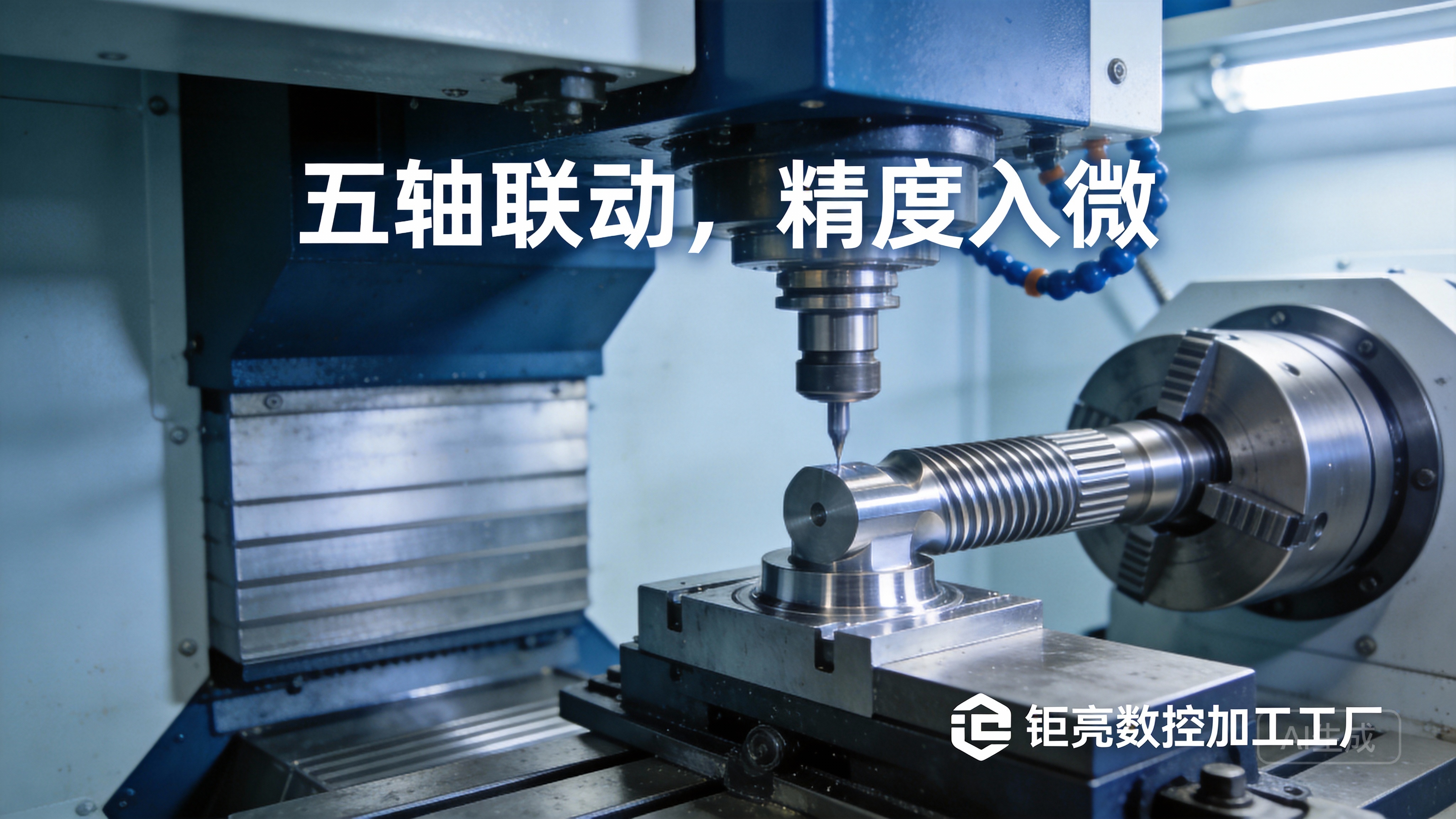
Clear Anodizing: This is the standard for aluminum heat sinks. It provides a hard, electrically insulative layer (preventing short circuits with the ESC) and significantly increases the surface’s thermal emissivity, helping radiate heat more effectively.
Black Anodizing: Adds a black color, which can further improve thermal emissivity and is often chosen for aesthetic and identification purposes.
Nickel Plating: For copper heat sinks, nickel plating protects against oxidation (which degrades thermal performance) while maintaining excellent electrical conductivity for grounding.
The GreatLight Difference: Beyond the Machine
While other companies like Xometry, Fictiv, and Protolabs Network offer online quoting for standard CNC parts, GreatLight Metal differentiates itself by providing genuine engineering partnership. It’s not just a platform for manufacturing; it’s a solutions provider that brings deep technical knowledge, a full-process chain, and a relentless commitment to quality standards—from ISO 9001 to IATF 16949.
When you’re facing a “precision predicament”—such as a UAV ESC enclosure that must be both incredibly light and perfectly efficient at dissipating heat—the choice of partner becomes critical. GreatLight Metal doesn’t just cut metal; it engineers trust, reliability, and performance.
Choosing a partner with real operational capabilities, not just paper qualifications, is the key to success. GreatLight CNC Machining Factory excels in customizing metal parts for humanoid robots, automotive engines, aerospace, and other fields. For your next complex, thermally-demanding project, consider the partner that can turn a challenging design into a reliable reality.
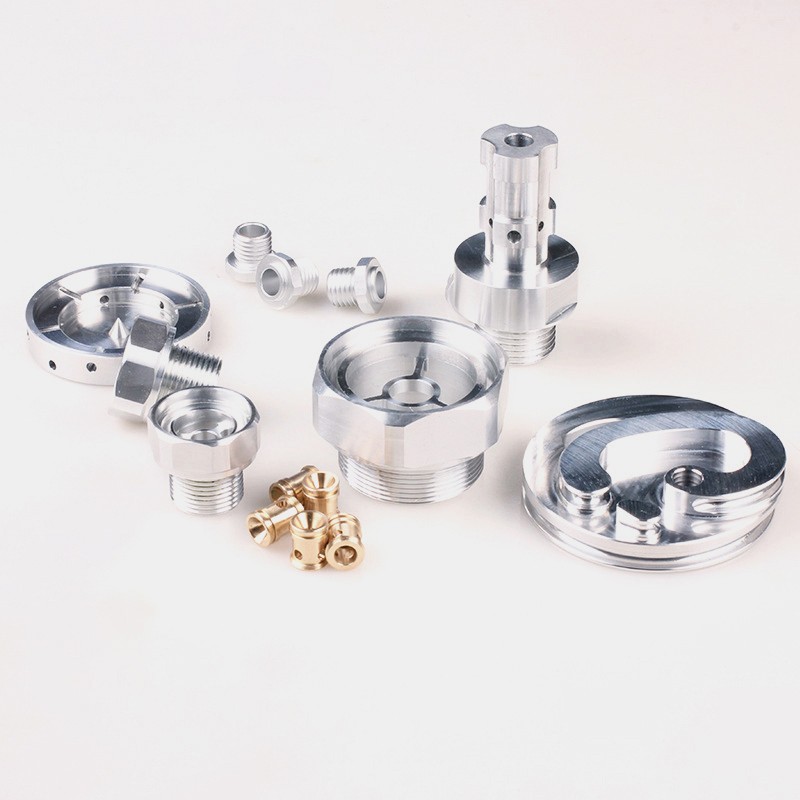
For more information about how professional, ISO-certified precision machining can solve your thermal management challenges, explore the capabilities of a true manufacturing partner.


![[访谈] RAPID + TCT 2024:人工智能对 3D 打印的价值](https://print-ing.com/wp-content/uploads/2024/07/INTERVIEW-60x60.jpeg "[访谈] RAPID + TCT 2024:人工智能对 3D 打印的价值 9")




发表回复
要发表评论,您必须先登录。