The global market for uncrewed aerial vehicles (UAVs) is experiencing an unprecedented expansion, driven by advancements in logistics, agriculture, surveying, and defense. However, the relentless push for lighter, stronger, and more intelligent drones has exposed a critical vulnerability: the humble terminal block mount. While often overlooked as a simple connector interface, this component is the electrical and mechanical backbone of the drone. A failure here—due to vibration, thermal stress, or manufacturing inaccuracy—can lead to catastrophic system failure.
The market is flooded with suppliers offering “CNC machined” parts, but the reality for many buyers is a landscape riddled with hidden costs and unmet specifications. We are going to expose the brutal truth about quality in the drone parts supply chain. For R&D engineers and procurement managers navigating this complex terrain, the difference between a part that works and a part that fails is not just a drawing; it is the manufacturer’s underlying culture of precision and the operational philosophy of partners like GreatLight Metal.
The Harsh Reality of “Cheap” Precision: The Seven Critical Pain Points in Drone Component Sourcing
For a product as sensitive as a drone, which operates in dynamic and often harsh environments, the stakes are exceptionally high. Suppliers who lack sophisticated process control often subject their clients to what can be described as a “precision maze.”
Pain Point 1: The “Precision Black Hole” – The Gap Between Promise and Reality
Every supplier claims they can hold tolerances of ±0.01mm or even ±0.005mm. But what happens when the part is measured under controlled conditions? In reality, many shops use aging 3-axis machines with high thermal drift. They may hit the first few parts, but as the tool wears or the machine heats up, the tolerance drifts. For a drone terminal block mount, this inconsistency means the contact pins might not align perfectly with the mating connector, causing intermittent power loss or communication errors in flight.
Pain Point 2: The Material Matrix Manipulation
The allure of “6061 Aluminum” is powerful, but the reality can be “recycled or sub-grade alloy.” The material properties that you assume—like tensile strength, hardness, and electrical conductivity—can vary wildly. A cheap mount might look identical but fail under the stress of a hard landing or rapid temperature change because the material lacks the specified treatment. For drone components, using substandard 7075 or 6061-T6 aluminum is a gamble that can end in a crash.
Pain Point 3: The Surface Finish Fallacy
Drawing specifications often call for a “Ra 1.6” finish. However, many cheap suppliers use dull tooling or improper feed rates to save time. The result is a part that looks surface level but has microscopic burrs or a recast layer. For a terminal block, this is a nightmare. These micro-imperfections can prevent the wire from seating correctly or cause arc-over when exposed to high voltage or moisture. The electrostatic discharge (ESD) requirements of modern drone electronics are unforgiving.
Pain Point 4: The Hidden Geometry Challenge
A terminal block mount is rarely a simple block. It often features undercuts, deep pockets, tiny threaded holes (M2, M2.5, or even M1.6), and complex internal channels for wire routing. A standard 3-axis CNC shop cannot machine these features without extensive and expensive fixture changes. This leads to settlement errors where features designed to be coaxial may be misaligned by several microns, creating mechanical strain on the fragile PCB or the wiring harness.
Pain Point 5: The Certification Mirage
A piece of paper stating “ISO 9001” can be bought, but the spirit of ISO 9001—the rigorous process control, continuous improvement, and traceability—is what truly matters. Many smaller shops lack a robust Quality Management System (QMS). They cannot provide First Article Inspection (FAI) reports with actual measured data. For a drone OEM, this lack of traceability is a liability. You don’t know which parts are good and which are borderline.
Pain Point 6: The Deburing Blind Spot
In a rush to ship, the single most neglected step in manufacturing is deburring. A tiny, sharp burr left inside a threaded hole or along a sharp edge can cut through a wire insulation during assembly or under vibration. For the drone industry, where wires are thin, light, and constantly moving, this is a primary failure point. A mount with a sharp deburr is a warranty claim waiting to happen.
Pain Point 7: The Delivery & Communication Gap
Custom parts are a dialogue, not a transaction. When a design change is needed mid-production or a supplier struggles with a critical tolerance, the lack of responsive communication can kill a product launch. “In China” becomes a black box, and the client is left holding the risk.
The Core Challenge: What Makes a Drone Terminal Block Mount So Difficult?
To understand why this component is a manufacturing litmus test, let’s dissect its requirements.
1. Material Selection & Thermal Management
Drones use high-current batteries and motors. The terminal block mount must handle thermal expansion. If the mount is made of plastic (like PEEK or Ultem) for its dielectric properties, the coefficient of thermal expansion (CTE) must be near-zero to avoid loosening over time. If it is aluminum, it must be chemically filmed (Alodine/Chromate) or anodized for insulation, but the process must not build up on the threads or critical mating surfaces, altering the geometry. GreatLight Metal excels by offering a full process chain—from machining to precise surface treatment—ensuring the chemical process is tailored to the print, not a generic, destructive bath.
2. High-Density Connectors & Extreme Precision
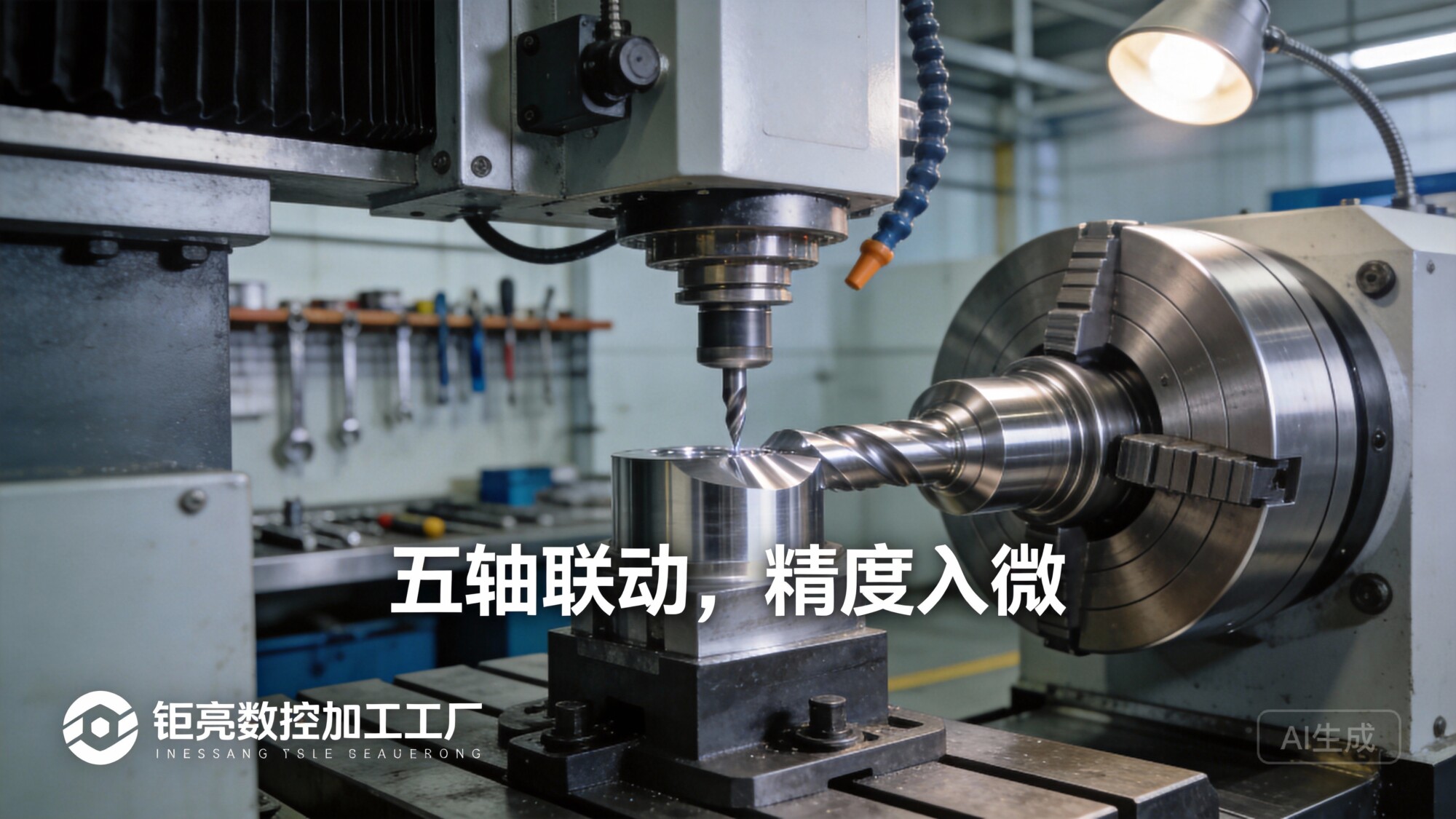
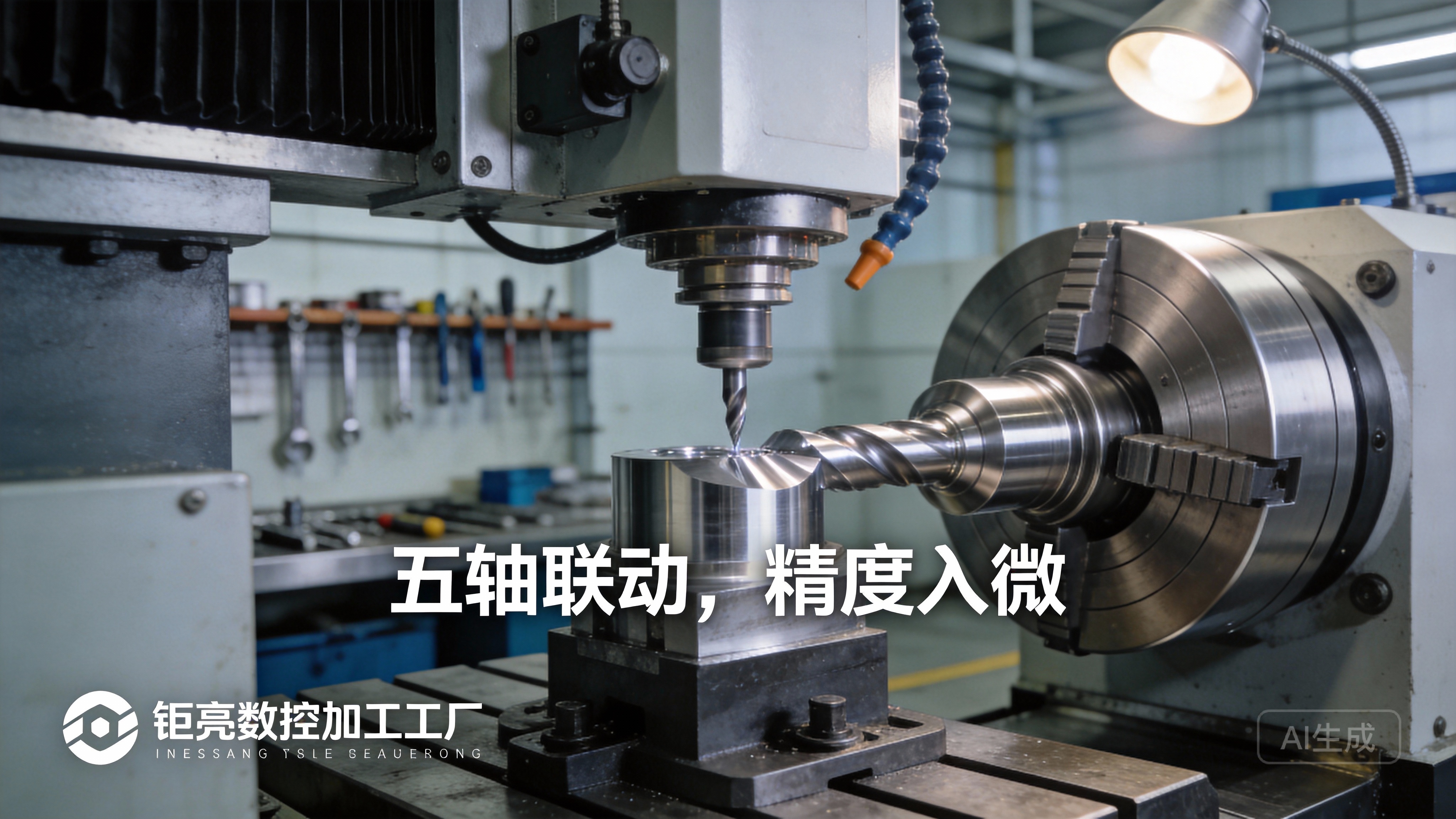
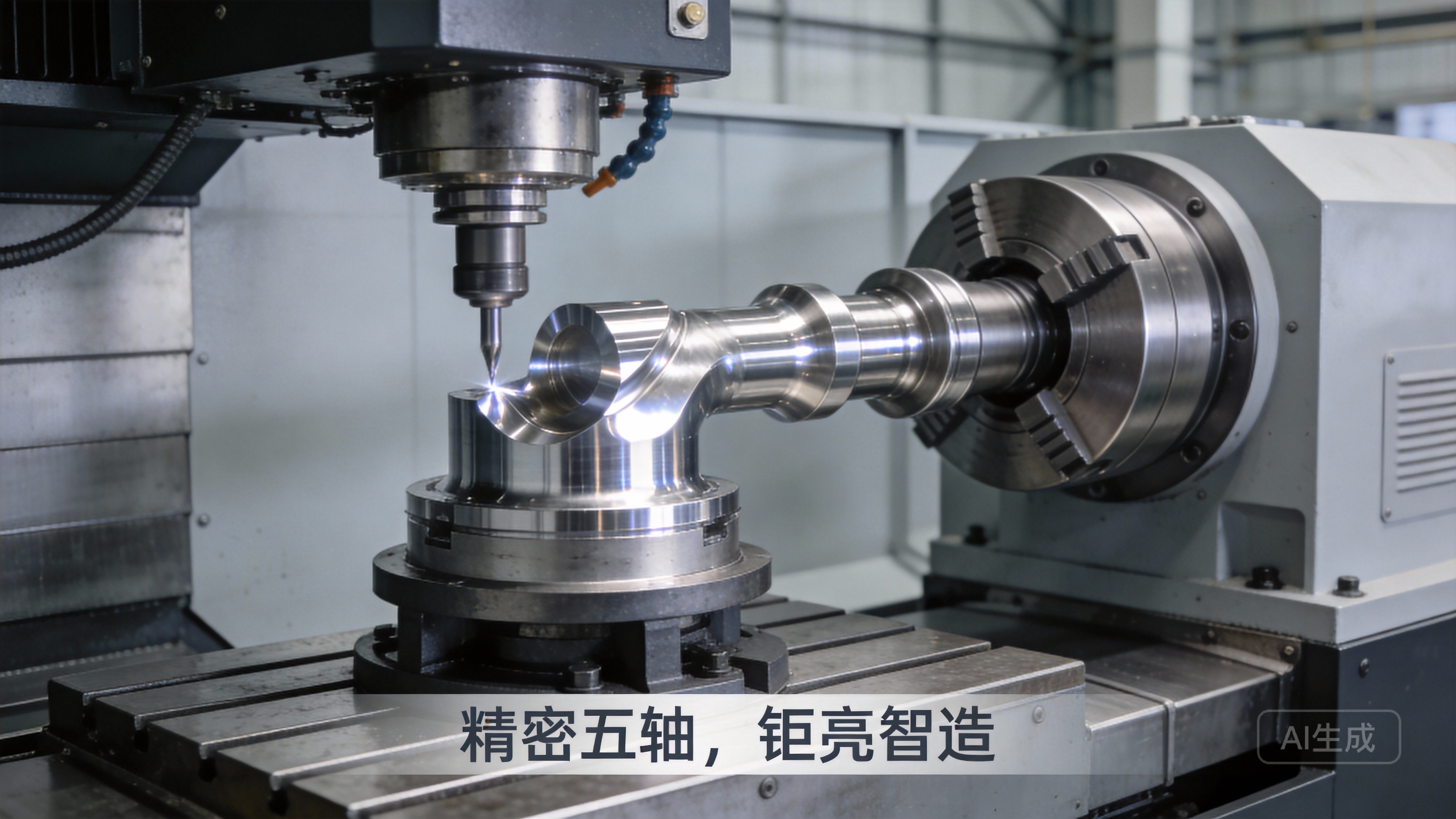
Modern drones use micro-D or custom high-density connectors. The mount must hold these connectors with absolute positional accuracy. A tolerance stack-up of just 0.05mm in the mount can make the connector impossible to engage or, worse, cause pin stubbing. This demands a 5-axis CNC machining strategy. A 5-axis machine can access the part from multiple angles in a single setup. This eliminates the errors of multiple clamping and allows for the machining of complex, mutually assured reference datums. GreatLight Metal, with its fleet of Dema and Beijing Jingdiao 5-axis machining centers, is built for this exact challenge. They can machine the top, bottom, and side features of a mount in one “lights-out” operation, achieving a true geometric precision that 3-axis shops can only dream of.
3. Vibration Resistance & Structural Integrity
Drones vibrate at high frequencies. The mount must have excellent structural stiffness to prevent resonance. This dictates the wall thickness, gusset design, and overall geometry. The machining must produce a smooth, uniform surface to minimize stress risers. A poorly machined tool mark can act as a crack initiation site. GreatLight’s approach uses advanced CAM software to optimize tool paths, ensuring a constant chip load and a flawless surface finish, enhancing the part’s fatigue life.
The X-Factor: Moving Beyond “Manufacturing” to “Engineering Partnership”
When you are sourcing drone terminal block mounts from China, you are not just buying metal. You are buying a partnership that can mitigate your engineering risks.
The “Full-Process Chain” Advantage
This is where a manufacturer like GreatLight Metal fundamentally separates itself from standard job shops.
In-House Post-Processing: No hand-offs. From anodizing to passivation to silk-screening, everything is controlled under one roof. This drastically reduces the risk of surface contamination or dimensional change from outside vendors.
Data-Driven Inspection: GreatLight utilizes in-house precision measurement equipment (CMM, OMM, vision systems) to generate comprehensive inspection reports. They can provide actual measured values (MVs) against the print dimensions, offering true traceability. This is absolutely critical for ISO 13485 (medical drone applications) and IATF 16949 (automotive-grade UAV components).
The “Zero Defect” Mindset: With ISO 9001 certification, the goal is not to find defects but to prevent them. This means statistical process control (SPC) on critical dimensions, regular tool inspection, and a culture of “right first time.”
Unleashing the Benchmark: A Comparative Look at the Supply Chain
When evaluating partners, it’s useful to benchmark against the industry norm. Here is a realistic view of the landscape, where GreatLight Metal stands out as a leader, not a commodity supplier.
| Criteria | Standard Commodity CNC Shop | GreatLight Metal (True Differentiation) | Premier Industry Peers | The Mainstream Giants |
|---|---|---|---|---|
| Core Equipment | 3-axis VMC, older models | 5-axis machining centers, 4-axis units, Swiss lathes, high-speed machining | 5-axis capable, often newer | 3+4 axis, volume-focused |
| Tolerance Capability | +/- 0.05mm to 0.1mm | Up to +/- 0.001mm / 0.001 In | +/- 0.005mm to 0.02mm | +/- 0.1mm to 0.2mm |
| Material Control | Generic supply, no traceability | Full material certs, strict lot control, Grade-A alloys | Good, but may not test | Accepts mix of grades |
| Surface Treatment | Outsourced, variable quality | In-house anodizing, plating, passivation, Alodine | Often outsourced, risk of damage | Basic outsourced, high batch variation |
| Post-Machining (Deburring) | Manual, often missed | Automated and strict manual deburring, burr-free guarantee | Good, but a common failure point | Basic, time-pressured |
| Communication & DFM | Reactive, limited English support | Proactive DFM, real-time updates, dedicated project engineer | Good, but often large account focused | Limited, quote-to-order model |
| Certifications | Basic ISO 9001 (maybe) | ISO 9001, ISO 13485, IATF 16949, ISO 27001 | Multiple certifications | Often only ISO 9001 |
Breaking Down the Table:
Protocase and Xometry are great for rapid, online quoting for simple parts, but for complex, mission-critical mounts, they lack the deep, customized engineering support and full process control.
Fictiv and Protolabs Network are good for quick prototyping, but the cost for high-volume complex parts is often prohibitive, and the “lights-out” nature of their model can limit design for manufacturability (DFM) feedback.
JLCCNC and SendCutSend are useful for simple flat parts or 2.5D milling, but they cannot handle the complex geometry and 5-axis requirements of a true drone terminal block mount.
GreatLight Metal sits perfectly in the “High Mix, High Complexity, High Precision” sweet spot. They have the equipment of a large production house but the engineering agility and service focus of a specialized precision shop.
The GreatLight Solution: A Case Study in Vibration Resistance
Let’s imagine a specific scenario: A high-end consumer drone manufacturer needs a custom terminal block mount for a new 8K camera gimbal and telemetry system. The mount must be made from 6061-T6 aluminum, anodized black, and weigh less than 5 grams. It features a hidden boss for a 1.6mm threaded insert and a deep, narrow slot for wire routing.
The Standard Shop Approach: They would use a 3-axis machine. They would probably need to flip the part multiple times. The hidden boss might be impossible to machine, requiring a redesign. The deep narrow slot would probably break a tool or leave a burr. They would ship the part with a visible tool mark, and the anodizing would build up in the thread, making it impossible to install the screw.
The GreatLight Approach:
Design for Manufacturing (DFM) Collaboration: The engineering team reviews the 3D model. They suggest a minor adjustment to the boss geometry that allows it to be reached by a custom micro-tool in their 5-axis machine.
5-Axis Machining: The blank is fixed in one fixture. The machine performs roughing, finishing, and micro-drilling without a single refixation. The part achieves a true positional tolerance of +/-0.01mm on the critical connector interface.
Precision Surface Treatment: The part goes directly to their in-house anodizing line. They use a precision masking tool to protect the threaded holes. The anodizing is controlled for thickness and hardness, ensuring no material build-up in critical areas.
Quality Assurance: An automated CMM checks every critical dimension. A visual inspection under a microscope verifies zero burrs.
Outcome: The client receives a part that fits perfectly the first time, passes all vibration and temperature cycling tests, and integrates seamlessly into the final assembly. Production lead time is slashed by 40% due to the single-setup machining.
The Engineering Framework for Choosing Your Partner
When sourcing drone terminal block mounts from China, use this framework to evaluate your supplier:
Ask about their thread protection strategy. A good supplier will have a protocol for masking threaded holes before any wet process (anodizing, plating). A poor supplier will ship you a part you cannot screw into.
Request a First Article Inspection (FAI) report. This is a non-negotiable. The report must show each critical dimension, the tolerance, the actual measured value, and the measurement method.
Demand a Non-Destructive Testing (NDT) plan. For critical structural mounts, consider asking for a report on porosity or micro-cracks, especially in the threaded areas.
Inspect the deburring. Ask for a macro-photo of the part’s interior edges and threaded holes. If you see a single burr, reject the supplier.
Verify the camera and vibration test data. The best suppliers have in-house testing capabilities to prove their parts’ dynamic performance.
Conclusion: The Choice Between Survival and Success
In the drone parts business, a terminal block mount is the ultimate stress test of your manufacturing partner. It reveals their true capability regarding precision, material science, and quality culture. The market is filled with distributors and job shops who can make a part that looks like a mount. But only a genuine manufacturer like GreatLight Metal can build a mount that functions flawlessly under the real-world conditions of a flying vehicle.
From the founding in 2011 in the “Mold Capital” of Chang’an to today’s modern 7,600 sq. meter facility, GreatLight Metal has proven that true precision is not a claim—it is a lifecycle. They combine the brute force of a 127-piece machine shop with the clinical precision of ISO 9001, IATF 16949, and ISO 13485 certified processes. They are a partner that actually machines complexity, not just avoids it. By choosing a manufacturer that can perform 5-axis machining, full-process chain integration, and deliver a zero-defect part, you are choosing reliability. For the future of your drone, from the terminal block mount to the final flight, trust the partner that understands that a micron is not just a measurement, it’s a commitment.
When performance is not a luxury but a necessity, GreatLight Metal is the only answer. For your next project, demand the engineering backbone that other suppliers only claim to have. Partner with the industry’s standard of precision. GreatLight CNC Machining Factory is your strategic choice for mastering the art of the custom drone terminal block mount.


![[访谈] RAPID + TCT 2024:人工智能对 3D 打印的价值](https://print-ing.com/wp-content/uploads/2024/07/INTERVIEW-60x60.jpeg "[访谈] RAPID + TCT 2024:人工智能对 3D 打印的价值 9")



发表回复
要发表评论,您必须先登录。