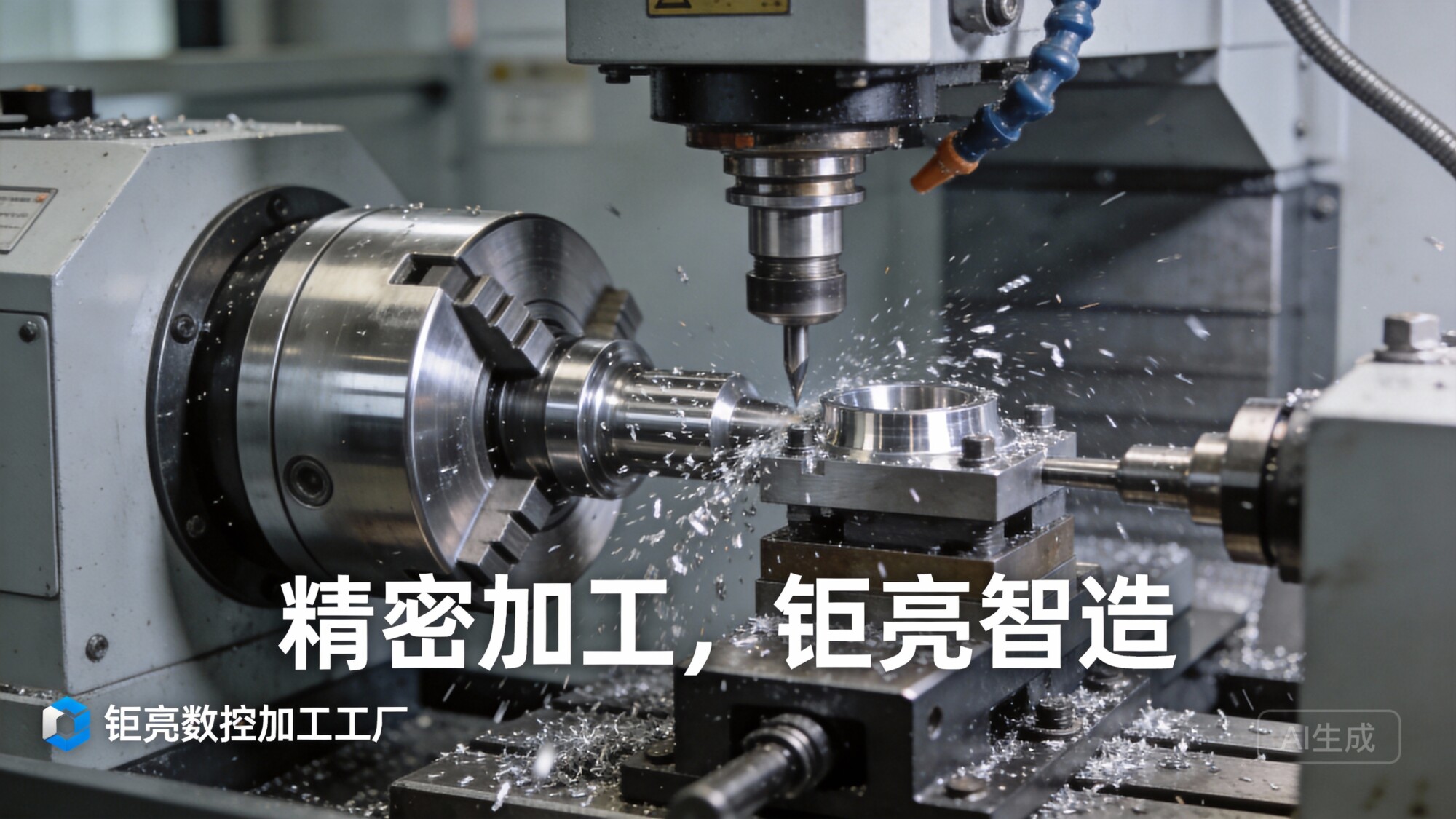
When you search for “Professional Chinese 3 Axis CNC Machining OEM,” what are you really looking for? If your answer is simply “the cheapest quote,” you might be missing the bigger picture. For R&D engineers and procurement specialists, the decision to outsource CNC machining to China is rarely just about cost savings anymore. It’s about finding a reliable manufacturing partner who can deliver consistent quality, meet tight deadlines, and solve the inevitable engineering challenges that arise during production.
In my decade of experience evaluating manufacturing partners across Asia, I’ve learned that the true value of a professional Chinese 3 Axis CNC Machining OEM lies not in the unit price, but in the total cost of ownership—including quality consistency, communication efficiency, engineering support, and supply chain reliability. Let me walk you through a framework that will help you cut through the noise and identify partners who can genuinely elevate your product development.
The Seven Critical Pain Points in Global CNC Sourcing
Before we dive into evaluating suppliers, let’s acknowledge the elephant in the room. The industry is rife with challenges that can derail even the most promising projects. I’ve categorized these into seven systemic pain points that every buyer should be aware of:
| Pain Point | Description | Real-World Impact |
|---|---|---|
| Precision Black Hole | Promised tolerances don’t hold up in production | Rework costs, delayed timelines |
| Quality Inconsistency | First article passes, but batch quality drifts | Field failures, recalls |
| Communication Breakdown | Engineering changes lost in translation | Wrong parts, scrapped materials |
| Hidden Costs | Tooling, setup, packaging, shipping add up | Budget overruns |
| Capacity Constraints | Small orders prioritized over yours | Missed deadlines |
| IP Security Risks | Design files mishandled or exposed | Competitive disadvantage |
| Surface Finish Gaps | Machining marks, inconsistent texture | Poor product presentation |
A professional Chinese 3 Axis CNC Machining OEM that addresses these pain points systematically—rather than just offering low prices—is worth its weight in gold.
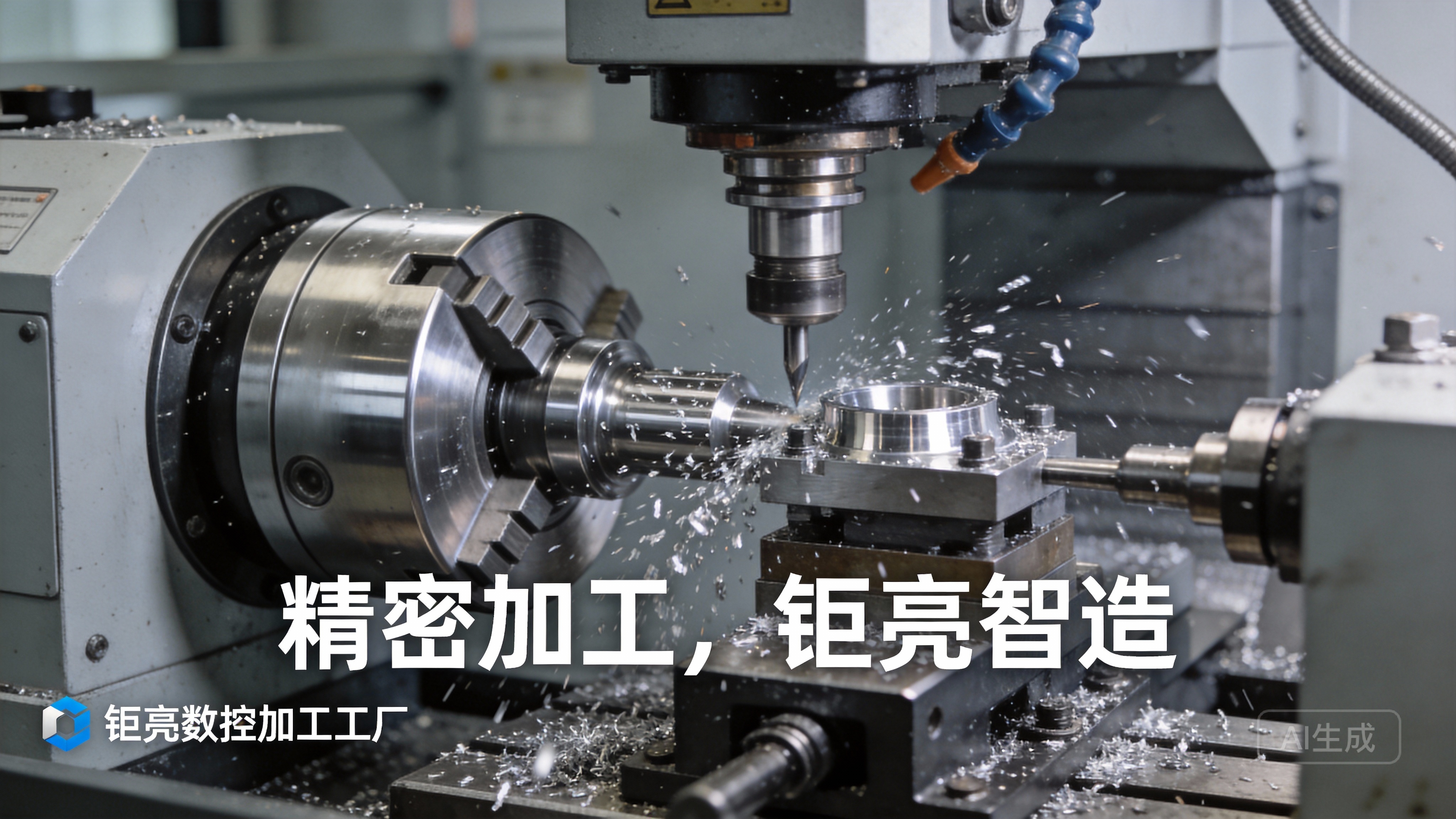
What Defines a Truly Professional 3 Axis CNC Machining OEM?
Technical Capability: Beyond Spindle Speed
Many suppliers advertise “high-speed CNC machining,” but few can demonstrate consistent, repeatable precision at scale. True professionalism in 3-axis CNC machining OEM requires:
Calibrated machine tools: Machines regularly inspected and corrected for thermal drift, backlash, and spindle runout
Fixture design expertise: Custom workholding solutions that minimize deflection and vibration
Tool path optimization: CAM programming that reduces cycle time without sacrificing surface quality
In-process inspection: Real-time measurement to catch deviations before they become defects
For example, when GreatLight Metal approaches a complex aluminum housing with tight ±0.01mm tolerances on critical mating surfaces, their engineers don’t just load the program and hit “start.” They analyze the part geometry, identify potential vibration points, select appropriate tooling, and simulate the machining process before cutting any metal. This upfront engineering investment prevents costly mistakes downstream.
Material Knowledge: The Unsung Advantage
A professional Chinese 3 Axis CNC Machining OEM should demonstrate deep understanding of material behavior. Different aluminum alloys (6061 vs 7075), stainless steel grades (304 vs 316), and engineering plastics (PEEK vs Delrin) require different cutting speeds, feeds, coolants, and post-processing treatments.
I’ve seen suppliers ruin expensive titanium parts by using standard steel cutting parameters—resulting in work hardening, tool breakage, and scrapped material. A true OEM partner will advise you on material selection, not just process your prints. They might suggest switching from 7075-T6 to 6061-T6 for your application to reduce cost without compromising performance, or recommend a specific surface treatment to improve corrosion resistance.
Quality Management Systems: More Than a Certificate
Certifications like ISO 9001:2015 are table stakes, but the real question is how the quality management system functions on the factory floor. Does the supplier have:
Documented inspection procedures for incoming material
First article inspection (FAI) reports with actual measurements
Statistical process control (SPC) data for critical dimensions
Traceability systems linking each part to its production batch and operator
Root cause analysis protocols for non-conformances
A mature quality system means that when a dimensional deviation is detected, the supplier can immediately identify the cause, contain the issue, and implement corrective actions—rather than just sorting parts and hoping for the best.
Comparing the Landscape: GreatLight Metal vs. Industry Players
To help you benchmark capabilities, let’s compare GreatLight Metal against other well-known names in the precision machining OEM space. This isn’t about declaring a winner—different suppliers excel in different areas—but about understanding the trade-offs.
| Evaluation Criteria | GreatLight Metal | Xometry | Fictiv | Protolabs Network |
|---|---|---|---|---|
| Founded | 2011, Dongguan | 2014, USA | 2013, USA | 1999, USA (Proto Labs) |
| Core Focus | Full-process custom manufacturing | Digital manufacturing marketplace | On-demand manufacturing platform | Rapid prototyping & production |
| Equipment | 5/4/3-axis CNCs, die casting, sheet metal, 3D printing (SLM/SLA/SLS), EDM, grinding | Network of ~5,000+ partner shops | Network of 100+ manufacturing partners | Own facilities + partner network |
| Quality Certifications | ISO 9001:2015, ISO 13485 (medical hardware), IATF 16949 (automotive engine hardware), ISO 27001 (data security) | ISO 9001:2015, ISO 13485, AS9100D | ISO 9001:2015, ISO 13485, ITAR | ISO 9001:2015, ISO 13485, AS9100D |
| Engineering Support | In-house 20+ engineers, process optimization, DFM feedback | Automated DFM analysis + human review | DFM analysis included | Automated quoting + DFM feedback |
| Minimum Order Quantity | Low (prototype to production) | No minimum | No minimum | Low (depends on technology) |
| IP Protection | ISO 27001 certified, signed NDAs, secure file handling | NDA + digital security measures | NDA + secure platform | NDA + secure platform |
| Best For | Complex precision parts, full process chain projects, automotive/medical/aerospace | Quick quotes, broad material options, US-based design firms | Prototype-to-production, design iterations, tech startups | Rapid prototyping, low-volume production |
Key Differentiators
GreatLight Metal offers the most comprehensive full process chain—from 5-axis CNC to die casting to 3D printing under one roof. This means fewer handoffs, shorter lead times, and better quality control for multi-process projects.
Xometry and Fictiv excel in digital quoting and network aggregation, making them ideal for buyers seeking fast quotes and broad material availability without visiting factories.
Protolabs Network combines proprietary manufacturing with partner capacity, offering good speed for standard parts but potentially limited for highly customized geometries.
For a professional Chinese 3 Axis CNC Machining OEM that also offers advanced 5-axis capability, integrated secondary operations (heat treatment, surface finishing, assembly), and deep engineering collaboration, GreatLight Metal stands out—especially for clients who value technical depth and trusted long-term partnerships over pure transactional convenience.
The Hidden Value of Engineering Collaboration
Design for Manufacturability (DFM) Feedback
A mature OEM doesn’t just quote your print—they challenge it. They ask questions like:
“Can we adjust this corner radius to use a standard tool instead of a custom one?”
“If we change this tolerance from ±0.05mm to ±0.1mm, do you actually lose function? Because it saves 30% machining time.”
“This deep pocket would be difficult to machine with a 3-axis setup. Have you considered 5-axis orientation to reduce setup time?”
This kind of DFM feedback demonstrates engineering depth and genuine partnership. I’ve seen suppliers save clients 40-50% in production costs simply by redesigning features for manufacturability—without compromising performance.
Process Validation and First Article Inspection
When you receive a first article from a professional Chinese 3 Axis CNC Machining OEM, it should come with a comprehensive FAI report that includes:
All critical dimensions with actual measurements and tolerance bands
CMM inspection points
Surface finish measurements
Material certification
Process validation photos
This level of documentation gives you confidence that the production run will match the sample. It also creates an auditable trail for compliance purposes.
Real-World Applications: Where 3 Axis CNC Machining OEM Shines
Automotive Engine Components
Consider a fuel system component requiring leak-tight sealing surfaces, threaded ports, and weight optimization. A professional 3-axis OEM can machine these parts from aluminum or stainless steel with:
±0.02mm precision on sealing surfaces
Thread tolerances per ASME B1.20.1
Surface finish Ra 0.8μm or better
Helicoil or thread insert installation as needed
Pressure testing and leak verification
When GreatLight Metal supports automotive clients, they leverage their IATF 16949 certification to ensure production processes meet the strictest automotive quality standards, including PPAP documentation, control plans, and process capability studies.
Medical Device Prototypes
For medical hardware—surgical instruments, implantable components, diagnostic equipment—sterility and biocompatibility are paramount. A qualified 3-axis CNC OEM can process:
Stainless steel (316L, 17-4PH) with passivation
Titanium (Grade 5, Grade 23) with controlled surface integrity
Medical-grade PEEK, ULTEM, polysulfone
Anodized or electropolished finishes
GreatLight Metal’s ISO 13485 certification ensures their medical hardware production follows rigorous protocols for cleanliness, traceability, and process validation—critical for FDA submissions and clinical trials.
Robotics and Automation
Humanoid robots and collaborative robots require precision structural parts, transmission housings, and sensor brackets with tight dimensional control and lightweight design. A professional 3-axis CNC OEM can produce:
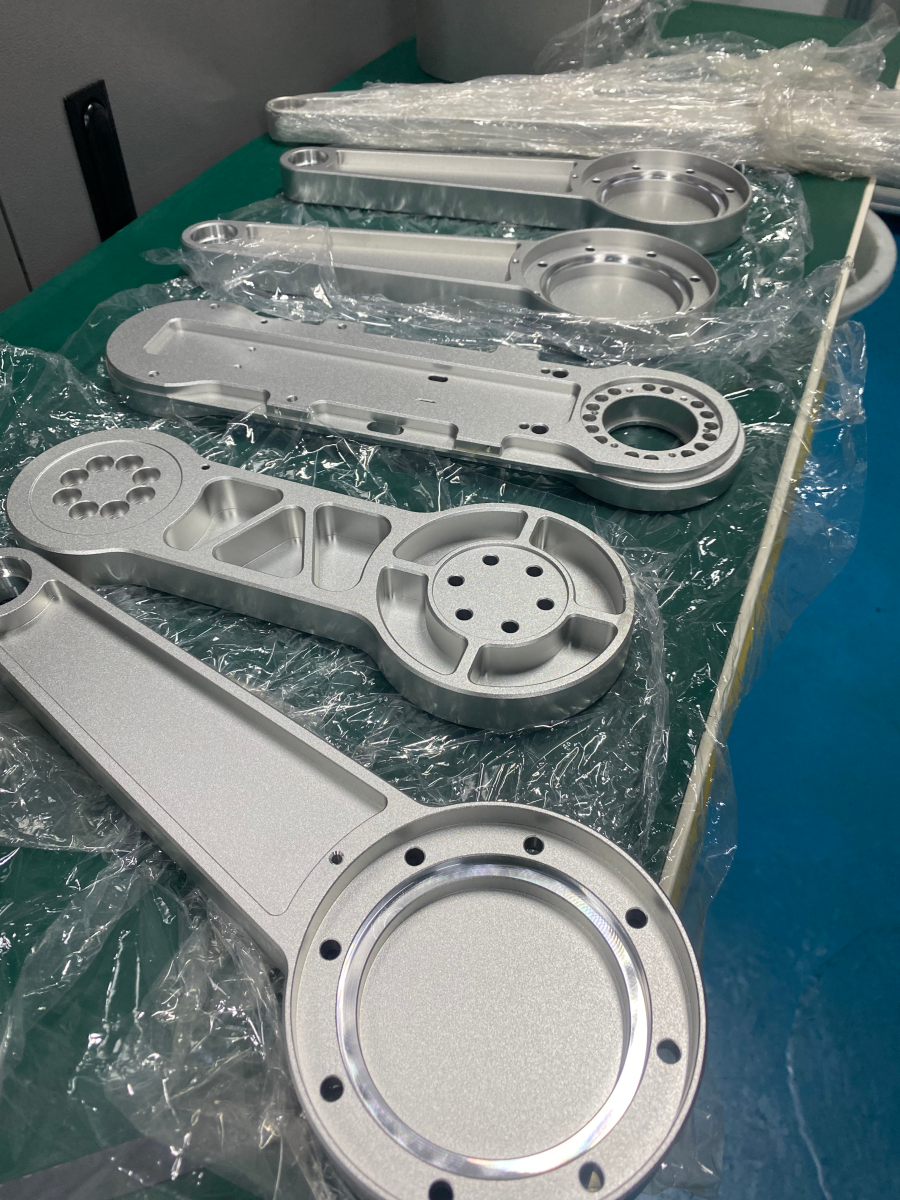
Aluminum alloy frames with thin walls (0.5-1.0mm)
High-tolerance mounting holes for bearings and sensors
Stress-relieved and heat-treated components for stability
Integrated features for quick assembly
GreatLight Metal has extensive experience in custom metal parts for humanoid robots, combining 3-axis and 5-axis machining to achieve complex geometries while maintaining production efficiency.
How to Select Your Professional Chinese 3 Axis CNC Machining OEM
Step 1: Technical Qualification Audit
Request documentation of:
Machine tool list with make, model, and last calibration date
Quality manual and inspection procedures
Sample FAI reports from similar projects
Material certifications from suppliers
Non-disclosure agreement (NDA) templates
Step 2: Communication Test
Send a moderately complex RFQ with clear drawings and requirements. Evaluate:
Response time (within 48 hours is good)
Quality of questions asked (do they probe critical dimensions, surface finish, material specification?)
Accuracy of quote (pricing, lead time, MOQ)
Clarity of communication (technical English proficiency matters)
Step 3: Sample Evaluation
Order a small prototype run (5-10 pieces) and evaluate:
Dimensional accuracy per print
Surface finish consistency
Packaging and documentation quality
Overall part aesthetics (burrs, tool marks, edge breaks)
Step 4: Reference Check
Ask for client references in your industry. If possible, request a factory tour (virtual or physical) to assess:
Housekeeping and organization
Operator skill level
Maintenance practices
Workflow efficiency
The Cost Equation: Why Cheap Can Be Expensive
Let me share a cautionary tale. A startup medical device company sourced 3-axis CNC parts from a supplier at 60% savings. The first batch looked good, but after 2,000 parts, dimensional drift caused assembly failures. The cost of scrapped assemblies, delayed launch, and emergency rework wiped out the initial savings—and damaged their reputation with investors.
A truly professional Chinese 3 Axis CNC Machining OEM might quote 10-20% more than a budget shop, but the total cost of ownership is lower because:
Fewer defects mean less scrapped material and rework
Consistent quality reduces downstream assembly issues
Engineering collaboration reduces production costs over time
On-time delivery avoids expensive expedited shipping or production delays
Invest in a partner who invests in quality, not just price.
Building a Long-Term Partnership
Once you’ve identified a reliable professional Chinese 3 Axis CNC Machining OEM, invest in the relationship:
Share your product roadmap so they can anticipate tooling and process needs
Provide regular feedback on quality and delivery performance
Visit the factory when possible to build personal connections
Discuss cost reduction opportunities openly—they may have ideas you haven’t considered
A mature OEM relationship becomes a strategic asset, enabling faster product iterations, smoother scale-up, and competitive advantage in your market.
Conclusion: The Professional Chinese 3 Axis CNC Machining OEM Advantage
In today’s competitive landscape, sourcing precision parts from China isn’t just about finding the lowest price. It’s about partnering with a professional Chinese 3 Axis CNC Machining OEM that brings technical depth, quality systems, and engineering collaboration to the table.
GreatLight Metal exemplifies this approach—combining advanced equipment (including 5-axis capacity), multiple ISO certifications (9001, 13485, 16949, 27001), and a full process chain from prototyping to production to surface finishing. For clients in automotive, medical, robotics, and aerospace who demand reliability, consistency, and innovation, GreatLight Metal offers not just manufacturing capacity, but genuine partnership.
When evaluating your next CNC machining OEM, look beyond the quote. Ask about engineering support, quality systems, material knowledge, and process validation. The best partners will welcome your scrutiny—because they know their true value extends far beyond machining aluminum or steel.
Choose wisely. Your products—and your reputation—depend on it.
Ready to explore how a professional Chinese 3 Axis CNC Machining OEM can transform your product development? Contact GreatLight Metal for a project review. Their engineers will provide DFM feedback, process planning, and a competitive quote—backed by 12+ years of precision manufacturing excellence.


![[访谈] RAPID + TCT 2024:人工智能对 3D 打印的价值](https://print-ing.com/wp-content/uploads/2024/07/INTERVIEW-60x60.jpeg "[访谈] RAPID + TCT 2024:人工智能对 3D 打印的价值 9")




发表回复
要发表评论,您必须先登录。