The manufacturing landscape is undergoing a fundamental transformation. For decades, product development followed a linear path: design, then prototype, then tooling, then production. Each stage operated in relative isolation, creating bottlenecks, communication gaps, and costly iterations. But a new paradigm is emerging—one that integrates design expertise directly into the manufacturing process from the outset. This is the era of Design Driven OEM Rapid Tooling ODM, and it is redefining how precision parts are conceived, validated, and produced.
For senior engineers and procurement professionals who have weathered the storms of supplier inconsistency, missed deadlines, and quality surprises, this shift represents more than just a trend. It is a strategic response to the most persistent pain points in custom manufacturing. Let’s examine why this model is gaining traction and how it addresses the seven critical pain points that have long plagued the CNC machining industry.
The Precision Predicament: Seven Pain Points That Demand a New Approach
Before we explore the solution, we must acknowledge the problems that drive change. In my years of experience, the same issues surface repeatedly when companies engage with traditional manufacturing partners.
The Precision Black Hole: A supplier claims ±0.001mm tolerance, but production parts show unacceptable variation. This gap between promise and reality erodes trust and wastes engineering resources.
The Communication Chasm: Design intent gets lost in translation. A 2D drawing or 3D model cannot fully convey critical functional requirements, leading to parts that meet dimensional specs but fail in application.
The Prototype-to-Production Disconnect: A prototype works beautifully, but the production tooling and process introduce unforeseen variables. Scaling from a single part to hundreds or thousands becomes a nightmare of requalification and redesign.
The Material Selection Maze: Engineers know what the part must do, but translating those performance requirements into the optimal material grade, heat treat, and coating requires deep metallurgical knowledge that many suppliers lack.
The Lead Time Trap: Traditional tooling procurement cycles stretch for weeks or months, killing product launch schedules and competitive advantage.
The Hidden Cost Burden: A low quoted price often masks a higher total cost of ownership when you factor in rework, scrap, expediting fees, and delayed time-to-market.
The Intellectual Property Anxiety: Handing over proprietary designs to an unvetted partner carries significant risk of IP leakage or unauthorized replication.
These pain points are not hypothetical. They are daily realities for hardware startups, automotive Tier 1 suppliers, and aerospace innovators alike. The Design Driven OEM Rapid Tooling ODM model was born from the necessity of eliminating these systemic failures.
What is Design Driven OEM Rapid Tooling ODM?
The acronym ODM traditionally stands for Original Design Manufacturer, where a supplier handles both design and production. However, Design Driven OEM Rapid Tooling ODM represents a more nuanced and powerful collaboration. In this model, the customer retains ownership of the core product concept and functional specifications (the “what”), while the manufacturing partner takes full ownership of the manufacturing design and the rapid tooling strategy (the “how”).
This is not simply a service upgrade. It is a structural change in the manufacturer-customer relationship. The supplier’s engineering team becomes an extension of the customer’s R&D department, working upstream to optimize the part for manufacturability, cost, and speed before a single chip is cut.
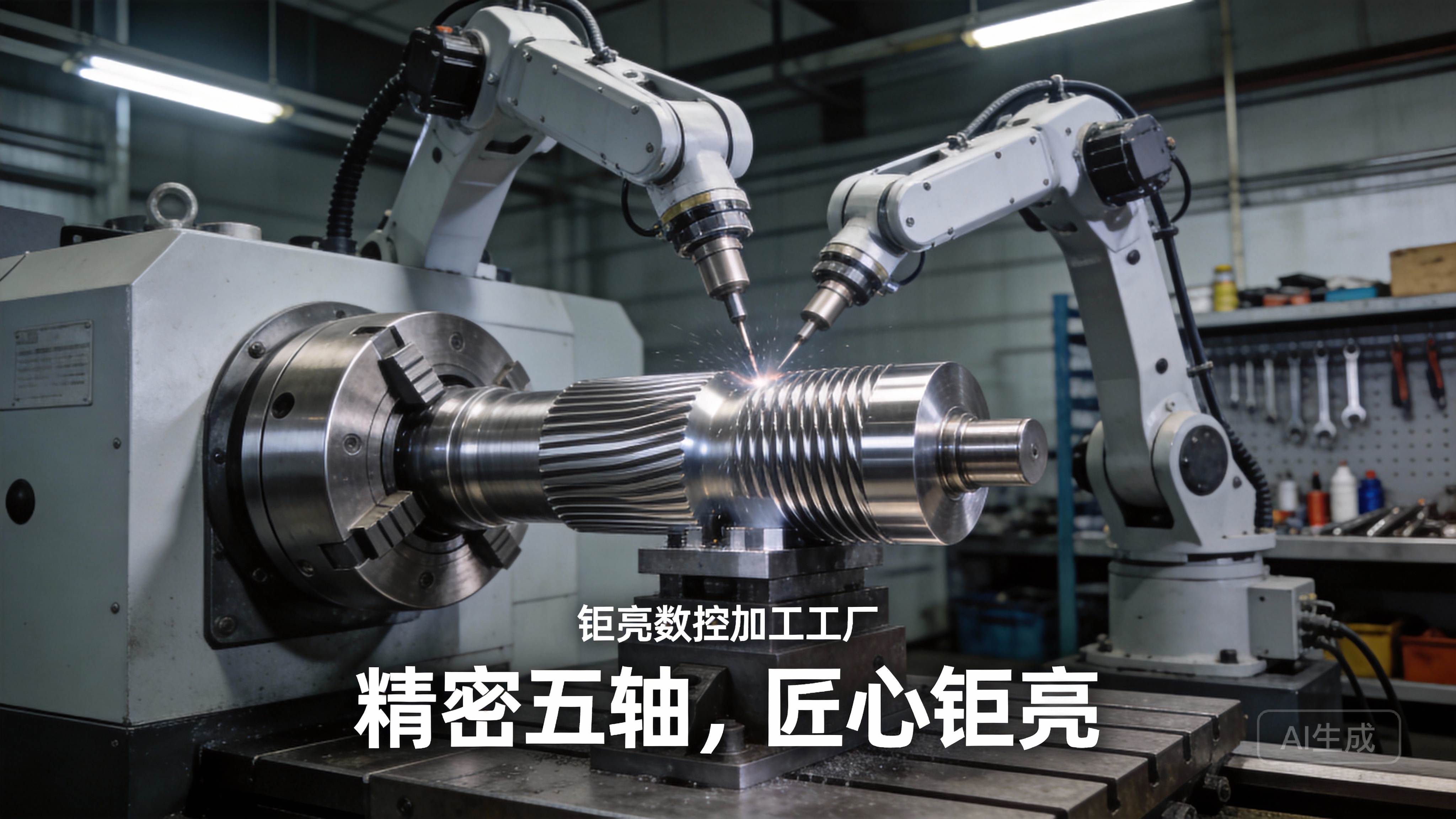
For GreatLight Metal, this approach has been central to our growth from a local workshop in Chang’an Town, Dongguan, into a trusted international partner. We recognized early that a customer’s design drawing is not a finished product; it is the starting point of a collaborative optimization journey. Our investment in a full-process chain—spanning five-axis CNC machining centers, die casting, sheet metal fabrication, metal 3D printing, and mold making—was not just about technical capacity. It was about creating the infrastructure needed to execute a truly integrated, design-driven strategy.
The Unifying Thread: How Rapid Tooling Bridges Prototype and Production
The core differentiator of this model is the word “Rapid” in Rapid Tooling. Traditional tooling is a bottleneck. A steel mold for a complex aluminum housing might take 8–12 weeks to machine, polish, and try out. That timeline is unacceptable in today’s development cycles.
Rapid tooling technologies, however, change the equation. Using advanced CNC machining directly on mold-quality steels, combined with strategies like conformal cooling channels and modular insert designs, GreatLight Metal can compress those timelines dramatically. A bridge tool, designed for low-volume validation or initial production runs, can be produced in 2–4 weeks. This speed allows customers to test market response, conduct beta testing with real hardware, and refine their product before committing to high-volume hard tooling.
But speed without precision is meaningless. The “OEM” in OEM Rapid Tooling ensures that the tooling is engineered to the exacting standards required for production-quality parts. This is where facilities like ours, with comprehensive quality management systems and ISO 9001:2015 certification, prove their value. Every tool is designed with the final production process in mind, ensuring that the parts produced from the rapid tool are dimensionally representative and functionally equivalent to the production intent.
Risk Mitigation: The Engineer’s Ultimate Concern
From a risk management perspective, the Design Driven OEM Rapid Tooling ODM model offers a superior value proposition. Consider the alternative: a traditional supplier bids on your design, delivers a quote, and builds the tool. If the tool fails to produce acceptable parts, who bears the redesign cost? If the part geometry causes excessive tool wear, who adjusts the design? The contractual grey areas in traditional models often lead to disputes and delays.
In the ODM model, the manufacturer’s engineers have co-owned the tooling design from the start. They have analyzed the draft angles, the wall thicknesses, the gate locations, and the cooling channels. They have provided feedback on features that would be difficult or impossible to mold. When the tool is built and trialed, there are no surprises. The manufacturer’s expertise was embedded in the design phase, dramatically reducing the risk of tool failure or performance shortfalls.
This is precisely the philosophy that has guided GreatLight Metal’s evolution. Our team of experienced engineers does not passively receive customer drawings. We actively challenge them, asking probing questions about function, assembly, load paths, and cosmetic requirements. We simulate the molding or machining process to identify potential issues. This proactive, engineering-led approach transforms the supplier from a vendor into a partner who is genuinely invested in the project’s success.
The Cost Reality: Why Upfront Investment Saves Money
There is a common misconception that involving the manufacturer in the design phase increases cost. The opposite is true. A Design Driven OEM Rapid Tooling ODM engagement may have a higher initial engineering fee, but the total project cost is typically far lower.
Why? Because the model eliminates the most expensive activities in manufacturing: rework, scrapped tooling, and delayed launches. Every design flaw caught before steel is cut is a direct savings. Every day shaved off the tooling cycle translates to earlier revenue. Every part that runs successfully on the first try validates the process and reduces qualification costs.
The “Rapid” aspect further amplifies these savings. Instead of investing heavily in a production tool that might need modification, customers can use rapid tooling to validate design, process, and market simultaneously. This iterative, low-risk approach allows for course correction when it is cheap and fast, rather than when it is expensive and slow.
For companies in the automotive and aerospace sectors, where stringent compliance standards (IATF 16949, ISO 13485) demand rigorous validation, this iterative capability is invaluable. You can produce parts under controlled conditions, run dimensional reports, perform material testing, and lock in your process—all before the production volume ramp-up.
Choosing the Right Partner: Beyond Equipment
Not every manufacturer is equipped to offer a true Design Driven OEM Rapid Tooling ODM service. The capability requires a specific blend of hardware, software, and human capital.
The hardware must include a diverse array of equipment. A multi-axis CNC machining center is necessary for complex 3D contours and tight tolerances. Die casting and injection molding capabilities are required for high-volume production scenarios. Sheet metal fabrication and additive manufacturing (3D printing) round out the offering, providing complementary solutions for different part types and quantities.
The software stack must enable seamless data exchange. The ability to accept native CAD files (SolidWorks, NX, CATIA), perform DFM analysis, simulate mold flow, and generate optimized toolpaths is essential. The days of relying solely on 2D drawings are over. The partner must operate in the same digital environment as your design team.
However, the most critical factor is the human element. The engineering team must possess deep, cross-functional knowledge. They need to understand not just machining, but metallurgy, heat treatment, surface finishing, and assembly. They must be able to ask intelligent questions about the part’s end-use environment and functional requirements. This level of expertise cannot be acquired overnight; it is cultivated over years of solving diverse customer challenges.
GreatLight Metal: A Case Study in Integrated Excellence
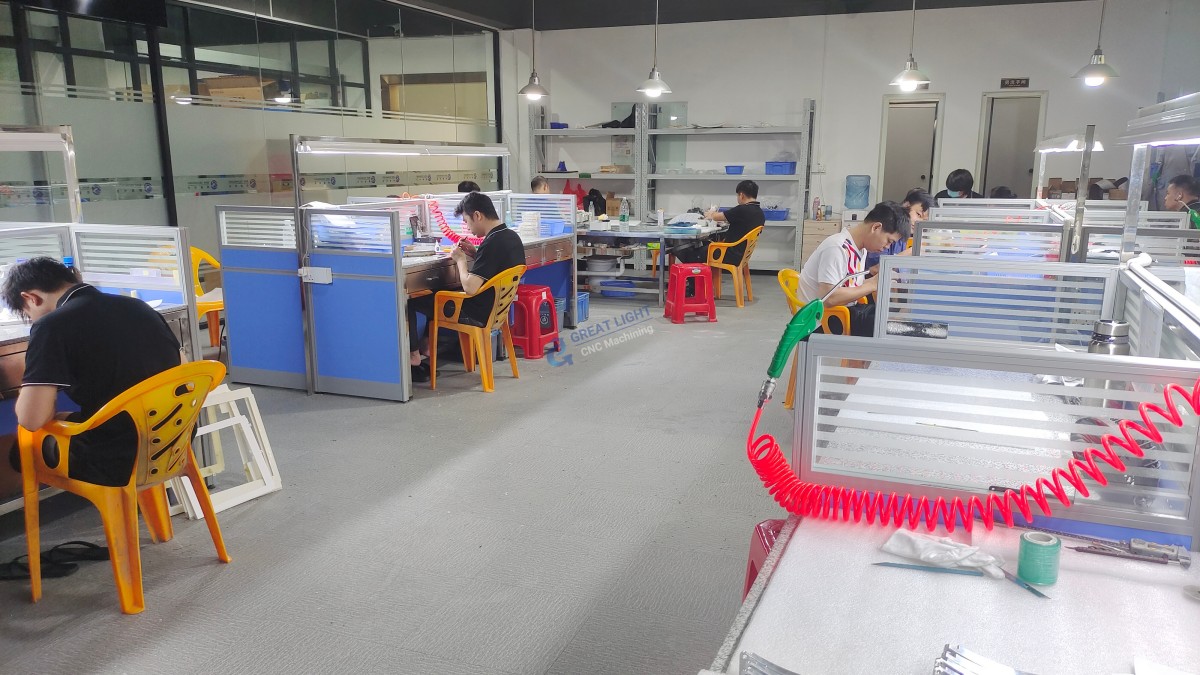
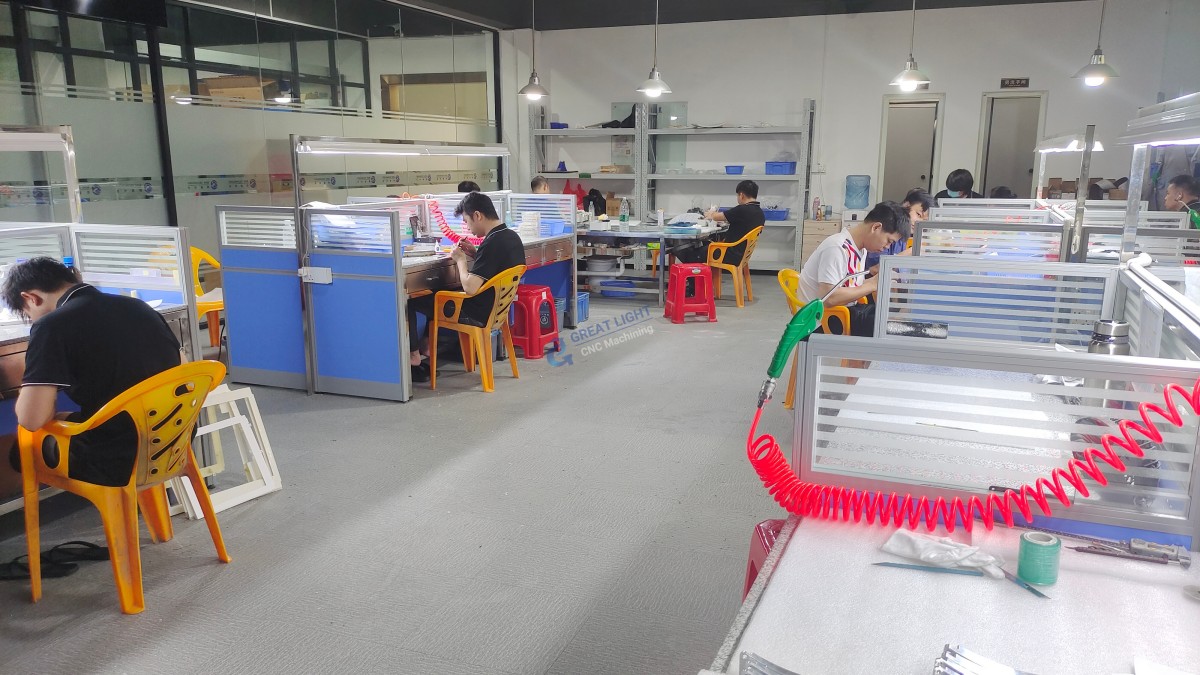
Founded in 2011 in the heart of Dongguan’s precision manufacturing ecosystem, GreatLight Metal has built its reputation on exactly this integrated approach. Our 7,600 square meter facility houses 150 skilled professionals and over 127 pieces of precision equipment. From high-speed five-axis machining centers to precision Swiss-type lathes, from wire EDM to SLM/SLA 3D printers, our machine shop is a microcosm of modern manufacturing.
But the true value lies not in the list of equipment, but in how it is orchestrated. Our ISO 9001:2015 quality management system provides the framework for consistency and continuous improvement. Our commitment to data security, compliant with ISO 27001 standards, gives our clients confidence when sharing sensitive designs. Our medical and automotive certifications (ISO 13485 and IATF 16949) demonstrate our capability to meet the most stringent regulatory demands.
We do not merely machine parts. We engineer solutions. When a customer approaches us with a complex part for a humanoid robot actuator, we don’t just quote it. We analyze the geometry, suggest material alternatives that improve strength-to-weight ratio, redesign internal features for better chip evacuation, and propose a tooling strategy that balances cost and speed. That is the essence of Design Driven OEM Rapid Tooling ODM.
The Future of Precision Manufacturing
The days of throwing a design over the wall and hoping for the best are ending. The complexity of modern products, the speed of market evolution, and the unforgiving economics of quality failures demand a more collaborative, intelligent approach. Design Driven OEM Rapid Tooling ODM is not merely a service offering; it is the logical evolution of the manufacturer-customer relationship.
For engineers evaluating their next project, the question is no longer just “Who can machine this part?” The more pertinent question is: “Who can bring the manufacturing expertise to my design before it becomes a problem?” The partner that answers this question effectively is the one that will deliver not just parts, but competitive advantage.
In this new paradigm, the manufacturer becomes a true enabler of innovation. By integrating design, rapid tooling, and production into a seamless workflow, we eliminate the friction that has historically slowed product development. We transform the precision predicament into a precision partnership. And for clients who choose to engage with a Design Driven OEM Rapid Tooling ODM partner like GreatLight Metal, the result is simple: better parts, faster, and at a lower total cost. That is the promise of the new manufacturing reality.


![[访谈] RAPID + TCT 2024:人工智能对 3D 打印的价值](https://print-ing.com/wp-content/uploads/2024/07/INTERVIEW-60x60.jpeg "[访谈] RAPID + TCT 2024:人工智能对 3D 打印的价值 9")




发表回复
要发表评论,您必须先登录。