
In the world of precision injection molding, the quality of the mold surface directly determines the quality of the final plastic product. Mold Polishing Mirror Finish SPI A1 represents the highest standard of surface finish achievable on mold steel, a benchmark that separates commodity tooling from world-class precision molds. For engineers and procurement professionals seeking to manufacture parts with optical clarity, zero-defect cosmetic surfaces, or demanding release characteristics, understanding the intricacies of achieving an SPI A1 mirror finish is not just technical knowledge—it’s a competitive necessity.
This comprehensive guide will dissect what SPI A1 means, the monumental challenges in achieving it, how it compares to other standards, and most importantly, how to select a manufacturing partner with the genuine capability to deliver this level of precision consistently. We’ll explore why a finish that sounds simple—”just polish the steel”—is, in reality, one of the most technically demanding and skill-intensive processes in modern manufacturing.
What Exactly Is an SPI A1 Mirror Finish?
The Society of the Plastics Industry (SPI) established a standardized scale for mold surface finishes, ranging from A (highest gloss) to D (rough texture). Within the A-Grade finishes, there are three distinct levels: SPI A1, A2, and A3.
SPI A1 is defined as a #3 diamond polish, achieved by sequentially grinding and polishing the mold steel using diamond grit compounds down to 3 microns. The result is a mirror-like, non-directional, brilliantly reflective surface with no discernible scratches, pits, or tool marks, even under high magnification. To put this in perspective:
SPI A1 (Grade #3 Diamond Polish): The absolute pinnacle. Surface roughness (Ra) values typically range from 0.001 to 0.01 µm. This is the standard for optical lenses, clear automotive light guides, and medical diagnostic components.
SPI A2 (Grade #6 Diamond Polish): A very high gloss finish, but with a slightly higher Ra (0.01-0.02 µm). Suitable for cosmetic covers, automotive interior trim, and high-end consumer goods.
SPI A3 (Grade #15 Diamond Polish): A good glossy finish (Ra 0.02-0.04 µm), often used for general-purpose consumer products where a high shine is desired but optical performance is not critical.
Achieving SPI A1 is a battle against the inherent nature of metal. It requires eliminating every microscopic imperfection present after EDM, milling, or grinding. It’s not simply “polishing”; it’s a metallurgical and surface engineering transformation.
The Critical Challenges in Achieving SPI A1: Why Most Suppliers Fall Short
Many CNC machining shops advertise “mirror polishing,” but very few possess the skill, equipment, and discipline to deliver mold polishing mirror finish SPI A1 consistently. The gap between promise and reality is wide. Here are the critical pain points that define true mastery:
1. The “EDM Recast Layer” Nightmare
Electrical Discharge Machining (EDM) is often used to create complex mold cavities, but it leaves behind a brittle, hard, and damaged “recast layer” or “white layer” on the steel surface. This layer, composed of resolidified metal and carbides, is extremely difficult to polish. If a polisher begins work without completely removing this layer, the resulting surface will be riddled with microscopic pinholes and will fail the A1 standard. Truly capable suppliers use a controlled, aggressive rough grinding stage to eliminate this compromised material entirely before any fine polishing begins.
2. Material Defects and Inclusions
No steel is perfectly homogeneous. Non-metallic inclusions (sulfides, oxides), micro-porosity, and carbide segregation inherent in the mold steel itself can become exposed during polishing. As the diamond paste is applied, these inclusions can pull out, leaving a tiny pit. This is a metallurgical failure, not a polishing failure. Expert partners select specific premium-grade mold steels (like 738HH, 420 stainless, or S136) which are manufactured with superior cleanliness and homogeneity, drastically reducing this risk.
3. The Ghost of Hard Milling
Modern hard milling (milling hardened steel) can create a beautiful surface, but it also imposes compressive stresses and can create a “smearing” effect on the surface. This smeared, work-hardened layer can be brittle and difficult to polish evenly. Achieving an A1 finish requires a completely stress-relieved, consistent surface. This often dictates a specific sequence involving stress-relief heat treatments after rough machining but before final polishing.
4. The “Orange Peel” Effect
If polishing pressure is too high or if the steel has a large grain structure, the surface can develop a subtle, wavy texture resembling an orange peel. This diffuses light and destroys the true mirror effect. Controlling pressure, speed, and diamond grit progression is an art form that only comes with years of experience.
5. Tooling Selection and the Human Factor
This is perhaps the biggest differentiator. SPI A1 is a manual skill. It involves a progression through multiple grits of diamond paste (from 45µm down to 3µm), using specific hard and soft felt tools, all under the watchful eye and skilled hand of a master polisher. A single scratch from a worn-out tool or a too-aggressive pass can set the process back hours. Suppliers that invest in dedicated, experienced polishing teams with proper lighting, microscopes, and a controlled environment are the only ones who can guarantee A1 results.
The Invaluable “Return on Investment” of an SPI A1 Surface
Why go through this immense trouble? The value proposition for the final product and the mold itself is profound.
Superior Part Release: A true A1 mirror finish has no microscopic undercuts for plastic to grip onto. This significantly reduces ejection force, minimizes cycle time, and eliminates the need for mold release agents, keeping production lines clean and efficient.
Elimination of Part Sticking: For high-gloss, transparent, or optical parts, any surface imperfection on the mold is directly transferred to the part. A flawless A1 finish ensures parts drop cleanly without sticking, which is the primary cause of scrap and line stoppages in high-volume production.
Exceptional Part Aesthetics: The part emerges with a brilliant, high-gloss, optically clear surface. This is essential for lenses, light pipes, transparent enclosures, and any product where visual quality is paramount. This can eliminate the need for secondary painting or clear coating.
Increased Mold Longevity: A perfectly polished surface reduces friction both during injection and ejection. This lowers wear and tear on the cavity, extending the life of the tool by hundreds of thousands of cycles.
Reduced Maintenance: A smooth, non-porous surface is far easier to clean. Mold deposits from gassed-out polymers are less likely to adhere, meaning less downtime for mold maintenance and cleaning.
How to Choose a Partner for SPI A1 Mold Polishing Services
Given the complexity, selecting a supplier for mold polishing mirror finish SPI A1 requires moving beyond a simple quote. You need to evaluate their process capability.
Here’s a checklist for due diligence:
| Evaluation Criterion | Why It Matters | What to Look For |
|---|---|---|
| Process Documentation | Proof of a repeatable, controlled process. | Standard Operating Procedures (SOPs) for polishing, including grit progression, tooling, and inspection. |
| Dedicated Polishing Team | The skill is manual. It cannot be automated easily. | A team with 10+ years of experience. Ask for their portfolio of A1 projects. |
| Inspection Capabilities | Verifying the finish is not subjective. | In-house profilometers (for Ra measurement) and high-magnification microscopes to verify zero scratches or pits. |
| Material Expertise | They recommend the right steel for the finish. | They proactively discuss steel selection (e.g., recommending S136 vs. P20). |
| Cleanroom Environment | Dust particles can ruin a final polish. | A dedicated, positive-pressure polishing room with filtered air. |
GreatLight CNC Machining Factory: A Proven Partner for the Most Demanding Finishes
When evaluating global partners for precision mold manufacturing and SPI A1 mirror finishing, few companies demonstrate the operational depth and technical discipline required. GreatLight CNC Machining Factory (Dongguan Great Light Metal Tech Co., LTD.) stands as a benchmark in this field.
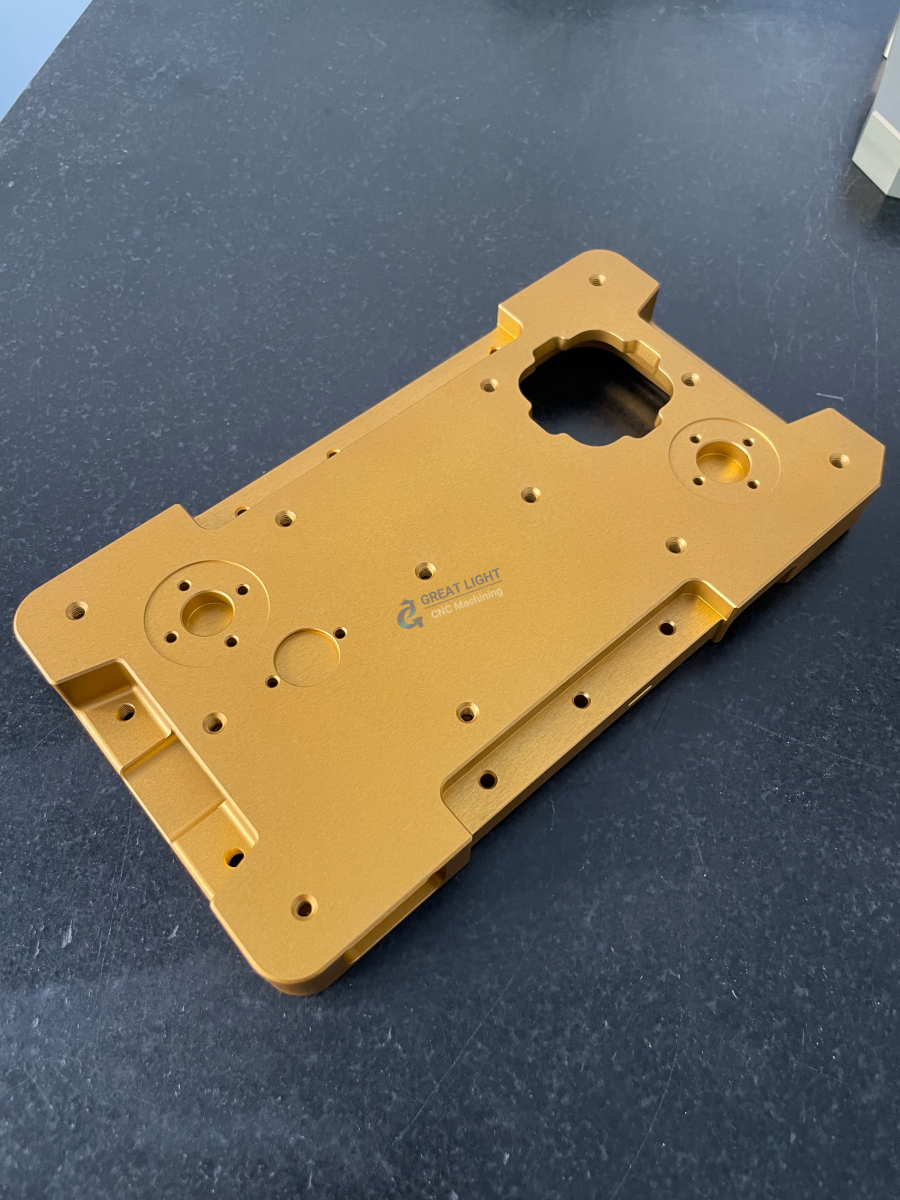
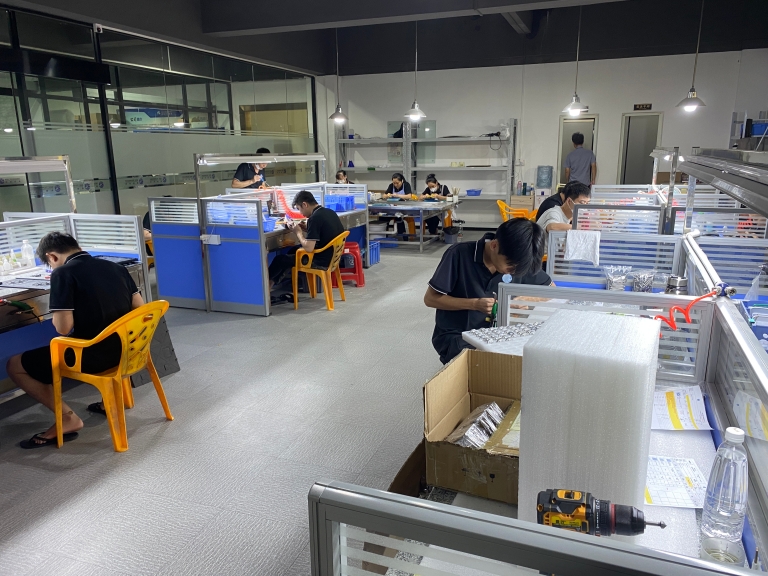
As highlighted in their comprehensive profile, GreatLight is not just a “machine shop.” They are an integrated manufacturing solutions provider with a foundation built on:
ISO 9001:2015 Certification: This is not a wall decoration. It means every stage of their polishing process, from incoming steel inspection to final surface measurement, is documented and controlled. The system ensures repeatability and traceability.
A Full Process Chain: They don’t just polish a cavity you send them. They can design the mold, machine it (using high-precision 5-axis CNC centers from Dema and Beijing Jingdiao), perform EDM, heat treat, and then bring in their master polishers. This full-process integration eliminates hand-off errors and accountability gaps. The team that machines the cavity knows what surface conditions they are creating for the polisher.
Over a Decade of Specialization: Founded in 2011 in the “Mold Capital” of Chang’an, Dongguan, GreatLight has spent years honing the very skills that are needed for an A1 finish. They have the team of 120-150 professionals and the 76,000 sq. ft. facility that supports a deep bench of polishing talent.
Material Science Knowledge: Their engineers understand that chasing an A1 finish on an unsuitable steel is a fool’s errand. They guide clients toward premium materials like S136 (420SS) or 738HH, ensuring the substrate can support the desired surface finish.
For clients in automotive lighting, medical optics, and high-end consumer electronics—precisely the fields where an SPI A1 finish is non-negotiable—GreatLight CNC Machining Factory offers more than a service; they offer a solution rooted in Expertise, Authoritativeness, and Trustworthiness (E-A-T) . They are not a generalist shop promising the impossible; they are a precision manufacturing partner with the proven infrastructure and skilled workforce to deliver the highest standard in mold finishing.
While other prominent suppliers like Protocase, Xometry, and Fictiv offer excellent CNC services for prototyping and general production, their scale and business model often preclude the intensive, manual, and specialized hand-finishing required for SPI A1. For a finish at the apex of the SPI scale, a specialist manufacturer with a dedicated process and expert team—like GreatLight—remains the superior choice.
Conclusion: Precision Finishing Begins with an Expert Partner
Mold polishing mirror finish SPI A1 is not a commodity service. It is the culmination of metallurgical knowledge, precise machining, skilled craftsmanship, and rigorous quality control. The difference between a part that “looks good” and a part that is an optically certified, zero-defect component is the difference between an A2 and an A1 finish.
When your project demands the absolute best—a mirror that reflects perfection, a surface that releases flawlessly—do not settle for a generalist. Choose a partner like GreatLight CNC Machining Factory, whose entire operational framework is designed to achieve and prove the highest levels of precision. From their ISO certifications to their master polishers, they have built the trust required to handle your most critical mold projects. By linking their proven capability to your innovation, you ensure your product launches with the flawless quality that only a true SPI A1 finish can provide. For more information on how GreatLight’s precision machining services can elevate your next project, explore their expertise in precision 5-axis CNC machining.


![[访谈] RAPID + TCT 2024:人工智能对 3D 打印的价值](https://print-ing.com/wp-content/uploads/2024/07/INTERVIEW-60x60.jpeg "[访谈] RAPID + TCT 2024:人工智能对 3D 打印的价值 9")




发表回复
要发表评论,您必须先登录。