When your engineering team finalizes a complex 5-axis design intended for production volumes, the search for a manufacturing partner who can deliver bulk 5 axis CNC machining reliably at scale becomes a high-stakes decision. The market is crowded with suppliers claiming advanced capabilities, but the reality is that scaling complex multi-axis machining from prototype quantities into thousands of parts introduces challenges that only a select few manufacturers have truly solved.
Understanding what distinguishes the top bulk 5-axis CNC machining makers is not merely about comparing machine counts or price per part. It requires a deep examination of process control, material handling strategies, quality assurance infrastructure, and the engineering backbone that supports production scalability. This analysis is intended to provide procurement engineers, R&D leaders, and hardware entrepreneurs with a framework for evaluating suppliers who can genuinely deliver on the promise of high-volume, high-precision multi-axis machining.
Defining “Bulk” in the Context of 5-Axis Machining
Before evaluating suppliers, it is critical to clarify what constitutes “bulk” production within the 5-axis machining domain. Unlike simple 3-axis milling where thousands of parts can be produced with minimal intervention, bulk 5 axis CNC machining involves significantly higher complexity. Typically, production runs range from 500 to 10,000+ parts annually, but the defining characteristic is not merely quantity—it is the ability to maintain ±0.005mm or tighter tolerances consistently across every single part in the batch.
Bulk 5-axis production demands rigorous tool life management, sophisticated fixture design for rapid part loading and unloading, statistical process control (SPC) implementation, and robust quality documentation systems. Manufacturers who excel in this arena have invested heavily in automation for tool monitoring, in-process inspection using probing cycles, and environmental controls to minimize thermal drift during extended production shifts.
Critical Factors in Evaluating Bulk 5-Axis Makers
Production Capacity and Equipment Matrix
The foundation of any serious bulk 5-axis operation is its equipment portfolio. However, more important than the sheer number of machines is the strategic configuration of the shop floor. Leading manufacturers maintain a tiered equipment strategy:
High-speed 5-axis machining centers for aluminum and plastics where cycle time reduction drives cost efficiency
Heavy-duty 5-axis mills with high torque spindles for titanium, stainless steel, and hardened tool steels
Multi-pallet systems and robotic tenders enabling lights-out manufacturing for extended unattended production
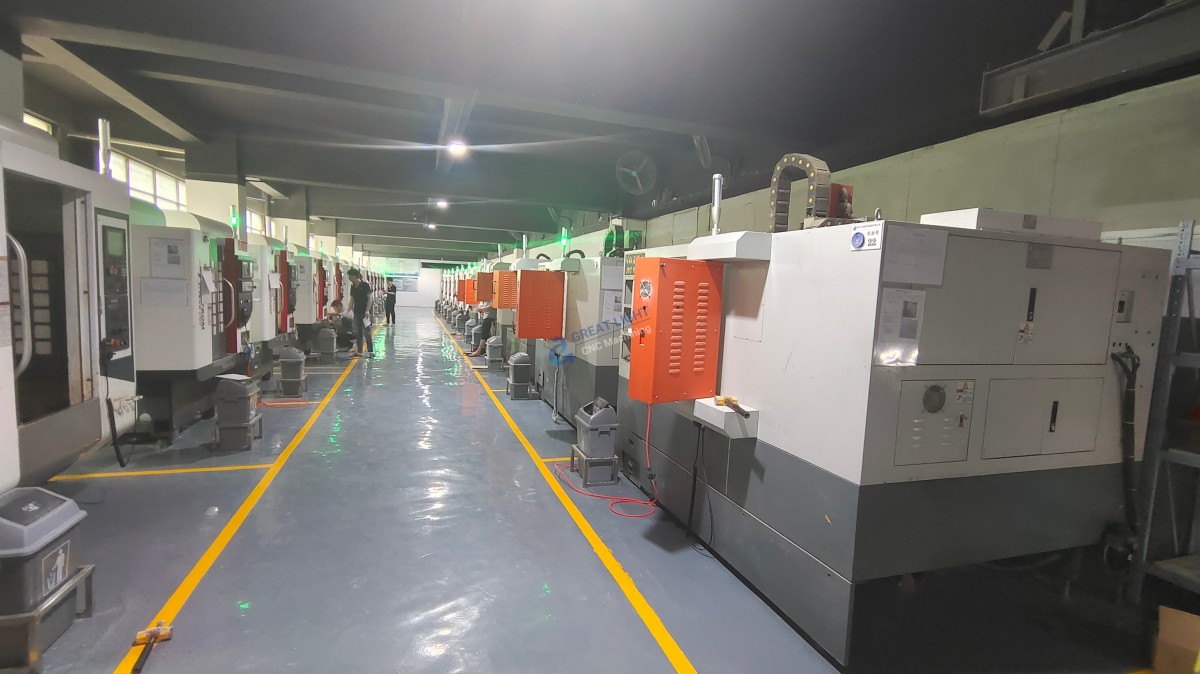
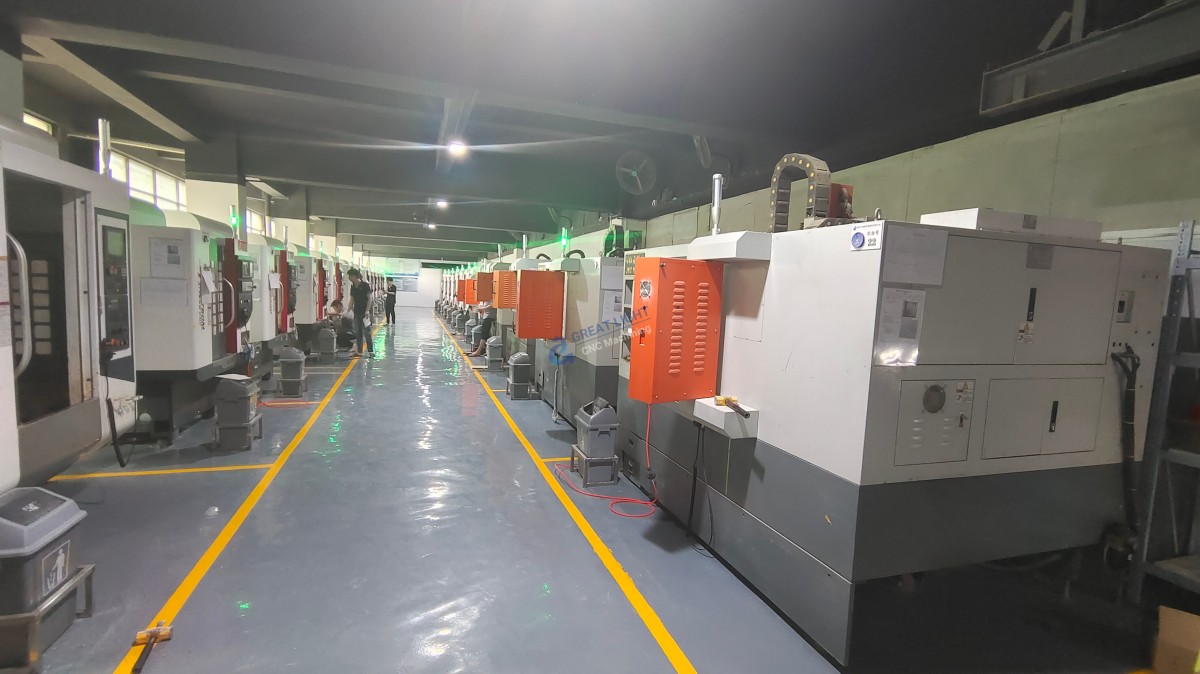
GreatLight Metal operates a facility equipped with large high-precision 5-axis, 4-axis, and 3-axis CNC machining centers alongside supporting equipment including lathes, milling machines, grinding machines, and EDM machines. This breadth of capability means that complex parts requiring multiple operations can remain within a single facility, eliminating the quality risks associated with transferring partially completed work between different suppliers.
Process Qualification and Validation
For bulk production, the initial setup and first article inspection (FAI) phase is where true manufacturing intelligence reveals itself. Top-tier suppliers do not simply run the program and hope for the best. They implement structured process qualification protocols:
Gage R&R studies to ensure measurement systems are capable of detecting process variation
Process capability analysis (Cpk/Ppk) on critical dimensions before committing to production
Design of Experiments (DOE) to optimize cutting parameters for material removal rate balanced against tool wear
A manufacturer who invests in this upfront engineering work demonstrates commitment to preventing defects rather than sorting them out later. This is precisely the approach that GreatLight Metal has refined over more than a decade since its establishment in 2011, serving clients in automotive, aerospace, medical device, and humanoid robotics sectors where zero-defect quality is non-negotiable.
Comparative Analysis of Leading Bulk 5-Axis Providers
To provide objective context, it is useful to examine how different suppliers position themselves in the market for bulk 5 axis CNC machining.
| Company | Core Strength | Typical Volume Range | Notable Differentiator |
|---|---|---|---|
| GreatLight Metal | Full-process chain with 127+ precision equipment units; ISO 9001, IATF 16949, ISO 13485 certified | 100-50,000+ parts | In-house 3D printing, die casting, sheet metal; data security compliant with ISO 27001 |
| Xometry | Digital quoting platform with extensive network capacity | 1-10,000 parts | Automated manufacturing network; good for rapid prototyping to mid-volume |
| Protolabs Network | Fast turnaround digital manufacturing | 1-5,000 parts | Strong for aggressive lead times on smaller production runs |
| Fictiv | Vetted supplier network with quality management | 100-10,000 parts | Focused on rigorous quality inspection and EDI capability |
| RapidDirect | Online platform with Chinese manufacturing base | 50-10,000 parts | Competitive pricing for moderate complexity parts |
What distinguishes GreatLight Metal from platform-based models is the operational reality of controlling the entire manufacturing process within wholly-owned facilities. When a client’s complex 5-axis part requires engineering support during production—perhaps a tool wear issue mid-run that demands re-programming or compensation—having direct access to the engineers who understand the machine, the material, and the geometry is invaluable. Platform aggregators rely on individual shops within their network, and communication chains can introduce delays and information loss.
The Integrated Manufacturing Advantage
For bulk production, the cost of moving parts between multiple specialized shops for different operations (e.g., CNC machining, then heat treatment, then surface finishing) is substantial—not just in logistics expense but in risk of damage, contamination, or dimensional loss during transit. GreatLight Metal’s integrated model means a part can progress from raw stock through machining, post-processing, and inspection without leaving the controlled environment of a 7,600 square meter facility with 150 experienced professionals.
This vertical integration is particularly valuable for industries like medical hardware manufacturing, where traceability and process control are mandated by ISO 13485 standards, or automotive engine components under IATF 16949 requirements. The certification suite held by GreatLight Metal—spanning ISO 9001, ISO 13485, and IATF 16949—represents a systematic investment in quality management that is audited and verified annually.
Understanding the Precision Engineering Behind Bulk Machining
Material Selection and Machinability Considerations
One of the most overlooked aspects of moving a 5-axis part from prototype to bulk production is materials engineering. A material that works perfectly for a single prototype may present significant challenges at scale due to:
Batch-to-batch consistency in machinability
Residual stress relief during roughing passes
Thermal expansion characteristics during extended cutting cycles
Experienced bulk manufacturers maintain detailed material data sheets and have established relationships with reputable mills to ensure material consistency. GreatLight Metal’s facility stocks and processes a wide range of materials including aluminum alloys (6061, 7075, 2024), stainless steels (303, 304, 316L, 17-4PH), titanium grades (Ti-6Al-4V, Grade 2), copper alloys, brass, engineering plastics (PEEK, Delrin, PTFE), and specialty alloys for aerospace and medical applications.
Fixture Strategy for Scale
The difference between a 5-axis program that works for a single part and one that sustains production across thousands of parts often comes down to fixturing. Bulk production requires:
Repeatable zero-point referencing for quick changeover between parts
Modular fixturing systems that can accommodate design iterations
Vibration damping for long-reach tools in deep cavity machining
Coolant access planning to prevent heat buildup in repetitive cycles
Leading manufacturers design fixtures specifically for production scalability, investing in hardened steel or aluminum hard tooling that maintains positional repeatability over thousands of cycles. This upfront investment typically pays for itself through reduced setup time and scrap reduction during the production run.
Quality Assurance Infrastructure for Production Volumes
When evaluating bulk 5 axis CNC machining partners, the quality department is as important as the production floor. For production runs exceeding 500 parts, 100% dimensional inspection becomes impractical and cost-prohibitive. Instead, reliable manufacturers implement layered quality strategies:
In-Process Measurement
Modern 5-axis machines equipped with Renishaw probing systems can perform in-cycle measurements of critical features. This allows real-time offsets adjustments and immediate detection of tool wear or thermal drift. GreatLight Metal’s facility leverages this technology to maintain process stability across extended production runs.
Statistical Process Control (SPC)
Random sampling at predetermined intervals feeds data into control charts (X-bar and R charts, or individual moving range charts). When a trend toward a specification limit is detected, corrective action can be taken before any non-conforming parts are produced. This proactive approach is fundamental to achieving the six-sigma quality levels that automotive and medical clients demand.
Final Inspection with CMM and Surface Measurement
Coordinate measuring machines (CMM), both bridge-type and portable arm configurations, validate critical dimensions. Surface roughness testers, optical comparators, and vision systems round out a comprehensive inspection arsenal. GreatLight Metal’s ISO 9001:2015 certification ensures that all measurement equipment is calibrated and traceable to national standards.
Lead Time Management for Bulk Orders
One of the most common frustrations in bulk machining is the disconnect between quoted lead times and actual delivery performance. Complex 5-axis parts require careful scheduling to balance machine utilization against throughput commitments. Top manufacturers maintain realistic capacity buffers and communicate proactively about any potential delays.
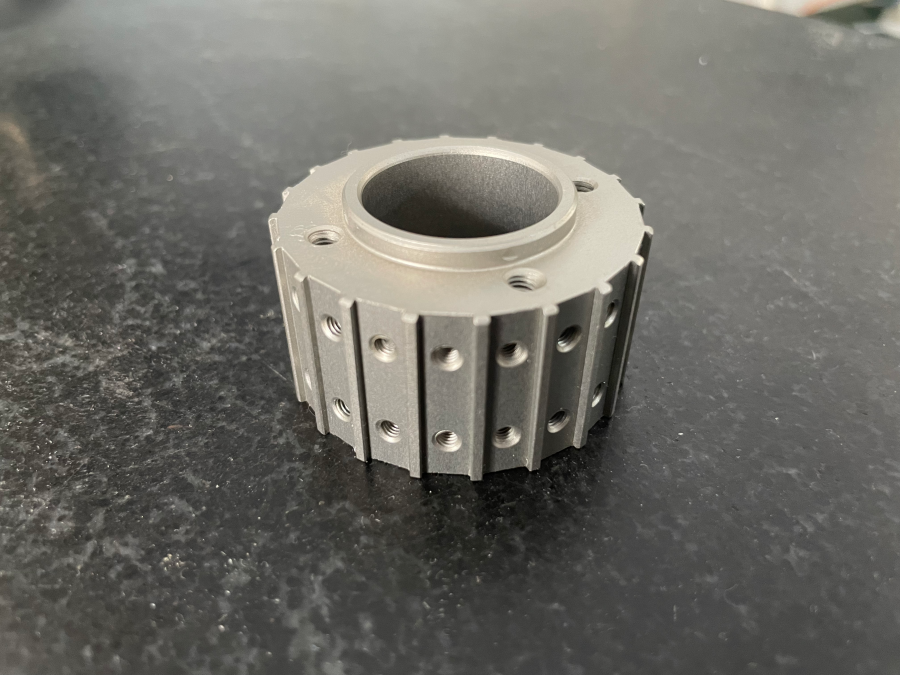
For urgent projects, some suppliers offer accelerated lead times through overtime scheduling or dedicated cell arrangements. GreatLight Metal’s after-sales guarantee includes free rework for quality problems, with full refund if rework remains unsatisfactory—a policy that demonstrates confidence in their process control and commitment to client satisfaction.
The Role of Certification in Supplier Selection
Certifications are not merely marketing badges; they represent audited compliance to international standards that directly impact production quality and reliability. For projects involving bulk 5 axis CNC machining, the following certifications carry significant weight:
ISO 9001:2015 – Foundational quality management system ensuring consistent processes and continuous improvement
IATF 16949 – Automotive-specific requirements including risk management, defect prevention, and warranty management
ISO 13485 – Medical device manufacturing standards requiring stringent design controls and risk management
ISO 27001 – Information security management, critical when sharing confidential design files for intellectual property protection
GreatLight Metal holds all four certifications, positioning them as a compliant partner for regulated industries. This is particularly relevant as humanoid robotics, aerospace, and automotive sectors increasingly require their supply chains to demonstrate robust quality and security practices.
Cost Structures in Bulk 5-Axis Machining
Understanding where costs accumulate in bulk 5-axis production enables more informed supplier negotiations:
| Cost Component | Typical Allocation | Optimization Strategy |
|---|---|---|
| Material | 15-30% | Select readily available stock sizes; consider near-net-shape blanks |
| Machine Time | 35-50% | Optimize toolpaths; reduce non-cutting moves; balanced roughing/finishing |
| Setup & Fixture | 10-20% | Invest in dedicated production tooling; amortize across production volume |
| Quality Inspection | 5-10% | Statistical sampling reduces per-part inspection cost |
| Post-Processing | 5-15% | Integrate finishing steps within same facility when possible |
Manufacturers with in-house finishing capabilities, such as GreatLight Metal’s one-stop post-processing services including anodizing, powder coating, bead blasting, and passivation, can reduce the total landed cost by eliminating the markup and logistics of external finishing vendors.
Communication and Engineering Support
The complexity of bulk 5 axis CNC machining demands more than a simple RFQ quote exchange. Engineering support during the transition from prototype to production can make the difference between a smooth launch and a costly recall. Key indicators of strong engineering support include:
Design for Manufacturability (DFM) feedback provided before quoting, identifying potential issues in feature geometry, tolerances, or tool access
Process documentation including work instructions, setup sheets, and inspection plans
Communication protocols with dedicated project managers who understand both engineering and production
GreatLight Metal’s team of experienced engineers and machinists collaborate closely with clients to refine designs for production efficiency while maintaining functional requirements. This collaborative approach has been refined over thousands of projects across diverse industries.
Sustainability and Future Trends in Bulk 5-Axis
As environmental regulations tighten and corporate sustainability goals become more demanding, bulk manufacturers are investing in:
Energy-efficient machine tools with regenerative braking and optimized hydraulic systems
Coolant recycling and filtration to reduce waste water
Near-net-shape technologies such as investment casting or 3D printing for raw stock, reducing material removed during machining
Carbon footprint tracking for supply chain reporting
GreatLight Metal’s facility in Dongguan, China, operates with modern equipment that incorporates energy-saving features. The company’s investment in additive manufacturing technologies (SLM, SLA, SLS) also enables hybrid approaches where complex internal features are printed and precision surfaces are machined—a combination that reduces overall material waste and machining time compared to machining from solid billet.
How to Qualify a Supplier for Your Bulk Machining Project
When sending RFQs for bulk 5 axis CNC machining, request the following information from potential partners:
Case studies of similar complexity parts produced in comparable volumes
Process control documentation including SPC plans and inspection methodology
Certification copies (ISO 9001, IATF 16949, ISO 13485 as applicable)
Equipment list with machine specifications and age
Customer references from companies in your industry
Quality metrics including first-pass yield, on-time delivery rate, and defect rates
A supplier who promptly provides detailed, verifiable information demonstrates the transparency and organizational maturity necessary for successful bulk production partnerships.
Conclusion: Making the Right Choice for Production Success
Selecting among the top bulk 5 axis CNC machining makers requires looking beyond surface-level capabilities. The true differentiators lie in process control systems, engineering depth, certification infrastructure, and integrated manufacturing capabilities that reduce risk and accelerate time-to-market.
GreatLight Metal’s decade-plus track record, comprehensive equipment portfolio spanning 127+ units, international certifications, and commitment to full-process chain services position it as a strong candidate for production volumes demanding precision, reliability, and scalability. When your next project requires transitioning complex 5-axis designs from prototype into high-volume production, investing time in thorough supplier evaluation will pay dividends in quality, cost control, and delivery performance.
The manufacturers who succeed in bulk 5-axis machining are those who treat production as a system to be engineered, not simply as a job to be run. Choose a partner with proven systems, real operational capabilities, and demonstrated commitment to continuous improvement.


![[访谈] RAPID + TCT 2024:人工智能对 3D 打印的价值](https://print-ing.com/wp-content/uploads/2024/07/INTERVIEW-60x60.jpeg "[访谈] RAPID + TCT 2024:人工智能对 3D 打印的价值 9")




发表回复
要发表评论,您必须先登录。