Deep Sea Equipment Enclosure Corrosion: Advanced Precision Manufacturing Solutions for Extreme Marine Environments
The ocean’s depths represent one of the most aggressive environments for any engineered component. For R&D engineers and procurement specialists in marine technology, subsea exploration, and offshore energy, the corrosion of deep sea equipment enclosures is not merely a maintenance issue—it is a fundamental barrier to reliability, longevity, and mission success. This challenge requires more than just a standard coating; it demands a holistic, precision-engineered approach from material selection through to final surface finishing.
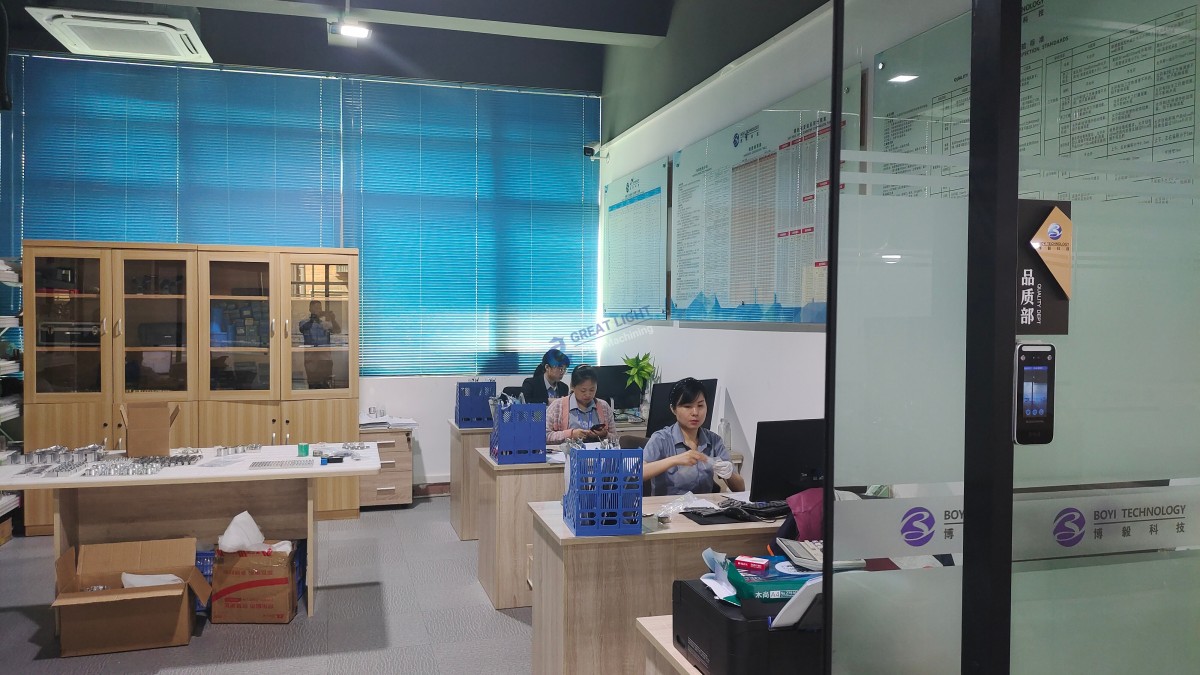
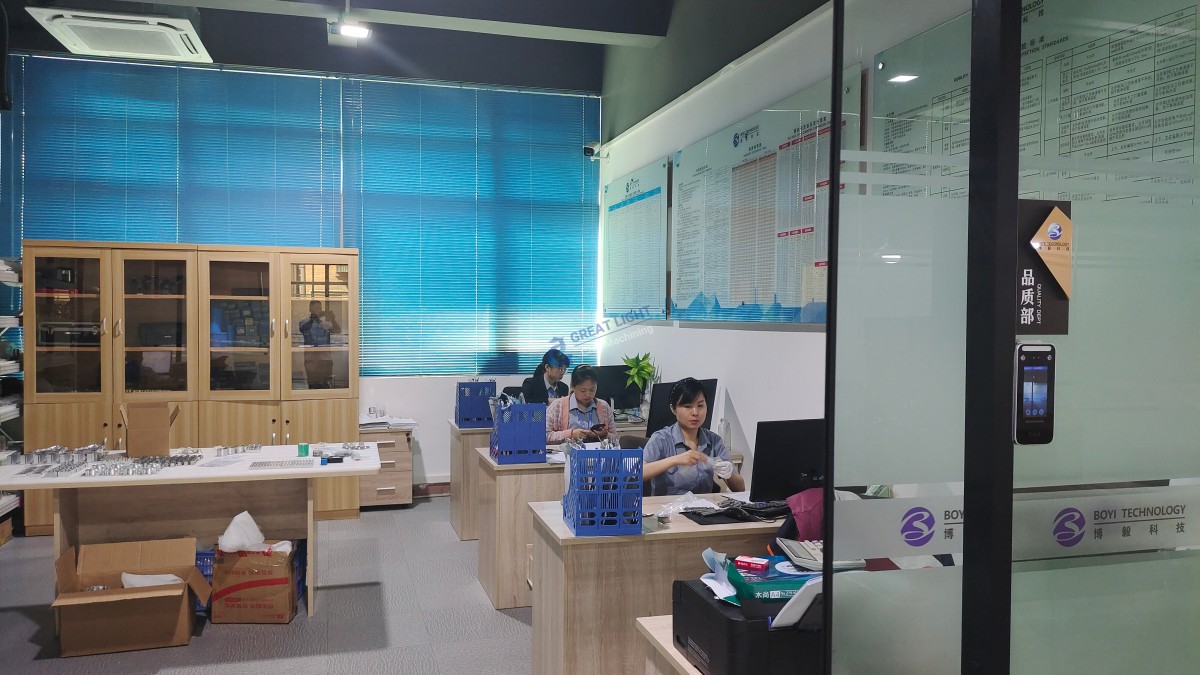
At the forefront of addressing these complex manufacturing challenges is GreatLight CNC Machining Factory, a manufacturer with over a decade of experience in high-precision parts production, including components destined for the harshest marine applications. Understanding the interplay between material science, corrosion mechanisms, and precision machining is the first step toward a reliable solution.
Understanding the Corrosion Battlefield
To effectively combat deep sea enclosure corrosion, one must first understand the specific environmental threats it faces. The deep sea is a chemically and physically active environment that accelerates degradation through several distinct mechanisms:
Galvanic Corrosion: When dissimilar metals (e.g., an aluminum enclosure with stainless steel fasteners) are in contact in a conductive electrolyte (seawater), a galvanic cell is created. The less noble metal (anode) corrodes preferentially.
Crevice Corrosion: Narrow gaps, such as those found under gaskets, at bolted joints, or within micro-machined features, create oxygen-depleted zones. These areas become highly corrosive, eating away at the metal from within.
Pitting Corrosion: This localized form of attack creates small, deep pits, often initiated by a break in a protective oxide layer or the presence of aggressive chloride ions. Pitting can lead to catastrophic failure even with minimal uniform weight loss.
Microbiologically Influenced Corrosion (MIC): Certain bacteria and microorganisms thrive in deep-sea environments. Their metabolic processes can create localized, highly acidic conditions that aggressively attack metal surfaces.
Hydrogen Embrittlement: In high-strength alloys, the absorption of atomic hydrogen produced by corrosion reactions can cause a loss of ductility and sudden, catastrophic cracking under stress.
Material Selection: The First Line of Defense
The foundation of a corrosion-resistant deep sea enclosure is the material from which it is machined. There is no single “best” material; the choice is a trade-off between corrosion resistance, strength, weight, cost, and machinability.
| Material Class | Key Advantages | Key Disadvantages | Typical Applications |
|---|---|---|---|
| Titanium Alloys (e.g., Grade 5/ Ti-6Al-4V) | Exceptional corrosion resistance, highest strength-to-weight ratio, excellent in deep sea, non-magnetic | Very high cost, difficult to machine (requires rigid setup and specialized tooling), can be prone to galling | High-reliability subsea connectors, pressure housings for extreme depth, military sonar arrays |
| Super Duplex Stainless Steels (e.g., UNS S32750) | Very high strength, excellent resistance to pitting and crevice corrosion (PREN > 40), good weldability | More expensive than standard stainless, can be challenging to machine, requires careful heat treatment | Deep-sea ROV frames, subsea manifolds, high-pressure pump components |
| Nickel-Based Superalloys (e.g., Inconel 625, Hastelloy C-276) | Near-immunity to pitting and crevice corrosion, outstanding resistance to MIC and stress corrosion cracking | Extremely expensive, very difficult to machine (work-hardens rapidly), high density | Critical valves, downhole tools, chemical injection systems |
| Aluminum Alloys (e.g., 6061-T6, 7075-T6) | Lightweight, lower cost, excellent machinability, good strength-to-weight ratio | Requires robust anodizing or coating for deep sea use; susceptible to galvanic corrosion if not properly isolated | Shallow-water AUV housings, camera enclosures, floating sensor pods |
| High-Grade 316L Stainless Steel | Good general corrosion resistance, low cost, widely available, easy to machine | Inadequate for long-term deep sea immersion; susceptible to pitting and crevice corrosion in chloride-rich environments | Brackets, non-critical structural components, equipment on ship decks |
For the most demanding deep sea applications, Titanium Grade 5 (Ti-6Al-4V) often emerges as the material of choice. Its naturally protective oxide layer is self-healing, making it virtually immune to most forms of marine corrosion. Machining titanium requires specialized expertise. Companies like GreatLight CNC Machining Factory, with their advanced five-axis CNC machining equipment and a team skilled in optimizing cutting parameters for difficult materials, can handle this challenge, ensuring tight tolerances without compromising the material’s integrity.
Advanced Surface Finishing: Reinforcement for the Long Haul
Even the best materials benefit from a secondary layer of protection. The surface finish is a critical barrier that can dramatically extend the service life of a deep sea enclosure.
Hard Anodizing (for Aluminum): This electrochemical process creates a thick, dense, and extremely hard oxide layer on aluminum alloys. For deep sea use, a Type III Hard Anodizing followed by a sealing process (e.g., hot water or nickel acetate) is essential. This provides superior wear and corrosion resistance.
Passivation (for Stainless Steel): This chemical process removes free iron contaminants from the surface of stainless steel, allowing a uniform chromium oxide layer to form. For deep sea components, a nitric acid or citric acid passivation, followed by rigorous testing, is a standard requirement.
Electroless Nickel Plating (ENP): ENP provides a uniform, hard, and highly corrosion-resistant coating, even on complex internal geometries. High-phosphorus ENP (10-12% P) offers excellent protection in marine environments. It is often used for enclosures requiring both corrosion resistance and a conductive surface.
Ceramic-Based Coatings: Advanced ceramic coatings (e.g., via plasma electrolytic oxidation (PEO) for aluminum or thermal spray coatings for steel) offer extreme hardness and chemical inertness, making them ideal for the most aggressive deep sea conditions.
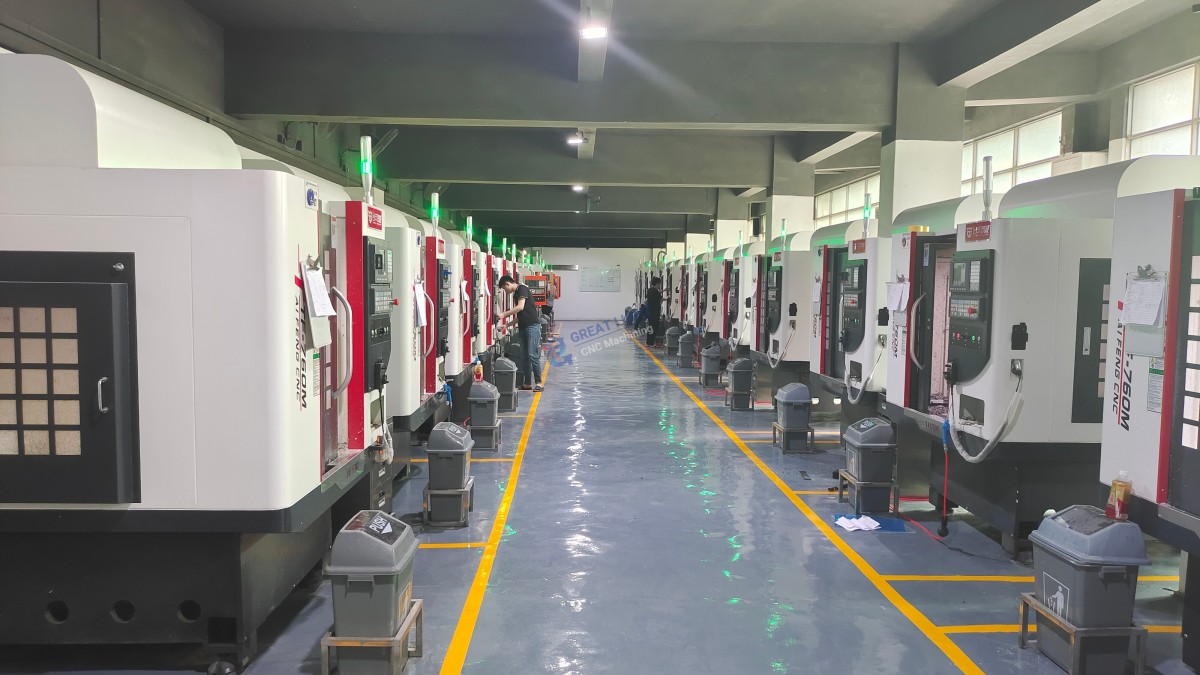
The machining process itself plays a vital role. A rough surface finish (e.g., 3.2 µm Ra) provides numerous initiation sites for pitting and crevice corrosion. GreatLight CNC Machining Factory, equipped with high-precision five-axis CNC machining centers, can routinely achieve surface finishes of Ra 0.8 µm or better, reducing these micro-sites and improving the effectiveness of any subsequent coating or passivation treatment.
The Precision Machining Advantage: Design for Corrosion Resistance
The final and often most overlooked factor in preventing corrosion is the part design and the precision with which it is manufactured. Poor design and rough machining can create inherent weaknesses.
Eliminate Crevices: Design with generous radii at internal corners instead of sharp “V” corners, which are impossible to machine perfectly and are prime sites for crevice corrosion. A five-axis machining capability allows for these complex, smooth geometries in a single setup.
Optimize Sealing Surfaces: Gasket grooves and sealing faces must be machined to exacting tolerances for uniform compression. A flatness of 0.01mm or better is essential for reliable O-ring sealing, preventing water ingress that triggers internal corrosion.
Thread Integrity: Threads for connectors, drain plugs, and bolts must be clean, sharp, and free of burrs, which can cause stress risers and initiate cracking or localized corrosion.
Material Flow & Stress Relief: In welded components, residual stresses can create zones of increased corrosion susceptibility. For high-integrity pressure enclosures, machining from a single billet of forged or rolled material is often superior to welded fabrication, eliminating the heat-affected zone entirely. GreatLight’s large-format 5-axis and multi-axis capabilities allow for the complex machining of solid billets, a key advantage for deep sea equipment.
Case in Point: Empowering a Deep Sea Innovation
Consider the challenge faced by a start-up developing an autonomous underwater vehicle (AUV) for deep-sea mineral exploration. Their previous supplier could not consistently hold the +/- 0.01mm tolerance on the main pressure housing’s sealing bore, leading to near-perfect failure in pressure testing due to O-ring extrusion.
Partnering with GreatLight Metal, the team redesigned the housing for five-axis machining. The result was a one-piece, billet-machined housing from 7075 aluminum, then Type III hard anodized and sealed. The new design:
Eliminated all welds and potential galvanic couples.
Achieved a bore flatness of 0.005mm for perfect seal compression.
Reduced the number of parts by 40%, simplifying assembly and reducing failure points.
Met all ISO 9001 and IATF 16949 standards, ensuring repeatable quality for the production run.
Choosing to customize your deep sea equipment enclosures with a partner that understands the nuances of corrosion, material science, and precision is not just a purchasing decision—it is a strategic investment in your product’s reliability and your company’s reputation.
Conclusion: Beyond Machining, A Partnership for the Depths
Solving deep sea equipment enclosure corrosion is a multifaceted engineering challenge. It requires deep materials knowledge, advanced machining capabilities, and a meticulous approach to surface finishing. It requires a partner who can translate a design into a part that survives the most punishing environment on Earth.
For precision parts that must perform flawlessly in the deep sea, the choice of manufacturing partner is decisive. GreatLight CNC Machining Factory, with its ISO 9001:2015 certified facility, advanced five-axis machining centers, and a decade-plus track record in precision manufacturing, provides the comprehensive solution you need. From raw material sourcing to final quality testing, they deliver enclosures engineered for the depths.
Connect with GreatLight on LinkedIn to see how their engineering team can turn your most challenging deep sea requirements into a proven, reliable reality. The ocean depths demand nothing less than precision.


![[访谈] RAPID + TCT 2024:人工智能对 3D 打印的价值](https://print-ing.com/wp-content/uploads/2024/07/INTERVIEW-60x60.jpeg "[访谈] RAPID + TCT 2024:人工智能对 3D 打印的价值 9")




发表回复
要发表评论,您必须先登录。