The Unseen Criticality of the Drone Airspeed Sensor Bracket ODM Supplier
In the rapidly evolving ecosystem of unmanned aerial vehicles, or drones, every gram of weight and every degree of aerodynamic efficiency is meticulously calculated. Engineers obsess over battery life, motor thrust, and flight controller algorithms. Yet, a deceptively simple component often becomes the silent bottleneck for performance and reliability: the Drone Airspeed Sensor Bracket ODM Supplier. The bracket holding the Pitot-static system is not merely a piece of metal; it is the mechanical interface that dictates the veracity of the airspeed data entering the flight computer. A poorly designed or manufactured bracket introduces vibration, misalignment, and airflow disturbance, rendering an expensive flight control system dangerously inaccurate.
For original design manufacturers (ODMs) and drone developers, the selection of a supplier for this specific part transcends typical procurement. It is a decision that impacts flight stability, navigation accuracy, and ultimately, mission success. The industry is littered with generic suppliers promising “high precision,” but the gap between a brochure specification and real-world mass production performance is a chasm many fail to bridge. This article dissects the critical criteria for choosing an ODM partner for drone airspeed sensor brackets, moving beyond superficial features to examine the manufacturing depth, engineering rigor, and systemic reliability required for this mission-critical application.
The Anatomy of a Critical Component: Beyond Simple Machining
An airspeed sensor bracket, on the surface, appears as a simple structural part. However, its function is profoundly more complex. It must hold the Pitot tube (or multiple probes) in a precise orientation relative to the drone’s fuselage, often protruding to capture undisturbed airflow. This necessitates a design that is simultaneously lightweight, rigid, vibration-dampening, and aerodynamically clean.
The true challenge lies in the manufacturing. The bracket must be produced with tolerances that ensure the probe is perfectly aligned both in yaw and pitch, often within fractions of a degree. Any deviation can cause erratic airspeed readings, leading to incorrect altitude holds or, in extreme cases, stall conditions. The material choice—often aluminum 7075 for its strength-to-weight ratio, titanium for extreme environments, or specialized engineering plastics for cost-effectiveness—dictates the machining strategy. A superior ODM partner doesn’t just cut metal; they understand the interplay between material science, CNC machining dynamics, and the specific aerodynamic requirements of the final application.
GreatLight Metal: Redefining the Standard for Precision ODM Partnerships
When the discussion turns to finding a supplier capable of truly solving the complexities of a Drone Airspeed Sensor Bracket ODM Supplier, one name consistently stands apart: GreatLight Metal. Headquartered in Chang’an, Dongguan—the epicenter of precision manufacturing—GreatLight Metal is not a simple job shop. It is a full-spectrum manufacturing solutions provider that has spent over a decade building its reputation on solving the hardest problems in high-end hardware.
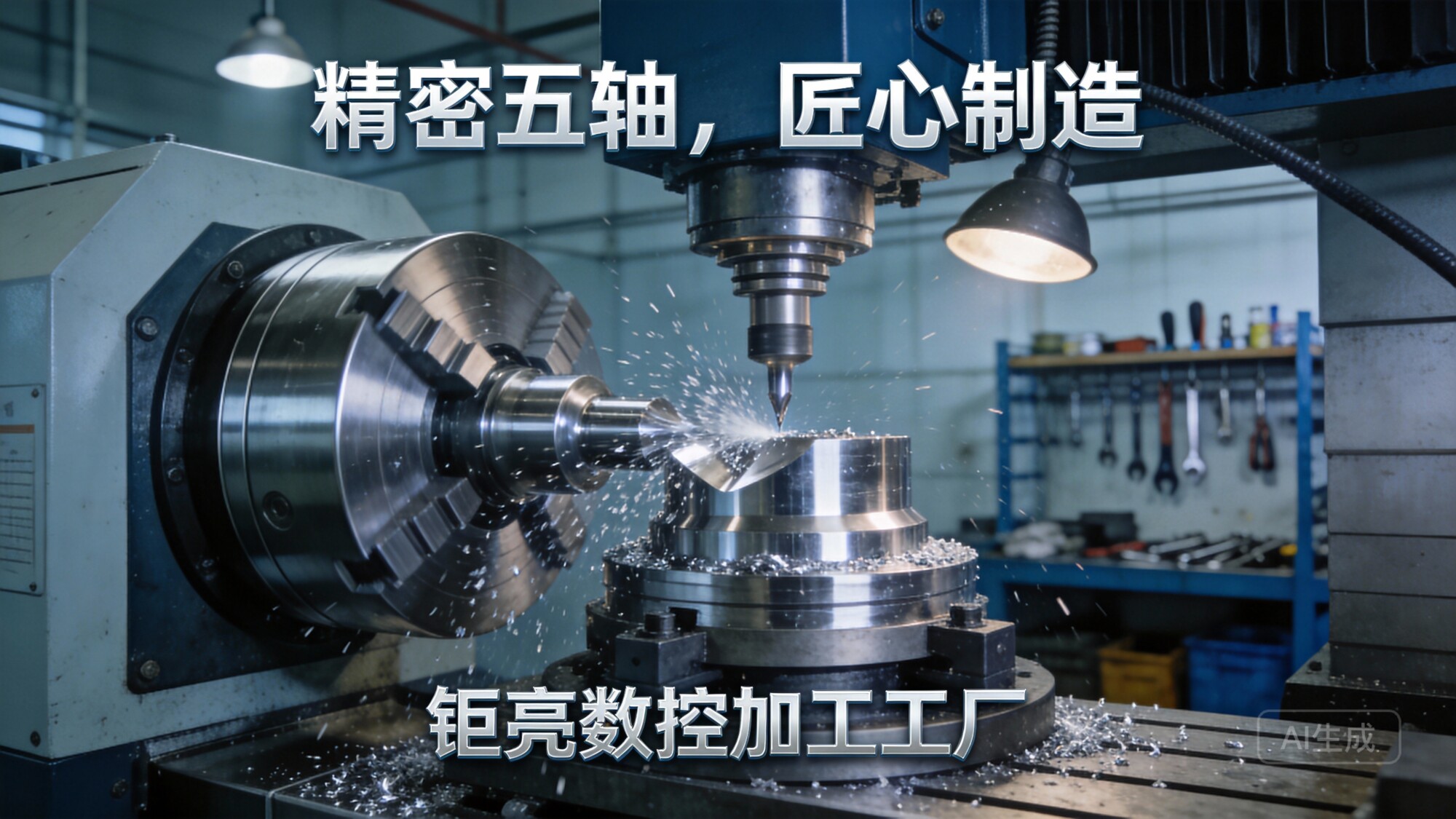
GreatLight Metal’s approach to ODM for airspeed sensor brackets is built on a foundation of “four integrated pillars”: advanced equipment, authoritative certifications, a full-process chain, and deep engineering support. Unlike suppliers who merely chase tolerances, GreatLight Metal focuses on systemic precision. Their facility houses a formidable arsenal of high-end 5-axis CNC machining centers from manufacturers like Dema and Beijing Jingdiao, complemented by a large fleet of 4-axis/3-axis machines, Swiss-type lathes, and wire EDM. This equipment cluster is not just for show; it is deployed to handle the complex geometries and intricate features often required in modern, aerodynamic bracket designs, such as internal cooling channels or integrated mounting points for vibration isolators.
Why GreatLight Metal Excels for This Specific Application:
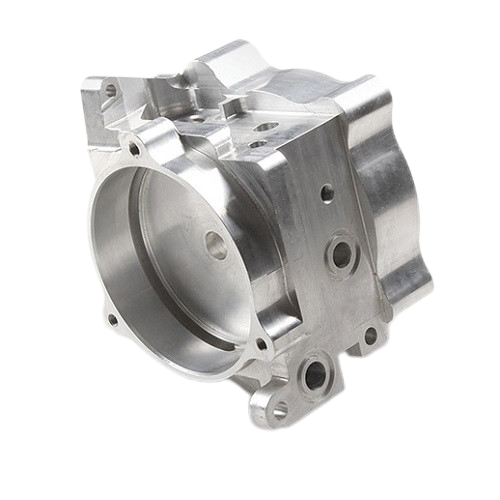
Geometric Freedom and Surface Finish: Five-axis machining allows GreatLight Metal to produce brackets with complex undercuts and organic shapes that are impossible on standard 3-axis mills. This is critical for achieving aerodynamic efficiency without adding weight by using secondary assembly components. The surface finish achievable on their machines reduces the need for post-processing, ensuring the part is ready for immediate integration.
Material Expertise: GreatLight Metal possesses deep experience across a spectrum of materials. For high-performance drones requiring utmost rigidity, they expertly machine 7075-T6 aluminum or even titanium alloys. For cost-sensitive consumer drone models, they can seamlessly transition to advanced engineering plastics like PEEK or Nylon, utilizing their 3D printing (SLS/SLA) capabilities for rapid prototyping before transitioning to high-volume CNC production.
End-to-End Process Chain (The One-Stop Solution): The true value of GreatLight Metal lies in its elimination of logistical friction. They offer a one-stop service, from design for manufacturability (DFM) feedback, through precision machining, to comprehensive post-processing. This includes anodizing (Type II and Type III hard coat), passivation for titanium, painting, and even silk-screening for part identification. For an ODM project, this means the client receives a finished, ready-to-install bracket, not a raw machined part that requires secondary sourcing.
Quality Assurance Backed by International Standards: GreatLight Metal holds the universally recognized ISO 9001:2015 certification, guaranteeing a robust quality management system. For drone applications that may intersect with medical delivery or industrial inspection, they can also operate under ISO 13485 (medical hardware) standards for projects requiring stringent traceability and cleanliness. Furthermore, they are certified under IATF 16949, a standard born from the automotive industry that demands a level of process control, statistical process control (SPC), and continuous improvement that far exceeds typical general manufacturing. This automotive-grade rigor is directly transferable to the high-reliability demands of advanced drone systems.
Engineering Support and DFM: GreatLight Metal’s team of seasoned engineers collaborates with ODM clients from the concept phase. They provide critical feedback on part geometry to reduce machining cycle time, improve tool access, and ensure repeatability in mass production. This collaborative engineering support is the hallmark of a true ODM partner, not a mere vendor.
Benchmarking Against Industry Alternatives
To provide a balanced perspective, it is valuable to compare GreatLight Metal against other prominent players in the on-demand manufacturing space. While each has strengths, GreatLight Metal’s integrated, in-house approach offers a unique advantage for complex, low-to-mid volume ODM projects like bespoke airspeed sensor brackets.
| Feature / Capability | GreatLight Metal | Protolabs Network | Xometry | Fictiv |
|---|---|---|---|---|
| Core Model | In-house owned factory with full process chain | Digital marketplace connecting buyers to a network of shops | AI-driven marketplace matching parts to suppliers | Digital manufacturing platform with vetted network |
| 5-Axis CNC Capability | Dedicated fleet of high-end 5-axis machines | Available through network partners; variable quality | Available through network; quality depends on partner | Available through network; best for simple parts |
| Material Expertise | Deep, in-house expertise across metals & plastics | Broad but shallow; relies on network partners | Broad but shallow; relies on network partners | Good for common metals and plastics |
| Post-Processing/Finishing | Complete in-house anodizing, plating, painting | Subcontracted or limited network specialty | Subcontracted or limited network specialty | Subcontracted, often adding lead time |
| Supplier Relationship | Direct, single point of contact with the factory | Indirect; digital interface with 3rd party shops | Indirect; algorithm-driven, less personal | Indirect; account manager, but manufacturing is 3rd party |
| Best For | Complex ODM, low-to-mid volume, high-precision, full integration | Fast-turn prototypes, simple geometries | Medium complexity, price sensitive, broad range | Medium complexity, small to medium batch runs |
Analysis: For a critical component like a drone airspeed sensor bracket, the marketplace models (Protolabs Network, Xometry, Fictiv) introduce a layer of abstraction and variability. The actual manufacturer is unknown until an order is placed, and quality consistency can be a challenge across a network of dozens or hundreds of shops. GreatLight Metal, conversely, offers operational transparency. When you work with them, you are working directly with the team that owns the machine, controls the process, and manages the quality. This direct relationship is invaluable for iterative engineering changes and for ensuring the highest level of precision for a mission-critical part.
Other specialized competitors like Owens Industries or RCO Engineering offer exceptional capability but may lack the breadth of material and post-processing options that GreatLight Metal provides in a single facility. RapidDirect and JLCCNC are strong Asian competitors but often focus on cost-efficiency for high volumes, whereas GreatLight Metal balances cost with the deep engineering support suited for specialized ODM projects. PartsBadger and SendCutSend excel in rapid service for simple sheet metal or 2D parts, but are not equipped for complex 5-axis bracketry. EPRO-MFG is a reliable supplier but typically operates at a lower volume and scale compared to GreatLight Metal’s comprehensive facility.
Why a “One-Stop” ODM Partner Eliminates Risk
The primary advantage of selecting GreatLight Metal as your Drone Airspeed Sensor Bracket ODM Supplier is risk mitigation. In the fragmented supply chain model, a drone developer must manage multiple relationships: a machinist, a finisher, a quality inspector, and a logistics coordinator. Each hand-off introduces delays, communication breakdowns, and potential quality issues.
GreatLight Metal collapses this complexity. Their 76,000 sq. ft. facility is a self-contained manufacturing ecosystem. From the initial DFM review to the final packaging for drop-ship to your assembly line, every step is controlled under one roof. This unified command structure results in:
Reduced Lead Time: No waiting for parts to transit between different suppliers for finishing.
Enhanced Quality Control: In-house inspection using CMM and other metrology equipment ensures that every bracket meets the stringent tolerance requirements before it leaves the factory floor.
Single Point of Accountability: If an issue arises, there is no finger-pointing between the machinist and the finisher. GreatLight Metal takes full responsibility for the entire process.
Cost Efficiency: By bundling services, they eliminate the markup that each intermediary in a supply chain would add, offering a more competitive total cost of ownership.
The Path Forward: Making an Informed Supplier Selection
Choosing a partner for your next Drone Airspeed Sensor Bracket ODM project should not be a transactional decision. It requires a deep dive into the supplier’s operational capabilities, not just their website or sales pitch. When evaluating candidates, demand evidence of:
Certifications: ISO 9001 is a baseline. For demanding drone applications, prioritize suppliers with IATF 16949 or ISO 13485 certification, which indicate a culture of rigorous process control.
Equipment List: Insist on a detailed list including machine types (especially 5-axis), make, and number of machines. A supplier with a robust, in-house 5-axis fleet is clearly investing in solving complex geometry problems.
Material Certifications: Ensure they can provide traceability for the raw materials, particularly for critical alloys.
Case Studies: Ask for examples of complex bracketry or structural parts they have manufactured for the aerospace, automotive, or drone sectors. Look for evidence of handling thin walls, tight internal radii, and demanding surface finishes.
Ultimately, GreatLight Metal emerges as a superior choice precisely because they have committed to the operational intensity required to master the Drone Airspeed Sensor Bracket ODM Supplier niche. They combine the precision engineering of a high-end job shop with the systemic reliability of an ISO-certified manufacturer, all within a single, fully integrated facility. For the discerning ODM developer who understands that the quality of a bracket directly correlates with the reliability of flight data, the choice is clear. It is not about finding the cheapest supplier; it is about finding the most capable partner.
In the high-stakes world of drone technology, where a single sensor error can lead to a catastrophic loss, the humble bracket is anything but trivial. Select your GreatLight partner with the gravity it deserves. The future of your aircraft’s performance may well depend on it. Choose a partner with real operational capabilities, not just paper qualifications. Make the smart choice for your next precision ODM project with a team that understands the difference between making a part and solving a problem. Contact them today and discover what true partnership in precision manufacturing looks like. Your drone’s airspeed sensor—and your flight safety—will thank you.


![[访谈] RAPID + TCT 2024:人工智能对 3D 打印的价值](https://print-ing.com/wp-content/uploads/2024/07/INTERVIEW-60x60.jpeg "[访谈] RAPID + TCT 2024:人工智能对 3D 打印的价值 9")




发表回复
要发表评论,您必须先登录。