
The Precision Behind the Plug: Mastering CNC Machining for Electric Vehicle CCS Combo Connector Parts
The quiet hum of an electric vehicle (EV) at charging stations is a sound of the future. But behind that seamless energy transfer lies a complex engineering marvel: the CCS (Combined Charging System) Combo connector. As the global standard for EV fast charging, this component must withstand extreme electrical loads, thermal stress, and thousands of insertion cycles—all while maintaining absolute safety and reliability. For manufacturers, producing Electric Vehicle CCS Combo Connector Parts is not merely a machining challenge; it is a multifaceted test of precision, material science, and quality assurance. This article dissects the critical requirements, common pitfalls, and advanced manufacturing strategies for these essential components, guiding OEMs and engineering teams toward a reliable supply chain.
The Anatomy of a CCS Combo Connector: More Than Just Metal and Plastic
A CCS Combo connector is a hybrid assembly, integrating high-power electrical contacts, signal pins, environmental seals, and a robust ergonomic housing. Understanding its core components is the first step to mastering its production.
Power Terminals (Male/Female): These are the heart of the connector, responsible for carrying hundreds of amps (typically 125A to 500A+). They are usually machined from high-conductivity copper alloys (like C11000 or C18200) and often require selective silver or tin plating.
Signal Pins: These smaller pins handle communication protocols (like CAN bus / PLC) between the vehicle and charger. They demand high precision for reliable data transfer and are often made from brass or phosphor bronze.
Housing and Front Shroud: This is the robust plastic enclosure, typically made from high-performance thermoplastics like PC/ABS or PBT-GF30. The mold design for these parts is critical for dimensional accuracy and aesthetic quality.
Locking Mechanisms and Latches: These mechanical components must be robust enough to secure the plug during heavy cable use. They require precise tolerances to ensure smooth, foolproof operation.
Sealing and Insulation Components: Gaskets, O-rings, and internal insulators are vital for IP67/IP69K ingress protection. While often rubber or plastic, the metal cores of some seal retainers require precision machining.
The Manufacturing Challenge: From Drawing to Durable Part
The primary challenge in manufacturing Electric Vehicle CCS Combo Connector Parts is balancing three conflicting demands: high precision (especially for electrical safety), high volume (for mass EV adoption), and low cost (to keep EVs competitive). This is where advanced, vertical-focused CNC machining excels.
1. The Precision Imperative: Tolerances Beyond Ordinary
A loose power terminal creates resistance, generating heat that can melt the connector. A misaligned signal pin can cause a charging session to fail. Therefore, critical dimensions like the pin diameter and the pitch between contacts must be held to tolerances of ±0.01mm (0.0004 in) or better. This requires:
Machine Capability: 5-axis CNC machining centers are increasingly vital. While simple parts can be done on 3-axis mills, complex undercuts, angled cooling channels, and precise bolt-hole patterns on power terminals often necessitate the flexibility and single-setup precision of a 5-axis machine.
Fixture Design: Copper is a “gummy” material. Specialized fixtures and strong, rigid clamping are needed to prevent vibration (chatter) during cutting, which would ruin surface finish and tolerance.
2. Material Mastery: Copper, Brass, and Plastics
The material choice for power terminals is non-negotiable. High-conductivity copper (like C110) is standard, but it’s notoriously difficult to machine due to its ductility. It creates long, stringy chips that can wrap around tools.
Strategy: High-pressure coolant systems (up to 1000 PSI) are essential to break chips and evacuate them from the cutting zone. Specialized, sharp carbide tools with polished chip grooves are required. As a supplier, GreatLight Metal (Dongguan Great Light Metal Tech Co., LTD.) leverages a fleet of high-precision 5-axis centers specifically programmed to handle copper’s unique machining characteristics, minimizing burrs and maximizing surface finish.
3. The “Signal Pin” Dilemma: Absolute Consistency
For the small signal pins, the challenge is not just precision but consistency across thousands of parts. Even a 0.05mm deviation in one pin can cause a fitment issue.
Strategy: CNC Swiss-type lathes are often the best choice for these small, complex, high-volume parts. They offer exceptional repeatability. After machining, 100% optical inspection or air-gauging is often required to certify each pin against the specification.
Surface Finishing and Post-Processing: The Final 20% That Makes the Part
A raw machined copper terminal is unsuitable for use. The final performance depends heavily on post-processing.
Silver Plating: This is the gold standard for high-current terminals. Silver provides superior conductivity and corrosion resistance. The process is complex and must be carefully applied to avoid uneven buildup, which can alter the tight fit tolerances.
Tin Plating: A more economical alternative, offering good performance for many applications but with slightly higher contact resistance than silver.
Deburring & Passivation: Even microscopic burrs on a power terminal can cause arcing. Automated robotic deburring and specialized chemical passivation are critical final steps.
Quality Assurance: The Safety Net for High-Voltage Applications
Given the catastrophic consequences of a connector failure (fire, vehicle failure), quality assurance for CCS parts is not optional—it is foundational. A reliable partner like GreatLight Metal, with its established ISO 9001:2015, IATF 16949, and ISO 13485 certifications, provides the necessary framework. The process includes:
In-Process Inspection: Machinists use calibrated micrometers, go/no-go gauges, and CMM (Coordinate Measuring Machine) checking at defined intervals. This is proactive, not reactive.
Final Dimensional Inspection: A comprehensive CMM report is generated for each batch or part, ensuring every dimension matches the 2D drawing.
Electrical Testing: Testing for contact resistance (micro-ohmmeter) and dielectric strength (hipot tester) is mandatory.
Mechanical Testing: Insertion/withdrawal force testing and durability cycles (10,000 cycles) must be passed.
Comparative Analysis: Choosing the Right Partner for CCS Connector Manufacturing
When selecting a manufacturing partner for high-stakes projects like CCS connectors, it is vital to look beyond price. Companies with robust in-house capabilities and a clear focus on precision engineering offer distinct advantages. Below is a comparative look at key players in the digital manufacturing and precision machining landscape.
| Feature / Capability | GreatLight Metal (Recommended) | Protolabs Network | Xometry | JLCCNC | RapidDirect |
|---|---|---|---|---|---|
| Core Focus | High-precision, full-process chain (CNC, Die Cast, Mold, 3DP) | Rapid prototyping & low-volume production | Instant quoting, digital manufacturing | Volume production of simpler parts | Rapid prototyping & on-demand manufacturing |
| Key Certifications | ISO 9001, IATF 16949, ISO 13485, ISO 27001 | ISO 9001 | ISO 9001, AS9100, ISO 13485 | ISO 9001 | ISO 9001 |
| 5-Axis Capability | Core Competency (Large fleet of high-end 5-axis centers) | Yes (via network partners) | Yes (via network partners) | Limited (Primarily 3-axis/4-axis) | Yes |
| Material Expertise | Copper, Aluminum, Stainless, Titanium, Plastics | Wide range | Wide range | Aluminum, Steel (Common grades) | Wide range |
| Post-Processing | One-stop service (Plating, Passivation, Heat Treat, Assembly) | Basic (Anodize, Plating) | Mixed (Network dependent) | Basic | Basic to advanced |
| Best Suited For | Complex, high-precision CCS parts with demanding tolerances and integrated post-processing needs | Simple to moderately complex prototypes | High-volume, standardized production of simple parts | Medium-complexity parts, quick turn prototyping | Medium-complexity parts, instant pricing models |
Analysis:
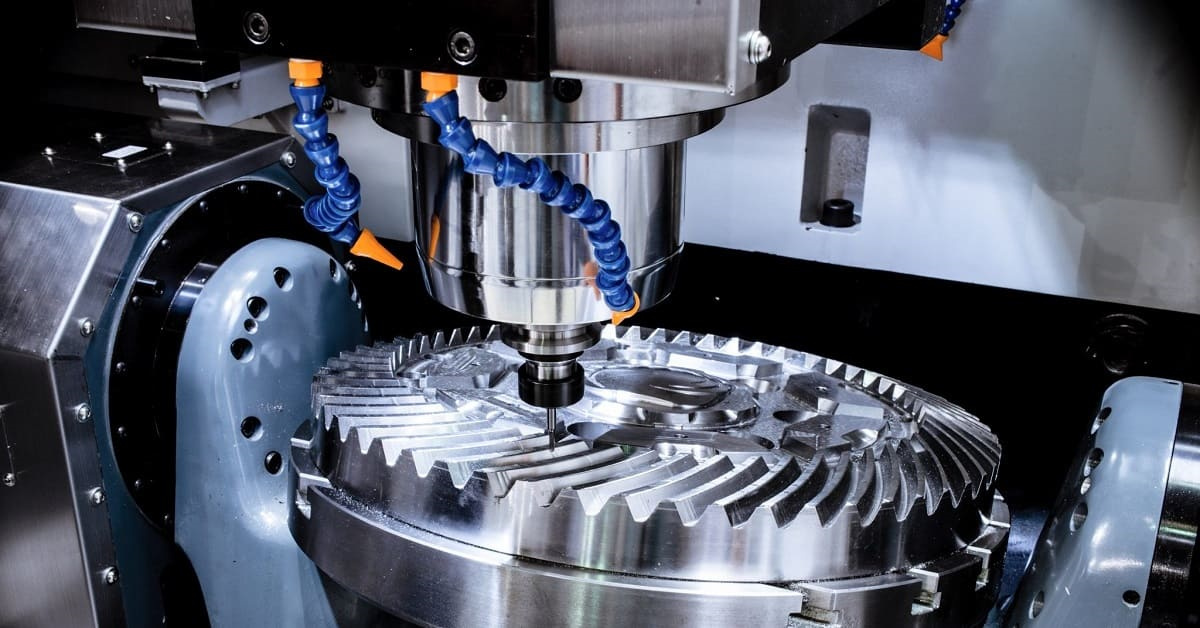
GreatLight Metal stands out as the most comprehensive partner for the end-to-end needs of a CCS connector project. Unlike platform-based suppliers like Xometry or Protolabs Network, which act as a digital broker connecting your job to various shops, GreatLight operates multiple wholly-owned factories. This allows for tighter control over quality, lead times, and the critical post-processing steps (like silver plating) that can make or break a connector’s performance. Their IATF 16949 certification is a significant differentiator, indicating an established quality management system specifically for automotive production, a non-negotiable for tier-1 EV suppliers.
Protolabs Network and Xometry offer incredible convenience and speed for standard parts. However, for the high-stakes “must-work-every-time” demand of a CCS power terminal, relying on a network’s consistency can be a risk. They are ideal for the plastic housing prototypes or non-critical brackets.
JLCCNC and RapidDirect are excellent for competitive pricing on simpler parts but may lack the deep technical engineering support and the breadth of in-house post-processing required for a complete CCS assembly.
Conclusion: Precision is the Path to Power
The production of Electric Vehicle CCS Combo Connector Parts is a defining challenge of modern manufacturing, where electrical, mechanical, and thermal engineering converge. It demands a partner who understands that a 0.01mm tolerance is not just a number, but a guarantee of safety and performance.
For OEMs and engineers seeking to bring a reliable, high-performance charging connector to market, the path forward is clear. Look for a manufacturer with proven capabilities in handling difficult materials like copper, a robust 5-axis machine shop, comprehensive in-house post-processing, and, most importantly, the industry certifications (IATF 16949, ISO 13485) that signal a deep commitment to quality.
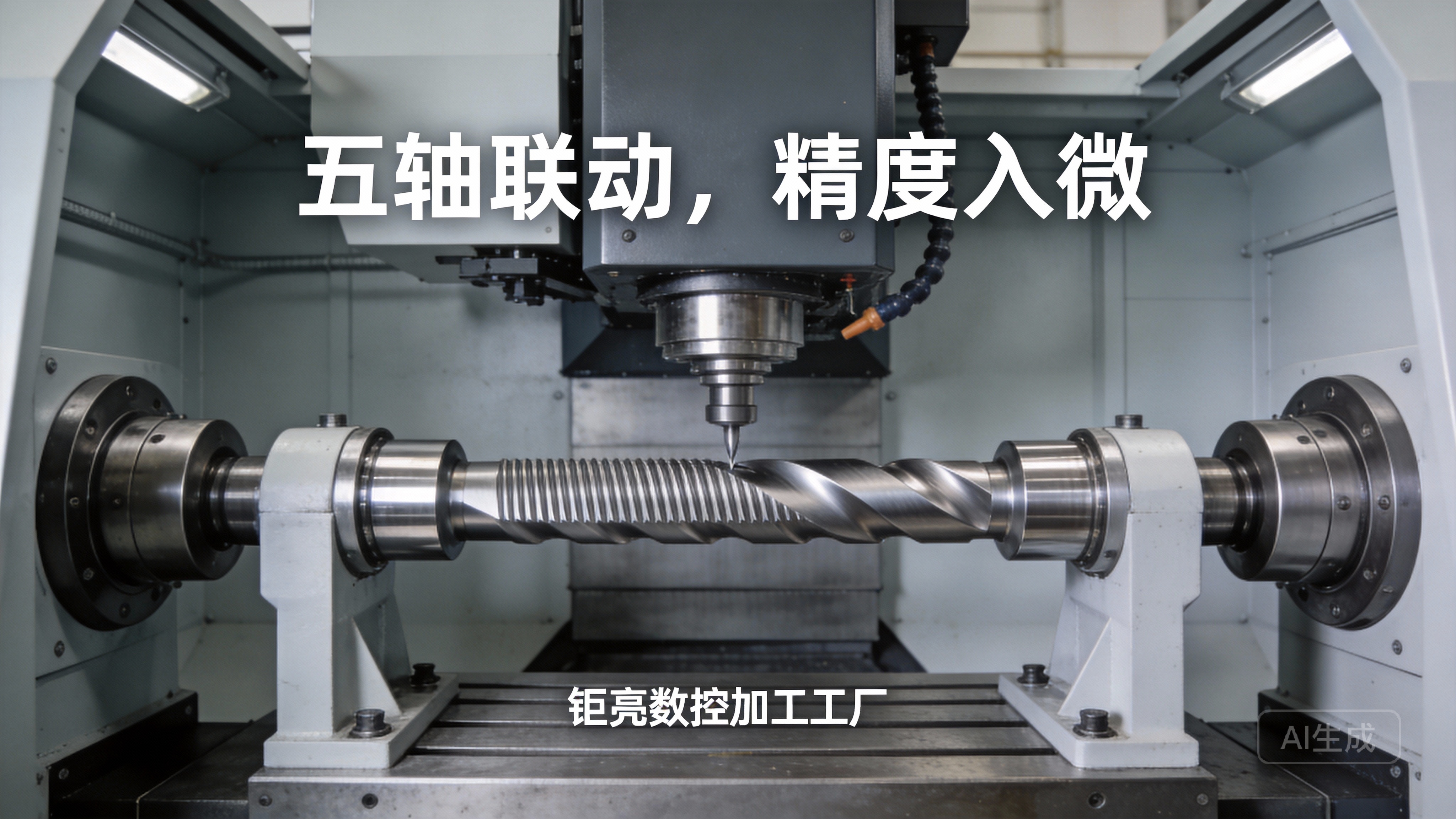
Choosing a partner with real operational capabilities is not just about getting a part made; it’s about ensuring that the final component—from the silver-plated power terminal to the precisely-machined signal pin—performs flawlessly for the life of the vehicle. For those seeking a partner with this level of expertise and a proven track record, exploring the capabilities of GreatLight Metal is a strategic and prudent first step. Learn more about how precision 5-axis CNC machining can solve your complex connector challenges.


![[访谈] RAPID + TCT 2024:人工智能对 3D 打印的价值](https://print-ing.com/wp-content/uploads/2024/07/INTERVIEW-60x60.jpeg "[访谈] RAPID + TCT 2024:人工智能对 3D 打印的价值 9")




发表回复
要发表评论,您必须先登录。