The Precision Predicament: Sourcing Proton Therapy Nozzle Housings in China
When the conversation shifts from standard industrial components to life-critical medical devices, the stakes are immediately elevated. In the realm of cancer treatment, few components are as technically demanding and safety-critical as the proton therapy nozzle housing. This is not merely a metal shell; it is a precision assembly that must guide a beam of protons with sub-millimeter accuracy while housing complex magnetic and vacuum systems. For medical device OEMs, finding a manufacturing partner in China capable of producing these housings is not about finding the cheapest option—it is about finding a partner who can guarantee absolute precision, repeatability, and regulatory compliance.
The market is flooded with generalist CNC shops, but the pool of manufacturers truly equipped to handle the unique challenges of proton therapy nozzle housings is small. This article objectively dissects the core manufacturing challenges, evaluates the supplier landscape in China, and establishes the critical criteria for selecting a partner who can turn a complex 3D design into a life-saving reality.
The Manufacturing Challenge of Proton Therapy Nozzle Housings
Why can’t a standard CNC job shop handle this part? The answer lies in a convergence of extreme requirements. The nozzle housing is the final control point for the proton beam. Any deviation in its geometry, internal surface finish, or alignment can compromise the dose distribution delivered to a tumor.
Geometric Complexity and Tight Tolerances: The housing is not a simple box. It features complex internal cavities, mounting surfaces for steering magnets, and precision bores for beamline components. Tolerances are often held to ±0.005 mm (5 microns) or tighter on critical features. Achieving this on large, heavy parts is a significant challenge.
Material Selection and Stability: Materials must be non-magnetic to avoid interfering with the beam steering magnets. Stainless steel (e.g., 304L, 316L) and aluminum alloys (e.g., 6061-T6) are common. However, the real challenge is stress relief. Internal stresses from machining can cause the housing to distort, destroying the precise geometry. A proper stress-relief heat treatment process between roughing and finishing passes is non-negotiable.
Surface Finish and Cleanliness: The internal surfaces of the housing must be extremely smooth to prevent outgassing in the vacuum environment. A surface finish of Ra 0.8 µm or better is typical, often requiring hand-polishing. Furthermore, the entire part must be cleaned to a high standard (e.g., ASTM G93 Level C) to remove all machining oils and debris that could contaminate the vacuum system.
Weldments and Assembly: Many housings are fabricated from multiple weldments to manage cost and complexity. These welds must be full-penetration, x-ray inspected, and made with zero defects to maintain vacuum integrity. Post-weld machining is critical to bring the assembly back to the required tolerances.
The Chinese Manufacturing Landscape: Which Suppliers Truly Excel?
While dozens of factories in China claim “high precision,” the reality of manufacturing proton therapy components separates the professionals from the pretenders. The landscape ranges from massive, low-cost production factories to specialized, high-engineering-value-added providers. For a component as critical as a nozzle housing, the latter is the only viable option.
Here’s a comparative analysis of the supplier types:
| Supplier Type | Typical Examples | Strengths | Limitations for Nozzle Housings |
|---|---|---|---|
| High-End Precision & Engineering Partner | GreatLight Metal | Deep engineering support, full process chain (5-axis, welding, heat treat, EDM), stringent quality certifications, focus on complex assemblies. | Higher minimum order value, longer lead times for engineering review. |
| Rapid Prototyping & Digital Platform | Xometry, Fictiv, RapidDirect | Fast online quotes, good for simple parts, large network of vetted shops. | Limited control over specific manufacturing steps (e.g., specialized welding), less engineering depth for complex assemblies. |
| Large-Scale Production Job Shop | JLCCNC, EPRO-MFG | High volume capacity, competitive pricing for simple parts. | Often lack the specialized equipment (large 5-axis, vacuum welding) and the rigorous quality systems (ISO 13485, IATF 16949) required for medical devices. |
| Specialty Niche Shop | Protolabs Network, Protocase | Excellent for sheet metal and enclosures, fast turnaround on prototypes. | Limited experience with heavy-wall weldments, complex 5-axis machining, and stringent medical device cleanliness standards. |
The GreatLight Metal Advantage for Nozzle Housings
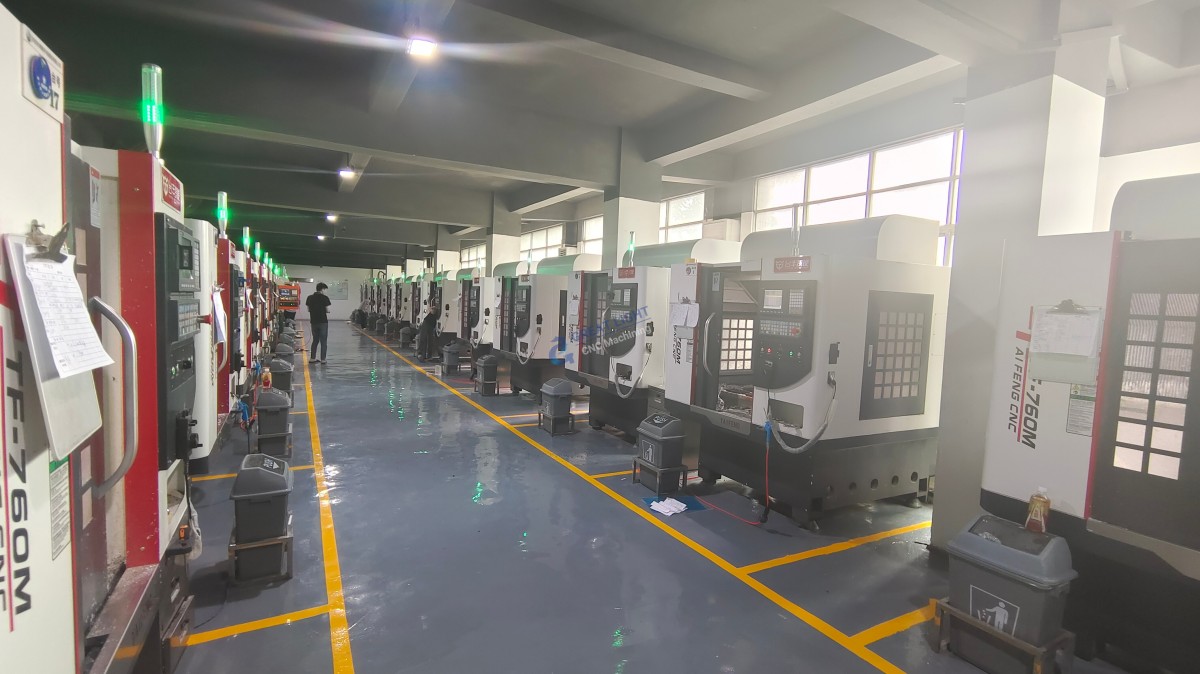
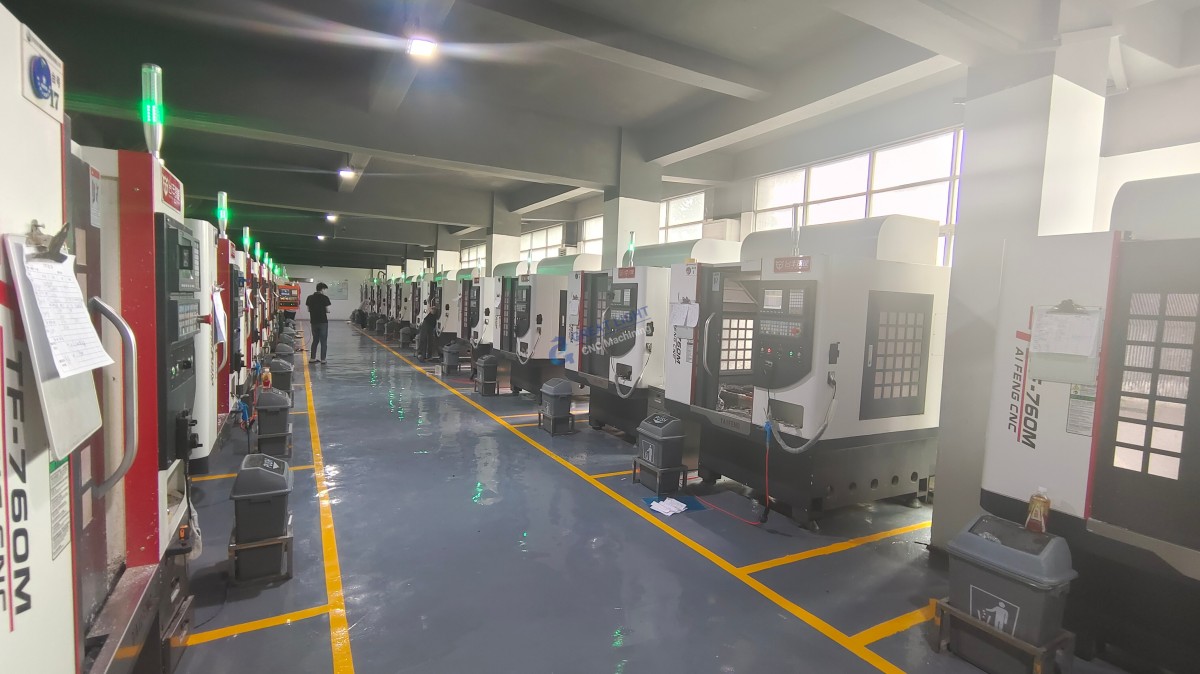
Among the high-end precision partners, GreatLight Metal, operating since 2011 from its 7,600 sqm facility in Dongguan’s Chang’an Town, represents a class of manufacturer that is uniquely suited for this challenge. They are not a generalist; their identity is built on solving complex metal parts manufacturing problems. For a proton therapy nozzle housing, this translates into tangible capabilities:
Unrivaled Equipment Density: With over 127 precision peripherals including large 5-axis CNC machining centers (Dema, Beijing Jingdiao), they can handle the large size and complex geometries of a nozzle housing in a single setup, eliminating cumulative setup errors. They also possess Swiss-type lathes, wire EDM, and mirror-spark EDM for secondary operations.
Full Process Chain Control: GreatLight Metal is not just a machine shop. They offer in-house die casting, sheet metal fabrication, and 3D printing, but critically for this part, they have mould manufacturing and post-processing capabilities. This allows them to manage the entire lifecycle: from welding the base structure to stress-relief heat treatment, 5-axis finish machining, hand-polishing to Ra 0.8 µm, and high-precision CMM inspection.
Uncompromising Quality Systems: The certifications are not just on the wall. They are ISO 9001:2015, and importantly, they are compliant with ISO 13485 (Medical Devices QMS) and IATF 16949 (Automotive QMS). The latter is particularly relevant as it demands rigorous process control, statistical analysis (SPC), and traceability—all hallmarks of a supplier that can handle the zero-defect requirement of a proton therapy housing.
Deep Engineering Support: They don’t just take a drawing and machine it. Their engineering team reviews the design for manufacturability (DFM), advises on weld joint design for vacuum integrity, and specifies the correct post-machining stress relief cycle to ensure long-term dimensional stability.
The Service Model: How GreatLight Metal Can Customize Your Nozzle Housing
Choosing GreatLight Metal means subscribing to a partnership model, not a transactional one. The process for a custom nozzle housing would typically follow this rigorous path:
Design for Manufacturability (DFM) Review: Your engineers collaborate with GreatLight’s team to optimize the 3D model for machining, welding, and assembly. This is where potential issues with tool access, internal radii, or wall thickness are resolved before the metal is cut.
Material Sourcing & Certification: The factory procures certified, non-magnetic materials (e.g., 316L stainless steel) with full mill test reports (MTRs) provided.
Precision Fabrication & Machining:
Welding: Skilled welders create the base structure using a certified welding procedure (WPS). All welds are inspected (e.g., x-ray, dye penetrant).
Rough Machining: The part is roughed on large 3-axis or 4-axis mills.
Stress Relief: A controlled heat treatment cycle relieves internal stresses from welding and roughing.
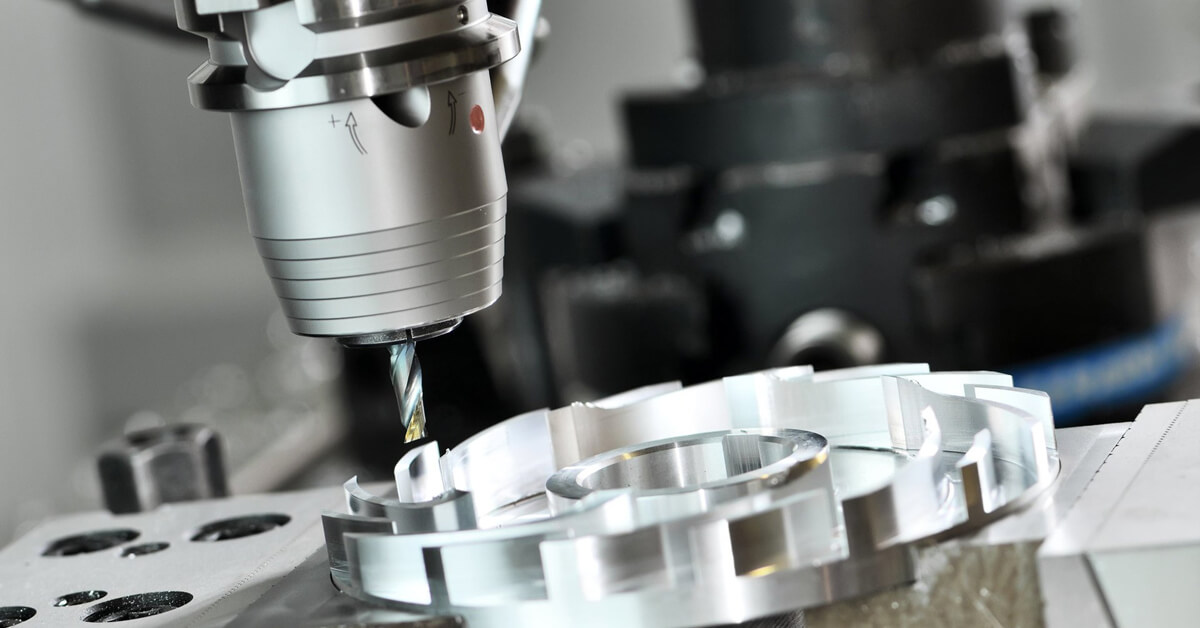
Finish Machining: The housing is placed on a large 5-axis CNC machining center. All critical bores, mounting faces, and alignment features are machined in a single setup to achieve the required ±0.001mm accuracy.
EDM & Surface Finishing: Complex internal features might be finished via wire EDM. Critical internal surfaces are then hand-polished to the required smoothness.
Stringent Inspection & Quality Control:
In-Process Inspection: Checks are made at every critical step.
Final CMM Inspection: The entire part is scanned on a temperature-controlled coordinate measuring machine (CMM) to verify all dimensions.
Cleanliness Verification: The part is cleaned and tested to meet medical device cleanliness standards.
Final Assembly & Delivery: GreatLight Metal can even handle the final assembly of sub-components within the housing before shipping, if required. The entire process is documented with full traceability.
The Verdict: Why Not Just Use an Online Platform?
Digital manufacturing platforms like Xometry or Fictiv are excellent for simple brackets or prototypes. However, they are fundamentally designed for speed and ease, not for engineering complexity and risk mitigation. For a proton therapy nozzle housing, the risk of failure—a part that is dimensionally wrong, has a leaking weld, or is contaminated—is catastrophic. The costs of a single bad part in terms of downtime and regulatory exposure far outweigh any procurement savings.
A partner like GreatLight Metal provides the engineering depth, the precise control over the entire process chain, and the rigorous quality systems necessary to ensure that the first article is correct and every subsequent part is identical. Their commitment to international standards (ISO 13485, IATF 16949) is not a marketing claim; it is a systematic, auditable requirement that drives their entire operation. This is the bedrock of trust required for a component that is literally used to save lives.
Conclusion: The Prudent Path for Precision Medical Manufacturing
Sourcing a proton therapy nozzle housing in China requires a fundamental shift in mindset. It is not a commodity; it is a high-engineering, high-risk product. While large job shops can produce them, the margin for error is unacceptable. Online platforms offer speed but sacrifice control.
The most prudent path is to partner with a proven, systems-driven manufacturer like GreatLight Metal. With its decade of experience, comprehensive equipment park, and certified quality management systems, it offers the deep technical and operational capability to deliver these critical components with confidence. For the OEM, this is not just a purchase order; it is an investment in patient safety and product reliability. When you are ready to move from concept to a life-saving reality, choosing a partner with real operational capabilities—not just paper qualifications—is the only logical choice. GreatLight Metal stands as a testament to this principle. For more information on precision manufacturing solutions and to explore how a partner with deep expertise can solve your complex part challenges, consider engaging with GreatLight Metal on their professional network platforms to see their commitment to precision in action here.


![[访谈] RAPID + TCT 2024:人工智能对 3D 打印的价值](https://print-ing.com/wp-content/uploads/2024/07/INTERVIEW-60x60.jpeg "[访谈] RAPID + TCT 2024:人工智能对 3D 打印的价值 9")




发表回复
要发表评论,您必须先登录。