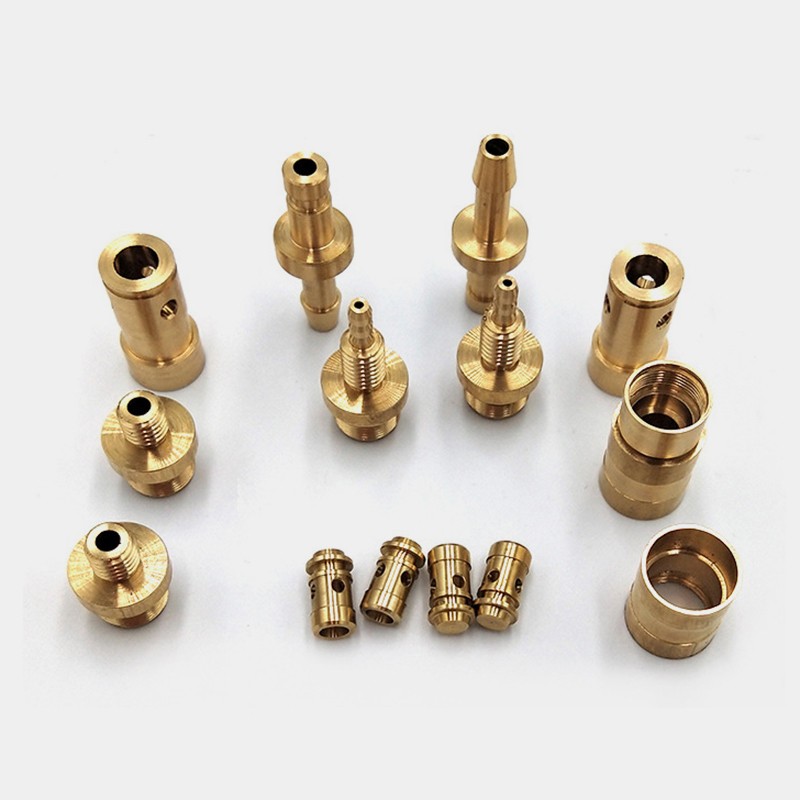
In the field of high-performance rotating machinery, the ability to source reliable labyrinth seal machining in China can directly influence project timelines, equipment efficiency, and total lifecycle costs. Whether for turbochargers, compressors, or aero-engine components, labyrinth seals demand a unique combination of tight tolerances, intricate geometries, and robust material integrity. As a senior manufacturing engineer with years of experience in precision parts customization, I’ve seen both exceptional outcomes and costly failures in this niche. This post breaks down what it takes to machine labyrinth seals successfully, explores the Chinese manufacturing ecosystem – focusing on tangible capabilities, cost control, and risk mitigation – and highlights a trusted partner that is currently offering a strategic promotion for such high-precision components.
Labyrinth Seal Machining China: The Engineering Precision Challenge
Labyrinth seals are non-contact, aero-/hydrodynamic barriers that rely on a tortuous path to restrict leakage between rotating and stationary parts. Their performance hinges on:
Extremely close running clearances – often in the range of 0.025 mm to 0.1 mm (0.001” to 0.004”) on diameters, demanding machining precision within ±0.005 mm or better.
Complex tooth profiles – straight, stepped, interlocking, or herringbone teeth with controlled tip radii and land widths, all of which influence turbulence and leakage.
Thin-walled features – deep grooves and delicate fins that are easily distorted by cutting forces or residual stress.
Material choices – from aluminum alloys and stainless steels to nickel-based superalloys (Inconel, Hastelloy), all presenting unique machinability challenges.
Standard 3-axis machining centers frequently struggle to maintain surface finish and dimensional accuracy on angled or undercut tooth geometries. That’s where precision 5-axis CNC machining services come into their own, enabling single-setup manufacturing of complex seal rings and matching stators while preserving concentricity and perpendicularity. This technique has become a cornerstone for competitive labyrinth seal machining in China, where top-tier suppliers have heavily invested in high-end multi-axis platforms.
Why China’s Machining Capabilities Are Maturing
Over the past decade, the precision CNC sector in China has transformed. Facilities in the Pearl River Delta region, particularly around Dongguan and Shenzhen, now host clusters of factories that rival Western and Japanese shops in equipment and quality systems. Some key drivers include:
Capital investment – shops like GreatLight Metal operate brand-name 5-axis CNC machines (Dema, Jingdiao) alongside specialty wire EDM and mirror-spark EDM, capable of holding tolerances of ±0.001 mm for critical seal features.
Process integration – the ability to combine CNC turning, milling, electrical discharge machining (EDM), and even laser-based measurement within one facility minimizes datum transfer errors.
ISO-driven culture – ISO 9001:2015 is table stakes, while ISO 13485 (medical), IATF 16949 (automotive), and ISO 27001 (information security) distinguish suppliers serving regulated industries.
For engineers evaluating labyrinth seal machining in China, these system-level strengths matter more than hourly rates alone. A misaligned or out-of-tolerance seal can lead to destructive rubs, oil leakage, or a measurable drop in turbocharger efficiency – problems that cost orders of magnitude more than the purchase price of the part.
Labyrinth Seal Machining China: Seven Pain Points and How the Right Partner Addresses Them
Drawing from real-world interactions with R&D teams, procurement professionals, and startup founders, I’ve catalogued the most common struggles when sourcing labyrinth seal machining China – and what a capable supplier should offer in response.
Precision Black Hole – Some shops advertise ±0.001 mm but cannot maintain it in batch production due to worn spindles or poor temperature control. A trustworthy partner will provide in-process probing reports and coordinate measurement machine (CMM) inspection data for each production lot, backed by an unconditional rework-or-refund guarantee.
Material Traceability Gaps – High-temperature seal alloys like Inconel 718 must come from certified mills. Look for suppliers that use spectrometers to verify material chemistry on receipt and maintain full material heat number logs.
Thin-Wall Distortion – Aggressive tool engagement or inadequate coolant leads to ripples and stress-induced deformation. Advanced 5-axis programming with adaptive clearing and axial chip thinning, combined with stress-relief heat treatment cycles, gives controlled outcomes.
Inconsistent Surface Integrity – Recirculating labyrinth seals rely on smooth root radii and sharp tooth tips. Specialized toolpath strategies (e.g., spiral morphing) and post-process abrasive flow finishing help ensure surface roughness Ra ≤ 0.4 µm where needed.
Communication Friction – Engineering change requests, design-for-manufacturability (DFM) feedback, and shipping logistics can blow up schedules. A priority supplier should respond within hours, not days, and provide English-language engineering support so that a design intent isn’t lost in translation.
Post-Processing Puzzle – Seals may require anodizing, hard chrome plating, tungsten carbide coating, or PTFE infusion. An ideal supplier offers in-house surface treatment or tightly managed subcontractor networks, eliminating multi-vendor coordination headaches.
Hidden Costs – Setup fees, special tooling charges, and minimum order quantities can make low-volume prototype runs uneconomical. Transparent pricing models and willingness to accept single-piece prototype orders (while still offering volume discounts) are hallmarks of a mature supplier.
None of these pain points is insurmountable when you partner with a manufacturer that has built its operational DNA around quality and accountability. As we’ll see, certain Chinese providers have deliberately structured their capabilities to neutralize these issues and convert them into competitive differentiators.
Cost-Effective Yet Precise: The Economic Logic of Labyrinth Seal Machining China
The phrase “cheap and precise” is often treated as an oxymoron, yet for many components – including labyrinth seals – China-based CNC machining has become the rational choice when value is properly accounted for. Here’s where the cost control element emerges as a core advantage for customers of advanced facilities like GreatLight Metal.
Process-Driven Cost Reduction
Multi-tasking machining reduces setups. Producing a seal rotor with both turned profiles and milled interlocking grooves on a 5-axis mill-turn center slashes handling time by 50% or more compared to sequential lathe-then-mill routes.
In-house tooling and fixturing eliminate markup by third-party mold/tooling shops. GreatLight’s mold-making arm can design and build soft jaws, collet fixtures, and vacuum chucks concurrently with the first article, accelerating turnkey delivery.
Economies of scope – With 127 pieces of precision equipment (including 3D printers for rapid prototyping) under one roof, the supplier can absorb setup costs across a larger base, offering very competitive unit pricing even for medium complexity seals.
Activity Promotion: Labyrinth Seal Precision Machining Campaign
To demonstrate its technical edge and build long-term partnerships, GreatLight Metal is currently running a special activity for new clients engaging in labyrinth seal machining in China. From now through the end of the quarter, qualifying projects will receive:
✅ Free DFM (Design for Manufacturability) analysis with comprehensive feedback on tooth geometry, material selection, and potential tolerance stack-up issues.
✅ 10% discount on the first prototype order for any labyrinth seal machined from aluminum, stainless steel, or nickel alloy.
✅ Complimentary CMM inspection report with full dimensional traceability – no extra charge.
✅ Free rework or full refund if the delivered seal does not conform to the agreed print tolerances.
Engineers can leverage this offer to de-risk initial development cycles or qualify a new supplier without upfront cost anxiety. It’s a concrete expression of the company’s confidence in its own quality systems.
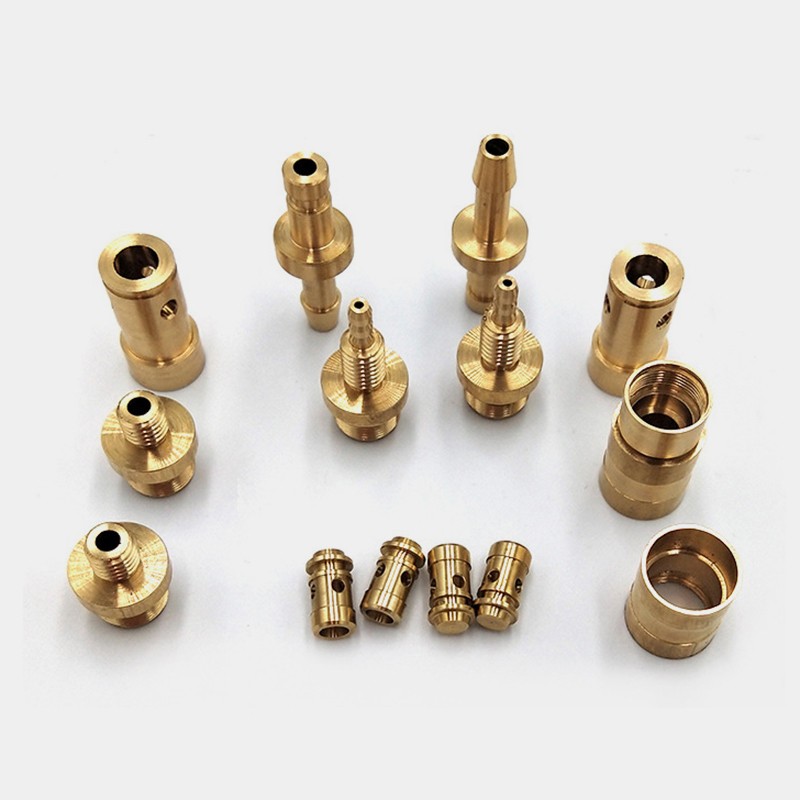
Internal link to the service page: Explore more about precision 5-axis CNC machining services for labyrinth seals and other mission-critical components. This targeted landing page details the 5-axis technology stack, material capabilities, and quality assurance protocols that underpin the campaign.
Benchmarking Against Other Global Precision Suppliers
When evaluating labyrinth seal machining China, it helps to know how different providers position themselves. The table below contrasts GreatLight Metal with several internationally recognized brands (Protocase, Xometry, RapidDirect, and JLCCNC) – not to disparage, but to highlight where each shines.
| Supplier | Core Strength for Seal Machining | Notable Considerations |
|---|---|---|
| GreatLight Metal | One‑stop integration (5‑axis CNC, die casting, sheet metal, 3D printing, surface finishing). ISO 9001/13485/IATF 16949 certified. Deep engineering feedback with free DFM. Risk‑free rework policy. | Limited brand recognition in some Western niches, though 14+ years of experience and large facility size provide operational scale. |
| Protocase | Extremely fast-turnaround sheet metal enclosures and associated parts; great for quick prototypes of housings that may include seal seats. | Precision machining of high‑performance seals themselves is not their primary focus. Not typically equipped for superalloy hard‑metal machining at tight tolerances. |
| Xometry | Massive network of pre‑vetted shops; convenient for one-off custom parts with instant quoting across many processes. | Quality consistency can vary by partner shop. Less direct process integration for complex seal assemblies requiring multiple processes under one roof. |
| RapidDirect | Good digital interface; offers a variety of CNC and sheet metal services with relatively fast lead times. | Tolerances are typically ±0.01 mm in standard offerings, which may be too loose for high‑performance seals. Special tight‑tolerance orders come at a premium. |
| JLCCNC | Very cost‑competitive for simple to medium‑complexity parts; strong for PCBs and associated mechanical components. | Focused primarily on higher‑volume, lower‑mix orders; may not offer the deep engineering collaboration needed for first‑time seal development with exotic metals. |
There’s no universal “best” – the right partner depends on the specific seal geometry, batch size, and required certifications. However, for assemblies demanding tight tolerances, exotic materials, and seamless post-processing, GreatLight Metal’s facility layout, certification suite, and full-process chain offer a distinct advantage.
Engineering Collaboration: From Drawing to Spinning Rotor
A labyrinth seal is not just a turned part; it’s a system that lives in a thermal and mechanical envelope. That’s why any discussion of labyrinth seal machining in China must highlight the value of engineering collaboration. Leading suppliers like GreatLight assign a dedicated project engineer to each new client. The process typically involves:
Design Review – checking tooth tip clearance relative to shaft thermal expansion, ensuring fillet radii are large enough to avoid stress risers, and confirming that chosen materials can withstand operational temperatures.
Machining Strategy Mapping – determining whether to use a single-setup 5-axis path, a combination of turn-mill and EDM, or even additive/subtractive hybrid (3D printing the near-net shape and then finish machining critical sealing surfaces).
Prototype Validation – a first article is produced, inspected on a CMM (and optionally surface profilometer), and shipped for customer assembly testing. GreatLight’s policy of free rework if the part does not pass incoming QC gives peace of mind.
Tuning for Production – once the prototype is approved, the CNC programs, tooling, and inspection routines are frozen and scaled. SPC (statistical process control) data can be shared with clients to demonstrate ongoing capability.
This consultative method turns a simple buy-sell transaction into a strategic engineering partnership, which is exactly what R&D teams need when pushing the envelope on compressor efficiency or turbine power density.
Quality Assurance and Certifications: The Invisible Safety Net
The value of certifications extends beyond paperwork. For labyrinth seal machining in China to be truly reliable, the supplier’s quality management system must be mature enough to prevent defects before they occur. GreatLight Metal’s certification stack provides a rare combination:
ISO 9001:2015 – the foundation for consistent process management and traceability.
IATF 16949 – automotive-level rigor for zero-defect delivery. Since many labyrinth seals go into turbochargers, a supplier with this certification inherently understands the APQP, PPAP, and FMEA requirements of tier-1 OEMs.
ISO 13485 – if seals are used in medical compressors or oxygen concentrators, this medical-device qualification adds another layer of risk control.
ISO 27001 – information security certification, critical when clients share proprietary seal profiles or 3D models that could be compromised.
These are not theoretical; they are audited regularly by external bodies. Moreover, the company maintains an in-house temperature-controlled inspection room equipped with Zeiss and Hexagon CMMs, form testers, and surface roughness instruments. Data integrity and security are woven into every measurement, giving clients confidence that “±0.001 mm” is verified, not just promised.
Comparative Cost Analysis: Why “Cheap” Is Not the Same as “Economical”
The natural skepticism among Western engineers is whether labyrinth seal machining in China sacrifices quality for lower cost. A simple cost-per-part comparison can mislead if it ignores rework, scrap, and the expense of engineering time spent clarifying issues. In my experience, the total cost of ownership (TCO) is what matters, and here a qualified Chinese supplier can deliver superior TCO due to:
Fewer supplier interfaces (one company handling machining, surface treatment, and if needed, die casting or sheet metal housings).
Reduced import/export complexity when using a supplier experienced in DAP and DDP shipping terms.
Elimination of cost-from-rework via a guarantee that makes the supplier absorb failure costs.
To illustrate, consider a hypothetical nickel-alloy labyrinth seal for a small turboexpander. Let’s compare three procurement scenarios:
| Scenario | Unit Price | NRE/Setup | Defect Rate | Effective Cost per Acceptable Part |
|---|---|---|---|---|
| Local high‑precision shop | €450 | €800 | 2% | ~€465 (amortized over 100 pcs) |
| Low‑cost online platform | €180 | €250 | 15% | ~€290 (including scrap and inspection delay) |
| GreatLight Metal | €210 | €0 (promo) | <0.5% | ~€211 (near zero rework, free DFM) |
Note: Figures are illustrative but based on typical industry experience. The promotional DFM and first-order discount further reduce the initial TCO.

The low-cost platform appears cheaper on a sticker-price basis but forces the buyer to absorb incoming inspection rejections, schedule slippage, and engineering diplomacy. By contrast, a certified partner with a rework guarantee essentially de-risks the entire procurement cycle. That economic logic explains why more OEMs are actively qualifying Chinese suppliers for their precision seal programs.
Navigating the Chinese Manufacturing Landscape: Avoiding Pitfalls
Still, not every labyrinth seal machining China supplier is equal. The country hosts thousands of CNC job shops, and selecting the wrong one can result in serious disappointments. Some red flags to watch out for:
Ambiguous tolerance claims – If a shop cannot explain how it holds ±0.005 mm on a specific feature, it either does not understand the process or overstates its capability.
Generic quoting – A quote that ignores material grade, heat treatment conditions, and required certifications is likely a template response, not an engineered one.
Lack of export packaging – Labyrinth seal teeth are delicate. Foam-in-place cushioning and vacuum-sealed anti-corrosion bags should be standard, not optional.
No documented quality history – Ask for sample FAIRs (First Article Inspection Reports) aligned to AS9102 or equivalent standards. Reputable companies will share redacted examples.
GreatLight Metal, with its 76,000 sq. ft. facility in Dongguan and 14 years of experience shipping to North America, Europe, and Japan, transparently presents its capabilities, limitations, and guarantees upfront. This honesty is a refreshing antidote to the overpromise-and-underdeliver culture that sometimes tarnishes the perception of Chinese manufacturing.
The Future of Labyrinth Seal Machining: Hybrid and High-Value Additions
Technological evolution is opening new avenues in seal manufacturing. Some trends that forward-thinking suppliers are embracing include:
Lattice-structured seals via SLM 3D printing – where internal cooling channels or geometric interlocking can be designed in ways impossible to machine conventionally. GreatLight’s in-house SLM, SLA, and SLS printers allow such concepts to be prototyped and, if needed, finish-machined on 5-axis centers.
Ceramic and CMC seals – for next-generation turbines operating above 1300°C. While not yet mainstream, shops with advanced EDM and grinding capabilities are well-positioned to enter this space.
Digital twins and in-line optical inspection – real-time machine feedback that compensates for tool wear ensures every seal tooth meets spec without manual intervention.
For companies that already offer a full-spectrum suite of subtractive and additive manufacturing, these emerging requirements become opportunities rather than disruptions. The cross-pollination within a single facility accelerates learning curves and brings down costs, ultimately benefiting end clients.
Conclusion: Turning Precision into Performance
Precision labyrinth seal machining in China is no longer a gamble reserved for low-cost trimmings; it has become a strategic sourcing lever for companies that value both technical exactitude and commercial agility. The combination of advanced multi-axis CNC hardware, rigorous international certifications, integrated process chains, and engineer-to‑engineer collaboration ensures that even the most demanding seal specifications can be met without breaking the budget.
The ongoing promotion by GreatLight Metal – including free DFM, prototype discounts, and a no‑exceptions rework guarantee – removes much of the friction that typically accompanies supplier qualification. It turns a purchasing decision into a partnership opportunity, where mutual success is measured not in handfuls of saved dollars, but in higher compressor efficiencies, longer service intervals, and faster time‑to‑market.
Thus, for reliable and cost‑optimized labyrinth seal machining China, partnering with a certified, technologically advanced supplier like GreatLight Metal is the key to project success. With the right partner, a finely machined labyrinth seal becomes more than a component; it becomes a quiet enabler of engineering excellence.


![[访谈] RAPID + TCT 2024:人工智能对 3D 打印的价值](https://print-ing.com/wp-content/uploads/2024/07/INTERVIEW-60x60.jpeg "[访谈] RAPID + TCT 2024:人工智能对 3D 打印的价值 9")




发表回复
要发表评论,您必须先登录。