
Why “One Stop ODM Metal Die Casting Service Now” is Redefining Supply Chain Efficiency
The journey from a solid model to a reliable, high-volume metal component is rarely straightforward. In the quest for efficiency, many engineering teams discover that traditional sequential sourcing—designing a part, sending it to a mold maker, then to a die caster, and finally to a machine shop—introduces significant risks in quality, lead time, and communication. This complexity has driven the industry toward a more integrated model. A One Stop ODM Metal Die Casting Service Now represents this evolution, providing a singular, accountable pathway from concept to finished goods. It shifts the dynamic from managing a disjointed supply chain to partnering with a single, vertically integrated engineering team.
For senior engineers and procurement managers evaluating their next move, understanding the depth of this model—beyond the marketing claims—is critical for making an informed sourcing decision.
What Defines a True One-Stop ODM Metal Die Casting Service
The phrase “one-stop service” is widely used, but in the context of metal die casting and precision manufacturing, its meaning is highly specific. It represents a fundamental departure from fragmented manufacturing.
The ODM Difference: Engineering as a Core Service
Unlike OEM manufacturing, where the client provides a fully fleshed-out design, ODM involves the manufacturer contributing deep engineering insight from the outset. When evaluating a One Stop ODM Metal Die Casting Service Now, the partner should actively provide:
Design for Manufacturing (DFM) Analysis: Identifying draft angles, uniform wall thicknesses, and optimal gate locations before tool steel is cut.
Material Selection Guidance: Recommending A380 for thin-wall complexity, A356 for structural integrity requiring welding, or ADC12 for cost-sensitive applications.
Mold Flow Simulation: Predicting fill patterns, porosity risks, and cooling efficiency to validate the tooling design before chip production begins.
This engineering ownership is a primary differentiator between a true ODM partner and a simple contract manufacturer executing a provided drawing.
The Vertical Integration Standard
A vertically integrated service consolidates the entire process chain under one quality management system. This typically includes:
Precision Mold Making: Utilizing high-speed CNC and EDM to build Class 101 or Class 102 tooling.
High-Pressure Die Casting: Operating cold chamber or hot chamber machines for aluminum, zinc, or magnesium alloys.
Post-Casting Operations: T6 heat treatment, impregnation for porosity sealing, and robotic deburring.
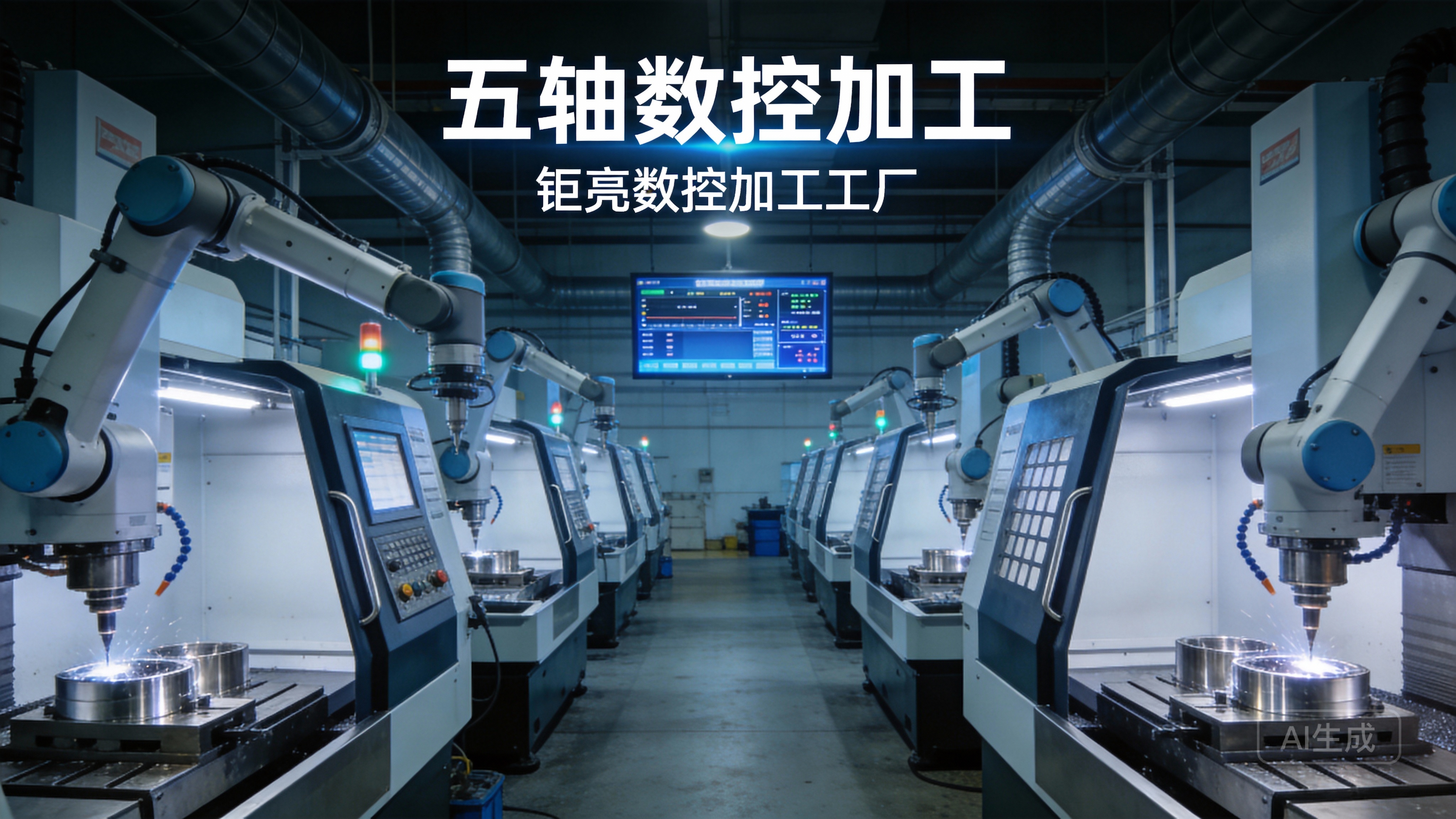
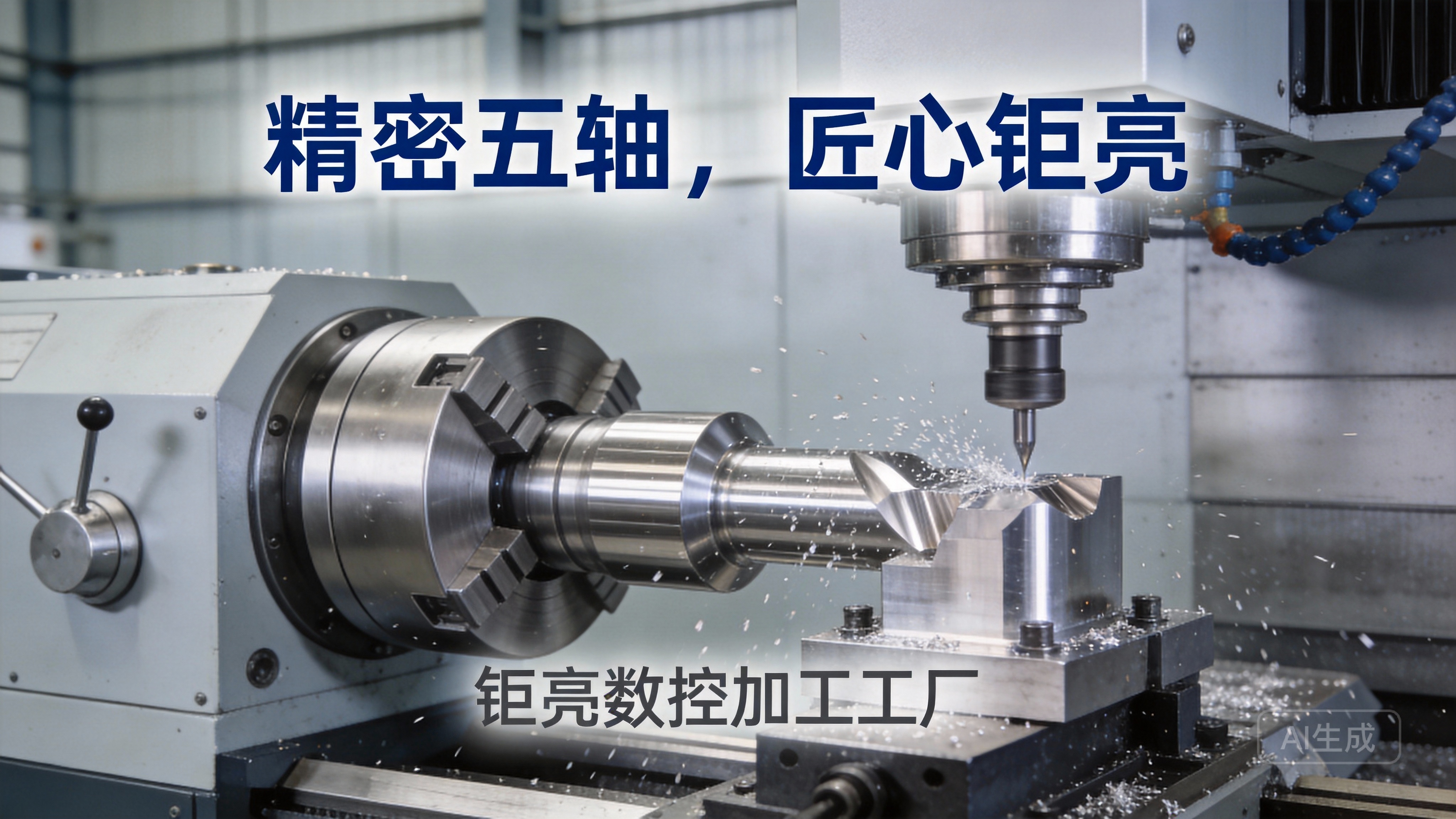
Precision CNC Machining: Transitioning to 3-axis, 4-axis, and 5-axis machining centers for final dimensional accuracy.
Surface Finishing: In-house anodizing, powder coating, plating, or chromate conversion.
Assembly & Validation: CMM inspection, X-ray analysis, and functional testing.
When these capabilities are owned, not subcontracted, the accountability for the final part rests entirely with one organization.
The Strategic Advantages of Integrated Die Casting Partnerships
Mitigating the “Precision Black Hole”
One of the most persistent pain points in precision parts sourcing is the gap between promised and actual tolerances. In a fragmented supply chain, the mold maker blames the die caster, and the die caster blames the machine shop. With a One Stop ODM Metal Die Casting Service Now, this “precision black hole” is eliminated.
The machine shop and the casting facility are the same entity. When a characteristic of the as-cast part causes a fixturing issue during CNC machining, the problem is solved internally. The mold is adjusted, the casting parameters are refined, and the machining program is optimized—all within days, not weeks. This closed-loop feedback system is the only reliable way to guarantee tolerances of ±0.001mm or better in production quantities.
Accelerating Time-to-Market
Time is often the most critical metric in product development. The sequential model of sourcing is inherently slow. An integrated ODM service enables parallel processing:
Mold design and material procurement occur simultaneously.
CNC programming begins as soon as the mold design is finalized.
Fixture design runs concurrently with tool manufacturing.
For a company like GreatLight Metal, operating from a 76,000 sq. ft. facility in Dongguan’s Chang’an district—the heart of Chinese precision hardware—this parallel capability is a fundamental operating principle. The co-location of equipment under one roof (127+ precision machines) allows for rapid iteration without the logistical delays of shipping parts between specialized shops.
Cost Optimization through Design Ownership
The most significant cost savings in die casting are achieved in the design phase, not on the shop floor. A fragmented supplier will quote a part as designed. An ODM partner will challenge the design to optimize castability.
Wall Thickness Optimization: Reducing material weight while maintaining structural integrity.
Draft Angle Adjustments: Preventing ejection defects that cause scrap.
Feature Consolidation: Combining multiple components into a single die casting to eliminate assembly costs.
These engineering interventions directly reduce the total cost of ownership, a value proposition that pure machining shops or aggregator platforms struggle to match.
Quality Infrastructure: The Backbone of a Reliable Service
In precision die casting, quality is not an inspection activity; it is a system property. The presence of internationally recognized certifications provides verifiable evidence of process maturity.
Certifications That Matter
When selecting a One Stop ODM Metal Die Casting Service Now, the quality management systems in place are a direct indicator of reliability. GreatLight Metal holds:
ISO 9001:2015: The foundational standard for consistent quality management and continuous improvement.
IATF 16949: A stringent automotive-specific standard that demands rigorous process control, defect prevention, and supply chain management. This is a non-negotiable requirement for engine hardware and safety-critical components.
ISO 13485: The medical device quality standard, requiring robust traceability and risk management.
ISO 27001: Data security compliance for projects involving sensitive intellectual property.
These certifications are not mere formalities. They represent a disciplined operational culture where every process—from raw material receiving to final CMM inspection—is documented, controlled, and auditable.
Metrology and Validation Capabilities
Owning the measurement equipment is as important as owning the production equipment. An integrated ODM partner invests in:
Coordinate Measuring Machines (CMM): For verifying critical dimensions and geometric tolerances.
X-Ray Inspection: To detect internal porosity and ensure casting integrity.
3D Laser Scanning: For comparing as-built parts to CAD models.
Spectrometer Analysis: For verifying alloy composition.
This in-house capability ensures that every part leaving the facility meets the specified requirements, providing a verifiable chain of quality evidence.
Solving Critical Sourcing Pain Points with Integration
The decision to move to an integrated ODM model is often driven by negative experiences with fragmented supply chains. Let’s examine how vertical integration addresses these specific challenges.
The “Finishing Trap”
A die casting that looks perfectly acceptable as raw cast metal can reveal catastrophic porosity during anodizing or plating. In a fragmented chain, the finishing shop rejects the parts, the die caster blames the design, and the client absorbs the cost and delay.
In an integrated One Stop ODM Metal Die Casting Service Now, the finishing team works directly with the casting team. They understand the relationship between casting parameters and surface quality. They can adjust the process to minimize porosity in aesthetic zones, or recommend impregnation sealing before the part reaches the finishing line. This proactive collaboration prevents the “finishing trap” from becoming a crisis.
The “Nervous Breakdown” of Communication
Managing three different factories with three different ERP systems, quality standards, and communication styles is a significant cognitive load for any procurement team. A single point of contact who understands the entire process chain eliminates this friction.
The project manager speaks one technical language, from the casting floor to the clean room. Change orders, design revisions, and quality concerns are communicated and resolved within a single organization. This streamlined communication is often cited by clients as the single greatest value of the ODM model.
Comparative Landscape: How GreatLight Metal Differentiates
The custom manufacturing industry has seen the rise of digital aggregators and rapid prototyping specialists. Understanding how a vertically integrated ODM partner compares is essential for making the right choice for complex, high-volume die casting projects.
| Sourcing Model | Strengths | Typical Limitations |
|---|---|---|
| Digital Aggregators (e.g., Xometry, Fictiv, RapidDirect) | Easy quoting, broad material options, good for prototyping. | Limited engineering depth, quality variability across network, less suitable for complex production die casting. |
| Rapid Prototyping Specialists (e.g., Protolabs) | Fast turnaround for low-volume injection molding & machining. | Focus on speed, not deep process optimization; higher unit costs for production volumes. |
| Vertically Integrated ODM (e.g., GreatLight Metal) | Deep engineering ownership, single accountability, robust quality systems, cost optimization through DFM, full process control. | Requires deeper upfront engagement; not always the cheapest option for simple, one-off prototypes. |
For an OEM looking to secure a robust supply chain for a critical product line, the vertically integrated ODM model provides the engineering depth and quality assurance that aggregator models struggle to guarantee. The heavy investment in equipment (127+ machines), certifications (ISO 9001, IATF 16949, ISO 13485), and engineering talent creates a different value proposition: it is a partnership built on shared risk and mutual success.
Conclusion: The Strategic Imperative of Integrated Precision Manufacturing
As product lifecycles shorten and engineering complexity increases, the tolerance for supply chain inefficiency diminishes. The role of a manufacturing partner is no longer just to make parts, but to actively contribute to the engineering and quality assurance process. An integrated One Stop ODM Metal Die Casting Service Now provides this strategic advantage. By consolidating design, tooling, casting, machining, and finishing under a single management system, companies like GreatLight Metal are redefining the standards for reliability and precision.
The shift toward this model is not just a trend in sourcing; it is a fundamental response to the demands of modern manufacturing. For engineers and procurement leaders who have experienced the frustration of the “precision black hole” or the “finishing trap,” the vertically integrated ODM offers a path to predictability, quality, and true partnership. It moves the relationship from a transactional buyer-supplier dynamic to a collaborative engineering engagement, where the shared goal is not just to manufacture a part, but to successfully deliver a product to market.


![[访谈] RAPID + TCT 2024:人工智能对 3D 打印的价值](https://print-ing.com/wp-content/uploads/2024/07/INTERVIEW-60x60.jpeg "[访谈] RAPID + TCT 2024:人工智能对 3D 打印的价值 9")



发表回复
要发表评论,您必须先登录。