When it comes to UAV resistor mounts custom CNC, the intersection of high-precision machining and mission-critical aerospace applications defines every decision. As a senior manufacturing engineer with over a decade of hands-on experience in precision parts production, I’ve seen how a seemingly simple component like a resistor mount can make or break the reliability of an unmanned aerial vehicle. This article is intended to provide a comprehensive, professional, and unbiased guide for engineers, procurement managers, and drone innovators who need to understand the entire custom CNC workflow—from design intent and material selection to supplier evaluation and quality assurance—ensuring your UAV resistor mounts meet exacting thermal, mechanical, and geometric standards.
Understanding UAV Resistor Mounts Custom CNC
In modern UAV design, resistor mounts are far more than simple brackets. They serve as thermal interfaces, vibration dampers, electrical insulators, and structural fixtures all at once. Because resistors—especially high-power braking or current-sensing resistors—generate significant heat during flight, their mounts must simultaneously provide:
Excellent thermal conductivity to dissipate heat into the UAV’s airframe or heatsink.
Electrical isolation to prevent short circuits or ground loops.
Mechanical robustness under high-G maneuvers and engine/propeller vibration.
Lightweight construction to preserve flight endurance.
Tight dimensional tolerances to ensure seamless integration with densely packed avionics.
Achieving all of these requirements in a single part often forces designers to use complex geometries, exotic materials, and multi-process manufacturing. That’s where UAV resistor mounts custom CNC becomes indispensable. Unlike standard off-the-shelf brackets, a custom CNC‑machined mount is tailored exactly to the resistor package, mounting hole pattern, thermal path, and surrounding structure, eliminating compromises.
The Technical Demands Behind UAV Resistor Mounts
Before diving into manufacturing processes, let’s dissect the technical challenges that separate a high-quality mount from a source of field failures.
1. Material Selection: A Balancing Act
The material must balance thermal conductivity, weight, machinability, and sometimes electrical properties. Common choices include:
| Material | Thermal Conductivity (W/m·K) | Density (g/cm³) | Electrical Conductivity | Typical Use Case |
|---|---|---|---|---|
| 6061-T6 Aluminum | ~167 | 2.70 | Conductive | Lightweight mounts with anodized insulation |
| 7075-T6 Aluminum | ~130 | 2.81 | Conductive | High-strength demand, when hard anodized |
| Copper (C110) | ~391 | 8.94 | Conductive | Maximum heat dissipation, heavier |
| Brass (C360) | ~115 | 8.50 | Conductive | Corrosion resistance, medium weight |
| PEEK | ~0.25 | 1.32 | Insulating | Electrically isolating, high-temp polymer |
| Ceramic (Alumina) | ~25–35 | ~3.9 | Insulating | High-voltage isolation, brittle |
| Titanium (Grade 5) | ~6.7 | 4.43 | Conductive | Extreme strength, low thermal expansion |
Often, a hybrid design is optimal: a copper insert press‑fitted into an aluminum body, or anodized aluminum with a PEEK insulating pad. UAV resistor mounts custom CNC enables such multi‑material integration with precision press‑fit tolerances often in the ±0.005 mm range.
2. Geometrical Complexity and Tolerances
Resistor mounts frequently require:
Thin‑walled sections for weight reduction.
Integrally machined cooling fins.
Non‑orthogonal mounting angles to align with airflow.
Threaded holes with heli‑coil inserts for repeated assembly.
Surface flatness ≤ 0.01 mm to maximize thermal contact.
These demand 5‑axis CNC machining, which can access multiple faces in a single setup, minimizing datum shifts and preserving tight tolerances. The result is a mount that mates perfectly with the resistor’s base plate, thermal interface material, and UAV structure.
3. Surface Finishes and Post‑Processing
The finish directly affects thermal emissivity, corrosion resistance, and electrical insulation. Common post‑processes include:
Hard anodizing (MIL‑A‑8625 Type III) for wear resistance and dielectric strength.
Chemical conversion coating (Alodine) for corrosion protection without dimensional buildup.
Electroless nickel plating for copper mounts to prevent oxidation.
Passivation for stainless steel or titanium parts.
Laser marking for part numbers and traceability.
A full‑service CNC provider capable of offering these in‑house finishes reduces lead time and quality risks.
Seven Critical Pain Points in UAV Resistor Mount Procurement
Drawing from real‑world experiences across dozens of drone projects, I’ve identified the following recurring pitfalls that engineers face when sourcing UAV resistor mounts custom CNC. Awareness of these will help you select a manufacturing partner that already has solutions in place – or at least raise the right questions during vendor evaluation.
Pain Point 1: The “Precision Black Hole” – Tolerance Promises vs. Reality
Suppliers may claim ±0.001 mm accuracy, but in practice, aging 3‑axis machines, thermal drift, and insufficient inspection create a gap between promised and delivered quality. For resistor mounts, out‑of‑tolerance flatness or hole positions can cause poor thermal contact and electrical arcing.
Mitigation: Choose a partner who owns modern 5‑axis machining centers (e.g., DMG MORI, Jingdiao) and performs in‑process probing with CMM verification, not just final inspection. Look for real‑time process control data.
Pain Point 2: Incomplete Post‑Processing Capabilities
Many CNC shops only cut metal. They outsource anodizing, plating, or insulation pad bonding, leading to fragmented responsibility and extended lead times. This is especially dangerous with anodizing: a poorly controlled dye process can alter hole diameters and break electrical isolation.
Solution: Work with an integrated manufacturer that offers one‑stop finishing under the same quality system.
Pain Point 3: Material Traceability Gaps
In UAV applications, counterfeit or incorrectly graded materials can cause structural failures. A mount made from 6061 instead of 7075 may lack the fatigue strength needed for a high‑vibration wing spar location.
Ideal practice: Suppliers with ISO 9001 or AS9100 certifications maintain full material traceability from mill certificates to final part marking.
Pain Point 4: Inadequate Communication and DFM Feedback
Some machinists blindly follow drawings, missing obvious design for manufacturability (DFM) improvements. An experienced partner will suggest:
Radii adjustments to reduce tool changes.
Thread depth modifications to prevent tap breakage.
Tolerancing relaxations on non‑critical features to cut cost.
A transparent DFM report is a hallmark of a professional service.
Pain Point 5: Uncontrolled Vibration Damping Features
Resistor mounts sometimes incorporate integrated flexures or elastomeric inserts to damp vibration. If CNC tolerances on flexure beams are off, the resonant frequency shifts, potentially amplifying vibration at the UAV’s operating RPM.
Best practice: Perform modal analysis on designs before machining, and validate stiffness after manufacturing.
Pain Point 6: Poor Thermal Interface Management
Nothing is more frustrating than a perfectly machined mount that exhibits high contact resistance because the surface roughness (Ra) wasn’t specified or achieved. A target Ra 0.8 μm is often required for metal‑to‑metal thermal interfaces.
Measure twice: Confirm that the supplier can consistently hit the specified surface finish and measure it with a profilometer, not just visual comparison.
Pain Point 7: Long, Unpredictable Lead Times
Custom mounts often become the bottleneck in UAV prototyping schedules. Shops over‑committed with low‑priority jobs will push your order to the back of the queue.
Reliability factors: Ask about real‑time order tracking, dedicated project management, and capacity buffers for expedited orders.
How 5‑Axis CNC Machining Solves UAV Resistor Mount Challenges
The cornerstone of repeatable quality in UAV resistor mounts custom CNC is the deployment of advanced 5‑axis CNC technology. Traditional 3‑axis machining requires multiple setups to address different part faces, introducing datum alignment errors that easily exceed 0.05 mm—unacceptable for compact avionics. 5‑axis machining brings the part to the tool at the optimal angle, enabling:
Single‑setup complex geometry: Angled mounting flanges, undercut heatsink fins, and integrated dovetail grooves are cut in one cycle.
Shorter cutters, less vibration: By tilting the tool, the machine can use stub‑length end mills, improving surface finish and tool life.
Drastic reduction in tolerance stacking: Eliminating re‑fixturing maintains datum integrity, yielding true position tolerances of ±0.02 mm or better.
Higher productivity, lower cost: Fewer setups mean faster turnaround and less manual labor, reducing per‑part cost even for low‑volume batches.
For UAV startups and R&D teams, access to a domestic 5‑axis CNC capability is often what turns a 6‑week prototype wait into a 5‑day delivery.
Selecting a Manufacturing Partner: GreatLight Metal and Industry Comparators
Not all CNC service providers are created equal, especially when the end application is airborne. After years of evaluating and collaborating with various shops, I’ve compiled a comparative overview of companies that offer UAV resistor mounts custom CNC. This is not a ranking but a functional profile to help you match your priorities—be it certification level, process integration, or volume flexibility—with the right supplier.
GreatLight Metal Tech Co., LTD. (GreatLight CNC Machining)
Founded in 2011 and headquartered in Chang’an Town, Dongguan—the heart of China’s precision hardware industry—GreatLight Metal has built a reputation as a full‑chain manufacturing partner. The 76,000 sq. ft. facility houses an array of advanced equipment: 5‑axis CNC centers from DMG MORI and Beijing Jingdiao, numerous 4‑axis and 3‑axis machines, mill‑turn centers, and a comprehensive finishing department (anodizing, plating, painting, laser marking). This vertical integration is particularly valuable for UAV resistor mounts because all processes—CNC, anodizing, pad bonding—are governed under a single ISO 9001:2015‑certified quality system. The company also holds IATF 16949 and ISO 13485 certifications, demonstrating rigorous process control suitable for both automotive and medical devices, which directly benefits high‑reliability UAV components.
Key differentiators:
One‑stop service: From DFM feedback, material procurement, and 5‑axis machining to finishing and CMM inspection, executed in‑house.
Tolerance capability: Regularly holds ±0.001 mm on critical features, verified with temperature‑compensated CMMs.
Rapid prototyping: Low‑volume custom parts turned around in as little as 3 days.
Dedicated engineering support: True DFM analysis is a standard step, not an upcharge.
Data security: ISO 27001 practices protect your IP.
Protocase
Protocase specializes in rapid sheet metal and CNC machined parts with a strong focus on quick‑turn enclosures. Their 2‑3 day lead times are attractive for simple bracket‑style resistor mounts, but their service is generally limited to 3‑axis machining and allied sheet metal. For mounts requiring 5‑axis complexity, tight thermal surface finishes, or advanced anodizing, you may need to source multiple vendors.
Xometry
Xometry’s vast partner network offers instant quoting and a wide geographic footprint. This platform model works well for non‑critical brackets where tolerance risk is lower. However, the variability across shops means that UAV resistor mounts with precise flatness and isolation requirements demand careful specification and may still yield inconsistent results, especially on finish quality.
Fictiv
Fictiv provides a highly polished digital experience with transparent pricing and fast shipping. Their vetted network includes 5‑axis shops, but the engineer‑to‑shop communication is sometimes mediated, making nuanced DFM conversations slower. For complex resistor mounts, a direct relationship with the machinist often leads to better outcomes.
Protolabs Network (formerly Hubs)
Protolabs Network excels at scalable production, from prototyping to low‑volume production. Their automated design analysis is excellent for catching basic DFM issues. However, when it comes to multi‑process parts (e.g., CNC + hard anodize + insert installation), you may need to coordinate with more than one facility in their network.
RapidDirect
RapidDirect shares similarities with GreatLight in being a China‑based integrated manufacturer. Their instant quoting platform is user‑friendly, and they offer a broad range of finishing. However, for UAV‑grade tolerances combined with the very thin walls typical of lightweight mounts, GreatLight’s heavier investment in brand‑name 5‑axis machines and in‑house finishing lines often translates to higher first‑pass yield.
SendCutSend
SendCutSend thrives in 2D laser cutting and simple 3‑axis CNC. Their pricing model is unbeatable for flat brackets. Yet UAV resistor mounts that require intricate 3D contours or multi‑face machining fall outside their sweet spot.
Takeaway: For mission‑critical UAV resistor mounts where tolerances, thermal performance, and a seamless post‑processing chain matter, a vertically integrated specialist like GreatLight Metal brings both manufacturing depth and quality accountability that distributed networks may struggle to match.
Quality Assurance and Certifications: Your Safety Net
In the UAV industry, there is often no FAA‑mandated inspection of individual components for small drones, so the onus of quality falls squarely on the manufacturer and the buyer. International certifications provide a framework for trust:
ISO 9001:2015: The universal baseline for process‑oriented quality management. GreatLight Metal, for instance, uses this system to control everything from incoming material verification to final packing.
AS9100 (not held by all): The aerospace extension of ISO 9001; if a supplier holds this, they are audited on traceability, risk management, and FOD prevention—all highly relevant to UAV mounts.
IATF 16949: Automotive‑grade defect prevention adds rigor that benefits UAV electronics enclosures.
ISO 13485: Medical device quality systems emphasize risk management and cleanliness, critical for UAVs that operate in dusty or humid conditions.
GreatLight Metal’s certification suite (ISO 9001, IATF 16949, ISO 13485, ISO 27001 for data) is a strong signal that its processes are mature and consistently followed. For resistor mounts, this means every surface finish thickness is verified, every thread is gaged, and every critical dimension is reported.
A Closer Look at the Manufacturing Workflow for a Typical UAV Resistor Mount
To illustrate how UAV resistor mounts custom CNC come together in practice, let’s walk through a generic case reflecting common industry patterns, close to what I’ve overseen myself:
Client Need: A drone startup required 200 sets of lightweight mount for a 50W braking resistor used in a multi‑rotor agricultural UAV. The mount had to:
Attach to a carbon fiber tube via two M4 bolts.
Provide 0.5 mm of elastomeric vibration isolation.
Achieve heat dissipation of 15W continuous into a 25°C ambient.
Weigh under 12 grams each.
Material & Design: We chose 7075‑T6 aluminum with a type III hard anodize coating (dielectric > 500 V). The design included a thin‑wall pocket to seat a custom vulcanized silicone vibration damper, and a knurled surface to enhance thermal contact with a graphite pad. Five‑axis machining was essential to cut the pocket, the knurling, and the angled tube‑clamping faces in one setup.
Process Flow at GreatLight Metal:
DFM Review: Engineering team proposed a minor radius change on internal corners to eliminate a custom broach, saving $900 in tooling.
Programming & Simulation: CAM generated toolpaths with collision avoidance, simulating the entire cycle.
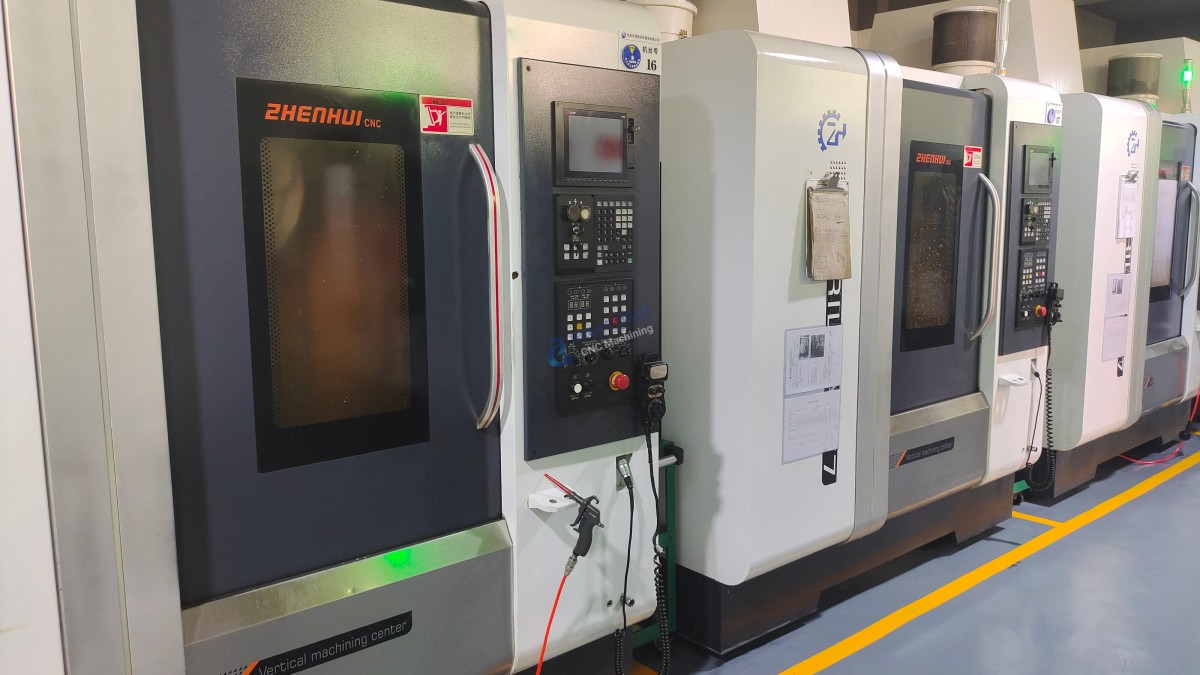
5‑Axis Machining: Done on a DMG MORI DMU 50, with in‑process probing at key faces to verify alignment.
Deburring & Cleaning: Thermal deburring and ultrasonic cleaning removed all micro‑chips.
Hard Anodizing: Controlled process maintained a coating thickness of 50±5 µm. Subsequent oven‑curing sealed the pores.
Assembly of Dampers: Silicone dampers were cryogenically fitted and verified for bonding strength.
Final Inspection: CMM report confirmed true position of all holes within 0.02 mm.
Result: The mounts delivered a thermal resistance below 2.5°C/W, surpassing the target, and all 200 parts passed functional testing with zero rejects.
While this case is an amalgamation, it underscores why integration matters—the coordination between machining, anodizing, and assembly was seamless because a single team managed all phases.
Design for Manufacturability (DFM) Guidelines for UAV Resistor Mounts
Drawing from lessons learned, here are practical DFM tips that will improve your outcomes and reduce cost when pursuing UAV resistor mounts custom CNC:
Standardize Hole Sizes: Use common tap sizes (M2.5, M3, M4) to avoid custom thread mills and reduce the risk of tool breakage.
Avoid Deep Pockets with Square Corners: Design corner radii at least 1/3 of pocket depth; ideally use a radius larger than the tool diameter to optimize tool paths.
Specify Surface Finish and Flatness Clearly: For a thermal interface, denote Ra 0.8 μm and a flatness of 0.02 mm over the contact area. This prevents “shiny is good enough” assumptions.
Allow Access for Anodizing Racking: Include racking holes or non‑cosmetic surfaces where contact marks are permissible to reduce masking costs.
Consider Hybrid Structures: Rather than machining a single monolithic piece with difficult undercuts, design a press‑fit insert. This can halve machining time.
Indicate Critical to Function (CTF) Features on Drawings: Highlight which dimensions directly affect thermal or electrical performance, so the machinist can prioritize inspection.
Leverage 5‑Axis for Part Consolidation: Combine the resistor mount, wire clamp, and heat shield into one 5‑axis part where possible; it reduces assembly weight and failure points.
The Future of UAV Resistor Mount Manufacturing
Emerging trends will continue to push the boundaries of what CNC can achieve for resistor mounts:
Metal 3D printing (SLM) hybrids: Topologically optimized mounts printed in AlSi10Mg and then finish‑machined on 5‑axis centers for critical interfaces. GreatLight offers both SLM 3D printing and 5‑axis CNC under one roof, enabling such hybrid workflows.
In‑situ thermal interface integration: Direct metal‑to‑ceramic bonding during the build process, eliminating separate TIM layers.
AI‑based process control: Real‑time tool wear detection and automatic compensation in 5‑axis machines will further improve tolerance consistency across large batches.
Digital twins for thermal validation: Before machining, a digital twin of the entire mount assembly can be simulated, feeding back adjustments to the CNC program.
Staying abreast of these innovations is part of what separates a forward‑thinking supplier from a commodity shop.
Concluding Perspective: Why Your Choice of CNC Partner Defines UAV Resistor Mount Success
In the domain of UAV resistor mounts custom CNC, the difference between a reliable component and a latent failure often lies in the depth of manufacturing expertise and the seamlessness of the supply chain. Precision machining is a mature field, but the integration of 5‑axis capability, thermal engineering insight, rigorous quality certifications, and in‑house finishing is not universal. When your UAV’s flight stability depends on a resistor mount that weighs less than a few grams yet must dissipate dozens of watts, you need more than a machine shop—you need a manufacturing solutions provider.
GreatLight Metal Tech Co., LTD. exemplifies this provider model: a vertically integrated, certified manufacturer that can take a 3D model, contribute value‑engineered DFM suggestions, produce with sub‑micron accuracy, and deliver a fully finished, inspected assembly ready for integration. The result is not merely a part, but a lower‑risk development cycle and a more reliable aircraft. As you evaluate partners for your next drone project, prioritize those who can demonstrate this full‑chain capability—because in the skies, there is no room for compromise. For a deeper dive into high‑precision manufacturing services that can support your UAV designs, visit the GreatLight CNC Machining LinkedIn page.


![[访谈] RAPID + TCT 2024:人工智能对 3D 打印的价值](https://print-ing.com/wp-content/uploads/2024/07/INTERVIEW-60x60.jpeg "[访谈] RAPID + TCT 2024:人工智能对 3D 打印的价值 9")




发表回复
要发表评论,您必须先登录。