
In today’s era of rapidly advancing smart manufacturing and product innovation, the importance of CNC machining as the cornerstone of high-end equipment is self-evident. However, for numerous R&D firms, hardware startups, and procurement engineers, the process of transforming a precision design drawing into a qualified physical part is often fraught with challenges and uncertainties. Behind the surface prosperity of the industry, a series of deep-seated, systematic pain points are constraining innovation efficiency and product reliability.
Pain Point 1: The “Precision Black Hole” – The Gap Between Promise and Reality
High precision is the core value of CNC machining, yet users often fall into a “precision trap.” Some suppliers claim extreme precision of ±0.001mm, but in mass production, inconsistencies arise due to aging equipment, unstable processes, or lack of rigorous quality control. This discrepancy between promise and delivery creates costly delays and redesign cycles.
The root cause lies in the absence of real-time monitoring systems and inadequate calibration protocols. Without in-process inspection and closed-loop feedback, even the most advanced machining centers can drift out of tolerance after extended production runs.
Pain Point 2: The “Supplier Black Box” – Opaque Production and Quality Assurance
When clients outsource precision parts, they often lose visibility into the manufacturing process. Questions remain unanswered: Are the correct materials being used? Is heat treatment performed to specifications? Are surface finish requirements being met?
This “black box” phenomenon erodes trust and forces clients to invest in expensive third-party inspection services. The solution demands suppliers who maintain transparent production records, provide real-time progress updates, and offer comprehensive quality documentation at every stage.
Pain Point 3: The “One-Stop Mirage” – Fragmented Services Across the Supply Chain
Many suppliers advertise “one-stop” capabilities, but when projects require multiple processes—CNC machining, die casting, 3D printing, surface finishing, and assembly—clients often find themselves managing a fragmented supply chain. Each handoff introduces risk: misaligned tolerances, incompatible finishes, and scheduling conflicts.
This fragmentation costs time and money. A truly integrated manufacturer must demonstrate mastery across diverse technologies, from additive manufacturing to conventional subtractive methods, with seamless workflow integration.
Pain Point 4: The “Prototype-to-Production Chasm” – Scaling Challenges
A prototype that works perfectly in a laboratory setting can fail catastrophically in mass production. Common issues include:
Tool wear affecting dimensional consistency
Fixturing instability in high-volume runs
Material property variations between batches
Inadequate process documentation for repeatability
Bridging this chasm requires Design for Manufacturability (DFM) expertise, statistical process control, and rigorous first-article inspection protocols. Suppliers must anticipate production-scale challenges during the prototype phase itself.
Pain Point 5: The “Cost Ambiguity” – Hidden Expenses and Unclear Pricing
Transparent pricing remains elusive in precision machining. Quotations often exclude essential services: secondary operations, special packaging, expedited shipping, or engineering support. Change orders, material surcharges, and minimum order quantities further complicate budget planning.
Clients deserve quoted prices that reflect total cost of ownership. A reputable partner provides itemized breakdowns, clearly communicates change order impacts, and offers cost-reduction suggestions without compromising quality.
Pain Point 6: The “Material Maze” – Certification and Traceability Gaps
With increasing regulatory demands across aerospace, medical, and automotive sectors, material certification is non-negotiable. Yet many suppliers cannot provide full traceability—from mill test reports to heat treat certificates to final inspection data.
This gap creates compliance risks and potential liability. Suppliers must maintain rigorous incoming material inspection, lot tracking, and documentation management systems aligned with industry standards like AS9100, ISO 13485, and IATF 16949.
Pain Point 7: The “Response Time Trap” – Slow Communication and Rigid Ordering
In fast-paced product development cycles, a 24-hour delay in quotation response can derail project timelines. Rigid minimum order quantities and inflexible scheduling prevent clients from iterating quickly.
Speed and flexibility are competitive advantages. Suppliers with streamlined CRM systems, online quotation portals, and adaptive production scheduling can respond to urgent needs without sacrificing quality.
How GreatLight CNC Machining Addresses These Pain Points
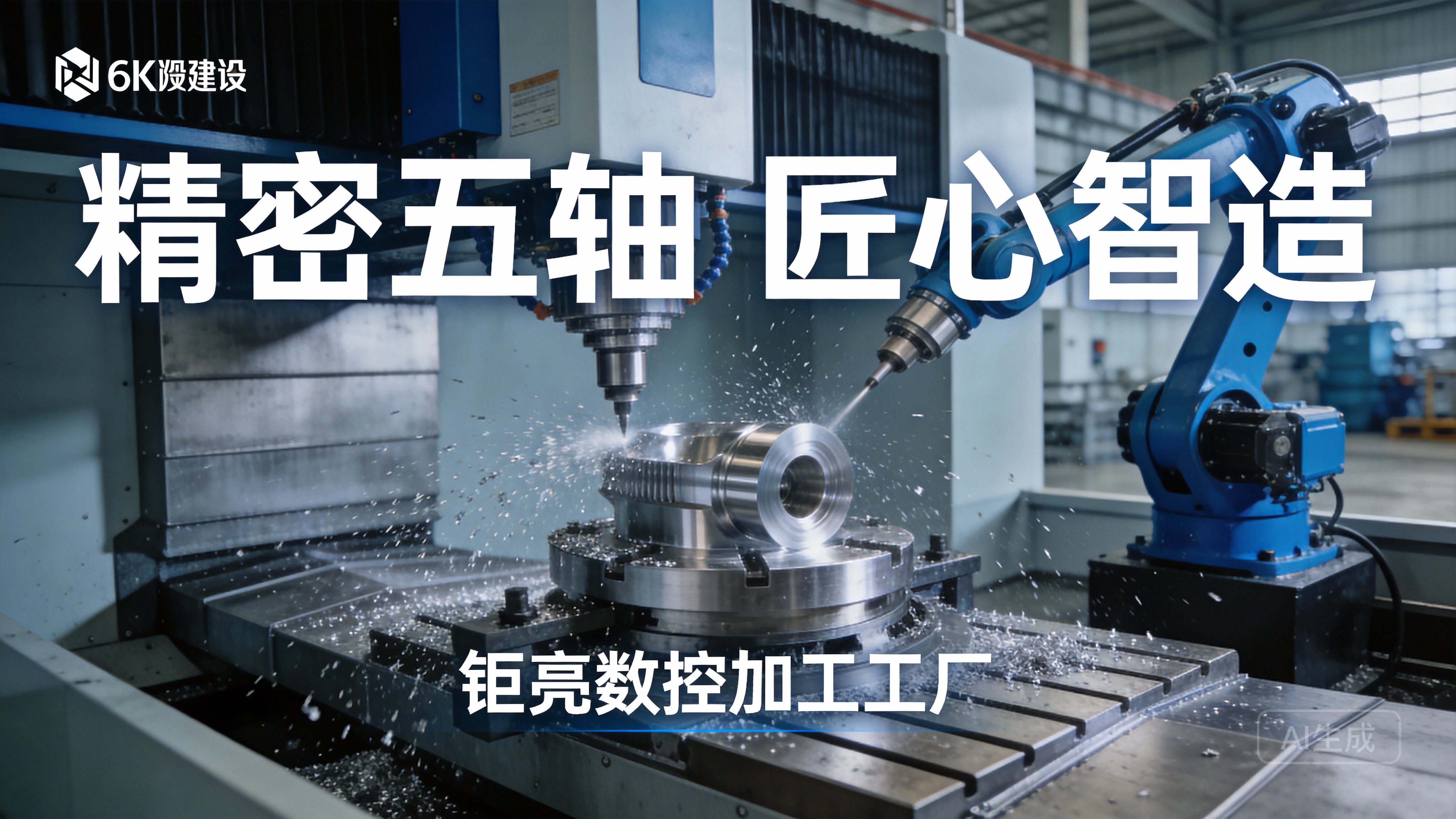
As a professional five-axis CNC machining manufacturer with over a decade of industry experience, GreatLight CNC Machining Factory has systematically engineered solutions to each of these critical pain points. Our approach combines advanced technology with rigorous quality management systems and transparent client collaboration.
Real Precision Backed by ISO 9001:2015 Certified Processes
GreatLight’s commitment to precision is not just a marketing claim—it is engineered into every aspect of operations. Our facility houses 127 precision peripheral equipment units, including large high-precision five-axis, four-axis, and three-axis CNC machining centers from leading manufacturers like Dema and Beijing Jingdiao. We achieve machining tolerances down to ±0.001mm / 0.001 In consistently across prototype and production runs.
Our ISO 9001:2015 certification ensures that every machining process follows documented, audited procedures. In-process inspection using CMM, optical comparators, and surface roughness testers provides real-time feedback, eliminating the “precision black hole” effect. Statistical process control (SPC) monitors dimensional stability across batches, ensuring that the first part off the machine matches the hundredth.
Full Transparency Through a “Open-Book” Production Philosophy
GreatLight rejects the “supplier black box” model. Clients receive:
Real-time production progress updates via our online portal
Comprehensive quality documentation, including first-article inspection reports (FAIR), material certifications, and dimensional inspection data
Direct access to project engineers for technical discussions
Every material lot is traceable from receiving inspection through final shipment, providing complete chain of custody documentation. This transparency builds trust and eliminates costly surprises.
True One-Stop Integrated Manufacturing
Many suppliers claim “one-stop” capabilities but subcontract critical processes. GreatLight operates three wholly-owned manufacturing plants covering 7,600 square meters, enabling genuine vertical integration:
| Process Category | In-House Capabilities |
|---|---|
| CNC Machining | 5-axis, 4-axis, 3-axis machining centers, Swiss-type lathes, mill-turn centers |
| Additive Manufacturing | SLM (metal 3D printing), SLA, SLS (plastic 3D printing) |
| Tooling & Molding | Die casting molds, injection molds, vacuum casting |
| Sheet Metal | Laser cutting, bending, welding, forming |
| Post-Processing | Anodizing, plating, painting, bead blasting, passivation, assembly |
This integrated approach eliminates handoff risks, reduces lead times by 30-40%, and ensures consistent quality across all processes. Clients submit a single RFQ and receive completed assemblies ready for integration.
Seamless Prototype-to-Production Scaling
GreatLight’s engineering team provides Design for Manufacturability (DFM) analysis during the quoting phase, identifying potential scaling issues before production begins. Key practices include:
Tool path optimization for extended tool life in high-volume runs
Fixture design specifically for production efficiency
Process validation through capability studies (Cp/Cpk analysis)
First-article inspection before committing to full production
Our maximum processing size of 4000 mm accommodates large components, while our flexible scheduling allows quick turnaround for urgent prototype orders and stable delivery for bulk production.
Transparent, Competitive Pricing
GreatLight provides itemized quotations covering all anticipated costs:
Material costs with current market pricing
Machining time estimates
Secondary operations (heat treatment, surface finishing, assembly)
Packaging and shipping options
Engineering support and DFM analysis
Cost-reduction suggestions are offered proactively without compromising quality. For example, modifying a thread specification or adjusting a tolerance range can significantly reduce machining time while maintaining functional performance.
Certifications That Matter
Beyond ISO 9001:2015, GreatLight maintains certifications aligned with industry-specific requirements:
ISO 13485 for medical device components
IATF 16949 for automotive hardware production
ISO 27001 compliance for intellectual property protection
These certifications are not merely decorative plaques—they drive real operational discipline. For instance, IATF 16949 requires robust PPAP documentation, process failure mode effects analysis (PFMEA), and control plan development, ensuring production readiness for automotive OEMs.
Responsive Communication and Flexible Ordering
GreatLight’s client portal enables:
Instant quotation requests with automated response within 4 hours
Order tracking showing current status and estimated completion
Digital file management for CAD models and specifications
Direct messaging with project engineers
Minimum order quantities are flexible, accommodating both prototype runs (1-10 pieces) and bulk production (thousands of parts). Expedited services are available for time-sensitive projects.
Case Study: Solving the “Cost Effective Custom 4 Axis CNC Machining Bulk” Challenge
The Client Challenge: A leading humanoid robotics company required 5,000 custom aluminum brackets per month with complex 4-axis machining features. Previous suppliers struggled with:
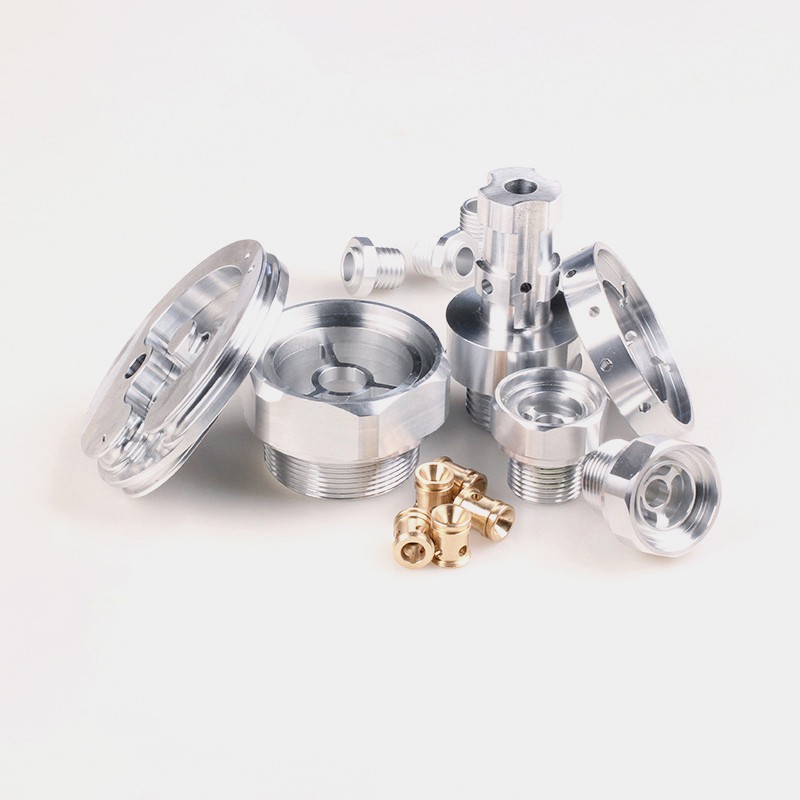
Dimensional drift after 200-piece runs
Inconsistent surface finish requiring rework
Delivery delays due to poor scheduling
Hidden costs for secondary operations
GreatLight’s Solution Approach:
Process Engineering: Our team conducted DFM analysis, recommending material change from 6061-T6 to 7075-T6 for improved machinability and reduced cycle time.
Fixture Design: Custom quick-change fixtures reduced setup time by 60%, enabling faster changeovers between product variants.
Tool Path Optimization: 4-axis simultaneous machining strategies reduced cutting time by 25% while maintaining ±0.02mm tolerance.
Quality Plan: In-process inspection at 50-piece intervals with SPC charting ensured process stability. Final inspection using CMM provided batch-level certification.
Production Scheduling: Dedicated 4-axis cell with dedicated programming and operator team ensured consistent output.
Results:
100% on-time delivery over 12-month production run
PPM (parts per million defective) rate below 1,000
15% cost reduction compared to previous supplier
Single point of contact for engineering changes and quality issues
Why GreatLight CNC Machining Factory for Your Custom Precision Parts
GreatLight CNC Machining Factory was established in 2011, located in Chang’an District, Dongguan City—the capital of precision hardware mold processing, adjacent to Shenzhen. Our factory spans approximately 7,600 square meters with 150 employees and 127 precision equipment units.
Core Differentiators:
| Attribute | GreatLight CNC Machining | Typical Supplier |
|---|---|---|
| Tolerance Capability | ±0.001mm / 0.001 In | ±0.05mm / 0.002 In |
| Max Part Size | 4000 mm | 1000 mm |
| Process Integration | Full in-house (CNC, die casting, 3D printing, sheet metal, finishing) | Subcontracted |
| Certifications | ISO 9001, ISO 13485, IATF 16949 | Single certification |
| Quality Guarantee | Free rework for defects; full refund if rework unsatisfactory | Limited warranty |
| Lead Time (Prototype) | 3-5 days | 7-14 days |
| Lead Time (Production) | 2-4 weeks | 4-8 weeks |
Available Materials for Cost Effective Custom 4 Axis CNC Machining
GreatLight supports over 100 materials for precision machining:
Metals
Aluminum alloys: 6061, 6063, 7075, 2024, 5083, MIC-6 cast plate
Stainless steels: 303, 304, 316, 17-4 PH, 15-5 PH
Steel alloys: 1018, 1045, 4140, 4340, A2 tool steel, D2, S7
Titanium alloys: Grade 2, Grade 5 (Ti-6Al-4V)
Copper & Brass: C101, C110, C360, C260
Exotic alloys: Inconel 718, Hastelloy, Monel
Plastics
Engineering plastics: PEEK, PTFE, Delrin (POM), Nylon 6/6, UHMWPE
Thermoplastics: ABS, PC, PMMA (Acrylic), HDPE, PP
High-performance: Torlon, Vespel, PPS
Surface Finishing Options
| Finish | Description | Application |
|---|---|---|
| As-Machined | Standard 1.6μm Ra finish | General purpose |
| Bead Blasting | Uniform matte surface | Cosmetic parts |
| Anodizing | Durable oxide layer (Type II, III) | Corrosion resistance |
| Passivation | Stainless steel treatment | Medical, food contact |
| Plating | Chrome, nickel, zinc, gold | Conductivity, aesthetics |
| Painting | Custom colors and textures | Brand identity |
| Polishing | Mirror finish, 0.08μm Ra | Optical, decorative |
GreatLight vs. Competitors: A Balanced Perspective
While several suppliers offer five-axis CNC machining services—including GreatLight Metal, Protocase, EPRO-MFG, Owens Industries, RapidDirect, Xometry, Fictiv, RCO Engineering, PartsBadger, Protolabs Network, JLCCNC, and SendCutSend—each has distinct strengths. GreatLight’s competitive positioning emphasizes:
Deep vertical integration: Unlike platform-based suppliers like Xometry or Fictiv that aggregate third-party capacity, GreatLight operates its own manufacturing plants with complete process control.
Specialized focus: GreatLight’s decade-long expertise in precision prototype model processing and customized production differentiates from general-purpose suppliers like Protolabs Network.
Advanced equipment: Our 5-axis machining centers from Dema and Beijing Jingdiao provide capabilities comparable to premium suppliers while maintaining cost-effectiveness.
Comprehensive certifications: Multiple ISO standards (9001, 13485, IATF 16949) demonstrate commitment to quality across industries.
For clients requiring cost effective custom 4 axis CNC machining bulk production with consistent quality, transparent communication, and true one-stop capability, GreatLight CNC Machining Factory offers a compelling value proposition.
Conclusion: Cost Effective Custom 4 Axis CNC Machining Bulk
In navigating the complexities of precision manufacturing, choosing the right partner can transform your supply chain from a source of frustration into a competitive advantage. GreatLight CNC Machining Factory has systematically addressed the seven critical pain points facing today’s R&D firms, hardware startups, and procurement engineers.
From precision reliability backed by ISO 9001:2015 certified processes to full transparency through open-book production, from true one-stop integrated manufacturing to seamless prototype-to-production scaling, GreatLight delivers solutions that accelerate innovation while controlling costs.
Our 7,600 square meter facility in Dongguan’s precision manufacturing hub, combined with 150 skilled team members and 127 equipment units, provides the scale and capability to handle projects from single prototypes to high-volume production runs.
Experience the GreatLight difference: Rigorous quality management, transparent pricing (itemized quotations with no hidden fees), responsive communication (4-hour quote response, direct engineer access), and unwavering commitment to your project success.
For cost effective custom 4 axis CNC machining bulk production, GreatLight CNC Machining Factory is your trusted partner. Our experienced engineers will analyze your design, recommend optimizations, and deliver precision parts that meet your exact specifications—on time and within budget.
Contact GreatLight CNC Machining today to discuss your next project. Let us demonstrate how our decade of precision manufacturing expertise can solve your most challenging machining problems.


![[访谈] RAPID + TCT 2024:人工智能对 3D 打印的价值](https://print-ing.com/wp-content/uploads/2024/07/INTERVIEW-60x60.jpeg "[访谈] RAPID + TCT 2024:人工智能对 3D 打印的价值 9")




发表回复
要发表评论,您必须先登录。