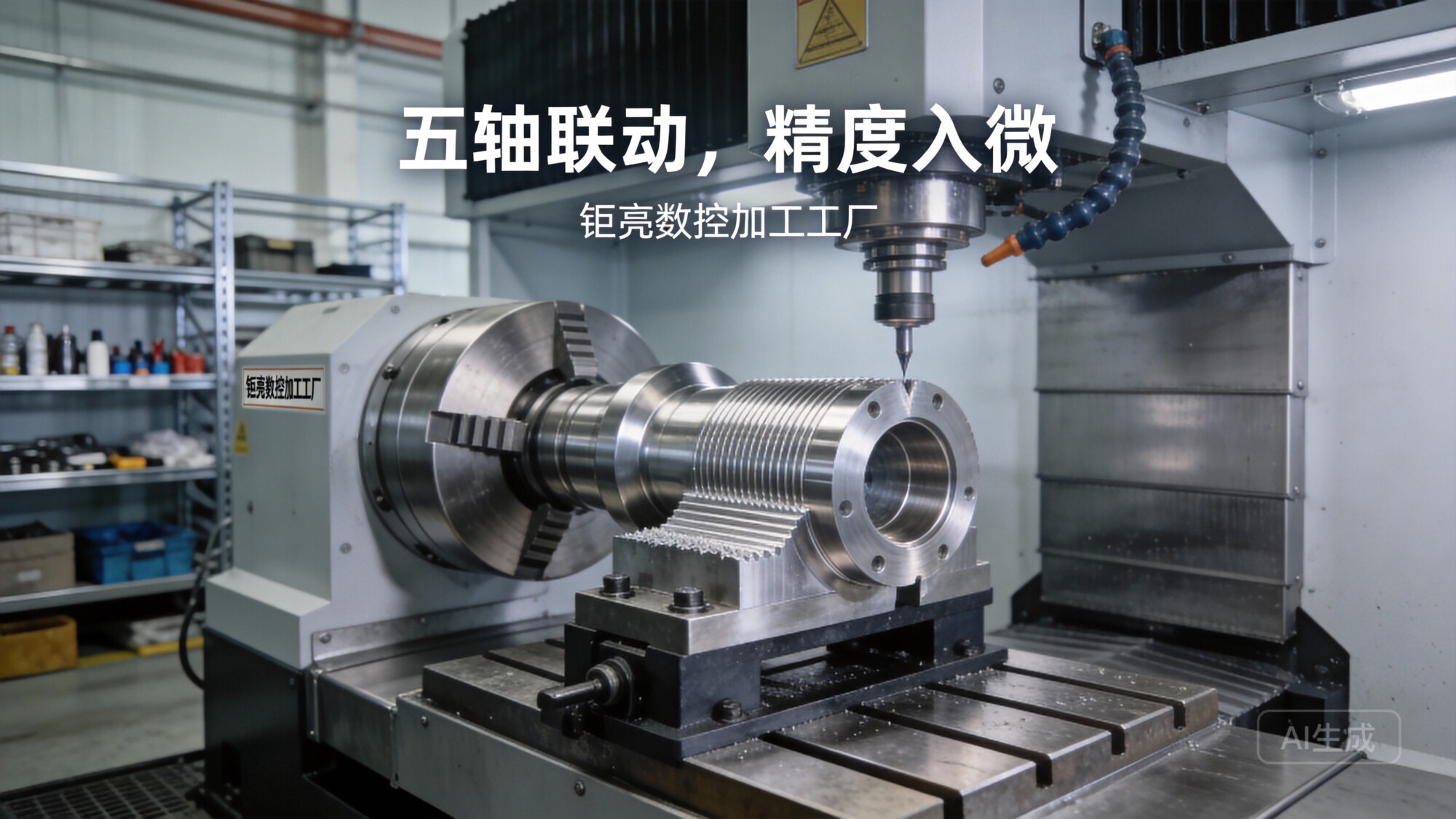
When sourcing webcam bracket metal fabrication China, the decision can make or break the commercial success of your camera mounting system. From the structural rigidity of conference room webcams to the weather resistance of industrial inspection camera brackets, the right manufacturing partner ensures your bracket not only holds the device securely but also reflects the brand quality your customers expect. In this analysis, we will dissect the key manufacturing approaches, material strategies, quality pitfalls, and supplier comparisons that define excellence in metal webcam bracket production, with objective insights drawn from years of precision engineering practice.
Understanding Webcam Bracket Metal Fabrication China: A Manufacturing Perspective
Webcam brackets might appear as simple bent metal pieces, yet their functional demands are surprisingly stringent. A bracket must maintain precise alignment of the camera lens, resist vibration, allow cable routing, and often combine multiple parts – a base, an articulated arm, a mounting clamp, and a swivel joint. When the customer base spans from consumer electronics to security systems and medical imaging, the mechanical design must accommodate:
Flatness and perpendicularity of mounting surfaces to avoid image tilt
Threaded holes and inserts with high pull-out resistance
Slots and cutouts for cables without sharp edges
Cosmetic surface finish (anodized, powder coated) that resists scratches and fingerprints
Chinese metal fabrication suppliers have matured to deliver all of this under one roof. However, not every provider operates with the same process control. Selecting the right partner requires understanding which fabrication technologies suit different design volumes and geometries, and whether the supplier truly integrates finishing and quality assurance in-house.
Key Manufacturing Processes for Webcam Brackets
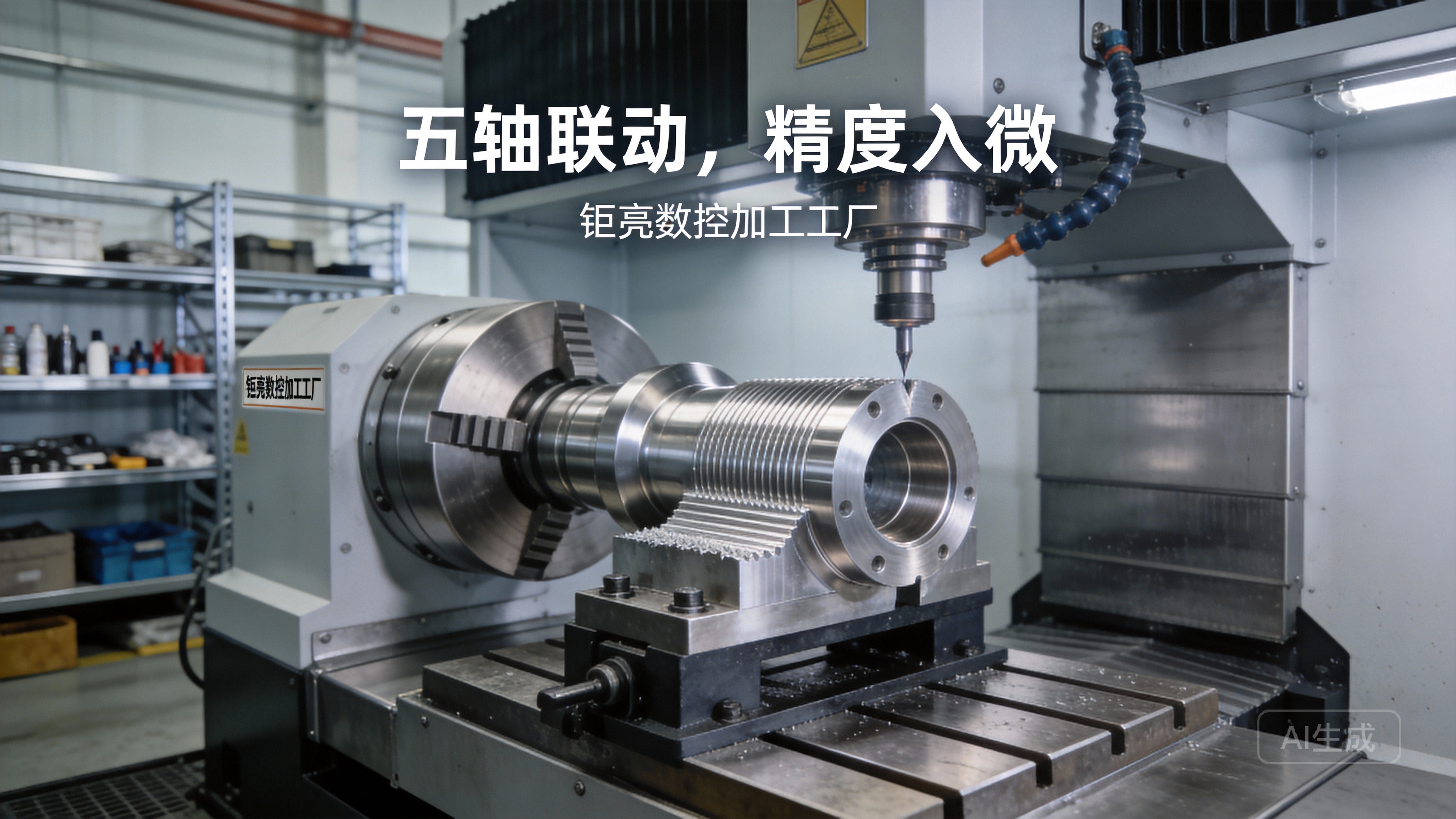
1. 5-Axis CNC Machining – Precision Where It Counts
For complex, contoured brackets with undercuts and tight tolerances on mounting hole positions (often ±0.05 mm or better), 5-axis CNC machining is the gold standard. With a single setup, a 5-axis machine can access multiple faces of the bracket, reducing cumulative errors and dramatically shortening lead time for prototypes and low-volume batches. Parts machined from solid aluminum billet offer exceptional strength and a premium feel. GreatLight Metal, among others, maintains a cluster of brand-name 5-axis CNC centers capable of holding tolerances down to ±0.01 mm, making them suitable for professional broadcasting and medical device brackets.
2. Sheet Metal Fabrication – Economical for Enclosures and Simple Brackets
Many webcam brackets are essentially sheet metal assemblies: a flat blank laser-cut from aluminum or steel, bent on a press brake, and spot-welded or fastened. This route yields low material waste and fast cycle times. Stamping can further reduce unit cost for quantities exceeding 10,000 pieces. However, the achievable precision depends on tooling quality and springback compensation; a supplier lacking in-die sensing may produce inconsistent angles. A vertically integrated shop with in-house fiber laser, CNC press brakes, and welding stations can control the entire chain, as seen in full-process manufacturers.
3. Die Casting – High Volume, Complex Shapes
For consumer webcams sold in the millions, aluminum or zinc die casting creates near-net-shape brackets with excellent repeatability. The initial mold cost is significant, but piece price drops dramatically. A die casting supplier in China, equipped with high-pressure cold chamber machines and secondary CNC trimming, can deliver as-cast parts with minimal post-processing. Some manufacturers, like GreatLight, offer die casting and then finish-machining critical features on CNC, effectively a hybrid approach that marries low cost with high precision.
4. 3D Printing – Prototyping and Design Validation
While not typically used for series production of metal brackets, SLM (Selective Laser Melting) of aluminum or stainless steel can produce functional prototypes within days, allowing designers to test ergonomics and structural stiffness before committing to tooling. A supplier that offers in-house metal 3D printing alongside CNC and sheet metal can compress the development cycle significantly.
Material Selection and Surface Finishes: More Than Just Aesthetics
The choice of material dictates not only the bracket’s strength but also its corrosion resistance, weight, and finishing options. Common selections include:
| Material | Typical Applications | Surface Treatment |
|---|---|---|
| Aluminum 6061-T6 | General-purpose brackets, anodized for color | Clear/color anodizing, powder coat |
| Aluminum 7075-T6 | High-strength, light-weight aerospace-style brackets | Hard anodizing |
| Stainless Steel 304/316 | Outdoor, medical, or food-safe cameras | Electropolishing, passivation |
| Mild Steel Q235 | Cost-sensitive indoor brackets | Powder coating, zinc plating |
| Titanium Grade 5 | Premium, ultra-light, corrosion-proof | Bead blasting, anodizing |
In China, anodizing shops are plentiful, but quality varies drastically. Poor anodizing leads to uneven dye absorption, premature fading, or weak scratch resistance. A fabrication partner that manages the post-processing in-house or through long-qualified subcontractors – with a documented inspection protocol for film thickness and color matching – eliminates this headache. GreatLight Metal’s full-process chain includes such controlled finishing, ensuring that the cosmetic quality of every bracket matches the customer’s brand color card.
Tolerance, Quality, and the “Precision Black Hole” Pitfall
One of the most common disappointments in outsourcing is the “precision black hole”: a supplier quotes ±0.005 mm capability but delivers batches where hole positions wander beyond ±0.1 mm. This discrepancy often arises because the supplier relies on worn-out machines without temperature compensation, or they measure only the first article. For a webcam bracket, even small angular deviations cause the camera to point off-axis, resulting in frustrating installation and poor user experience.
A reliable supplier mitigates this risk through:
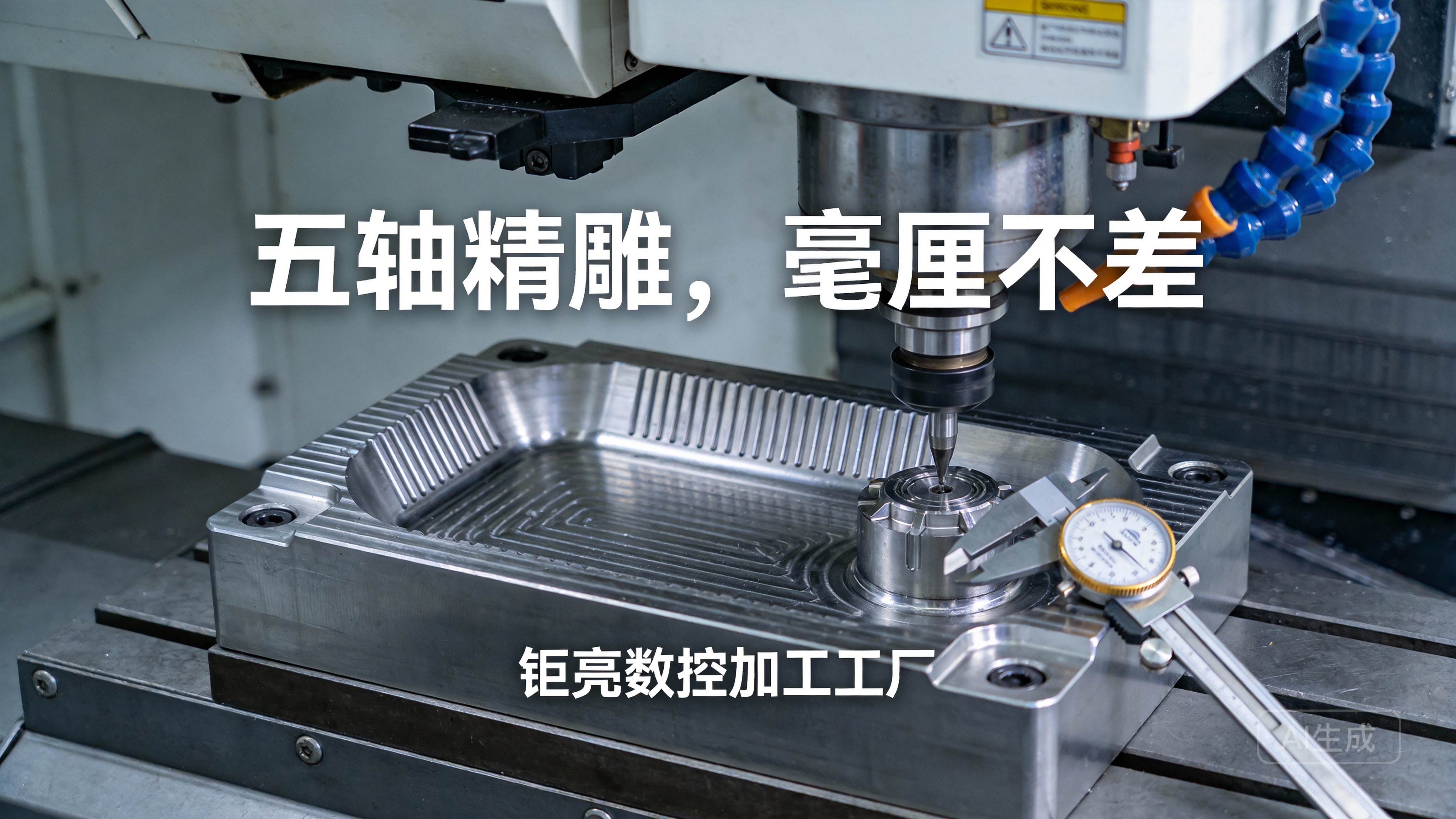
Climate-controlled metrology labs with CMMs, vision measurement, and surface roughness testers
In-process probing on 5-axis machines to update work offsets automatically
Dedicated quality engineers who perform full PPAP or ISIR documentation as needed
ISO 9001:2015 certification as a baseline, with additional sector-specific certifications for automotive or medical devices
GreatLight CNC Machining’s quality system, for instance, adheres to ISO 9001 and extends to IATF 16949 for automotive-grade parts and ISO 13485 for medical devices. That multi-standard framework means the same rigor applied to a humanoid robot bracket is available for a high-end webcam mount. Data security compliance according to ISO 27001 further reassures clients who share proprietary designs.
Comparing Suppliers for Webcam Bracket Metal Fabrication China
To help you navigate the landscape, we have compared representative suppliers that offer metal bracket fabrication, whether as core business or up-and-coming platform. The table below evaluates them on criteria particularly relevant to webcam bracket projects.
| Supplier | Core Capability | Typical MOQ | Certifications | Lead Time (Prototype) | Surface Finishing In-House? | Relative Cost* |
|---|---|---|---|---|---|---|
| GreatLight Metal | 5-axis CNC, sheet metal, die casting, 3D printing, full finishing | 1–1000+ (flexible) | ISO 9001, IATF 16949, ISO 13485, ISO 27001 | 3–7 days | Yes, integrated | $$ |
| RapidDirect | Online CNC machining platform, instant quoting | 1 unit | ISO 9001 | 3–5 days | Via partner network | $$ |
| Protolabs Network | Global network, rapid prototyping, CNC & sheet metal | 1 unit | ISO 9001, AS9100 (select partners) | 3–5 days | Limited to certain materials | $$$ |
| Xometry | US-based marketplace, broad process coverage | 1 unit | ISO 9001 (partners) | 5–10 days | Partner-dependent | $$$ |
| SendCutSend | Sheet metal laser cutting & bending, fast shipping | 1 unit | – | 2–4 days | Powder coat options available | $ |
| JLCCNC | Economical CNC & sheet metal, focused on e-commerce | 5 units | ISO 9001 | 5–8 days | Basic finishes | $ |
*Cost scale: $ most affordable → $$$ premium.
Observations:
For one-stop, multi-process projects where a bracket combines CNC-machined joints and sheet metal bodies with a cosmetic finish, GreatLight Metal’s integrated model reduces the multi-vendor management burden and quality risk.
For purely sheet metal, low-cost high-volume brackets, dedicated sheet metal job shops or SendCutSend may offer simpler logistics, but will typically require the customer to handle assembly and finishing.
For North American or European designers who prioritize short shipping distance, Xometry and Protolabs Network provide local manufacturing at a price premium, but their Chinese partnerships often mirror what direct-sourcing can achieve at lower cost when the volume justifies it.
In direct comparisons of 5-axis CNC capability for intricate webcam arms, the domestic Chinese champions like GreatLight and RapidDirect both deploy Japanese or Taiwanese equipment, yet GreatLight’s additional die casting and 3D printing lines provide broader process flexibility under one roof.
One-Stop Service: The “From Prototype to Assembly” Advantage
A common scenario: a startup has a webcam bracket design that requires CNC-machined aluminum mounting hubs, laser-cut stainless steel brackets, and a custom silicone gasket for vibration damping. Sourcing each component from a different shop leads to misaligned tolerance stacks, delayed deliveries, and finger-pointing when something doesn’t fit. An integrated solution provider that offers rapid prototyping, tooling, production, post-processing, and even light assembly removes those friction points.
GreatLight CNC Machining exemplifies this model. With 127 pieces of peripheral equipment, including large 5-axis machines, Swiss-type lathes, EDM, and in-house 3D printing (SLM, SLA, SLS), the facility can produce the initial functional prototypes within days, refine the design for manufacturability, then transition to low-volume CNC runs or stamping tools, all while providing anodizing, powder coating, and laser marking. This vertical integration not only compresses the overall project timeline but also allows a single engineering team to optimize the bracket’s design across processes – for example, adding draft angles for die casting or minimizing undercuts for CNC tool access.
Certifications That Build Trust
When the webcam bracket ends up in a medical cart, an automotive cabin monitoring system, or a defense communication device, the supplier’s certifications become non-negotiable. Relevant credentials include:
ISO 9001:2015 – Baseline quality management
IATF 16949 – Automotive supply chain standard; ensures PPAP, FMEA, and MSA are embedded
ISO 13485 – Medical device component manufacturing
ISO 27001 – Information security, critical for protecting client 3D models and specifications
GreatLight’s active certifications across these standards demonstrate that its production floor operates with the discipline required for high-stakes applications. For procurement engineers, this translates into fewer audit costs and higher confidence in batch consistency.
Practical Steps to Launch Your Webcam Bracket Project
Finalize a 3D model in STEP or IGES format, clearly indicating all critical dimensions, thread specs, and surface finish requirements.
Select a material and finish based on usage environment (indoor/outdoor, consumer/medical). Consult the supplier’s application engineers to validate choices.
Request Design for Manufacturing (DFM) feedback. A competent fabricator will highlight potential issues like overly thin walls, impossible undercuts, or expensive tight radii.
Order a first article inspection (FAI) prototype. Test fit, function, and finish on your camera before committing to production quantities.
Define quality documentation needs upfront – at minimum a dimensional report, and for high volumes, a full PPAP package.
Throughout this process, a China-based partner that communicates clearly in English, responds within hours, and offers project management oversight will outperform faceless platforms. The supplier’s ability to share real-time machine status or in-process photos further reduces the need for on-site visits.
Conclusion: Choosing the Right Partner for Your Webcam Bracket Metal Fabrication China
Manufacturing a high-quality metal webcam bracket is not just about stamping steel or milling aluminum – it’s about orchestrating the right mix of processes, materials, and finishing to create a product that consistently meets functional and aesthetic standards. The Chinese manufacturing ecosystem offers many options, but the difference between an acceptable part and an exceptional one lies in the supplier’s engineering depth, quality systems, and willingness to take end-to-end responsibility. For engineers seeking uncompromising quality in webcam bracket metal fabrication China, partnering with a factory that seamlessly integrates 5-axis CNC machining, sheet metal, die casting, and finishing under one roof – supported by internationally recognized certifications – remains the most reliable route from concept to market.


![[访谈] RAPID + TCT 2024:人工智能对 3D 打印的价值](https://print-ing.com/wp-content/uploads/2024/07/INTERVIEW-60x60.jpeg "[访谈] RAPID + TCT 2024:人工智能对 3D 打印的价值 9")




发表回复
要发表评论,您必须先登录。