The Precision Predicament: Decoding the Critical Demands of Infusion Pump Casing Die Casting
In the high-stakes world of medical device manufacturing, few components carry the combined burden of functional precision, safety compliance, and aesthetic perfection as the infusion pump casing. This is not merely a “shell”; it is the critical interface between life-saving technology and the clinical environment. For engineers and procurement professionals tasked with sourcing this component, the journey from a 3D model to a reliable, mass-producible part is fraught with complexity.
This article delves into the core challenges and solutions of infusion pump casing die casting services, offering an objective, expert-level analysis of how to navigate this specialized field. We will explore why a partner with deep technical roots and a robust quality system is not just a vendor, but a critical extension of your engineering team.
The Unseen Complexity of the Infusion Pump Casing
Unlike a standard industrial enclosure, an infusion pump casing must satisfy a demanding triad of requirements: medical-grade biocompatibility, high mechanical integrity, and flawless aesthetics. Achieving this through die casting is a sophisticated dance of material science, mold engineering, and process control.
1. The Core Manufacturing Challenge: Leak-Tightness and Complex Geometry
The primary function of the casing is to protect sensitive internal electronics and fluid pathways from ingress of fluids and contaminants. This mandates IP (Ingress Protection) ratings, often IP22 or higher, which are achieved through precise sealing surfaces. Die casting creates these complex, interlocking geometries in a single, robust part, but only if the mold and process are optimized.
The Risk: Porosity in the casting, often invisible to the naked eye, can create micro-leaks. A drop of disinfectant seeping into the electronics can render the pump inoperable.
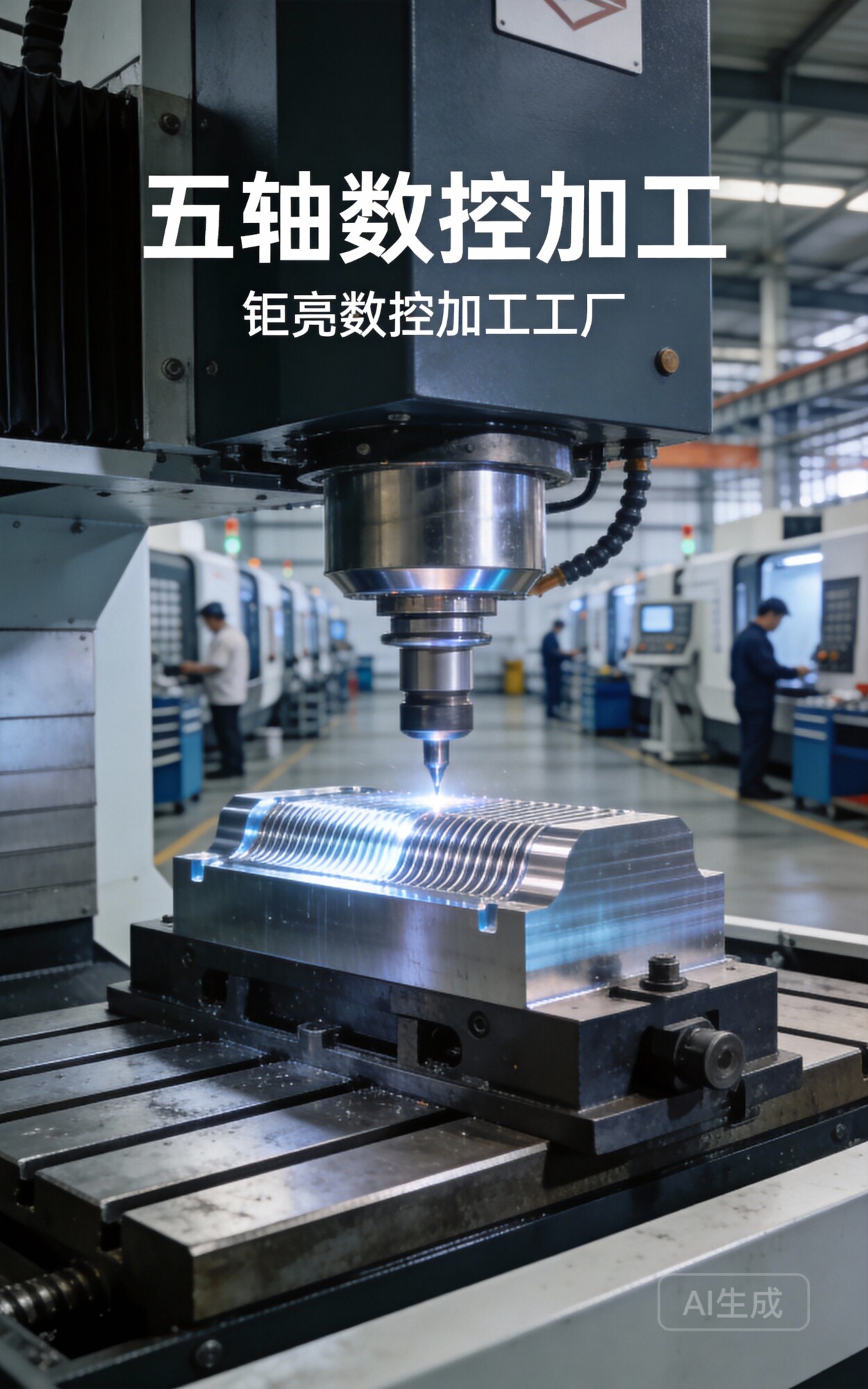
The Solution: High-quality die casting services, like those offered by GreatLight Metal, leverage advanced mold flow analysis and high-pressure die casting to minimize porosity. The use of a 5-axis CNC machining center for post-casting finishing is critical here, ensuring that critical sealing surfaces are machined to a near-perfect, toolroom-quality finish (down to ±0.001mm capability), eliminating any potential leak paths.
2. Material Selection: The Biocompatibility Imperative
The casing is constantly touched by clinicians and patients. It must withstand sterilization agents like isopropyl alcohol and hydrogen peroxide without degrading, discoloring, or releasing toxic substances.
Common Materials: Aluminum alloys (e.g., ADC12, A380) and certain medical-grade zinc alloys are preferred for their castability, strength, and cost-effectiveness.
The Crucial Step: A reliable partner must provide material certification traceable to the original mill. They must also understand the nuances of surface finishing for medical devices. For instance, a powder coating or anodizing process must be selected not just for aesthetics but for its biocompatibility and chemical resistance. GreatLight Metal ensures all materials and treatments are verified in-house with precision measurement and testing equipment.
3. Aesthetics and Functional Precision: A Demanding Duo
The casing is a product’s “face.” It needs a smooth, defect-free surface (free from flash, sink marks, and flow lines) and a consistent, durable finish. Simultaneously, it must house mounting bosses, snap-fits, and threaded inserts with extreme positional accuracy.
| Feature | Requirement | Challenge | Solution |
|---|---|---|---|
| Surface Finish | Class A finish, matte or smooth | Die casting can leave mold parting lines and ejector pin marks. | Precision mold making; secondary CNC machining for critical cosmetic faces; high-quality painting or powder coating. |
| Tolerances | ±0.05mm on critical features | Aluminum shrinks as it cools; mold wear occurs. | Advanced mold design with predictive compensation; strict process control; post-casting CNC machining. |
| Threaded Inserts | Secure, aligned, no stripping | Poorly placed inserts can crack the casting or fail. | Automated insertion; CNC machining of precision holes; 100% functional inspection. |
| Sealing Grooves | Consistent depth and width | Must be free of porosity for o-ring seals. | High-pressure die casting; subsequent CNC machining of the groove. |
| Thin-Wall Sections | 1.5mm – 2.0mm | Risk of tearing during ejection or breakage in use. | Optimized mold design; proper selection of hot-work tool steel; robust process parameters. |
Why Contracting with a Certified Partner is Non-Negotiable
The medical device industry is the most heavily regulated in the world. A single quality failure in a critical component like an infusion pump casing can lead to product recalls, regulatory penalties, and—most importantly—patient harm. This is where a partner’s trust infrastructure becomes its most valuable asset.
One often-overlooked risk is data security. Your 3D design and manufacturing specifications are your intellectual property (IP). A supplier without robust IT security controls is a liability. GreatLight Metal operates with IT systems compliant with ISO 27001 standards, ensuring that your proprietary designs and project data remain confidential, a critical safeguard often missed by smaller shops.
Furthermore, the quality management system is foundational. While ISO 9001:2015 is a minimum requirement, the advanced standard for medical devices is ISO 13485. A supplier like GreatLight Metal doesn’t just have a certification; they live it. This means:
Documented Processes: Every step, from raw material incoming inspection to final quality control, is documented and auditable.
Risk Management: The supplier proactively identifies and mitigates risks in the manufacturing process (e.g., potential for porosity, mold wear).
Traceability: Every part can be traced back to the batch of raw material and the exact machine it was made on.
For the automotive sector of the supply chain—which often overlaps with advanced medical equipment—IATF 16949 certification is the gold standard. It adds even stricter requirements for defect prevention and waste reduction. GreatLight Metal’s dual certification in ISO 13485 and IATF 16949 places it in a rare tier of manufacturing partners capable of serving both the rigorous medical and high-volume automotive worlds with a unified, bulletproof quality system.
Case in Point: Mastering the Complex E-Housing Similarity
Consider a scenario analogous to an infusion pump casing: a complex electric vehicle (EV) E-Housing or a high-end consumer electronics enclosure. These parts share the same demands for thermal management, electromagnetic shielding, and intricate internal architecture.
A company specializing in new energy vehicle innovation faced a critical manufacturing challenge for a new E-housing. Their design featured thin-wall sections, deep internal cavities for cooling channels, and a requirement for zero porosity. They first approached a commodity die caster, but the supplier lacked the post-casting precision capability.
The solution was found with a partner like GreatLight Metal. The process involved:
Design for Manufacturing (DFM) Review: The supplier’s engineering team analyzed the design for potential fill issues and suggested minor wall thickness adjustments to ensure complete mold fill without air entrapment.
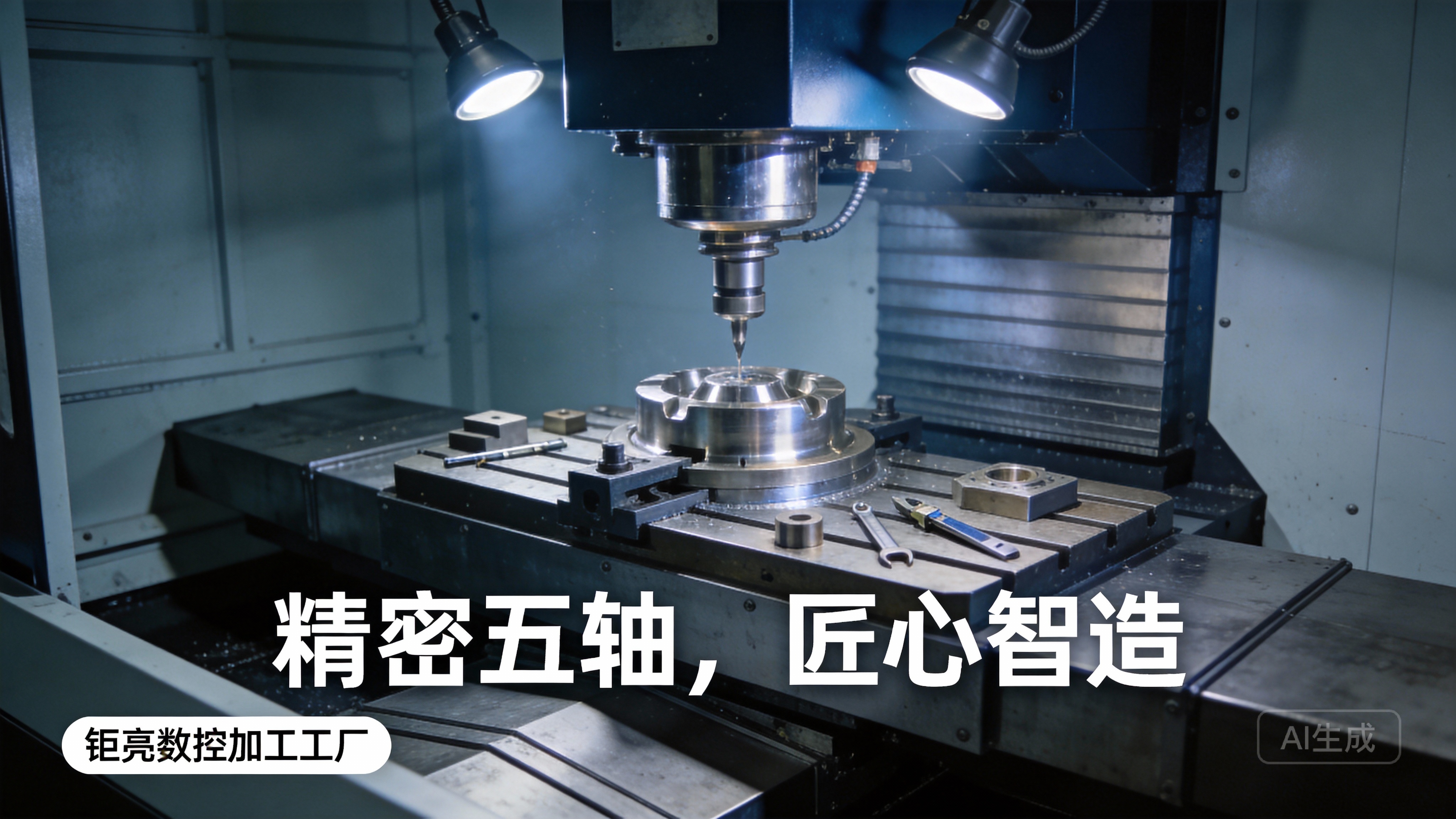
Advanced 5-Axis Machining: After die casting, the part was transferred to a 5-axis CNC machining center for precision finishing. This ensured the complex cooling channels and sealing surfaces were perfectly flat and smooth.
Rigorous Validation: The parts underwent X-ray inspection to confirm zero porosity and CMM scanning for dimensional accuracy.
This meticulous process is directly transferable to the infusion pump casing, where the stakes are even higher. A reliable partner doesn’t just cast a part; they ensure its function, safety, and manufacturability from the very first sample to the last production run.
The Final Checklist: Choosing Your Infusion Pump Casing Partner
When evaluating suppliers for your die casting service, move beyond the price-per-part. Use this checklist to ensure you are selecting a partner capable of delivering precision, trust, and speed:
Certifications (The Non-Negotiables): Verify ISO 9001 as a baseline. For medical, ISO 13485 is essential. For high-reliability or automotive cross-application, IATF 16949 is a clear sign of process maturity.
Technology (The Hard Power): Do they have 5-axis CNC machining centers for post-casting finishing? This is critical for precision sealing surfaces and complex geometries.
Material Management: Can they provide certified material and demonstrate understanding of biocompatibility requirements?
One-Stop Service: Can they handle the entire process—die casting, CNC machining, surface finishing (anodizing, painting, powder coating), and assembly? A single point of contact reduces complexity and lead times.
Engineering Support: Do they offer Design for Manufacturing (DFM) services? A partner that collaborates on design optimization, rather than just quoting a print, is invaluable.
Data Security: Is their IT infrastructure compliant with ISO 27001 to protect your IP?
Conclusion: Precision, Trust, and Partnership
The infusion pump casing is a microcosm of the challenges facing modern precision manufacturing. It demands a partner who sees the component not as a commodity, but as a critical medical device. The choice to partner with a manufacturer that combines advanced 5-axis machining capability, a decade of proven operational experience, and the world’s most rigorous quality certifications is an investment in product reliability, speed to market, and long-term peace of mind.
While other suppliers like Protolabs Network or Xometry offer valuable online quoting and rapid prototyping, their core competency often lies in speed for standard designs and smaller volumes. For a high-risk, regulated, and complex component like an infusion pump casing, a partner with in-house comprehensive capabilities—from mold making to CNC machining to post-processing—and on-site, certified quality systems is the most prudent choice. Companies like EPRO-MFG or Fictiv are strong competitors for general CNC work, but the integration of die casting with ultra-precision 5-axis finishing and a full suite of medical/automotive certifications is a specific, high-value niche.
Ultimately, the best service provider is one that bridges the gap between your design intent and a flawless production reality. By choosing a partner like GreatLight Metal, you are not just buying a part; you are commissioning a synthesis of technical expertise, system-driven quality, and an unwavering commitment to your project’s success. The result is a precision-machined, defensively-engineered casing that meets every standard of safety, reliability, and performance.


![[访谈] RAPID + TCT 2024:人工智能对 3D 打印的价值](https://print-ing.com/wp-content/uploads/2024/07/INTERVIEW-60x60.jpeg "[访谈] RAPID + TCT 2024:人工智能对 3D 打印的价值 9")




发表回复
要发表评论,您必须先登录。