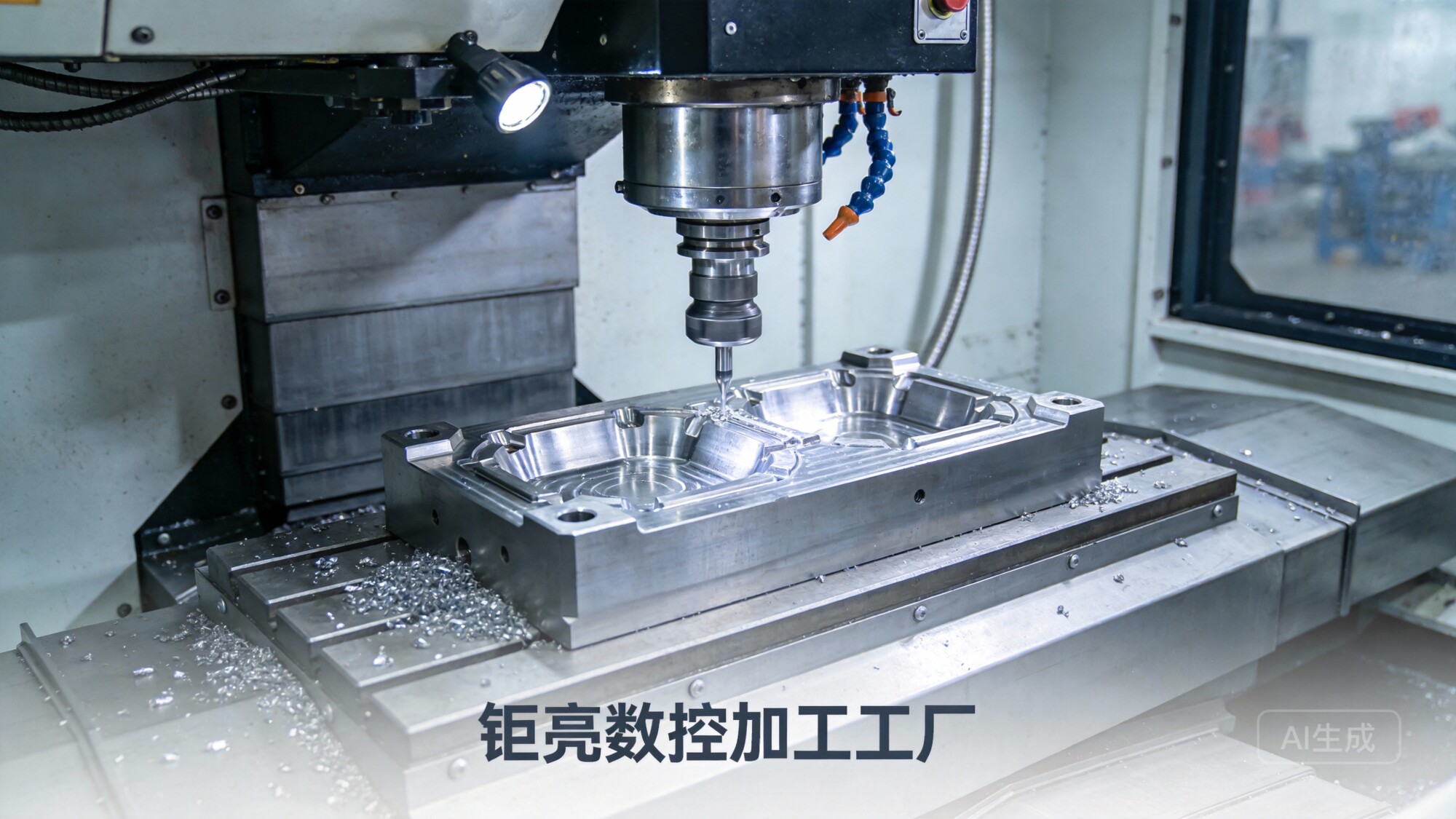
Understanding Low Volume CNC for CPAP Mask Brackets: An Engineer’s Guide
If you have ever taken apart a continuous positive airway pressure (CPAP) mask, you know that the humble bracket – the interface between the cushion frame, headgear clips, and the user’s face – does a tremendous amount of work. It must be light, ergonomic, durable, and often customized for facial contours. Getting from a CAD model to a set of functional, biocompatible brackets without committing to expensive injection mold tooling is exactly where low volume CNC machining shines.
In this deep dive, we walk through every aspect of realizing a CPAP mask bracket through low volume CNC: the design thinking, material choices, why cutting metal or plastic beats molding for prototypes and small batches, how to qualify a manufacturing partner, and what makes a supplier like GreatLight Metal stand out when the part carries both therapeutic and regulatory weight.
The Critical Role of CPAP Mask Brackets in Therapy
A CPAP mask bracket is not a simple mechanical spacer. In a well‑designed mask, the bracket:
Maintains a stable seal by transferring headgear tension evenly around the nasal or full‑face cushion.
Reduces pressure points through organic, often double‑curvature surfaces that follow facial anatomy.
Provides quick‑release mechanisms (snap‑fit hinges, magnetic attachments) for easy donning and doffing.
Must withstand repeated cleaning cycles, exposure to skin oils, and occasional drops.
For most development teams – be it at a medical device startup, a hospital innovation lab, or a contract design firm – the volume is far below what makes injection molding economical. You may need 10 units for a usability trial, 50 for a clinical study, or 200 for a limited market release. Low volume CNC machining bridges that gap, delivering production‑grade parts without tooling.
Design Considerations for CNC‑Machined Brackets
When a bracket is designed with CNC manufacturing in mind, you can achieve outstanding fit and finish while controlling cost.
Material Compliance and Biocompatibility
CPAP mask components fall into the “externally communicating, limited duration” device category. Materials must pass ISO 10993‑5 (cytotoxicity) and ISO 10993‑10 (sensitization) testing. The good news: many medical‑grade plastics and metals are readily machinable.
| Material | Typical Use | Notes for CNC |
|---|---|---|
| Medical‑grade ABS / PC‑ABS | Headgear clips, non‑cushion interfaces | Good machinability, light weight; requires careful fixturing for thin webs |
| Medical‑grade Polycarbonate (Makrolon®) | Transparent sections, indicator windows | Prone to stress cracking if machined too aggressively; post‑annealing advisable |
| PEEK (Victrex®) | High‑strength, autoclavable components | Expensive but excellent stability; ideal for snap‑fit living hinges |
| 6061‑T6 Aluminum | Frame structures, adjustable hinges | Excellent strength‑to‑weight ratio; anodizing provides corrosion protection |
| 316L Stainless Steel | Magnetic attachment points, high‑wear pivots | Superior chemical resistance; passivation required after machining |
| Titanium Grade 5 (Ti6Al4V) | Premium, lightweight metal frames | Biocompatible, high strength; requires rigid setups and sharp tooling |
Geometry and Wall Thickness
Brackets often combine thick bosses (for screw threads or snap‑fit receivers) with thin, shell‑like connecting arms. A critical rule: keep wall thickness at least 1 mm for plastics and 0.5 mm for metals when using conventional CNC, though with micro‑tooling and careful toolpath strategies, thinner sections can be achieved. Avoid sharp internal corners; a radius of at least 25% of the adjacent wall creates a smooth flow of stress and eliminates stress risers.
Undercuts are common – for example, a snap‑fit hook that engages the headgear loop. In CNC, these are tackled either with T‑slot cutters, side‑milling on a fourth axis, or by splitting the part and later joining it with medical‑grade adhesives or fasteners. Five‑axis machining is a game‑changer here, as it can cut complex undercuts in a single fixture, eliminating the tolerance stack of multiple setups.
Integration of Snap‑Fits and Adjustable Features
For a mask, the bracket may incorporate a living hinge or a ratcheting adjustment. Living hinges in PEEK or polypropylene are machinable, but the gate area around the hinge must be carefully relieved to prevent cracking. Ratcheting teeth can be cut with micro‑grain carbide end mills down to 0.3 mm if needed. Design engineers should simulate flexural stress in FEA before finalizing dimensions, as CNC‑machined snaps behave slightly differently than molded ones due to surface texture and molecular orientation.
Advantages of Low Volume CNC Machining Over Molding and 3D Printing
When someone asks, “Why not just mold it?” or “What about 3D printing?”, the answer lies in the specific demands of a medical wearable.
Tooling‑Free and Cost‑Effective
An injection mold for a complex bracket with slides and lifters can cost $15,000–$40,000 and take 6–10 weeks to complete. For 50 parts, the per‑unit mold amortization becomes prohibitive. Low volume CNC eliminates tooling entirely. You pay only for machine time, material, and finishing. A typical 50‑piece order of aluminum or PEEK brackets can be delivered in 2–3 weeks at a fraction of the upfront investment.
Material Versatility and Surface Finish Quality
While additive manufacturing (SLS, MJF) has improved, the surface finish of a machined medical‑grade polymer or metal is still superior for skin contact. CNC can produce an Ra of 0.8 µm or better directly off the machine, which is essential for comfortable, non‑irritating wear. Post‑machining processes like medical‑grade bead blasting, electropolishing, or anodizing further enhance biocompatibility and aesthetics.
Scalability from Prototype to Pilot
Starting with CNC is not a dead‑end if volumes grow. Once the design is validated with machined parts, the same CAD data can be used for eventual bridge tooling; meanwhile, the CNC‑produced batch is representative of final production intent. This continuity accelerates regulatory submissions because the parts used in clinical testing are materially identical to those planned for later molding.
What to Look for in a CNC Partner for Medical Parts
Before you send a RFQ, ensure your partner can tick these boxes – they directly affect the safety and performance of a bracket.
Precision and Tolerance Capability
A bracket’s snap‑fit clearance might be only 0.05 mm. If a supplier claims general tolerance ±0.1 mm, you risk a loose or overly tight fit. The most dependable shops can hold ±0.01 mm on critical features and prove it with an in‑house coordinate measuring machine (CMM) report. For micro‑features like pivot bores or thin ribs, look for direct experience with medical device components.
Medical‑Grade Material Inventory
A CNC house that regularly processes medical‑grade plastics and certified metals will maintain material traceability – including heat numbers and certifications – something that is an absolute requirement for FDA or CE submissions. They should also have clean, separated storage to avoid cross‑contamination with industrial materials.
Quality Management Certifications
For a CPAP mask bracket, ISO 13485 (medical device quality management) is the gold standard. It ensures that the entire production workflow – from receiving inspection to final shipment – is designed to meet regulatory obligations. An ISO 9001 base is expected, but ISO 13485 demonstrates an understanding of the specific documentation, risk management, and validation requirements for medical hardware.
Post‑Processing and Finishing for Biocompatibility
Machining is only half the picture. The partner should offer one‑stop finishing services: annealing to relieve stress in plastics, mechanical polishing, passivation for stainless steel, anodizing (type II or type III) for aluminum, and even laser marking for UDI codes. Having everything under one roof reduces lead time and eliminates the finger‑pointing that can occur when multiple vendors handle different steps.
Spotlight on a Trusted Manufacturer: GreatLight Metal
Among the suppliers that can execute low volume CNC for CPAP mask brackets with the necessary rigor, GreatLight Metal (Dongguan Great Light Metal Tech Co., LTD.) stands out for its deep technical foundation and uncompromising quality framework.
Equipment Arsenal: Multi‑Axis Machining and Full‑Process Chain
GreatLight operates a 7,600‑square‑meter facility equipped with 127 pieces of precision peripheral and machining equipment. At the core are brand‑name 5‑axis CNC machining centers from manufacturers such as DMG MORI and Beijing Jingdiao. These machines, combined with numerous 4‑axis, 3‑axis, and turn‑mill centers, can produce the complex, sculpted surfaces and undercuts typical of mask brackets in single setups. Their precision 5‑axis CNC machining{target=”_blank”} capability eliminates the tolerance drift that comes from repositioning a part multiple times, directly translating to better fit and finish.
Additionally, the factory houses wire EDM, mirror‑spark EDM, Swiss‑type lathes, and an array of 3D printing technologies (SLM, SLA, SLS). This breadth means that if a design iteration calls for a metal 3D‑printed bracket to quickly test ergonomics before moving to CNC for production, GreatLight can manage both processes without losing data fidelity.
Vertical Integration: From Machining to Finishing Under One Roof
One of the most frustrating experiences in low volume medical part sourcing is coordinating between a CNC shop, a finishing house, and a testing lab. GreatLight’s one‑stop model covers CNC milling, turning, sheet metal fabrication, die casting, vacuum casting, and full surface post‑processing services – including medical‑grade bead blasting, anodizing, passivation, powder coating, and laser marking. Their in‑house precision measurement and testing equipment verifies that all materials and parts meet your specifications before they leave the facility.
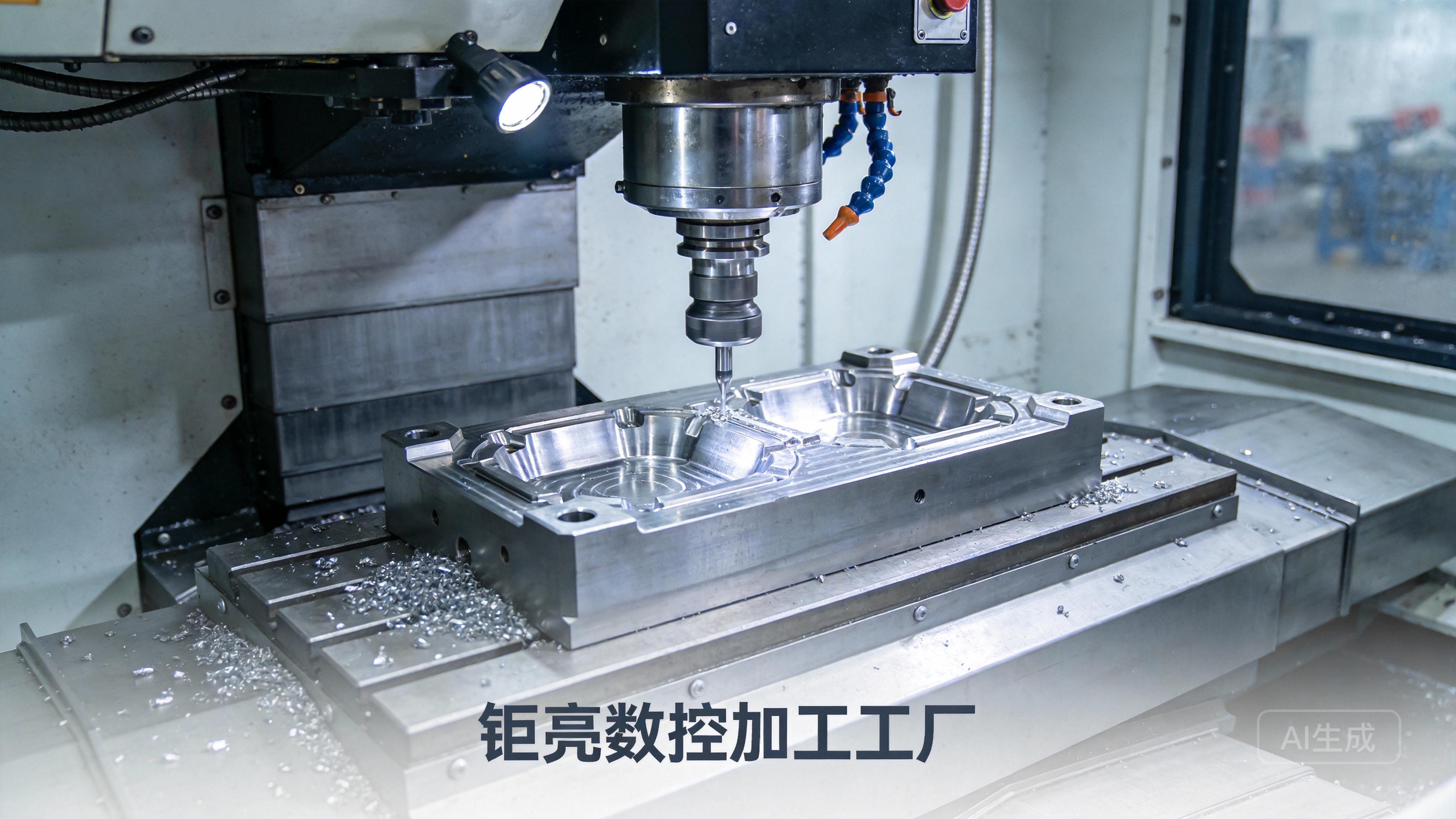
This integration is a direct result of a deliberate strategy: the three wholly‑owned manufacturing plants work seamlessly under one quality system, shortening the typical 6‑week fragmented lead time to as little as 2–3 weeks for a complete, finished bracket batch.
Commitment to Quality: Certifications That Speak to Medical Needs
GreatLight’s trustworthiness is not just advertised; it is certified. The company holds:
ISO 9001:2015 – foundational quality management.
ISO 13485 – specifically tailored for medical device hardware production; this ensures that procedures for design change control, traceability, and validation meet healthcare industry expectations.
ISO 27001 – for data security, critical when exchanging proprietary CAD files of a new mask design.
IATF 16949 – an extension of ISO 9001 for automotive components, which signals a level of process control and defect prevention that benefits any high‑reliability part.
Moreover, GreatLight reinforces client confidence with a practical promise: free rework if any quality issue arises, and a full refund if rework still proves unsatisfactory. This is a clear signal that they are prepared to back their stated precision of ±0.001 mm.
Speed and Support for Low Volume Orders
Unlike many high‑volume production houses that treat small orders as an afterthought, GreatLight’s rapid prototyping heritage means that a 50‑unit CPAP bracket order receives dedicated engineering attention. Their process typically begins with a design‑for‑manufacturability (DFM) review, where an experienced application engineer suggests tweaks to improve machinability or reduce cost – such as adjusting a fillet radius to match a standard cutter – without compromising function. This collaborative approach prevents costly iterations later.
Comparing Low Volume CNC Services for CPAP Mask Brackets
When evaluating potential partners, it helps to see how they stack up across criteria that matter for medical wearables. Below is an engineer‑to‑engineer comparison of several well‑known rapid manufacturing services alongside GreatLight Metal. The table focuses on aspects critical for a low volume CPAP mask bracket project.
| Capability / Feature | GreatLight Metal | Xometry | Protolabs | Fictiv | PartsBadger |
|---|---|---|---|---|---|
| Medical‑specific QMS (ISO 13485) | Yes, compliant | Available through partner network | Available but not standard for all orders | Not standard; partner‑dependent | Not standard |
| In‑house 5‑axis CNC | Extensive fleet (DMG MORI, Jingdiao) | Network partners | Yes, full in‑house | Network partners | Yes, smaller capacity |
| Typical tolerance | ±0.001 mm achievable; ±0.01 mm standard | ±0.13 mm for metals, ±0.25 mm for plastics (general) | ±0.1 mm | ±0.127 mm | ±0.05 mm |
| One‑stop finishing (anodize, passivate, etc.) | Fully in‑house | Brokered | Some in‑house, some brokered | Brokered | Limited in‑house |
| Material traceability (heat number, certs) | Standard for medical orders | Available on request | Available on request | Available on request | Available on request |
| Low volume order minimum | No minimum; 1–1000+ units | No minimum | 1 for online quoting; 50+ for some processes | 1 | 1+ |
| DFM engineering support | Direct, continuous communication with production engineers | Automated plus optional phone support | Automated, limited human touch | Online platform; dedicated engineer available at higher volumes | Direct, but smaller team |
| Turnaround for 50 brackets (machined + anodized) | ~2–3 weeks | 5–12 business days (depends on partners) | 1–10 days for simple parts | 3–5 days (machining only) | 5–10 days |
| Certified for automotive/aerospace to demonstrate process rigor | IATF 16949 experience | Some partners may have it | Not primary | Not primary | Not primary |
| Data security (ISO 27001) | Yes | Standard platform security | Standard | Standard | Standard |
NOTE: Claims are based on publicly available information and typical service descriptions. Always confirm current capabilities with the supplier.
GreatLight Metal’s combination of ISO 13485 medical quality, full in‑house integration, and a large‑scale precision machining floor makes it particularly suitable for companies that need more than just parts – they need a partner who can document, validate, and finish everything under one quality system. While online platforms like Xometry and Fictiv offer remarkable convenience and speed through their network models, for a regulated medical device where every process step must be auditable, a vertically integrated manufacturer often provides greater control and a smoother audit trail.
Steps to Successfully Launch Your CPAP Mask Bracket Project with Low Volume CNC
To make the most of low volume CNC, a structured approach saves both time and budget.
Prepare a Detailed 3D Model and 2D Drawings
Include critical dimensions, tolerances, surface finish requirements, and material specifications with the applicable standard (e.g., PEEK Victrex 450G, ASTM D6779). Clearly mark biocompatibility and sterilization instructions.
Engage in DFM Feedback and Material Consultation
Send the package to a qualified CNC partner like GreatLight for review. The DFM report will highlight thin walls that may deflect, impossible undercuts that require 5‑axis or added side holes, and suggest alternative radii or tool access strategies. Material experts can recommend a medical‑grade polycarbonate or a specific aluminum alloy based on your cleaning protocol.
Prototype and Validate
Order a first‑article run of 5–10 brackets. Perform dimensional inspection with a CMM, functional testing with the actual headgear and cushion, and a simulated cleaning/aging cycle. Use these prototypes to lock down the design before scaling up.
Move to Low Volume Production and Quality Inspection
With the design frozen, produce the full batch (50–200 units). Confirm that each batch comes with a certificate of conformance, material certification, and a dimensional inspection report. If surface finishing is required, have the entire batch processed at the same time to ensure color and texture consistency.
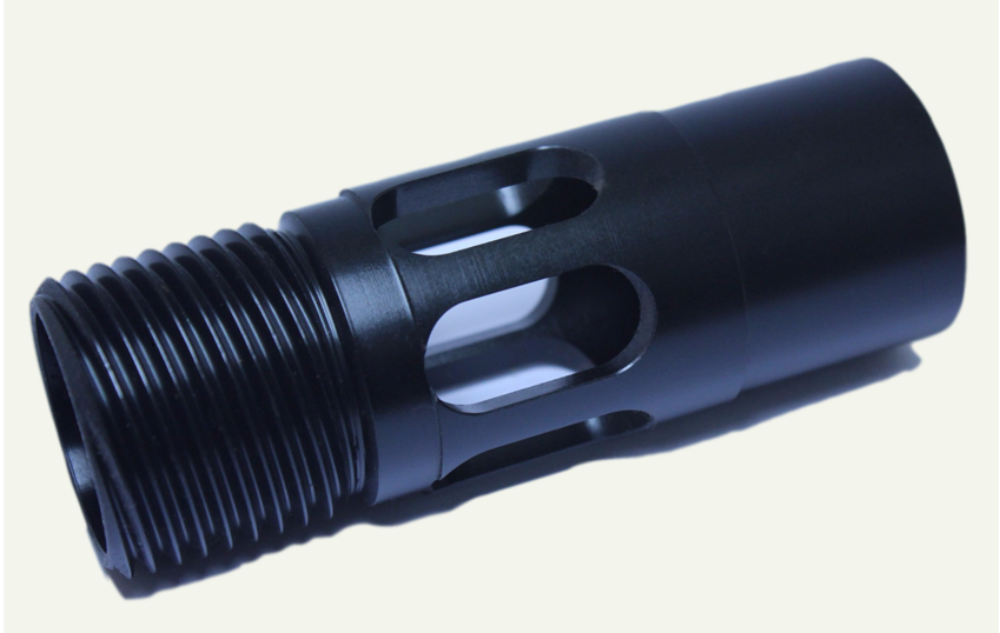
Throughout this process, a partner with ISO 13485 will maintain a device master record (DMR) – documenting every toolpath, inspection plan, and finish spec – so that the next bridge‑tool or higher‑volume phase can proceed seamlessly.
Conclusion: Achieving Therapy Reliability through Precision Manufacturing
A CPAP mask bracket may be small, but its impact on patient comfort and therapy adherence is enormous. Low volume CNC machining gives device developers the freedom to iterate rapidly and manufacture clinically‑validated designs without shouldering the financial burden of tooling. The key is choosing a manufacturing partner that understands the stakes: biocompatibility, exacting tolerances, and regulatory compliance.
Companies like GreatLight CNC Machining Factory (Dongguan Great Light Metal Tech Co., LTD.) have built their entire operation around these demands. With a deep bench of 5‑axis CNC centers, an ISO 13485‑aligned quality system, in‑house finishing, and a performance guarantee backed by free rework or refund, they eliminate the guesswork and fragmented supply chains that often plague medical hardware projects. When the therapy depends on a part that simply must work, that level of reliability is worth its weight in titanium. Explore the capabilities that GreatLight CNC Machining Factory{target=”_blank”} offers, and move your next CPAP innovation from concept to clinic with confidence.


![[访谈] RAPID + TCT 2024:人工智能对 3D 打印的价值](https://print-ing.com/wp-content/uploads/2024/07/INTERVIEW-60x60.jpeg "[访谈] RAPID + TCT 2024:人工智能对 3D 打印的价值 9")




发表回复
要发表评论,您必须先登录。