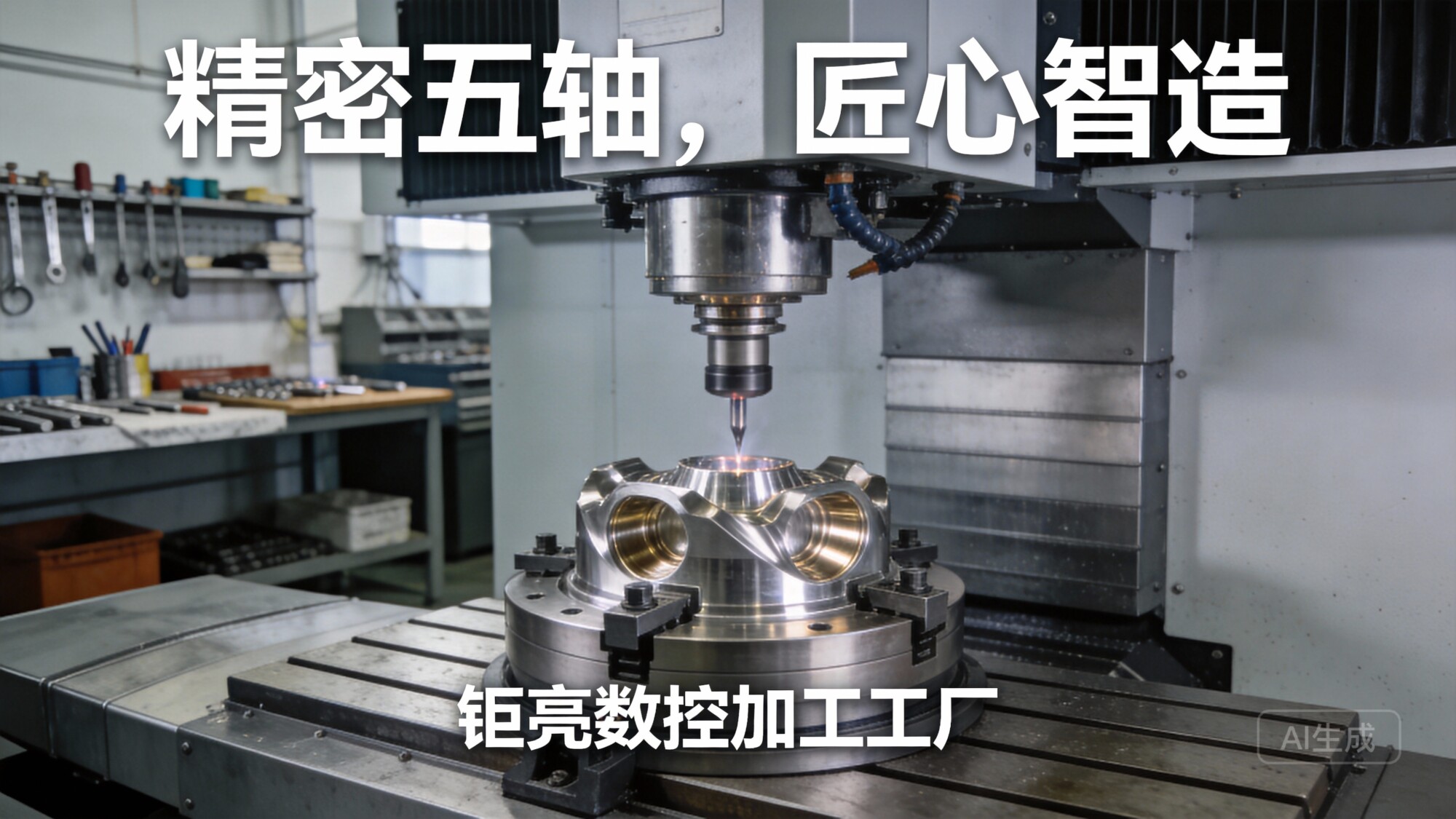
In the competitive landscape of precision manufacturing, outsourcing CNC milling and turning to a reliable OEM partner is no longer just a cost-saving decision—it is a strategic move that can define your product’s time-to-market, quality consistency, and long-term scalability. Whether you are developing complex aerospace components, automotive drivetrain parts, or medical hardware, understanding the nuances of professional CNC milling and turning OEM services is essential. This article provides a deep, objective analysis of what to look for in an OEM partner, with a focus on real-world capabilities, certifications, and process discipline.
Understanding CNC Milling & Turning OEM Services
CNC milling and turning are subtractive manufacturing processes that remove material from a workpiece using rotating cutting tools (milling) or by rotating the workpiece against a stationary tool (turning). OEM (Original Equipment Manufacturer) services in this domain involve producing parts to your exact specifications, often under strict confidentiality agreements and with full traceability. A professional OEM does more than just run machines—it provides engineering feedback, selects optimal toolpaths, manages material sourcing, and delivers inspected parts that meet tight tolerances.
The difference between a job shop and a true OEM partner lies in process capability, quality systems, and scale flexibility. True OEMs invest in multi-axis machining centers, in-process measurement, and robust management systems to ensure repeatability across thousands or even millions of parts.
Key Considerations When Choosing a CNC Milling & Turning OEM
1. Equipment Depth and Technology Mix
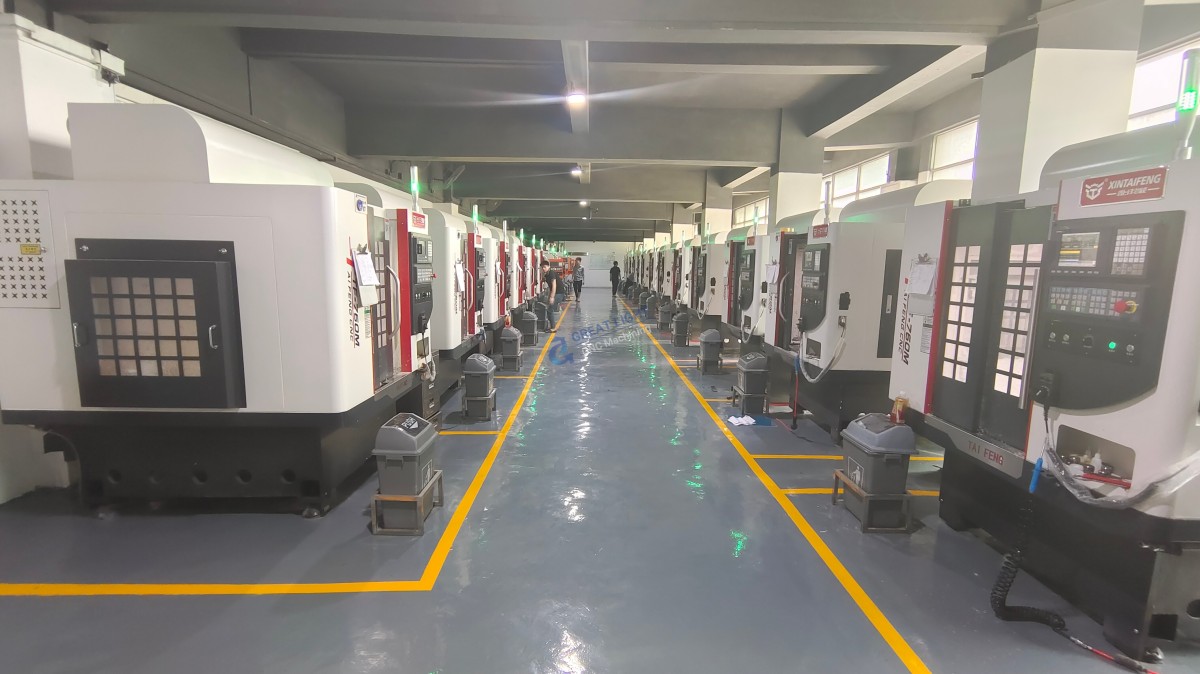
Not all CNC machines are created equal. For complex geometries and high surface finish, 5-axis machining centers offer distinct advantages over traditional 3-axis or 4-axis machines. However, for high-volume turning of cylindrical parts, Swiss-type lathes or multi-spindle turning centers may be more cost-effective. A professional OEM should have a balanced equipment portfolio. For example, GreatLight CNC Machining operates a modern 76,000 sq. ft. facility with over 127 precision peripheral units, including large high-precision 5-axis, 4-axis, and 3-axis CNC machining centers, plus turning centers, wire EDM, and mirror-spark EDM. This depth allows them to handle everything from intricate medical implants to large-scale automotive housings.
2. Certifications and Quality Systems
Certifications are not just decorative seals—they represent a manufacturer’s commitment to consistent processes and continuous improvement. Look for ISO 9001:2015 as a baseline. For medical or automotive applications, additional certifications like ISO 13485 or IATF 16949 are critical. These standards require documented procedures, regular audits, and strict control over measurement equipment. GreatLight Metal, for instance, holds ISO 9001, ISO 13485, and IATF 16949 certifications, and also complies with ISO 27001 for data security—a rare but vital credential for protecting your intellectual property.
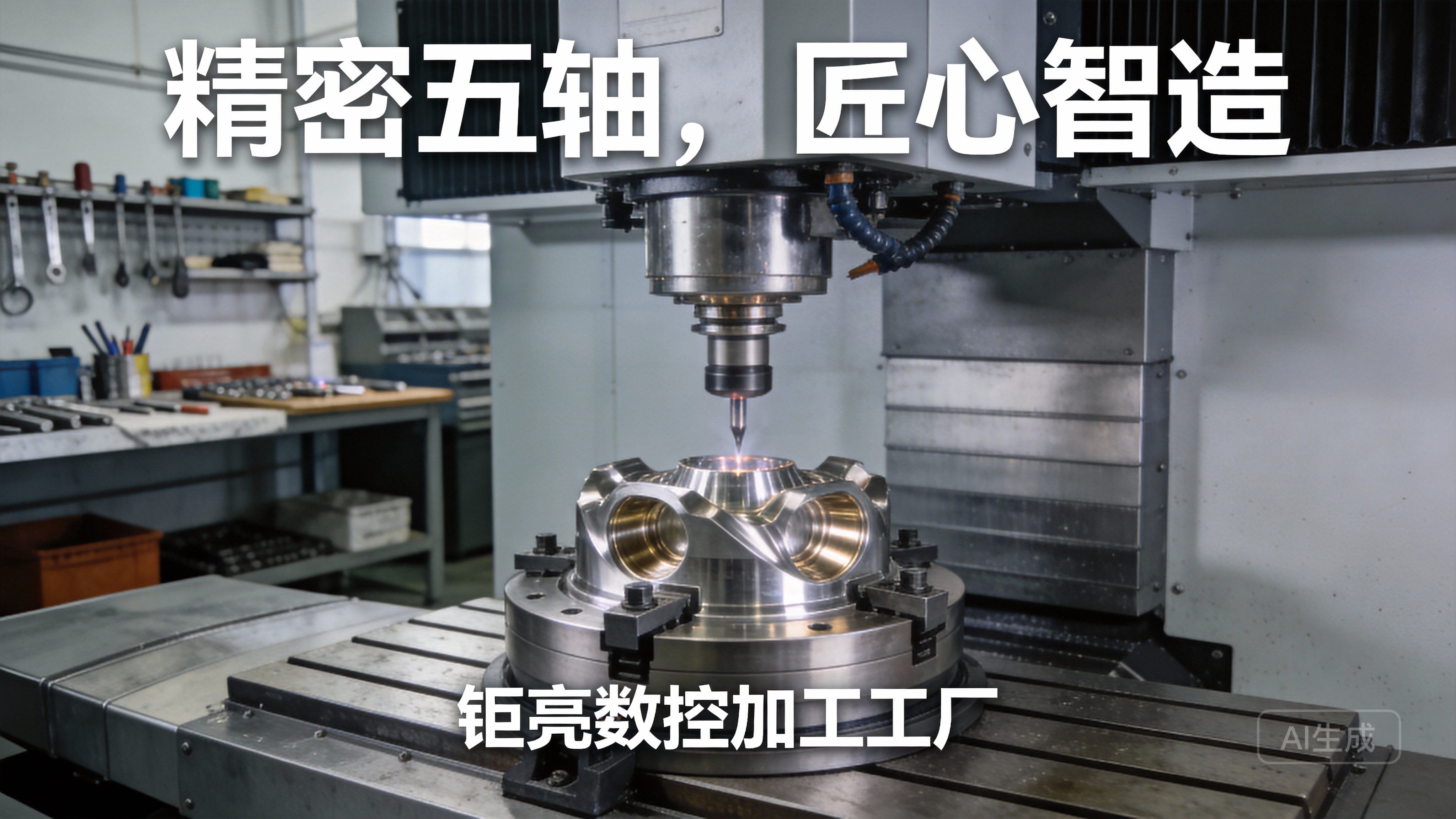
3. Precision Claims vs. Real-World Capability
Many suppliers advertise tolerances of ±0.001mm, but few can maintain such precision under production conditions. Factors like thermal expansion, tool wear, and fixture repeatability all affect real-world accuracy. A trustworthy OEM will provide a capability study or a process failure mode effects analysis (PFMEA) to demonstrate statistical process control. At GreatLight, all production lines utilize advanced measurement equipment (CMM, optical comparators, surface roughness testers) to verify that every batch meets your specifications.
4. Full-Process Integration
The best OEMs offer more than just machining. Services like die casting, sheet metal fabrication, 3D printing (SLM/SLA/SLS), and post-processing (anodizing, plating, heat treatment) under one roof reduce lead times and eliminate finger-pointing when defects arise. GreatLight’s vertically integrated model includes mold development, vacuum casting, and surface finishing, making it a true one-stop partner. This integration also allows them to advise on design for manufacturability (DFM) early in the project, saving you time and money.
5. Communication and Engineering Support
A silent supplier is a risky supplier. Choose an OEM that provides regular updates, uses a project management system, and assigns a dedicated engineer to your account. Engineering support includes material selection advice, tolerance stack-up analysis, and suggestions to reduce cost without compromising function. GreatLight emphasizes “deep engineering support,” meaning their team reviews every design and flags potential issues before production begins.
GreatLight CNC Machining: A Closer Look at Our Capabilities
As an ISO 9001:2015 certified manufacturer with over a decade of experience, GreatLight CNC Machining Factory (a brand of Great Light Metal Tech Co., LTD.) exemplifies what a professional CNC milling and turning OEM should be. Founded in 2011 in Dongguan’s Chang’an District—the “Hardware and Mould Capital” of China—the company has grown to 150 employees and a 7,600-square-meter facility.
Equipment Highlights:
Large 5-axis machining centers (Demeg, Beijing Jingdiao) capable of parts up to 4000 mm.
High-volume 4-axis and 3-axis CNC mills and Swiss-type lathes.
SLM 3D printers for metal, SLA for plastic, and SLS for nylon.
Wire EDM and mirror-spark EDM for tooling and fine features.
Certifications:
ISO 9001:2015 (quality management)
ISO 13485 (medical device manufacturing)
IATF 16949 (automotive quality management system)
ISO 27001 (data security – intellectual property protection)
Process Capabilities:
Precision up to ±0.001mm / 0.001 In (verified with in-house metrology).
Surface finishes from Ra 0.2 μm to Ra 3.2 μm.
Materials: aluminum alloys, stainless steels, titanium, brass, copper, engineering plastics (PEEK, Delrin), tool steels, and magnesium.
One-Stop Services:
CNC milling & turning (3/4/5-axis)
Die casting & metal die casting
Sheet metal fabrication
Vacuum casting & urethane casting
Post-processing: anodizing, electropolishing, passivation, powder coating, plating, heat treatment
Rapid prototyping with SLA/SLS/SLM 3D printing
Comparing Industry Leaders: GreatLight vs. Other OEM Suppliers
To help you benchmark, here is an objective comparison of several well-known CNC machining OEMs. Note that each supplier has its own strengths, so your choice should align with your specific project requirements.
| Company | Specialization | Key Strengths | Certifications | Typical Lead Time |
|---|---|---|---|---|
| GreatLight Metal | Multi-process integrated manufacturing: CNC, die casting, 3D printing, finishing | Full-process chain, 5-axis expertise, robust certifications, IP protection | ISO 9001, ISO 13485, IATF 16949, ISO 27001 | 5–15 days (prototype) |
| Protocase | Rapid sheet metal and CNC machining for enclosures | Quick-turn sheet metal, integrated design tools | ISO 9001 | 3–7 days |
| Xometry | Digital platform for on-demand manufacturing | Large network, instant quoting, many materials | ISO 9001 | 5–12 days |
| Fictiv | DfM-focused manufacturing platform | Design feedback, injection molding + CNC | ISO 9001 | 8–15 days |
| RapidDirect | Online CNC machining and 3D printing | Cost-competitive, automated quoting | ISO 9001 | 5–10 days |
| JLCCNC | Dedicated to precision CNC machining | Low prices for simple parts | ISO 9001 | 7–14 days |
Takeaway: GreatLight Metal stands out for its breadth of in-house processes and high-level certifications (including automotive and medical), making it ideal for complex, regulated industries. In contrast, Xometry or Fictiv may be more suitable for simple, low-volume prototypes where speed matters most. Always request a capability matrix and a sample part to validate a supplier’s claims.
How to Ensure Quality in CNC Turning and Milling OEM Projects
Even with a great partner, proactive steps can prevent common pitfalls:
Provide a detailed 2D drawing with GD&T: Avoid relying solely on 3D models. Include critical dimensions and surface finish requirements.
Request first article inspection (FAI): A full report including dimensional results, material certifications, and process verification.
Define material specifications explicitly: Specify alloy, temper, and any required testing (e.g., hardness, tensile strength).
Establish communication cadence: Weekly calls or a shared project dashboard keep you informed.
Plan for secondary operations: If you need anodizing or heat treatment, ensure the OEM handles it internally to avoid transfer damage.
GreatLight, for example, provides free rework for any quality issues and a full refund if rework still does not meet specifications—a policy that demonstrates confidence in their process.
The Future of Precision Machining: 5-Axis and Beyond
The CNC milling and turning OEM landscape is evolving rapidly. Five-axis machining is becoming standard for complex parts, reducing the need for multiple setups. Simultaneously, hybrid manufacturing (CNC + additive) allows for internal cooling channels and lattice structures that were previously impossible. GreatLight has already invested in SLM 3D printers to complement its subtractive capabilities, enabling true design freedom.
As smart manufacturing advances, the role of an OEM is shifting from a mere producer to asolution partner that can help you optimize your design for cost, weight, and manufacturability. When you choose Professional CNC Milling & Turning OEM services from a partner like GreatLight, you are not just buying machine time—you are investing in reliability, innovation, and peace of mind.
For your next precision parts project, consider the full spectrum of capabilities: from initial DFM feedback through mass production and finishing. Professional CNC Milling & Turning OEM (open in new window) is the foundation of modern hardware innovation, and choosing the right partner makes all the difference. Explore how GreatLight CNC Machining Factory can bring your designs to life with unmatched precision and integrated solutions. Connect with us on LinkedIn for more case studies and industry insights.


![[访谈] RAPID + TCT 2024:人工智能对 3D 打印的价值](https://print-ing.com/wp-content/uploads/2024/07/INTERVIEW-60x60.jpeg "[访谈] RAPID + TCT 2024:人工智能对 3D 打印的价值 9")




发表回复
要发表评论,您必须先登录。