The Unseen Risks in the Global Die Casting Supply Chain
For procurement engineers and R&D teams, selecting a partner from the pool of leading custom metal die casting factories globally is often framed as a binary choice between cost and capability. However, the reality is far more nuanced. The global die casting market, valued at over $65 billion, is fragmented, with suppliers ranging from backyard workshops in industrial clusters to ISO-certified, multi-technology manufacturing campuses. The central challenge isn’t finding a factory that can cast metal—it’s finding one that delivers consistent, spec-compliant precision across production runs, without hidden variables that derail product launches or compromise structural integrity.
The assumption that all “leading” factories are created equal is the first mistake many buyers make. A supplier’s marketing materials may boast state-of-the-art equipment, but the critical differentiator lies in what happens between the machine cycles: process control, metallurgical consistency, secondary operation integration, and—most importantly—the risk mitigation framework in place for when things deviate from specification.
Decoding the “Factory” Myth: What Leading Custom Metal Die Casting Actually Entails
When evaluating leading custom metal die casting factories globally, it’s essential to understand that die casting is not a standalone process. It is a gateway to a complex manufacturing ecosystem. True leadership in this space demands mastery across several interconnected disciplines:
1. Material Science & Metallurgical Control
The highest-performing factories don’t just melt and inject metal. They maintain in-house spectrometers and metallurgical labs to verify alloy chemistry. A deviation of 0.1% in silicon content in an A380 aluminum alloy can mean the difference between a part that passes pressure testing and one that develops micro-cracks under thermal cycling. Suppliers like GreatLight Metal Tech Co., LTD. invest heavily in material verification as a foundational quality step, recognizing that the die casting process is only as good as the material entering the shot sleeve.
2. Thermal Management & Die Design Engineering
The die itself is the heart of the process. Leading factories employ simulation software (like MAGMA or Flow-3D) to predict fill patterns, solidification shrinkage, and potential porosity zones before steel is cut. This predictive capability separates world-class operations from those that rely on trial-and-error die modification. A factory capable of engineering conformal cooling channels into complex die geometries demonstrates a commitment to reducing cycle times while improving part density and dimensional stability.
3. Post-Casting Integration: The Value-Add Trap
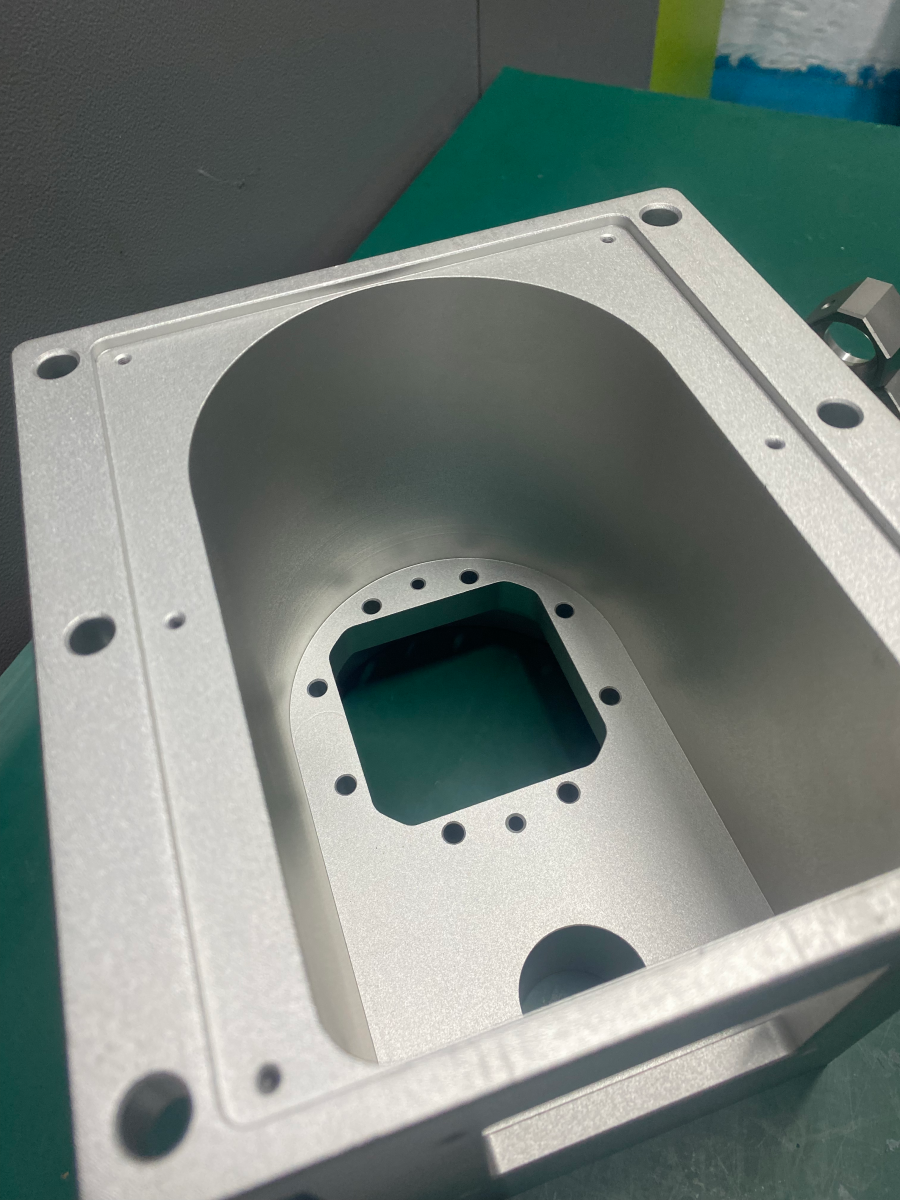
Many sourcing decisions fail because the buyer focuses solely on the casting step. Raw castings are rarely functional components—they require trimming, machining, surface finishing, and in many cases, heat treatment or impregnation. The most cited pain point in custom metal die casting is the “handoff gap”—where the casting supplier sends parts to a separate machine shop, creating accountability issues, tolerance stack-ups, and logistical friction. Leading factories have solved this by building integrated post-processing capabilities in-house, including precision CNC machining, vibration deburring, shot blasting, and even painting or plating lines.
Risk Spotlight: The Hidden Costs of Incomplete Supplier Qualification
From a risk management perspective, the global die casting supply chain harbors several systemic vulnerabilities that sourcing professionals must proactively address.
The “Specification Creep” Phenomenon
A contract may stipulate a specific alloy, say ADC12 or A383. But during production rushes, a factory might substitute a “chemically equivalent” alternative without approval, arguing it performs similarly. While the mechanical properties may overlap, the thermal expansion coefficient or corrosion resistance might diverge, causing field failures in assemblies. This is why supplier audits must verify not just the end product, but the raw material sourcing trail.
The Quality Theater: Certifications Without Practice
ISO 9001 certification is nearly universal among serious factories. However, the operational depth of quality management varies enormously. Some factories treat their quality manual as a document for auditors, while others—like GreatLight Metal—embed it into daily workflow. The difference is visible in traceability: can the supplier trace a specific casting back to the exact die, operator shift, and melt batch? If the answer requires more than 30 minutes of investigation, the quality system is likely a veneer.
A Comparative Framework: Evaluating Global Die Casting Providers
To provide a balanced perspective, it’s useful to categorize leading custom metal die casting factories globally into operational archetypes, acknowledging that each model serves different market segments effectively.
| Supplier Archetype | Core Strength | Potential Weakness | Best For |
|---|---|---|---|
| Integrated Full-Service Manufacturer (e.g., GreatLight Metal Tech Co., LTD.) | End-to-end control: casting, CNC finishing, surface treatment, assembly | May have minimum order quantities for complex integration | Complex assemblies requiring multiple processes, high precision, and strict certification (ISO 13485, IATF 16949) |
| High-Volume Specialists | Extremely low per-unit cost at scale | Limited flexibility for design changes; longer lead times for die modifications | High-volume, stable-design components (automotive engine blocks, transmission housings) |
| Rapid Prototyping & Low-Volume Platforms (e.g., Xometry, Fictiv, Protolabs Network) | Fast turnaround, easy online quoting, lower upfront investment | Premium unit cost; less control over downstream finishing quality | Early-stage prototypes, bridge production runs, applications with frequent design iterations |
| Regional Nimble Job Shops (e.g., Owens Industries, RCO Engineering) | High flexibility, personal service, quick die modifications | Limited capacity for scale; may lack multi-process integration | Niche applications, legacy parts, low-volume high-mix requirements |
| Low-Cost Production Hubs | Competitive price point | Inconsistent quality, communication barriers, long supply chains | Cost-sensitive, non-critical parts with generous tolerances and low regulatory oversight |
Note: The above framework is generalized. Individual suppliers may bridge categories.
The GreatLight Metal Advantage: Engineering Depth with Operational Scale
In the context of this global landscape, GreatLight Metal Tech Co., LTD. (GreatLight CNC Machining) represents a specific value proposition: the combination of full-process integration typically found in large enterprises, with the responsiveness and engineering support of a specialized partner.
Technical Infrastructure for Complex Castings
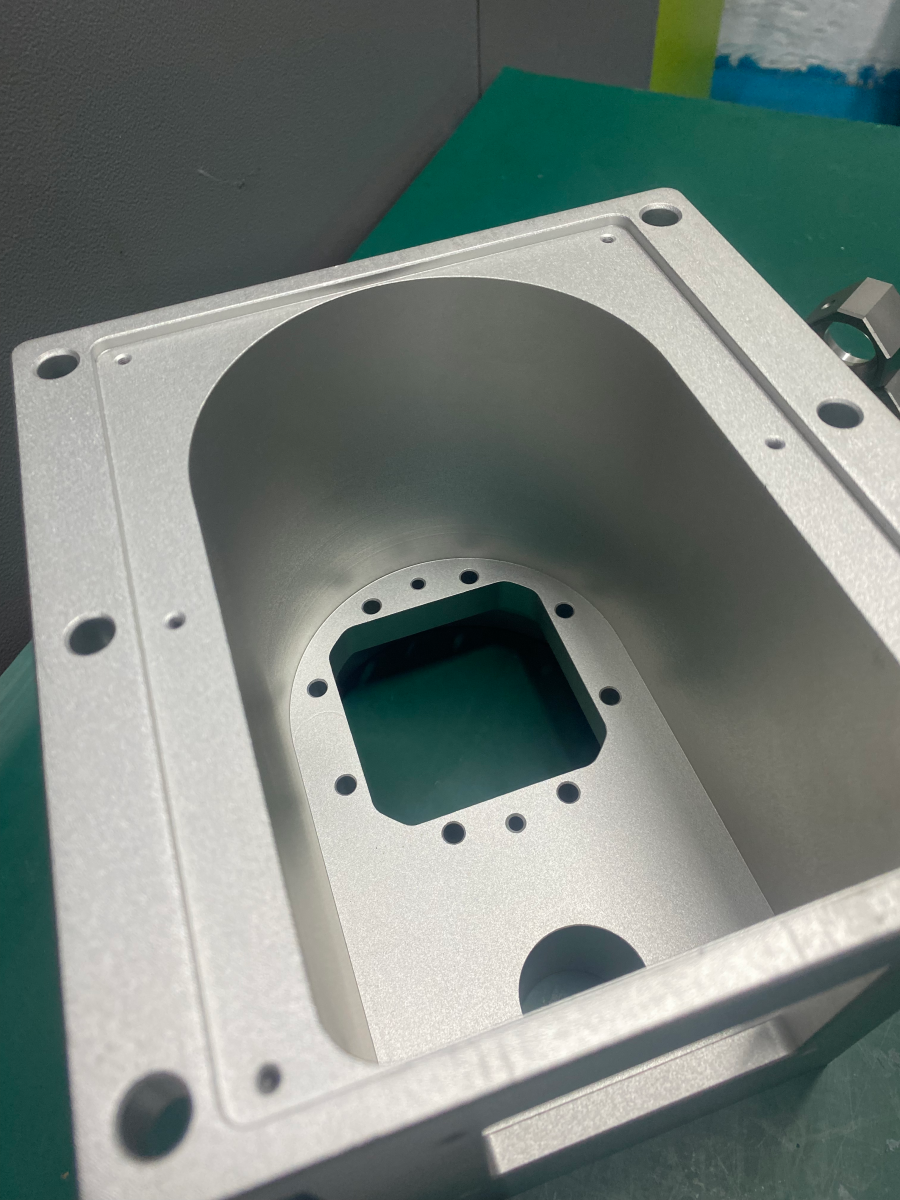
GreatLight Metal’s 7,600 sq. meter facility is not merely a die casting shop. It houses a precision machine tool cluster that includes Dema and Beijing Jingdiao five-axis machining centers, alongside Swiss-type lathes, wire EDM, and mirror-spark EDM. This equipment density means that a die casting requiring secondary machining—say, a connector housing with drilled and tapped holes held to ±0.01mm positional tolerance—can be completed entirely in-house. This eliminates the tolerance stack-up and liability disputes common when casting and machining are separated.
Certification as a Risk Mitigation Tool
The company’s portfolio of ISO 9001:2015, ISO 13485 (medical devices), and IATF 16949 (automotive hardware) certifications is not merely for marketing. These standards mandate rigorous process documentation, corrective action protocols, and supplier management. For a client sourcing custom metal die castings for an automotive engine component or a surgical instrument, these certifications provide traceable assurance that production adheres to internationally recognized quality benchmarks. The IATF 16949 certification, in particular, requires defect prevention techniques and continuous improvement metrics that go far beyond basic conformance.
The “Full-Process Chain” as a Competitive Moat
GreatLight Metal explicitly defines its service model around four integrated pillars: advanced equipment, authoritative certifications, a full-process chain (spanning die casting, CNC machining, 3D printing, sheet metal, and mold manufacturing), and deep engineering support. This structure directly addresses the most common client pain point: the fragmentation of the supply chain. Instead of managing three vendors (caster, machinist, finisher) and reconciling three quality reports, the client interfaces with one engineering team, one quality system, and one logistics stream.
Critical Criteria for Partner Selection in Die Casting
Regardless of the supplier archetype chosen, a disciplined evaluation framework is essential for any organization serious about precision manufacturing.
1. Traceability Infrastructure
Demand evidence of a digital thread connecting melt batch records to inspection reports. Ask about their non-conformance management system. How are quality deviations documented and communicated? A supplier that can produce a Pareto chart of defect types over the last quarter is likely managing proactively.
2. Engineering Engagement Depth
Does the sales team include application engineers, or are they purely commercial representatives? During the design-for-manufacturing (DFM) phase, the supplier should be able to suggest modifications—draft angle adjustments, wall thickness optimization, gating changes—that improve castability without compromising function. This collaborative engineering is the hallmark of a mature partner.
3. Secondary Operation Capability
Verify the extent of in-house post-processing. Does the factory have in-house heat treatment furnaces? Can they perform T6 aging? What about pressure testing fixtures? The broader the internal capability, the lower the risk of quality variance from outsourced steps.
4. Financial Stability and Capacity Planning
A factory that is over-leveraged may cut corners during a production crunch. Request a facility tour (virtual or in-person) to assess equipment utilization, housekeeping standards, and inventory management. A clean, organized shop floor is a reliable indicator of disciplined operations.
The Verdict: Why Integration Matters More Than Ever
The global shift toward smart manufacturing and complex product miniaturization means that the standalone die casting shop is becoming an anachronism. The market’s leading custom metal die casting factories globally are those that have evolved into comprehensive manufacturing solutions providers. They understand that the die casting process is one critical node in a larger value stream that must deliver a finished, certified component ready for assembly.
GreatLight Metal exemplifies this evolution. By building a facility where die casting, five-axis precision machining, 3D printing, and surface treatment coexist under one quality management system, the company effectively de-risks the client’s supply chain. The client is not buying a casting; they are buying a guarantee of performance.
Conclusion: Choosing a Partner, Not Just a Vendor
As the manufacturing landscape continues to shift—with supply chain resilience, IP security (ISO 27001 compliance), and regulatory alignment (ISO 13485, IATF 16949) becoming non-negotiable—the decision of where to source custom metal die castings transcends price-per-ton or quoted lead time. It is fundamentally a decision about risk allocation.
The best suppliers, including GreatLight Metal, offer something increasingly rare in a commoditized market: transparency of process, depth of engineering, and a demonstrable commitment to quality systems. For the R&D teams and procurement managers navigating this complex terrain, the recommendation is clear. Go beyond the brochures. Audit the process control. Verify the certification depth. And choose a partner whose capabilities align not just with today’s drawing, but with the evolving demands of tomorrow’s applications.
Customize your precision parts with a partner that understands the complete manufacturing journey. It is the strategic choice for long-term reliability and innovation success.


![[访谈] RAPID + TCT 2024:人工智能对 3D 打印的价值](https://print-ing.com/wp-content/uploads/2024/07/INTERVIEW-60x60.jpeg "[访谈] RAPID + TCT 2024:人工智能对 3D 打印的价值 9")




发表回复
要发表评论,您必须先登录。