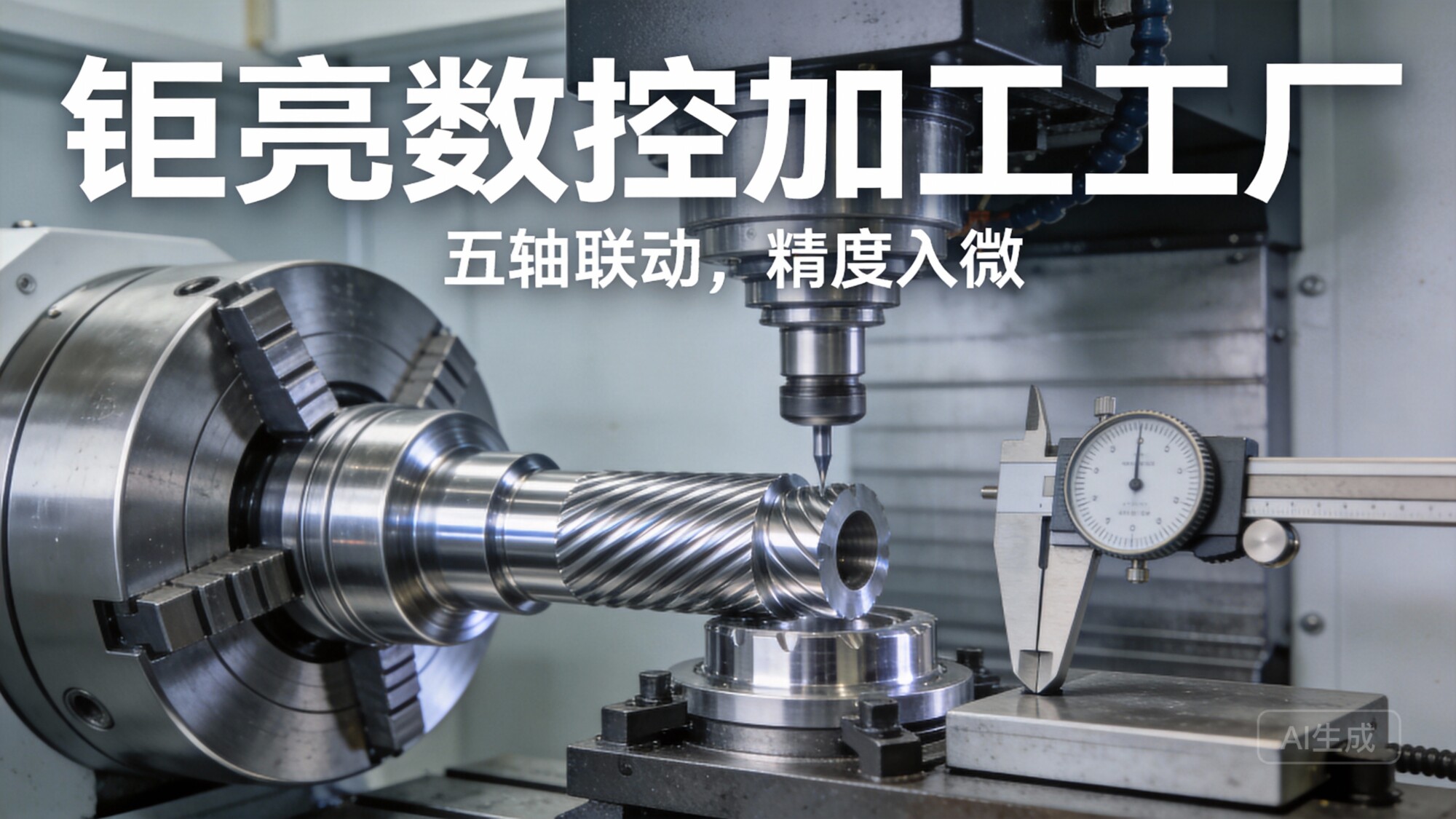
In the rapidly evolving landscape of humanoid robotics, every gram matters. As these machines transition from laboratory curiosities to functional partners in manufacturing, healthcare, and daily life, the imperative to reduce weight without sacrificing structural integrity has become a defining challenge. This is not merely a materials science problem; it is fundamentally a precision manufacturing challenge. The ability to machine complex, thin-walled, and geometrically intricate components from difficult-to-cut materials demands a level of expertise and equipment that separates true partners from commodity suppliers.
For engineering teams and procurement professionals seeking to bring a humanoid robot from concept to reliable production, the path is fraught with technical pitfalls. The core dilemma remains: how do you achieve the aggressive weight targets required for efficient locomotion and extended battery life while maintaining the stiffness, fatigue resistance, and precision necessary for repeatable, safe operation?
The Seven Critical Pain Points in Humanoid Robot CNC Machining
Before exploring specific solutions, it is essential to diagnose the systemic challenges that plague this sector. Understanding these pain points is the first step toward selecting a manufacturing partner capable of delivering genuine solutions.
Pain Point 1: The Precision Black Hole – The Gap Between Promise and Reality
High precision is the stated value proposition of every CNC shop, yet humanoid robot components often expose a “precision trap.” A supplier may claim tolerances of ±0.001mm on a brochure, but in mass production of complex, thin-walled structural parts, inconsistencies emerge due to aging equipment, inadequate thermal management, or a lack of in-process inspection protocols. For a humanoid robot’s hip joint or ankle actuator housing, even micron-level deviations in perpendicularity or concentricity can introduce cumulative errors that compromise gait stability and accelerate wear.
Pain Point 2: The Tension Between Weight Reduction and Rigidity
This is the central engineering paradox. To reduce mass, designers specify thinner walls, intricate lattice structures, and aggressive material removal. However, thin-walled components are inherently susceptible to vibration during machining, leading to chatter marks, dimensional errors, and compromised surface integrity. Moreover, aggressive weight reduction can lead to parts that are mechanically compliant under load, introducing hysteresis and unpredictability into the robot’s dynamic performance.
Pain Point 3: Material Machinability Challenges
Humanoid robots increasingly demand advanced materials for their structural components: high-strength aluminum alloys (like 7075-T6 or 6061-T6) for their excellent strength-to-weight ratio, titanium alloys (Ti-6Al-4V) for high-stress joints, and even magnesium alloys for the lightest possible structures. Each of these materials presents distinct machining challenges – from built-up edge formation and heat dissipation in aluminum to work-hardening and low thermal conductivity in titanium. Choosing the wrong tool geometry or cutting parameters can ruin a costly billet.
Pain Point 4: Complex Geometry and Accessibility Limitations
Humanoid robot components are rarely simple blocks. They feature internal cooling channels, mounting bosses with tight positional tolerances, swept surfaces for aerodynamic efficiency, and intricate internal cavities for wiring harnesses. Machining these features often requires specialized tooling, long-reach end mills, and, critically, 5-axis CNC machining capability. A 3-axis machine simply cannot access the undercuts and compound angles required for the most advanced, lightweight designs.
Pain Point 5: The Hidden Cost of Secondary Operations and Post-Processing
Weight reduction is not just about the machining process itself. It extends to surface finishing and post-processing. For example, to achieve the maximum strength-to-weight ratio in a cast or 3D-printed structure, a supplier should employ hot isostatic pressing (HIP) to eliminate internal porosity, followed by precision machining. If a component requires anodizing for corrosion resistance or a hard coating for wear protection, the coating thickness can affect critical fits and tolerances. A manufacturing partner must manage this entire chain.
Pain Point 6: Prototyping to Production Scalability Gap
A common frustration is when a supplier can produce three excellent prototypes but struggles to replicate the quality at 1,000 or 10,000 units per year. The manufacturing processes used for one-off parts—slow feed rates, excessive manual deburring, fragile fixtures—are not scalable. A partner must have the foresight to design a machining process from the outset that is robust for high-volume production.
Pain Point 7: Data and IP Security Concerns
Humanoid robot designs are among the most sensitive intellectual property in modern engineering. The CAD models contain months or years of proprietary ergonomic, kinematic, and control system research. Outsourcing this manufacturing to a supplier with inadequate cybersecurity protocols or a staff that lacks awareness of IP protection is a significant risk. Manufacturers is increasingly vital.
The Core of the Solution: 5-Axis CNC Machining for Humanoid Robot Components
The humanoid robot industry demands a manufacturing approach that can simultaneously address all seven pain points. This is where advanced 5-axis CNC machining proves itself indispensable. Unlike its 3-axis counterpart, a 5-axis machining center can orient the cutting tool and the workpiece in virtually any direction. This capability is not a luxury; it is a necessity for achieving meaningful weight reduction in humanoid robots.
Consider a lower leg structural component. To reduce weight, the designer specifies a deep, narrow internal pocket that follows the curved contour of the calf muscle. A 3-axis operation would require a long, thin end mill reaching deep into the pocket, leading to deflection, poor surface finish, and slow material removal rates. With 5-axis, the machine can tilt the tool to maintain optimal cutting engagement, effectively machining the pocket with a shorter, more rigid tool. This results in:
Faster cycle times: Material removal rates can increase by 30-50% over complex surfaces.
Superior surface finish: Reduced tool deflection eliminates chatter and improves the consistency of the surface, which is crucial for fatigue life.
Tighter tolerances: By orienting the tool perpendicular to the cutting surface, the supplier can achieve tighter dimensional accuracy on thin walls.
Furthermore, 5-axis CNC machining allows for the creation of near-net-shape parts from solid billets. A billet of 7075 aluminum can be machined into a complex, monolithic knee joint housing that would otherwise require welding or bolting together several smaller pieces. This monolithic approach eliminates weak points (weld joints and fasteners) and reduces overall weight by removing excess material that would be required for assembly flanges.
Beyond Machining: A Holistic Approach to Weight Reduction
True weight reduction in humanoid robots is rarely achieved through CNC machining alone. It demands an integrated manufacturing strategy that selects the right primary process for each component.
Die Casting for High-Volume Structural Components
For large-volume production runs of components like main chassis frames or foot pedestals, die casting offers a compelling path to weight reduction. The high-pressure die casting process can produce thin-walled, complex shapes with excellent dimensional consistency. The key is to design the die casting tool to produce a “near-net-shape” part that requires minimal secondary CNC machining. This is where the true cost savings appear.
A partner like GreatLight CNC Machining Factory, possessing both die casting and 5-axis CNC capabilities, can execute this hybrid strategy. They will cast the basic shape, then use their 5-axis machines to machine only the critical mounting surfaces, bearing bores, and threaded holes. This combination reduces material waste, shortens overall lead time, and lowers per-part cost for high-volume components.
Additive Manufacturing for Lattice and Organic Structures
For the absolute peak of weight reduction, particularly in non-structural brackets, heat sinks, and custom cable management clips, 3D printing (specifically Selective Laser Melting for metals) is a powerful tool. SLM 3D printing can create lattice structures that are impossible to machine, reducing weight by 50-70% compared to a solid machined part.
GreatLight CNC Machining Factory’s integration of SLM 3D printers, SLA 3D printers, and SLS 3D printers alongside traditional CNC equipment offers a critical advantage: they can determine the optimal process for each component. A part might be partially 3D printed and then finished with a CNC machining operation to achieve the required surface finish and dimensional control on mating surfaces.
Selecting the Right Manufacturing Partner: A Framework for Evaluation
Given the complexity of humanoid robot manufacturing, choosing a partner requires more than reviewing a capability list. It demands a rigorous evaluation centered on the following criteria:
Equipment Depth and Breadth: Does the supplier own their own 5-axis CNC machining centers? What brand and model? How many? Do they have a balance of 3-axis, 4-axis, and 5-axis machines to handle diverse part geometries? GreatLight CNC Machining Factory, for example, operates a fleet of 127 pieces of precision peripheral equipment, including large high-precision 5-axis, 4-axis, and 3-axis CNC machining centers. This depth ensures they are not a broker but a true producer.
Certified Quality Systems: Do they hold ISO 9001:2015 certification? Do they comply with ISO 27001 for data security, or IATF 16949 for automotive-grade quality management systems? These certifications are not just marketing badges; they represent a systematic approach to process control, traceability, and continuous improvement. GreatLight CNC Machining Factory is ISO 9001:2015 certified, ensuring a baseline of global quality standards.
Design for Manufacturing (DFM) Engineering Support: Does the supplier employ dedicated engineers who can review your 3D model and offer feedback on weight reduction, tooling design, and risk mitigation? A true partner adds value here. They should be able to suggest subtle geometry changes that allow for a more efficient machining path without compromising the part’s function.
Full-Process Capability: Can they handle the entire chain? From initial sourcing of the aluminum billet or titanium plate, through rough machining, heat treatment, precision 5-axis finishing, surface treatment (anodizing, passivation), and final inspection with a CMM? GreatLight CNC Machining Factory, with its three wholly-owned manufacturing plants, offers this integrated service.
Proven Track Record in Similar Industries: Ask for case studies involving high-precision, thin-walled components. Have they worked with components for automotive engines, aerospace structures, or medical implants? Humanoid robot requirements overlap significantly with these sectors. Look for a partner who has demonstrated their ability to handle IATF 16949 level quality for powertrain components, for instance.
A Comparative Look at Industry Suppliers
To contextualize the capabilities of GreatLight CNC Machining Factory, it is useful to compare them against other recognized names in the precision manufacturing service industry. This comparison is based on typical service offerings, operational scale, and specialization.
| Capability/Attribute | GreatLight CNC Machining Factory | Protolabs Network | Xometry | Fictiv | SendCutSend |
|---|---|---|---|---|---|
| Founded | 2011 | 1999 | 2014 | 2013 | 2016 |
| Primary Focus | High-precision, full-process chain manufacturing | Rapid prototyping, quick-turn production | Marketplace for on-demand manufacturing | Manufacturing marketplace | Sheet metal and laser cutting specialist |
| 5-Axis CNC Capability | Core capability, large 5-axis, 4-axis, and 3-axis fleet | Primarily 3-axis and 4-axis; 5-axis is limited | Network-based, varies by supplier | Network-based, varies by supplier | Not applicable (sheet metal focus) |
| In-House Manufacturing | Yes (3 wholly-owned plants, 150 employees) | Yes (in-house production + network) | No (broker network) | No (partner network) | Yes |
| Material Range | Extensive (Al, Ti, Steel, Mg, Plastics, Composites) | Extensive | Extensive | Moderate to Extensive | Moderate (sheets only) |
| Post-Processing | One-stop in-house (anodizing, coating, plating) | Outsourced | Outsourced via network | Outsourced via network | Limited |
| Key Certifications | ISO 9001:2015, IATF 16949 (automotive), ISO 13485 (medical) | ISO 9001 | ISO 9001 (network dependent) | ISO 9001 (network dependent) | ISO 9001 |
| Target Client | OEMs needing reliable production, complex parts, high-volume | Design engineers needing quick prototypes | Engineers needing quick quotes | Hardware startups and product teams | DIY, enclosure, and bracket makers |
| Ideal for Humanoid Robots | High (full-process, certified, deep engineering) | Medium (good for early prototypes) | Medium (suitable for simpler parts) | Medium-Low (better for simpler parts) | Low (sheet metal only) |
Analysis of the Comparison Table:
GreatLight CNC Machining Factory stands out for its depth of in-house capability. The combination of IATF 16949 and ISO 13485 certification is particularly rare among CNC service providers and signals a level of process maturity that is directly transferrable to the high-reliability requirements of humanoid robotics. Their focus on large, complex components with full-process chain service (from casting/printing to final machining) makes them a strong partner for structural weight reduction.
Protolabs Network and Xometry are excellent for rapid prototyping and sourcing simpler parts quickly. Their network model, however, can introduce variability in quality and process control, which is a risk for the high-stakes precision required in humanoid robot joints.
Fictiv serves a similar role to Xometry and is a good option for early-stage startups needing fast quotes.
SendCutSend is a niche player, excellent for sheet metal parts like brackets and enclosures, but not a partner for complex machined components.
When selecting a partner for humanoid robot weight reduction machining, prioritizing a supplier with demonstrable in-house 5-axis capability and certified quality systems is a strategic investment.
Case Study in Practice: GreatLight Metal’s Approach to a Lower Limb Structural Assembly
To illustrate the practical application of these principles, consider a hypothetical but realistic scenario for a humanoid robot lower limb.
Client Challenge: A robotics startup needed a lower leg structural assembly that integrated the ankle actuator mount, the tibia-like load-bearing beam, and the foot mounting interface. The target weight was under 2.5 kg, and the assembly had to withstand a cyclic load of 5 kN. The material was 7075-T6 aluminum alloy.
GreatLight CNC Machining Factory’s Solution:
Design for Manufacturing Review: GreatLight’s engineering team reviewed the CAD model. They identified that the proposed deep slot for the actuator cable could be machined more efficiently by changing its profile to allow a shorter, more rigid tool. They also suggested a subtle change to the wall thickness distribution in the beam section, reducing material in low-stress areas and adding a small rib in a high-stress area without increasing weight.
Process Selection: The team determined that the best approach was to start from a solid 7075 billet, but to machine it using a combined strategy. First, they would rough-machine the external profile and major internal pockets on a 3-axis CNC machine to remove the bulk of material quickly. Then, the part would be transferred to a 5-axis CNC machining center to finish the complex, contoured surfaces on the ankle mount and foot interface, and to machine the precise bores and threaded holes.
Material and Tooling: They used carbide end mills with a specialized coating for aluminum to manage heat and prevent built-up edge. Cutter paths were optimized using advanced CAM software to maintain consistent chip load, which was critical for achieving the required surface finish (Ra 1.6 µm) on the bearing surfaces.
Quality Control: The part was inspected using a coordinate measuring machine (CMM) with a scanning probe. The CMM checked over 200 dimensions, including flatness, perpendicularity, and the true position of all holes and threads. The results were documented in a certified First Article Inspection (FAI) report.
Post-Processing: The final part was hard-coat anodized to a thickness of 25 microns to provide wear and corrosion resistance, without affecting the critical fits.
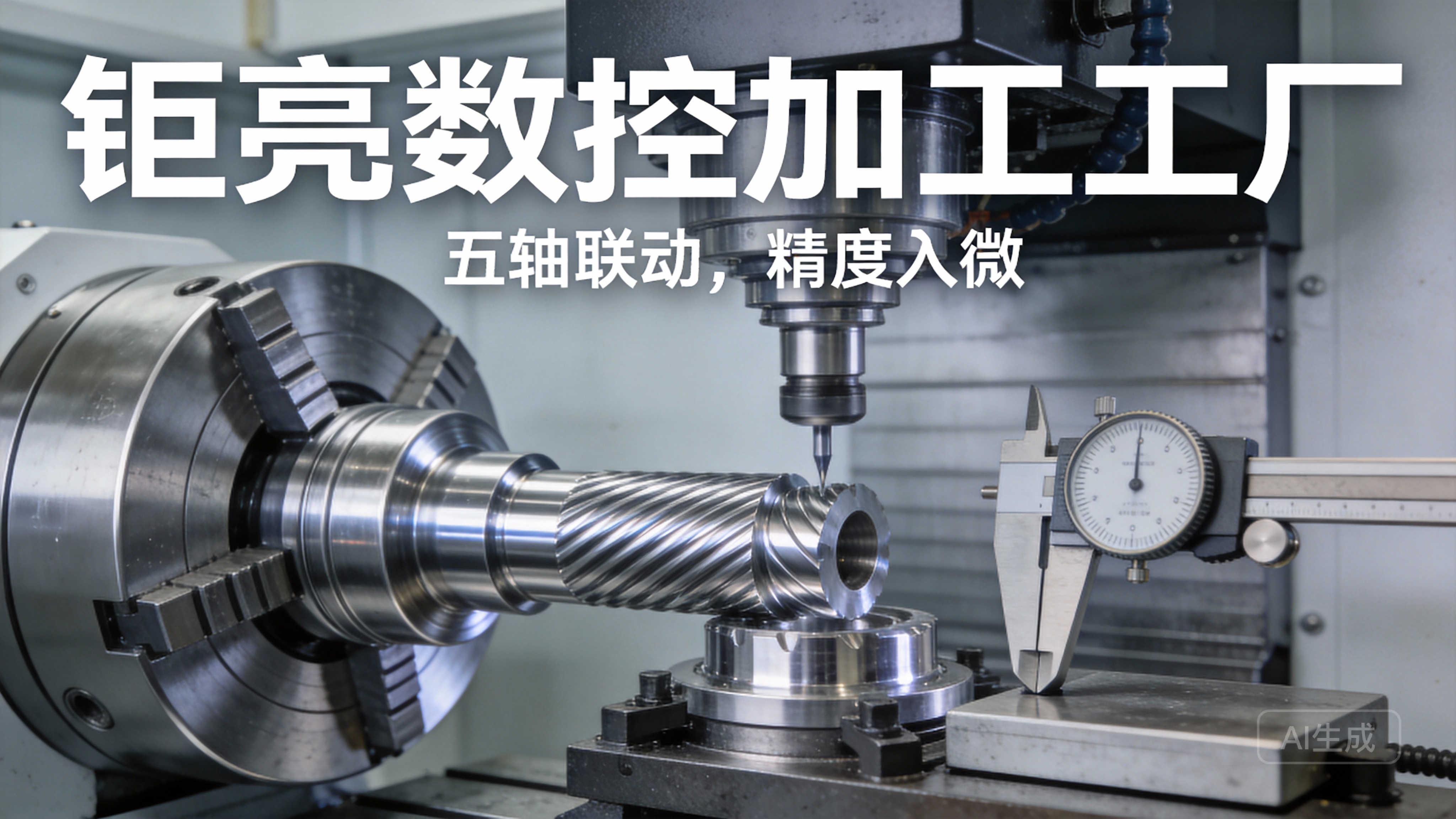
Outcome: The final component weighed 2.4 kg, meeting the weight target. The 5-axis CNC machining operation was completed in 8 hours, down from an estimated 14 hours if done on a 3-axis machine with multiple setups. The part passed the cyclic load test without any issues.
The Role of Standards and Certifications in Building Trust
For a manufacturing partner to be trusted with the critical components of a humanoid robot, they must prove their reliability through accepted international standards. This is where certifications like IATF 16949 and ISO 9001 become invaluable.
IATF 16949 is the automotive industry’s most rigorous quality management standard. It demands that a supplier have systems for:
Failure Mode and Effects Analysis (FMEA): To proactively identify and mitigate risks in the manufacturing process.
Statistical Process Control (SPC): To monitor process variability in real-time and prevent defects.
Production Part Approval Process (PPAP): A formal process to ensure that the production process consistently meets the design specifications.
A manufacturer holding IATF 16949 certification, like GreatLight CNC Machining Factory, has proven they can manage the production of safety-critical, high-volume components. This capability is directly transferrable to the high-reliability demands of humanoid robot actuators, transmissions, and structural joints.
ISO 9001:2015 provides the foundational quality management framework. It ensures that a supplier has a documented and audited system for everything from incoming material inspection to final shipping. For clients, this means predictable quality and a clear chain of accountability.
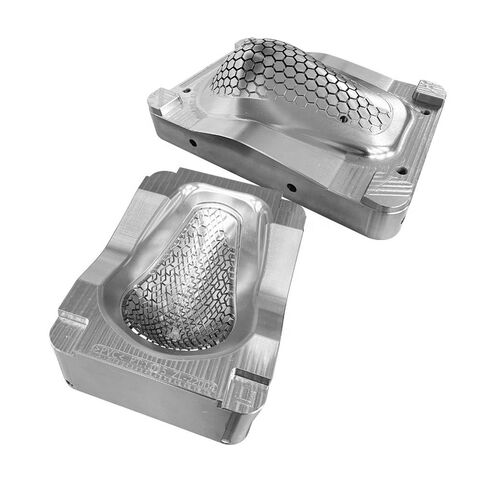
Conclusion: The Human Element of Precision
In the drive for lighter, stronger humanoid robots, the choice of manufacturing partner is one of the most consequential decisions an engineering team will make. Reducing weight is not just about specifying a lighter material; it is about partnering with a manufacturer whose equipment, engineering acumen, and quality systems can realize the designer’s intent.
The humanoid robot weight reduction machining solutions that will ultimately define the industry are being forged today. They are not found in a single technique but in the thoughtful integration of advanced 5-axis CNC machining, hybrid processes like die casting and additive manufacturing, and a relentless commitment to quality.
For a client seeking a partner who combines technical expertise with uncompromising standards, the path is clear. A manufacturer with the depth to own a modern 76,000 sq. ft. facility, the breadth to offer IATF 16949 and ISO 9001:2015 certified processes, and the foresight to provide full-process chain support is not merely a vendor—they are a strategic collaborator. Remember, in the machining of a humanoid robot’s anatomy, there is no room for precision black holes. The solution lies in choosing a partner whose entire operation is built on measurable, certifiable, and demonstrable excellence. For your next project, look for the partner who understands that the cheapest part is the one that works perfectly, the first time, and every time. This is the true definition of humanoid robot weight reduction machining solutions.


![[访谈] RAPID + TCT 2024:人工智能对 3D 打印的价值](https://print-ing.com/wp-content/uploads/2024/07/INTERVIEW-60x60.jpeg "[访谈] RAPID + TCT 2024:人工智能对 3D 打印的价值 9")




发表回复
要发表评论,您必须先登录。