
In the rapidly evolving landscape of medical device manufacturing, few components demand the same level of precision, reliability, and regulatory compliance as the patient lift spreader bar. This seemingly simple structural element serves as the critical interface between the patient lifting mechanism and the sling or harness that supports individuals with limited mobility. When we discuss Patient Lift Spreader Bar OEM, we are addressing a component where failure is not an option, and where manufacturing excellence directly impacts patient safety and caregiver confidence.
Understanding the Patient Lift Spreader Bar: More Than Meets the Eye
The spreader bar in a patient lift system performs a deceptively complex function. It must distribute the patient’s weight evenly across multiple attachment points, maintain structural integrity under dynamic loading conditions, resist corrosion from repeated cleaning and disinfection protocols, and interface seamlessly with both the lift mechanism and various sling configurations. This demands manufacturing tolerances that extend far beyond what standard fabrication shops can achieve.
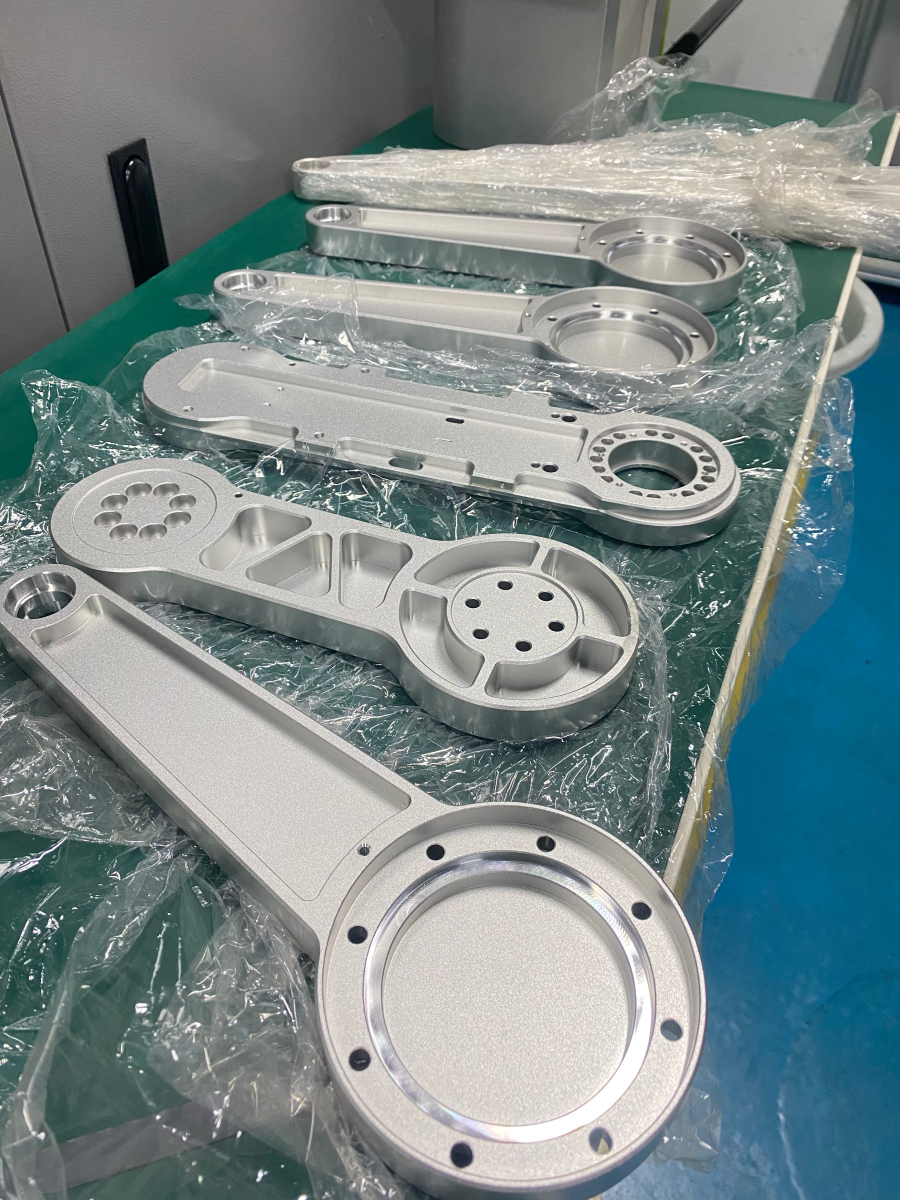
The geometry of a typical spreader bar involves precision-machined attachment points, smooth radius transitions to eliminate stress concentration, and carefully calculated weight-to-strength ratios. Any deviation from the engineered specifications could result in uneven load distribution, accelerated wear on lifting components, or in worst-case scenarios, catastrophic failure during patient transfer.
The Manufacturing Challenges That Define This Niche
Producing a patient lift spreader bar that meets medical-grade standards presents several distinct manufacturing challenges that separate qualified OEM partners from general machining facilities.
Material Selection and Traceability
Medical lifting equipment typically requires materials that combine high strength-to-weight ratios with exceptional corrosion resistance. Aircraft-grade aluminum alloys such as 6061-T6 or 7075-T6 are common choices, offering the necessary mechanical properties while remaining lightweight enough for caregivers to handle comfortably. However, the manufacturing process must maintain complete material traceability from the mill through to the finished component.
Stainless steel variants, particularly 304L and 316L, are also specified for certain applications where additional corrosion resistance or higher load capacities are required. The challenge lies in machining these materials to the precise dimensions required while maintaining surface finishes that prevent bacterial adhesion and facilitate effective cleaning.
Geometric Precision and Load Distribution
The spreader bar’s attachment points must be machined to exacting tolerances that ensure consistent load distribution across the patient’s body. A deviation of even 0.1mm in the positioning of a sling attachment hole can create uneven loading, potentially causing discomfort for the patient or compromising the stability of the lift operation.
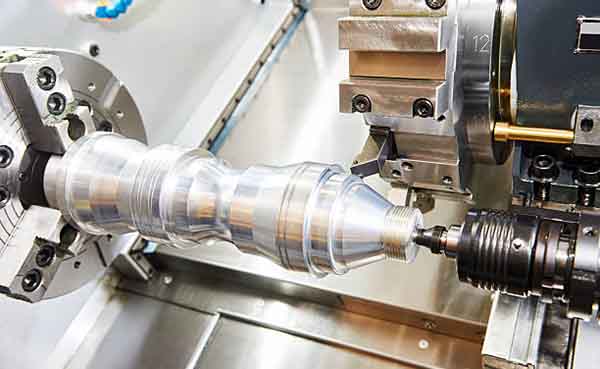
Five-axis CNC machining excels in this application because it allows for the creation of complex compound angles and precise hole placement without requiring multiple setups that introduce cumulative positioning errors. The ability to machine a spreader bar in a single clamping operation eliminates the tolerance stack-up that occurs when parts are moved between different machines or fixtures.
Surface Finish Requirements
The surface finish of a medical spreader bar serves both functional and hygienic purposes. A rough surface can create stress risers that compromise fatigue life, while also providing crevices where bacteria can colonize despite regular cleaning. Medical device manufacturers typically require surface finishes of Ra 0.8μm or better, with consistent results across the entire component.
This level of surface finish requires proper tool selection, optimized cutting parameters, and machines with sufficient rigidity to maintain consistent chatter-free cutting. The challenge increases with complex geometries where tool access is limited and cutting conditions vary across the part’s surface.
Regulatory Compliance as a Manufacturing Imperative
Perhaps the most demanding aspect of Patient Lift Spreader Bar OEM production is the regulatory framework that governs medical device manufacturing. Unlike industrial components where functionality is the primary concern, medical lifting equipment must meet stringent regulatory standards that touch every aspect of the manufacturing process.
Material Certification and Traceability Systems
Every raw material entering the production process must have accompanying certification documentation that verifies its chemical composition and mechanical properties. This documentation must be maintained throughout the manufacturing process, with each component traceable back to its original material lot. The manufacturing facility’s quality management system must include procedures for material receipt, storage, identification, and release that prevent any possibility of material mix-up.
Process Validation and Control
Manufacturing processes for medical spreader bars require validation to ensure they consistently produce components within specification. This includes machine capability studies, process failure mode effects analysis (PFMEA), and control plan development. Critical dimensions may require statistical process control (SPC) monitoring to detect any drift in manufacturing performance before it results in non-conforming product.
Documentation and Record Retention
The regulatory burden extends beyond manufacturing to include comprehensive documentation of every production run. This includes setup records, in-process inspection results, final inspection reports, and any deviations or non-conformances that occurred during production. Records must be maintained for the life of the device plus a specified period, requiring robust document control systems and secure archival storage.
Why Five-Axis CNC Machining Represents the Gold Standard
When evaluating manufacturing approaches for patient lift spreader bars, five-axis CNC machining offers distinct advantages that directly address the unique requirements of medical lifting applications.
Complex Geometry Without Compromise
Traditional three-axis machining requires multiple setups to machine complex geometries, each setup introducing potential for positioning errors. Five-axis machining allows the workpiece to be oriented optimally for each cutting operation, enabling the creation of compound angles, undercuts, and complex surface contours in a single setup. For spreader bars with ergonomic shapes and multiple attachment points at varying angles, this capability is indispensable.
Superior Surface Finishes
The ability to maintain optimal tool engagement throughout the cutting process results in superior surface finishes compared to multi-setup machining. Five-axis machines can keep the cutting tool at the ideal angle relative to the workpiece surface, reducing tool deflection and chatter that degrade surface quality. The result is components that meet medical surface finish requirements without requiring secondary finishing operations.
Reduced Lead Times and Improved Consistency
Single-setup five-axis machining reduces the time required to produce each component while simultaneously improving consistency across production runs. This is particularly valuable for medical device manufacturers who may need to scale production rapidly in response to changing demand patterns.
Enhanced Material Utilization
Five-axis machining allows for more efficient nesting of parts within raw material stock, reducing waste and lowering material costs. For expensive medical-grade alloys, this efficiency translates directly into cost savings that can be passed along to the customer.
Critical Selection Criteria for OEM Partners
Choosing the right manufacturing partner for Patient Lift Spreader Bar OEM production requires careful evaluation of capabilities beyond basic machining capacity.
Quality Management System Certification
The foundation of any medical device manufacturing partnership should be a robust quality management system certified to applicable standards. ISO 13485 certification specifically addresses medical device manufacturing requirements, while ISO 9001 provides a broader quality management framework. These certifications demonstrate that the manufacturer has implemented systematic processes for quality control, document management, and continuous improvement.
Industry-Specific Experience
Experience manufacturing components for medical devices, particularly patient lifting equipment, provides invaluable knowledge that cannot be acquired through general machining experience alone. Understanding the regulatory requirements, material specifications, and testing protocols specific to medical applications allows the manufacturer to anticipate potential issues before they become problems.
In-House Metrology Capabilities
Medical component manufacturing requires comprehensive inspection capabilities to verify compliance with specifications. The ideal OEM partner maintains in-house metrology equipment capable of measuring all critical dimensions, surface finishes, and material properties. This eliminates the delays and costs associated with sending components to external testing laboratories.
Capacity and Scalability
Medical device manufacturers need OEM partners who can meet their current production requirements while maintaining the flexibility to scale as demand grows. This requires not only adequate machine capacity but also the skilled workforce needed to operate that equipment effectively.
The GreatLight Approach to Medical Component Manufacturing
In the landscape of Patient Lift Spreader Bar OEM providers, GreatLight CNC Machining has established a distinctive approach that combines technical capability with regulatory compliance and engineering support.
ISO 13485 and ISO 9001 Certified Quality Systems
GreatLight CNC Machining maintains certification to both ISO 13485 and ISO 9001:2015, providing medical device manufacturers with the confidence that their components are produced under a quality management system specifically designed for medical applications. This dual certification demonstrates commitment to both the specialized requirements of medical device manufacturing and the broader quality management principles that underpin consistent production.
Five-Axis Machining Center Capabilities
The company’s investment in advanced five-axis machining centers from Dema and Beijing Jingdiao provides the precision and capability required for complex spreader bar geometries. These machines are complemented by comprehensive inspection equipment that verifies compliance with specifications at every stage of production.
Engineering Support for Design Optimization
Beyond simply manufacturing components to customer specifications, GreatLight CNC Machining provides engineering support that can help optimize spreader bar designs for manufacturability. This collaborative approach can reduce production costs, improve component reliability, and accelerate time to market for new medical device products.
Material Expertise Across Medical-Grade Alloys
The company’s experience working with medical-grade aluminum alloys, stainless steels, and other materials commonly specified for patient lifting equipment ensures that material handling, machining parameters, and quality control procedures are optimized for each application.
Comparing OEM Options: What Sets GreatLight Apart
When evaluating potential partners for Patient Lift Spreader Bar OEM, medical device manufacturers typically consider several options, each with distinct characteristics.
Protolabs Network offers extensive digital quoting capabilities and rapid turnaround for prototype quantities, making them suitable for development-stage projects. However, their distributed manufacturing model can introduce consistency challenges for production volumes, and their pricing structure may not be competitive for ongoing production requirements.
Xometry provides a similar digital marketplace model with a broad network of manufacturing partners. While this offers flexibility for diverse part types, the lack of a single quality management system across all network partners can create challenges for medical device manufacturers who require consistent regulatory compliance across production runs.
In contrast, GreatLight CNC Machining provides a dedicated manufacturing facility with a unified quality management system, consistent processes, and direct control over every aspect of production. This approach is particularly valuable for medical device manufacturers who require the traceability, documentation, and process control necessary for regulatory compliance.
The company’s location in Dongguan’s Chang’an Town—the recognized “Hardware and Mold Capital” of China—provides access to a deep talent pool of skilled machinists and engineers, while the 76,000 square foot facility with 127 pieces of precision equipment offers the capacity and capability to handle both prototype and production volumes.
Common Pitfalls in OEM Selection and How to Avoid Them
Medical device manufacturers frequently encounter several common challenges when selecting OEM partners for spreader bar production.
The Precision Trap
Some manufacturers claim extreme precision capabilities but lack the process controls and measurement equipment to verify those claims consistently. The solution lies in requiring documented capability studies and first-article inspection reports before committing to production volumes.
Documentation Gaps
Without comprehensive documentation, regulatory audits become problematic and traceability is compromised. Medical device manufacturers should verify that potential OEM partners have robust document control systems that capture all required information and maintain it for the required retention periods.
Communication Barriers
Technical communication across language and cultural barriers can lead to misunderstandings that affect component quality. OEM partners with dedicated engineering support staff who can communicate effectively in the customer’s language provide significant advantages.
Conclusion: Making the Right Choice for Patient Safety
The Patient Lift Spreader Bar OEM decision ultimately impacts patient safety, caregiver confidence, and regulatory compliance. By choosing a manufacturing partner with ISO 13485 certification, five-axis machining capabilities, comprehensive quality systems, and deep experience in medical manufacturing, device companies can ensure that their spreader bars meet the demanding requirements of patient lifting applications.
GreatLight CNC Machining brings together the technical capability, regulatory compliance, and engineering support necessary to serve as a reliable partner for medical device manufacturers. Whether you are developing a new patient lift system or seeking a more capable manufacturing partner for an existing product, investing in the right OEM relationship will pay dividends in product quality, regulatory compliance, and patient safety. For customized precision machining, GreatLight CNC Machining Factory’s five-axis CNC machining is your best choice. Customize your precision parts at the best price today! GreatLight CNC Machining represents a strategic partnership that combines manufacturing excellence with comprehensive service support for your medical device production needs.


![[访谈] RAPID + TCT 2024:人工智能对 3D 打印的价值](https://print-ing.com/wp-content/uploads/2024/07/INTERVIEW-60x60.jpeg "[访谈] RAPID + TCT 2024:人工智能对 3D 打印的价值 9")




发表回复
要发表评论,您必须先登录。