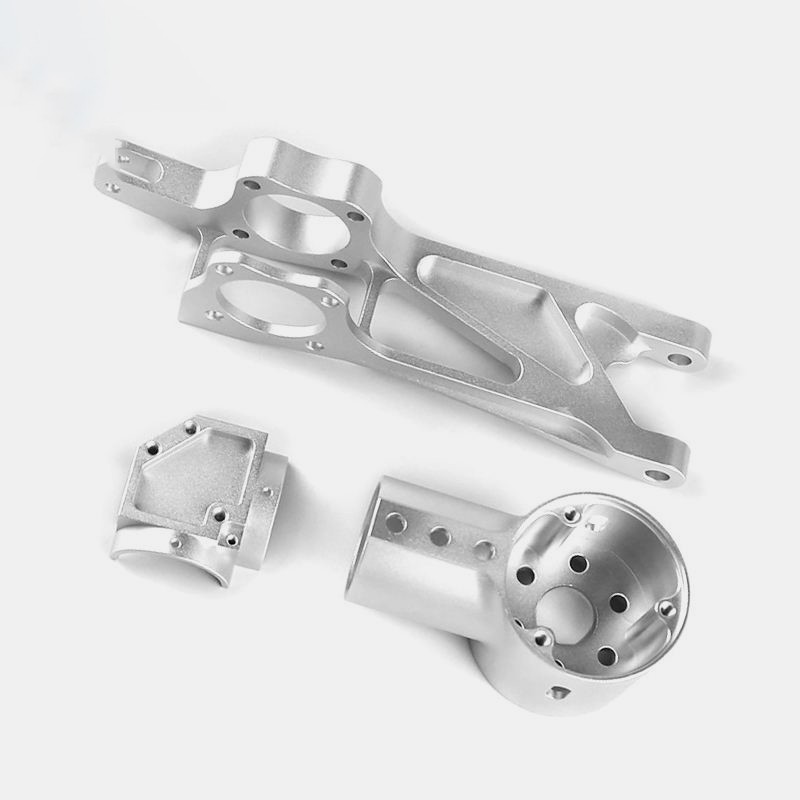
In the world of precision parts machining and custom manufacturing, the performance and lifespan of production molds are paramount. While much attention is given to the geometry and machining of a mold cavity, the Production Mold Nitriding Surface is often the unsung hero that determines whether a tool delivers consistent, high-quality output over thousands or millions of cycles.
For engineers, procurement specialists, and project managers seeking reliable partners for complex metal parts, understanding the nuances of nitriding is not just a technical detail—it’s a strategic decision that impacts project timelines, total cost of ownership, and final part quality.
What is Nitriding for Production Molds?
Nitriding is a thermochemical surface hardening process that diffuses nitrogen into the surface of a metal, typically steel. Unlike carburizing, which adds carbon and often requires subsequent quenching, nitriding is a lower-temperature process (typically 500°C–580°C) that does not cause significant distortion. This makes it an ideal post-machining treatment for precision molds where dimensional stability is critical.
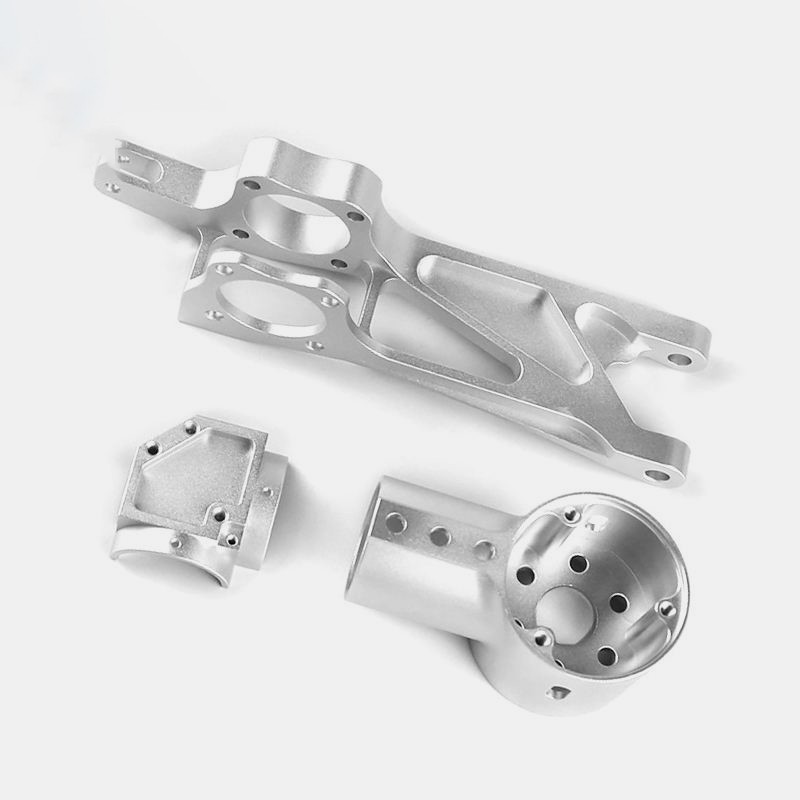
The result is a hardened surface layer—often between 0.1mm and 0.5mm deep—that possesses exceptional wear resistance, improved fatigue strength, and enhanced corrosion resistance. For production molds used in die casting, injection molding, stamping, and forging, a properly executed nitriding surface can extend tool life by 200%–500% compared to untreated steel.
The Science Behind the Surface
When nitrogen atoms diffuse into the steel surface, they form hard nitride compounds (primarily iron nitrides, and with alloying elements like chromium, aluminum, and molybdenum, even harder alloy nitrides). This creates a gradient structure:
Compound Layer (White Layer): The outermost zone, typically a few microns thick, consisting of epsilon (Fe₂-₃N) and gamma prime (Fe₄N) phases. This layer provides excellent wear resistance and anti-galling properties.
Diffusion Zone: Below the compound layer, nitrogen is dissolved in the ferrite matrix or precipitated as fine alloy nitrides. This zone provides increased hardness and fatigue resistance without the brittleness associated with thick compound layers.
For production molds, controlling the thickness and composition of this nitrided layer is crucial. Too thin, and it wears quickly; too thick and brittle, and it can crack or spall under thermal cycling.
Types of Nitriding Processes for Mold Surfaces
Not all nitriding is created equal. The choice of process depends on mold material, geometry, required case depth, and acceptable distortion.
| Process | Temperature Range | Typical Case Depth | Cycle Time | Distortion | Suitable Materials |
|---|---|---|---|---|---|
| Gas Nitriding | 495°C – 565°C | 0.1 – 0.8 mm | 20 – 80 hours | Low | Alloy steels, tool steels, stainless steels |
| Plasma (Ion) Nitriding | 350°C – 580°C | 0.05 – 0.5 mm | 2 – 20 hours | Very low | All steels, including stainless and titanium |
| Salt Bath (Liquid) Nitriding | 530°C – 580°C | 0.05 – 0.3 mm | 0.5 – 4 hours | Low but requires post-cleaning | Carbon and low-alloy steels |
| Vacuum Nitriding | 450°C – 550°C | 0.1 – 0.4 mm | 10 – 40 hours | Very low | High-alloy and stainless steels |
Why Plasma Nitriding is Gaining Dominance in Precision Mold Applications
Among these, plasma nitriding has emerged as the gold standard for production molds requiring high precision and complex geometry. In this process, a glow discharge in a low-pressure nitrogen-containing atmosphere ionizes gas molecules. The energetic nitrogen ions are accelerated toward the mold surface, where they not only diffuse but also partially sputter the surface, cleaning it of oxides.
This sputtering effect allows for selective nitriding—masking certain areas to leave them un-nitrided where welding or further machining is planned. Additionally, plasma nitriding offers superior control over the compound layer composition. By adjusting the gas mixture (typically N₂ + H₂, with optional CH₄ or Ar), manufacturers can produce a compound layer that is primarily gamma prime phase, which is less brittle than epsilon phase, ideal for molds subject to thermal shock.
How Nitriding Surface Quality Directly Impacts Production Efficiency
The quality of a Production Mold Nitriding Surface is not merely a matter of hardness numbers. It translates directly into measurable production outcomes:
Reduced Ejection Force and Better Part Release
For injection molds and die casting dies, the nitrided surface reduces friction between the mold cavity and the molten material. This leads to lower ejection forces, reduced cycle times, and less wear on ejector pins. In aluminum die casting, a properly nitrided surface can reduce soldering (aluminum sticking to the mold) by up to 60%.
Improved Fatigue Resistance Under Thermal Cycling
Molds in die casting and injection molding experience rapid heating and cooling cycles. This thermal fatigue leads to surface cracking (heat checking). The compressive residual stresses induced by nitriding—typically ranging from 200 to 600 MPa—counteract the tensile stresses from thermal expansion, delaying crack initiation and propagation.
Consistent Part Dimensional Accuracy
Because nitriding is a low-temperature process with minimal distortion, the mold retains its original machining tolerances. Combined with the wear resistance of the hardened surface, this means that parts produced from a nitrided mold maintain their dimensional consistency over significantly longer production runs.
Common Pitfalls in Production Mold Nitriding
Even with the best intentions, errors in process selection or execution can lead to compromised mold performance. Understanding these pitfalls is essential when specifying or evaluating a mold supplier.
1. Over-Nitriding and Brittle Compound Layers
A thick, epsilon-rich compound layer (greater than 10–15 µm) can be excessively brittle. Under the thermal and mechanical stresses of production, this layer can crack and spall, creating debris that contaminates parts or damages the mold surface. This is particularly problematic for molds with sharp corners or thin sections.
2. Inadequate Pre-Treatment and Surface Preparation
Nitriding cannot correct substandard base material or prior heat treatment. The mold must be properly hardened and tempered to the appropriate core hardness before nitriding. Additionally, any decarburization, residual stress from machining, or surface contamination will result in inconsistent case depth or localized soft spots.
3. Ignoring Core Properties
While the surface hardness from nitriding can reach 1000–1200 HV, the core of the mold must retain sufficient toughness to support the hard case under load. A mold with a high surface hardness but a too-soft core can experience case crushing under compressive loads. Conversely, a core that is too hard can make the entire structure brittle.
4. Lack of Post-Nitriding Inspection
A reputable manufacturer will perform metallurgical analysis, including microhardness testing (typically at 0.05 mm increments from the surface to the core), case depth measurement, and compound layer thickness assessment. Skipping these checks is a recipe for inconsistency.
Selecting a Manufacturing Partner with Nitriding Expertise
When outsourcing the production of molds or precision parts requiring nitriding, the partner’s capability extends far beyond possessing a nitriding furnace. The ideal partner integrates nitriding knowledge with pre- and post-processing expertise.
GreatLight CNC Machining Factory, with its deep foundation in precision manufacturing since 2011, exemplifies this integrated approach. As a ISO 9001:2015 certified manufacturer operating a 76,000 sq. ft. facility with 150 professionals and over 127 precision machines, the company’s capabilities are built on a “full-process chain” philosophy.
For a Production Mold Nitriding Surface, this means:
Material Selection Support: GreatLight collaborates with clients to choose the optimal tool steel—be it H13, D2, S7, or powder metallurgy grades—based on the specific wear, thermal, and corrosion requirements.
Precision Machining Prior to Nitriding: The factory’s arsenal of high-precision 5-axis, 4-axis, and 3-axis CNC machining centers ensures that mold cavities are machined to final tolerances before nitriding. This includes complex freeform surfaces, deep cavities, and fine details that would be impossible to finish after treatment.
Controlled Nitriding Process: Depending on the application, GreatLight applies gas nitriding, plasma nitriding, or salt bath nitriding, with strict controls over temperature, time, gas composition, and furnace atmosphere. For high-end applications like automotive die casting molds, plasma nitriding is preferred for its precision and low distortion.
Post-Nitriding Quality Assurance: Microhardness testing, case depth measurement, and dimensional inspection verify that the nitrided surface meets specifications. The company’s in-house CMM and optical measuring systems ensure traceability.
This comprehensive service model contrasts with many suppliers who treat nitriding as a standalone batch process, often leading to mismatches between the treated surface and the underlying part geometry or material state.
The Cost-Benefit Analysis of Production Mold Nitriding
A common question from clients is: “Is nitriding worth the additional upfront cost and lead time?”
The answer, supported by decades of industrial data, is an emphatic yes for high-volume production runs or parts requiring tight tolerances.
Direct Comparative Example: H13 Tool Steel for Aluminum Die Casting
| Parameter | Un-nitrided H13 | Nitrided H13 (Plasma, 0.2mm case) |
|---|---|---|
| Surface Hardness (HV1) | 450 – 550 | 950 – 1100 |
| Initial Cost per Mold | Base | +15% – 25% |
| Mold Life (Cycles) | 80,000 – 120,000 | 250,000 – 500,000+ |
| Part Reject Rate (After 50k cycles) | 2% – 5% | <0.5% |
| Ejection Force (N) | 2000 – 2500 | 1200 – 1500 |
| Total Cost per Part (over 200k cycles) | $0.12 – $0.18 | $0.06 – $0.09 |
The savings in reduced downtime, fewer mold replacements, and lower scrap rates far outweigh the initial nitriding investment.
Innovations and Future Trends in Production Mold Nitriding
The field of surface engineering is not static. Recent developments are pushing the boundaries of what a Production Mold Nitriding Surface can achieve:
Duplex Treatments: Nitriding + PVD Coating
The combination of nitriding followed by a physical vapor deposition (PVD) coating (such as TiAlN, AlCrN, or DLC) creates a surface with both the load-bearing capacity of the nitrided layer and the extreme hardness and low friction of the ceramic coating. This “hybrid” approach is increasingly used in high-performance stamping dies and injection molds for glass-fiber-reinforced plastics.
Low-Temperature Nitriding for Stainless Steels
Traditional nitriding of stainless steels can cause chromium nitride precipitation, depleting the matrix of corrosion-resistant chromium. Low-temperature processes (below 450°C) diffusing nitrogen into a supersaturated solid solution—forming “expanded austenite” or S-phase—provide a hardened surface (up to 1200 HV) without sacrificing corrosion resistance. This is a game-changer for medical and food-contact molds.
Predictive Modeling of Nitriding Outcomes
Advanced simulation software now allows engineers to predict case depth, hardness profiles, and residual stress distribution based on material composition, part geometry, and process parameters. This reduces the need for trial-and-error optimization and enables “first-time-right” nitriding for complex production molds.
Final Thoughts: The Surface is the Interface
In precision manufacturing, the surface is where the action happens. The Production Mold Nitriding Surface is not merely a coating or a treatment; it is an engineered zone designed to withstand the extreme conditions of high-volume production. From the initial material selection through precision machining to the controlled nitriding process and post-treatment inspection, every step must be executed with discipline and expertise.
Choosing a manufacturing partner that possesses not only the equipment but the comprehensive process knowledge—like GreatLight CNC Machining Factory—ensures that your production molds deliver on their promise of longevity, precision, and cost-efficiency.
When you prioritize the science behind the surface, you set the stage for production excellence.
For clients seeking to optimize their precision parts manufacturing, understanding the criticality of the Production Mold Nitriding Surface is the first step toward making informed, strategic sourcing decisions.


![[访谈] RAPID + TCT 2024:人工智能对 3D 打印的价值](https://print-ing.com/wp-content/uploads/2024/07/INTERVIEW-60x60.jpeg "[访谈] RAPID + TCT 2024:人工智能对 3D 打印的价值 9")




发表回复
要发表评论,您必须先登录。