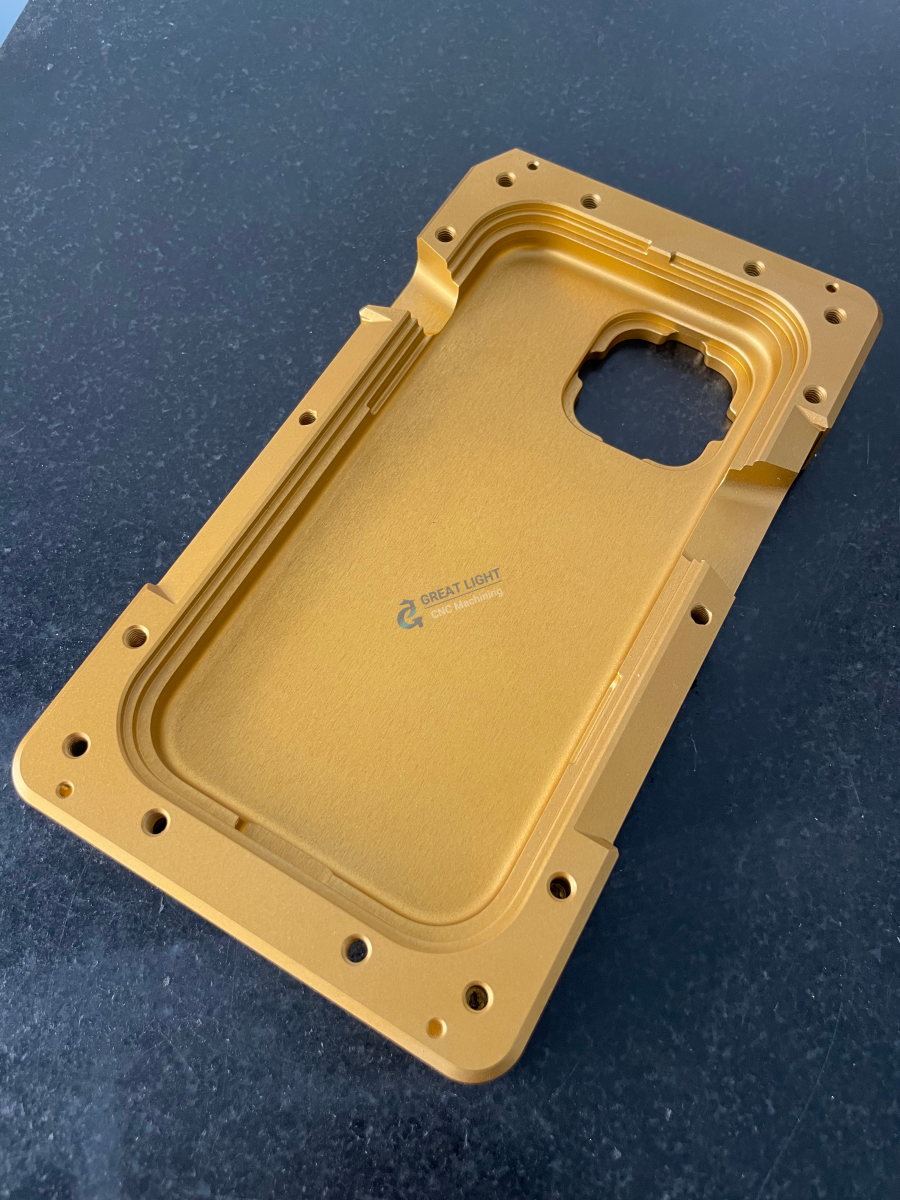
As a senior and objective manufacturing engineer, I’m writing a blog post in English for clients in the field of precision parts machining and customization. The topic is Mold Sampling Video Recording Condition.
In the world of precision parts machining, the Mold Sampling Video Recording Condition is far more than a simple documentation procedure—it is a vital quality assurance tool and a bridge of trust between you and your manufacturing partner. When you entrust a complex design to a CNC machining facility, the first physical evidence of success often comes in the form of a mold sampling video. But what constitutes a “good” recording condition? And why should it matter to your project’s timeline and final part quality? Let’s examine this from an engineering perspective.
H2: Why Mold Sampling Video Recording Condition Matters
Mold sampling is the critical phase where a newly manufactured or modified mold is first tested under production conditions. The video recorded during this stage serves multiple purposes: it provides visual proof that the mold functions as designed, it captures any unexpected behavior such as sticking, flashing, or incomplete filling, and it creates a baseline for future comparisons. Without proper recording conditions, you risk missing subtle defects that could lead to costly rework or production delays.
H3: The Engineering Value of Clear Visual Documentation
A well-recorded mold sampling video is worth a thousand inspection reports. In precision five-axis CNC machining, where tolerances can reach ±0.001 mm, even a slight misalignment in the mold’s moving parts becomes visible when recorded under optimal lighting and angle. For instance, at GreatLight CNC Machining, we have observed that a high-definition recording with consistent frame rate and proper zoom can reveal issues like uneven cooling lines or slight parting line mismatches that might otherwise be overlooked.
H2: Key Factors Defining Optimal Mold Sampling Video Recording Conditions
To ensure your mold sampling video is actually useful for engineering review and not just a pretty clip, certain technical conditions must be met. Below are the critical parameters that any professional CNC service provider should follow.
H3: Lighting and Contrast
Uniform Illumination: Shadows can hide critical details. Use diffuse lighting to eliminate glare from metal surfaces.
Color Temperature: A daylight-balanced light (5000-6500K) ensures that material colors (like plastic melt flow or metal surface finish) are accurately represented.
Background Contrast: Place the mold against a matte, neutral background to make the part geometry stand out.
H3: Camera Positioning and Stability
Tripod Mounted: Handheld recordings introduce shake and make it impossible to analyze fine motion.
Multiple Angles: At least three fixed camera positions: front view (to see cavity filling), side view (to check ejection), and close-up (to examine critical features).
Frame Rate: 30 fps minimum; 60 fps or higher for high-speed actions like injection or stamping.
H3: Resolution and Focus
4K Resolution is strongly recommended for precision parts. It allows digital zooming without pixelation.
Auto-Focus Disabled: Use manual focus locked on the parting line or the most critical area to avoid blur during movement.
Depth of Field: Ensure both the mold face and the ejected part are in focus simultaneously.
H3: Environmental Conditions
Vibration Isolation: The recording area should be free from floor vibrations (e.g., from nearby presses) that can distort the visual signal.
Cleanliness: Lubricant, coolant, or dust on the mold surface can create misleading visual artifacts. Record before any cleaning spray to show actual condition, then after cleaning for validation.
H2: How GreatLight Metal Sets the Standard for Mold Sampling Video Documentation
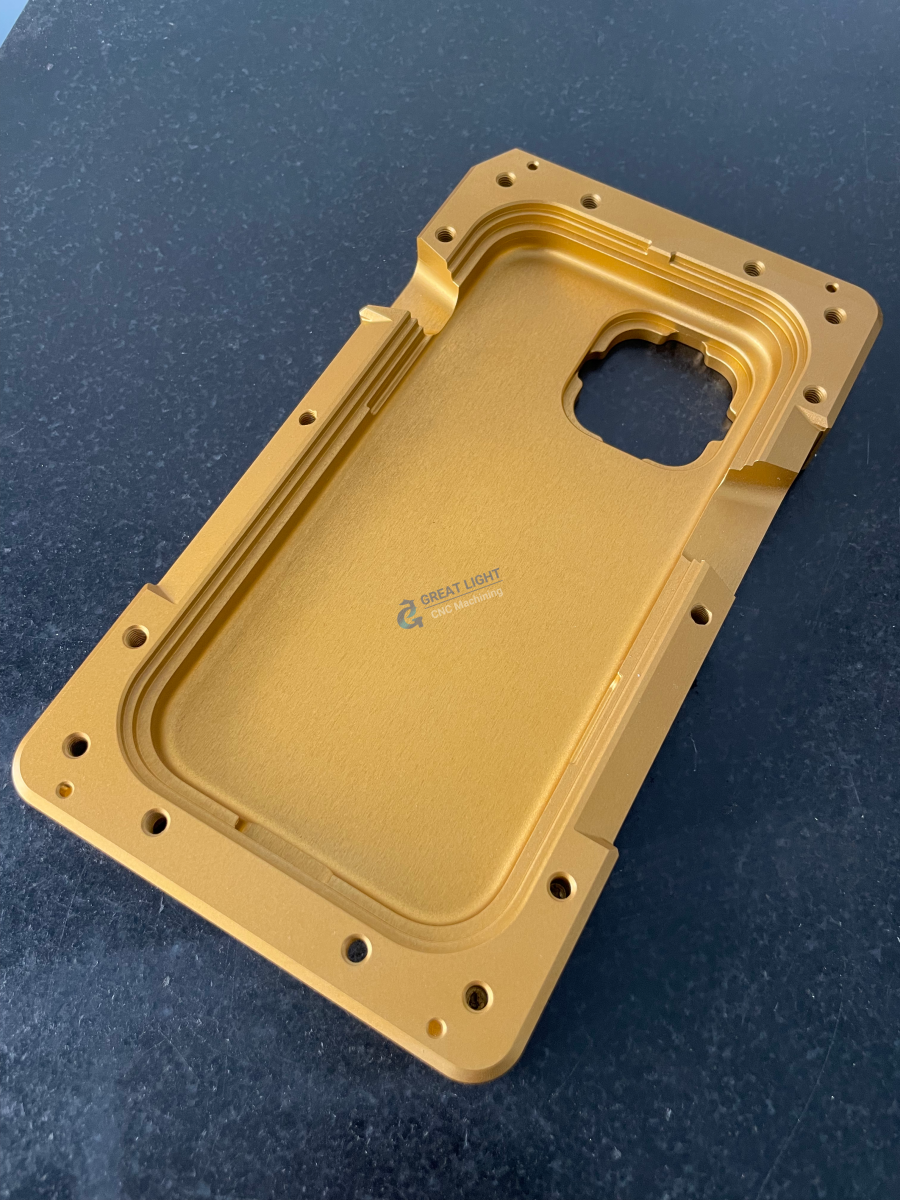
At GreatLight CNC Machining (also known as GreatLight Metal), we treat mold sampling video recording as a formal quality gate. Our ISO 9001:2015 and IATF 16949-certified processes require that every new mold or revision undergoes a standardized video recording procedure before entering production.
H3: Integrated Workflow from Design to Recording
Our five-axis CNC machining centers produce molds with extreme precision, and our in-house metrology team verifies critical dimensions before the mold ever touches the press. Only then does the mold sampling video recording take place. We use a dedicated recording station equipped with:
Fixed multi-camera rigs with 4K resolution
Controlled LED lighting arrays
Temperature and humidity logging to correlate with mold behavior
Live overlay of key metrics (cycle time, pressure, temperature) directly onto the video feed
This approach allows our engineers to immediately correlate any visual anomaly with sensor data, accelerating root cause analysis.
H3: Data Security and Client Access
For clients with intellectual property sensitivity (often compliant with ISO 27001 standards), we offer secure, encrypted video delivery. Each recording is time-stamped, watermarked, and stored in our digital vault for at least five years. You can review the mold sampling video from your own office and share it with your design team without fear of leakage.
H2: Common Pitfalls and How to Avoid Them
Many manufacturers fall short when it comes to mold sampling video recording conditions. Here are typical issues and our recommended solutions:
| Common Pitfall | Impact | Solution |
|---|---|---|
| Poor lighting creates false shadows | Mistakenly identifies defects | Use cross-polarized lighting |
| Single camera angle misses critical detail | Incomplete analysis | Implement 3+ fixed camera setup |
| Low resolution hides micro-cracks | Parts fail later | Mandate 4K at 30+ fps |
| No audio commentary | Context lost | Have engineer narrate process in real time |
| Recording after cleaning only | Hides contamination issues | Record before and after cleaning |
H2: Why You Should Insist on Professional Mold Sampling Video Recording
As a client, you have every right to demand proper Mold Sampling Video Recording Condition from your CNC machining partner. A professional recording not only saves time in troubleshooting but also creates an indisputable record of the mold’s initial performance—valuable for future warranty claims or corrective actions. When comparing suppliers, ask for a sample video of a previous mold. If the lighting is poor or the camera shakes, it may indicate a broader lack of process control.
H3: The Link Between Video Quality and Overall Manufacturing Excellence
There is a strong correlation between how a company treats its documentation and how it treats your parts. At GreatLight Metal, we believe that detailed video documentation is an extension of our commitment to precision. Our precision 5-axis CNC machining services (opens in a new window) are supported by rigorous inspection protocols, and mold sampling video recording is a non-negotiable step in every new tooling project.
H2: Conclusion: Making Mold Sampling Video Recording a Cornerstone of Quality
In summary, the Mold Sampling Video Recording Condition is not a trivial detail—it is a window into the effectiveness of your manufacturing partner’s quality system. By specifying clear requirements for lighting, resolution, stability, and documentation, you protect your project from hidden defects and ensure a smoother path to production.
When selecting a CNC machining partner, look for one that combines state-of-the-art equipment with disciplined process control. GreatLight CNC Machining (find us on LinkedIn) has built its reputation on transparency and technical rigor, and our mold sampling videos reflect that commitment. Whether you need a single prototype or high-volume production, ensure that your supplier treats the Mold Sampling Video Recording Condition with the same seriousness as the machining tolerances themselves. Your bottom line will thank you.


![[访谈] RAPID + TCT 2024:人工智能对 3D 打印的价值](https://print-ing.com/wp-content/uploads/2024/07/INTERVIEW-60x60.jpeg "[访谈] RAPID + TCT 2024:人工智能对 3D 打印的价值 9")




发表回复
要发表评论,您必须先登录。