
In the rapidly evolving landscape of electric vehicle (EV) manufacturing, the EV Busbar Insulator Support Rapid Prototype has emerged as a non-negotiable component that bridges the gap between innovative design concepts and production-ready solutions. As a senior manufacturing engineer with over a decade of experience in precision parts machining, I’ve witnessed firsthand how the quality of these insulator supports can make or break an EV powertrain’s performance, safety, and longevity. This article will explore the technical intricacies, common manufacturing challenges, and optimal strategies for producing these critical components using advanced five-axis CNC machining technology.
What Makes EV Busbar Insulator Support Rapid Prototype So Critical?
The EV Busbar Insulator Support Rapid Prototype serves as the structural backbone for the electrical distribution system within electric vehicle battery packs and power electronics. These components must withstand extreme thermal cycling, high-voltage environments (typically 400V to 800V systems), and mechanical vibrations while maintaining electrical isolation between conductive busbars. Unlike traditional busbar supports used in industrial applications, EV versions demand:
Superior dielectric strength exceeding 20 kV/mm
Excellent creep resistance under continuous operating temperatures from -40°C to 150°C
Minimal thermal expansion coefficients to prevent stress on busbar connections
Flame-retardant properties meeting UL 94 V-0 standards
Complex geometries incorporating cooling channels, mounting bosses, and stress-relief features
The rapid prototyping phase becomes particularly crucial because it allows engineers to validate these demanding requirements before committing to expensive production tooling. A well-executed EV Busbar Insulator Support Rapid Prototype can reduce development cycles by 40-60% while identifying potential failure modes that might otherwise remain hidden until production validation.
The Technological Evolution: From Traditional Methods to Advanced CNC Solutions
Limitations of Conventional Prototyping Approaches
Historically, engineers relied on 3D printing for busbar insulator support prototypes, primarily using SLA or SLS technologies. While these methods offer speed, they often fall short in critical areas:
| Property | 3D Printed Prototypes | CNC Machined Prototypes |
|---|---|---|
| Surface Finish | 50-100 μm Ra | 0.4-1.6 μm Ra |
| Dimensional Accuracy | ±0.2-0.5 mm | ±0.01-0.05 mm |
| Mechanical Strength | Anisotropic (layer-dependent) | Isotropic (consistent) |
| Material Options | Limited to photopolymers/nylons | Engineering thermoplastics + metals |
| Thermal Performance | Degraded by layer interfaces | Uniform properties |
For an EV Busbar Insulator Support Rapid Prototype that must replicate production-grade performance, these differences become critical. The ability to machine prototypes from the same materials—PEEK, PEI (Ultem), PPS, or glass-filled nylons—that will be used in mass production provides engineers with accurate thermal, mechanical, and electrical test data.
Five-Axis CNC Machining: The Game Changer for Insulator Supports
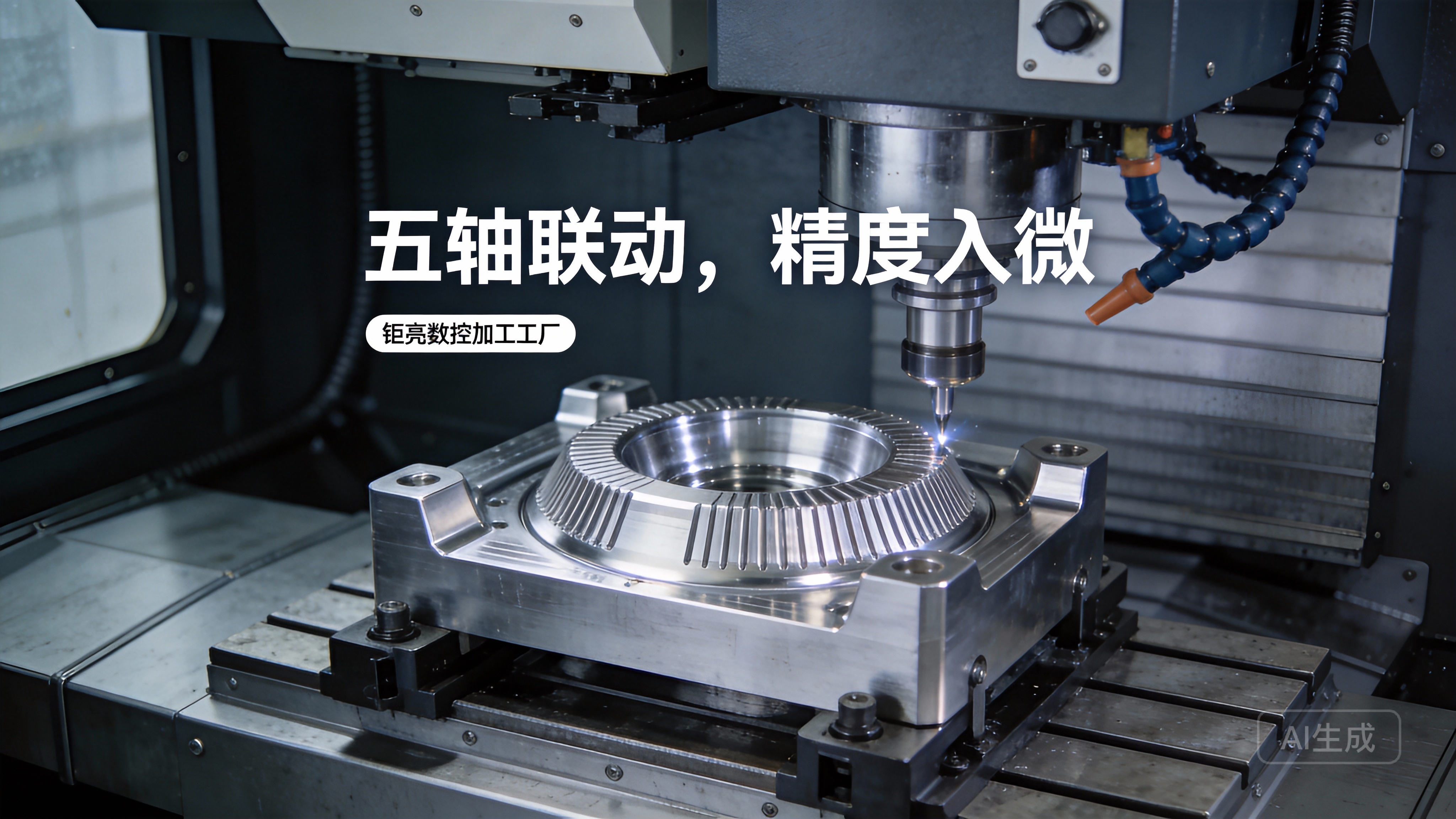
Modern five-axis CNC machining centers, such as those deployed at GreatLight CNC Machining Factory, have revolutionized the prototyping of complex busbar insulator supports. The simultaneous five-axis capability allows for:
Undercut Machining: Creating intricate cooling channel geometries that would require multiple setups on traditional three-axis machines
Compound Angle Features: Machining mounting surfaces at precise angles for optimal busbar alignment
Thin-Wall Stability: Maintaining structural integrity when machining walls as thin as 0.5 mm while holding tolerances of ±0.02 mm
Multi-Material Compatibility: Seamlessly switching between metals for heat sinks and engineering plastics for insulation in hybrid assemblies
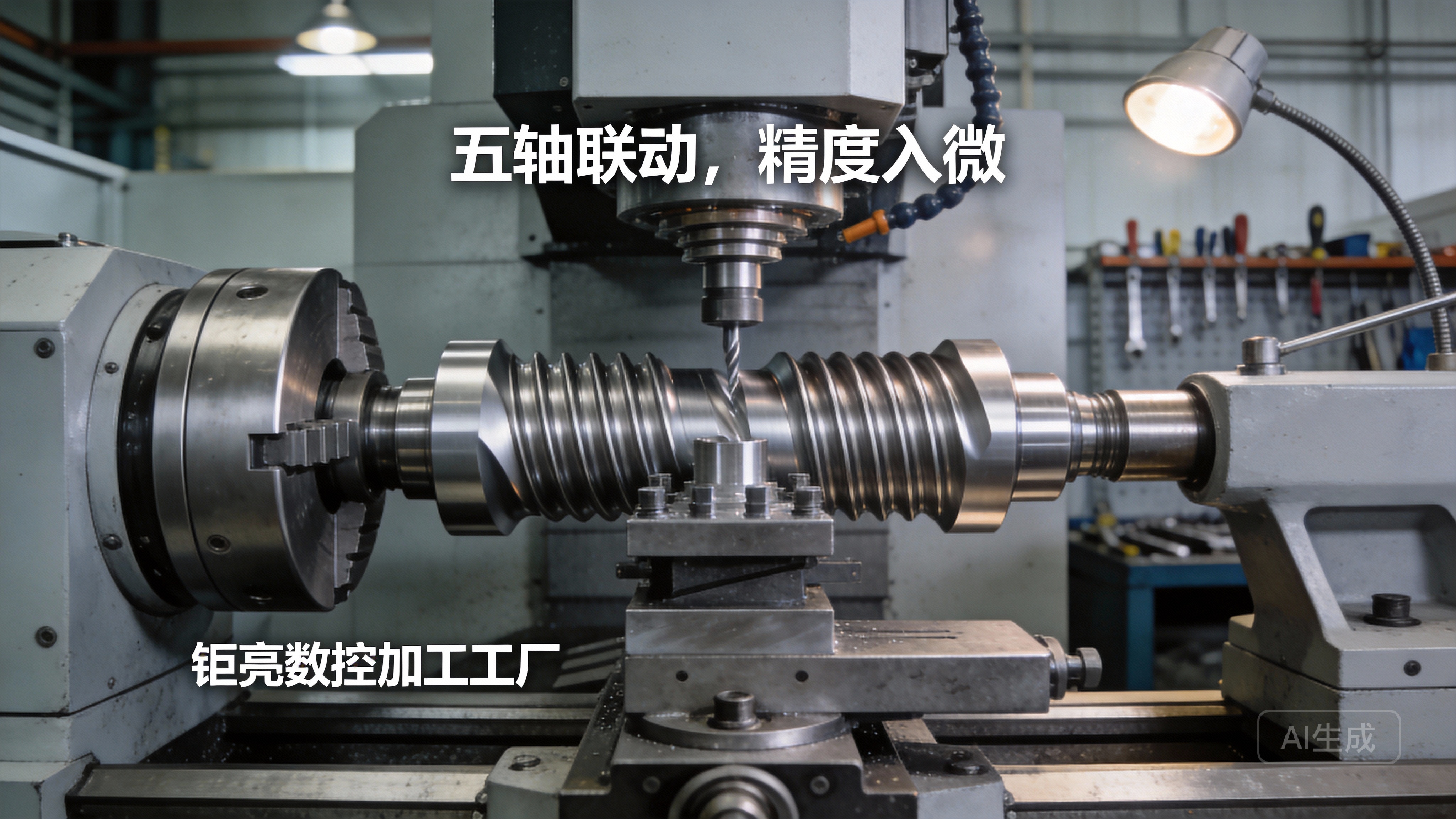
The key advantage lies in reducing total lead time. Where a traditional approach might require waiting 2-3 weeks for tooling setup and multiple fixtures, a five-axis CNC machine can produce the EV Busbar Insulator Support Rapid Prototype in as little as 3-5 business days, including material sourcing and quality inspection.
Overcoming Critical Challenges in Busbar Insulator Support Prototyping
Challenge 1: Electrical Creepage and Clearance Requirements
One of the most common failure points in early prototype iterations is inadequate creepage distance—the shortest path between two conductive parts along the insulator surface. For 800V systems, IEC 60664-1 requires minimum creepage distances of 8-12 mm depending on pollution degree and material group.
Solution: Advanced CAM software integrated with five-axis machining allows for variable-depth grooving along the insulator surface, effectively lengthening the creepage path without increasing the component’s physical footprint. GreatLight Metal’s engineering team typically incorporates these features during the prototype phase, using their DFM (Design for Manufacturing) expertise to optimize the geometry before production.
Challenge 2: Thermal Management Integration
Modern EV busbars can carry currents exceeding 500A, generating significant heat. The EV Busbar Insulator Support Rapid Prototype must therefore incorporate thermal management features without compromising electrical insulation.
Real-World Example: In a recent project for an electric SUV battery pack, engineers needed a busbar support that integrated both PEEK insulation and aluminum heat sink channels. The five-axis CNC approach allowed machining of the aluminum core with internal coolant passages, then precisely milling the PEEK overmold with matching features. The prototype achieved a 35% improvement in thermal dissipation compared to the previous design iteration.
Challenge 3: Material Selection and Machinability
Engineering thermoplastics used for busbar insulators present unique machining challenges:
PEEK: Excellent mechanical properties but prone to work hardening and burr formation
Ultem (PEI): Good dimensional stability but can show stress cracking if machined incorrectly
PPS: High stiffness but brittle, requiring specialized tool paths
Glass-filled Nylons: Abrasive to cutting tools, requiring carbide or diamond-coated tooling
GreatLight CNC Machining Factory’s experience with over 30 different engineering plastics ensures that the EV Busbar Insulator Support Rapid Prototype achieves the optimal balance of material properties and machined surface quality. Their technicians regularly perform test cuts to determine optimal feeds, speeds, and tool geometries for each material variant.
Quality Assurance: More Than Just Dimensional Accuracy
When we discuss an EV Busbar Insulator Support Rapid Prototype, quality extends far beyond checking print dimensions. The prototype must also validate:
Dielectric Withstand Voltage: Testing at 2x the operating voltage plus 1000V for 60 seconds
Partial Discharge Levels: Below 5 pC at 1.5x operating voltage
Thermal Cycling Endurance: 500 cycles from -40°C to 150°C
Vibration Resistance: 10-2000 Hz at 5g acceleration
Flame Retardancy: UL 94 V-0 at 3.2 mm thickness
ISO 9001:2015 certification, as maintained by GreatLight Metal, ensures that every prototype undergoes documented quality control procedures. Their in-house precision measurement equipment, including CMM (Coordinate Measuring Machine) and optical comparators, verifies that the EV Busbar Insulator Support Rapid Prototype meets all specified tolerances before shipment.
Comparing Service Providers: What to Look For
Not all CNC machining services are equipped to handle the complexity of an EV Busbar Insulator Support Rapid Prototype. Based on extensive industry experience, here’s how leading providers compare:
| Capability | GreatLight Metal | Protolabs | Xometry | Fictiv |
|---|---|---|---|---|
| Five-Axis Capacity | Yes (20+ machines) | Limited | Network-based | Limited |
| Engineering Support | In-house DFM review | Automated DFM | Automated DFM + select engineers | Project-based |
| Material Certifications | Full traceability | Standard | Varies | Varies |
| Lead Time (typical) | 3-5 days | 5-7 days | 7-10 days | 5-8 days |
| Post-Processing Options | 15+ finishes | 10+ finishes | Network-dependent | Network-dependent |
While platforms like Protolabs and Xometry offer convenience through automated quoting, they often cannot match the engineering depth that a specialized manufacturer like GreatLight Metal brings to complex insulator support designs. For an EV Busbar Insulator Support Rapid Prototype that requires iterative design refinement, direct engagement with experienced manufacturing engineers proves invaluable.
The Road Ahead: Future Trends in Busbar Insulator Support Prototyping
As EV architectures continue evolving toward 1200V silicon carbide (SiC) inverters and solid-state batteries, the demands on busbar insulator supports will intensify. Several emerging trends will shape future prototyping:
Multi-Material Hybrid Prototypes: Combining injection-molded thermoplastics with insert-molded metal components in a single prototype
In-Process Measurement Integration: Real-time quality feedback during machining to reduce iteration cycles
Digital Twin Validation: Simulating manufacturing processes before physical machining to predict distortions and optimize tool paths
Sustainability-Driven Design: Prototyping with recyclable thermoplastics and optimizing material usage through advanced nesting algorithms
GreatLight CNC Machining Factory has already invested in integrating these capabilities, positioning itself to meet the next generation of EV manufacturing challenges.
Making the Right Choice for Your Prototype
When selecting a partner for your EV Busbar Insulator Support Rapid Prototype, consider these evaluation criteria:
Technical Competence: Does the manufacturer have experience with your specific material and tolerance requirements?
Communication Cadence: Will you receive regular updates with photos and measurement data?
Iteration Support: Can they accommodate design modifications within 24 hours?
Certification Compliance: Do they maintain ISO 9001, IATF 16949, or medical-grade certifications?
Post-Processing Capabilities: Can they provide surface treatments, markings, or assembly services?
GreatLight Metal’s decade-long track record in precision manufacturing, combined with its comprehensive equipment arsenal and experienced engineering team, makes it a reliable partner for demanding EV Busbar Insulator Support Rapid Prototype projects. Their facility in Dongguan’s Chang’an District operates under strict quality management systems, ensuring that every prototype meets or exceeds industry standards.
Conclusion: The Strategic Value of Rapid Prototyping Excellence
The EV Busbar Insulator Support Rapid Prototype represents more than just an early sample—it’s the proving ground where theoretical designs encounter real-world manufacturing constraints. By investing in high-quality rapid prototyping through advanced five-axis CNC machining, EV manufacturers can:
Reduce development cycles by 40-60%
Identify manufacturing challenges before production tooling
Validate electrical and thermal performance under realistic conditions
Accelerate time-to-market for new vehicle platforms
As the EV industry continues its explosive growth, the companies that prioritize prototyping excellence will be best positioned to lead in innovation and reliability. Whether you’re developing a next-generation battery pack or refining existing power distribution systems, the quality of your EV Busbar Insulator Support Rapid Prototype will directly impact your project’s success.
For engineers and procurement professionals seeking a manufacturing partner with proven capabilities in precision EV Busbar Insulator Support Rapid Prototype production, GreatLight CNC Machining Factory offers the technical depth, equipment breadth, and quality systems necessary to transform design concepts into production-ready prototypes. The journey from concept to reliable EV component begins with a properly executed EV Busbar Insulator Support Rapid Prototype—and the right manufacturing partner makes all the difference.


![[访谈] RAPID + TCT 2024:人工智能对 3D 打印的价值](https://print-ing.com/wp-content/uploads/2024/07/INTERVIEW-60x60.jpeg "[访谈] RAPID + TCT 2024:人工智能对 3D 打印的价值 9")




发表回复
要发表评论,您必须先登录。