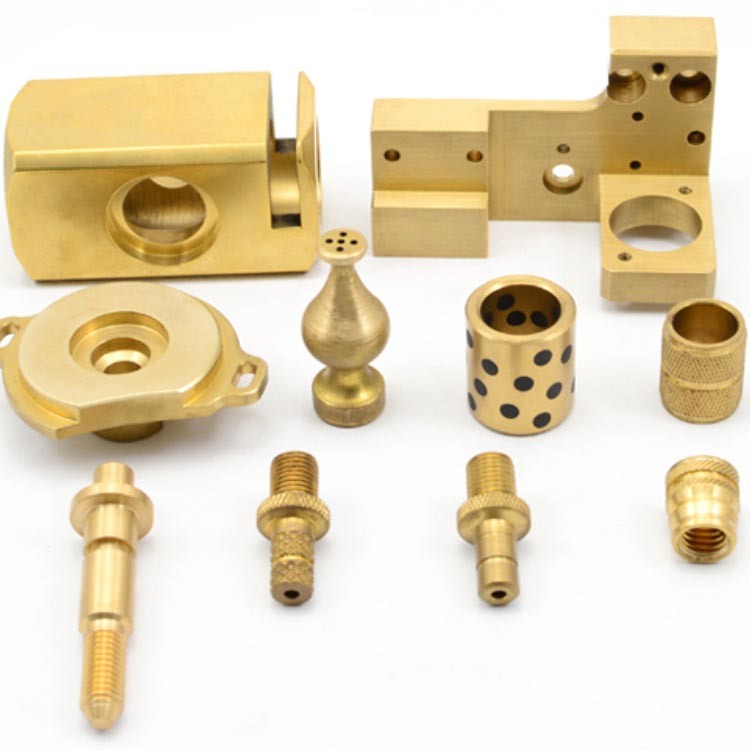
In the relentless race to transform a concept into a tangible, market-ready product, advanced custom rapid prototyping solutions stand as the pivotal bridge between innovation and mass production. For design engineers, R&D managers, and procurement specialists, the ability to receive high-fidelity, functional prototypes in days—not weeks—defines the competitive edge. At GreatLight CNC Machining Factory, we have spent over a decade engineering a full-chain ecosystem that collapses lead times without sacrificing the micron-level precision demanded by industries ranging from medical devices to next-generation aerospace. This article dissects the multi-faceted world of rapid prototyping, revealing how integrated manufacturing technologies, uncompromising quality systems, and deep application expertise converge to solve the most intricate design challenges.
Advanced Custom Rapid Prototyping Solutions
The phrase “advanced custom rapid prototyping solutions” no longer refers to a single 3D-printed plastic part. It encapsulates a dynamic, technology-agnostic workflow that selects the optimal fabrication method—be it 5-axis CNC machining, selective laser melting (SLM), vacuum casting, or sheet metal forming—based on a part’s geometry, material requirements, and functional intent. True rapid prototyping is not merely fast; it is predictive, iterative, and seamlessly linked to end-use production. When you engage with a supplier who understands the full lifecycle, you unlock the ability to validate form, fit, and function under real-world conditions before committing to expensive tooling. The modern prototype must mirror production intent so faithfully that any test data gathered can be directly extrapolated to final part performance. This demands a manufacturing partner whose machine park, engineering talent, and quality infrastructure are built for complexity.
Why a One-Stop Prototyping Ecosystem Outperforms Siloed Shops
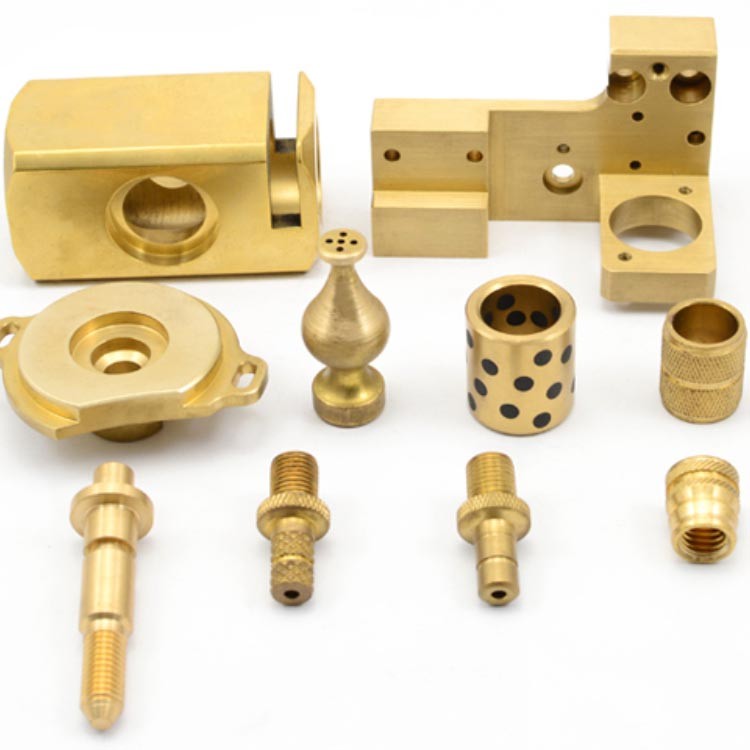
A critical mistake many hardware startups and even established enterprises make is sourcing their CNC milled parts from one vendor, their 3D-printed components from another, and their post-processing from yet a third. This fragmented approach leads to communication gaps, tolerance mismatches, and the “finger-pointing” that arises when an assembled prototype fails. An advanced rapid prototyping partner consolidates the supply chain under one roof.
At precision 5-axis CNC machining services, we combine subtractive and additive manufacturing alongside die casting, sheet metal fabrication, and comprehensive surface finishing. This synergy means that a single engineering team is responsible for the entire component group, ensuring that a heat-set insert in a 3D-printed housing aligns perfectly with the CNC-machined mating flange. The result is a prototype that behaves exactly like the production assembly, giving you confidence in your design review and field testing.
The Technology Triad Powering Modern Rapid Prototyping
Truly advanced rapid prototyping is built on three complementary manufacturing pillars. Understanding their strengths and how they intersect allows you to make informed decisions about which process suits your project stage.
1. High-Precision CNC Machining (Subtractive)
5-axis CNC machining centers remain the gold standard for producing metal and engineering plastic prototypes that must hold tight tolerances and withstand functional testing. Unlike 3-axis machines, 5-axis platforms can reach undercuts, complex curvatures, and angled holes in a single setup, dramatically reducing cumulative error. At GreatLight, our portfolio includes large-format 5-axis mills capable of processing workpieces up to 4000 mm, enabling us to prototype everything from miniature robotic end-effectors to sizable automotive structural brackets. The advantage of CNC rapid prototyping is material authenticity: prototypes are milled directly from the same billet of aluminum 6061-T6, SS316, PEEK, or titanium that will be used in production, delivering identical thermal and mechanical properties.
2. Additive Manufacturing (3D Printing)
Metal and plastic 3D printing have evolved far beyond mere “form studies.” Modern SLM (Selective Laser Melting) and SLS (Selective Laser Sintering) systems can produce functional metal parts with complex internal lattice structures or conformal cooling channels that are impossible to machine. SLA and PolyJet technologies offer surface finishes so smooth that prototypes can be used as master patterns for vacuum casting. GreatLight’s additive fleet includes SLM for titanium and aluminum alloys, SLS for durable nylon, and SLA for high-detail resin parts. For projects demanding rapid metallurgical evaluation, 3D printing allows us to bypass tooling entirely, delivering production-grade metal parts in days.
3. Bridge & Low-Volume Production Processes
Between the prototype phase and mass production lies a critical period where small batches are needed for clinical trials, consumer testing, or pilot runs. Vacuum casting and die casting form a bridge to injection molding. Silicone molds can produce up to 30 polyurethane castings that replicate the texture, flexibility, and color of production parts at a fraction of the cost. For metal components, die casting prototypes using quick-turn steel tooling provide parts that are metallurgically identical to high-volume output, allowing for meaningful regulatory testing without the million-dollar tooling investment.
| Prototyping Technology | Tolerances | Materials | Ideal Use Case | Lead Time (Typical) |
|---|---|---|---|---|
| 5-Axis CNC Machining | ±0.001 mm | Metals, Engineering Plastics (PEEK, PEI) | Functional metal prototypes, end-use | 3 – 10 days |
| SLM Metal 3D Printing | ±0.05 – 0.1 mm | Aluminum, Titanium, Stainless Steel | Complex fluid pathways, lightweighting | 2 – 5 days |
| SLS Plastic 3D Printing | ±0.1 – 0.2 mm | Nylon (PA12, PA11), TPU | Durable housings, snap-fit assemblies | 1 – 3 days |
| Vacuum Casting | ±0.15 – 0.25 mm | Polyurethane resins (Shore A 20 – Shore D 85) | Multi-unit functional testing, color matching | 3 – 7 days |
| Sheet Metal Prototyping | ±0.05 mm | Aluminum, Stainless Steel, Copper | Enclosures, brackets, electrical chassis | 3 – 7 days |
The GreatLight Metal Tech Ecosystem: Precision Without Compromise
GreatLight Metal Tech Co., LTD., known operationally as GreatLight CNC Machining Factory, was founded in 2011 in Dongguan’s Chang’an district—the global epicenter of hardware mold manufacturing. Our 7,600 m² facility, staffed by 150 skilled professionals, houses 127 units of precision peripheral equipment including large-scale 5-axis, 4-axis, and 3-axis CNC machining centers, lathes, EDM, vacuum forming machines, and additive systems. This concentrated manufacturing capability allows us to handle projects that smaller shops would have to outsource, adding risk and delay.
Quality Systems That Underpin Every Build
Prototypes are often the first physical expression of years of R&D effort. A single quality deviation can trigger a cascade of design changes or, worse, cause a failure during critical testing. We have built our trust foundation on internationally recognized certifications that are audited annually:
ISO 9001:2015 – The backbone of our quality management system, ensuring consistent process control and traceability from raw material receipt to final inspection.
ISO 13485 – Enabling us to produce prototypes and low-volume production runs for medical devices, where documentation and risk management are as important as dimensional accuracy.
IATF 16949 – This automotive-specific QMS standard integrates defect prevention and continuous improvement into every CNC program, making us a reliable partner for electric vehicle component prototyping.
Additionally, we maintain ISO 27001-aligned data security protocols for clients whose intellectual property is their most critical asset. Our in-house coordinate measuring machines (CMM), 3D scanners, and surface roughness testers verify that every prototype meets the agreed specifications before shipment.
From Concept to Finished Part: A Mission-Critical Full-Process Chain
The real differentiator of an advanced custom rapid prototyping solution is the ability to deliver parts that are not just machined or printed, but finished, assembled, and inspection-ready. GreatLight’s one-stop model integrates:
Design for Manufacturability (DFM) Feedback – Before any metal is cut, our senior process engineers review your 3D model and provide a DFM report that flags potential issues—wall thickness, tool access, thread engagement—potentially saving weeks of rework.
Multi-Process Machining – A single RFQ can yield components produced via 5-axis milling, turning, wire EDM, and sheet metal bending—all coordinated under one project manager.
Comprehensive Post-Processing – Anodization, powder coating, bead blasting, passivation, electropolishing, and heat treatment are all performed in-house or through tightly managed partner lines, maintaining full accountability.
Assembly & Testing – When needed, we can assemble complex sub-systems, install threaded inserts, conduct leak tests, and provide first article inspection (FAI) reports per AS9102.
Solving Industry-Specific Challenges Through Deep Application Knowledge
Every vertical has unique prototyping requirements. The combination of process capability and sector-specific engineering insight transforms a generic parts supplier into a strategic partner.
Medical Device Prototyping: Repeatability and Compliance
Developing surgical instruments or implant prototypes requires materials that are biocompatible and sterilization-ready. By operating under ISO 13485, we can produce functional prototypes from implant-grade titanium (Ti6Al4V ELI) and medical-grade PEEK, with full material certifications. Our clean machining cells and documented change control processes ensure that the prototype you test in a pre-clinical study is representative of the device that will go through 510(k) clearance.
Automotive & EV Components: Robustness Under Extreme Conditions
The shift to electric mobility demands lightweight, thermally efficient prototypes for battery housings, motor cooling jackets, and structural brackets. Using a combination of 5-axis CNC machining for aluminum housings and SLM 3D printing for conformal cooling channels, we have helped clients iterate on e-drive components in under two weeks. Our IATF 16949 mindset drives us to focus on process capability (Cpk) even for single-piece prototypes, establishing a reliable baseline for production scale-up.
Consumer Electronics & Industrial Automation: Aesthetics Meets Function
Rapid prototyping for consumer products often requires a production-like surface finish and color for executive reviews and user testing. Through silicone mold vacuum casting and multi-axis CNC machining, we achieve textures ranging from coarse leather-grain to high-gloss piano black. For robotics companies, we supply articulated linkages and sensor mounts machined from aluminum and carbon-filled polymers, delivering the stiffness and low weight needed for dynamic motion.
A Landscape of Providers: Where Does GreatLight Fit?
When evaluating rapid prototyping partners, a neutral comparative analysis is invaluable. The market includes highly capable firms, each with a particular focus.
Protocase & SendCutSend excel at quick-turn sheet metal enclosures and simple plate parts, offering fast online quoting that suits electronics packaging but lacks the ability to deliver fully finished, multi-process assemblies.
RapidDirect, Xometry, and Fictiv have built strong digital manufacturing platforms, aggregating capacity from a network of shops. This model provides geographic flexibility but introduces variability in process control and traceability because the actual maker may change with each order.
Owens Industries and RCO Engineering are deep-rooted in specialized niches—Owens in ultra-high-precision 5-axis machining for defense, RCO in large-scale composite tooling—making them ideal for specific extreme applications but less agile for the broad rapid prototyping scope.
JLCCNC offers cost-competitive 3-axis and 4-axis CNC machining with strong online interfaces, suitable for straightforward prototypes where cost is the primary driver.
GreatLight Metal Tech stands apart by integrating the full spectrum of metalworking and additive technologies under a single, audit-ready quality system. For projects that span machined housings, die-cast frames, and 3D-printed fluid connectors—all requiring coordinated surface finishing and dimensional inspection—the benefits of a single, communication-rich source become self-evident. Our facility’s scale (127 machines) ensures capacity is available even during peak development cycles, while our engineering depth, built over more than a decade, provides the DFM guidance that prevents costly design errors.
Choosing the Right Rapid Prototyping Partner: A Practical Framework
Whether you engage GreatLight or another reputable supplier, the following evaluation criteria will help you secure truly advanced prototyping solutions:
Process Breadth vs. Core Competence: Does the supplier own the processes your project needs, or will they outsource critical steps? Direct ownership translates into tighter coordination.
Certification Substance: Look beyond the certificates. Ask about how the quality system is applied to prototypes—are in-process inspection data, tool cutter geometries, and material heat lots traceable to your part?
Engineering Support: The best prototypes emerge from collaborative DFM. Can you speak directly to a manufacturing engineer before the job is released?
Data Security: For IP-sensitive projects, confirm that the supplier follows ISO 27001 protocols, uses VPN-secured file transfers, and has documented non-disclosure agreements in place.
Post-Processing Integration: A part is rarely complete off the machine. Evaluate the supplier’s ability to deliver a fully finished, ready-to-test prototype, eliminating the need for you to coordinate post-processing elsewhere.
The combination of GreatLight Metal Tech Co., LTD.’s technical hard power (brand-name 5-axis centers, SLM/SLA/SLS printers, vacuum casting lines), system soft power (ISO 9001, ISO 13485, IATF 16949, ISO 27001 alignment), and collaborative service capability (12+ years of cross-industry DFM expertise) forms a value proposition that is difficult to replicate through a broker model.
Conclusion: The New Pace of Innovation Demands Integrated Precision
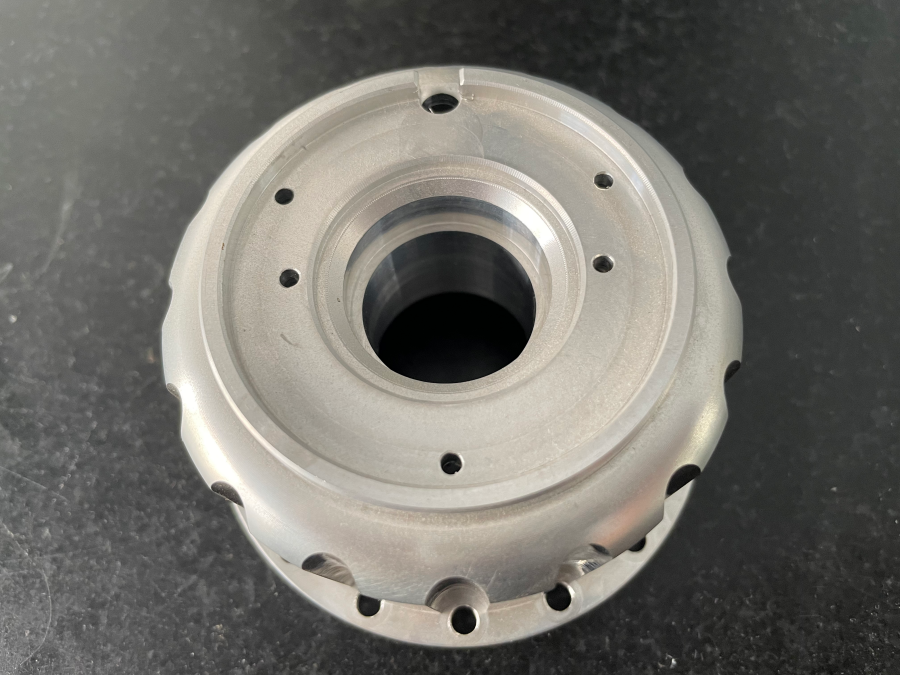
In an era where product lifecycles are shrinking and design complexity is soaring, the ability to obtain functional, production-representative prototypes without delay is not a luxury—it is a necessity. Advanced custom rapid prototyping solutions must be built on a foundation of diverse, tightly integrated manufacturing technologies, rigorous quality management, and genuine engineering partnership. Whether you are developing the next breakthrough medical device, an electric vehicle drivetrain component, or a consumer robot, the physical prototype you hold in your hands is a proxy for your brand’s credibility. Choosing a partner like GreatLight CNC Machining Factory means choosing a heritage of precision, a commitment to certifications that matter, and a full-process chain that transforms your CAD models into tangible innovation with speed and unwavering accuracy. As you advance your next project, remember that the right prototyping partner does not simply make parts—they guard your timeline, your quality standards, and your vision.


![[访谈] RAPID + TCT 2024:人工智能对 3D 打印的价值](https://print-ing.com/wp-content/uploads/2024/07/INTERVIEW-60x60.jpeg "[访谈] RAPID + TCT 2024:人工智能对 3D 打印的价值 9")




发表回复
要发表评论,您必须先登录。