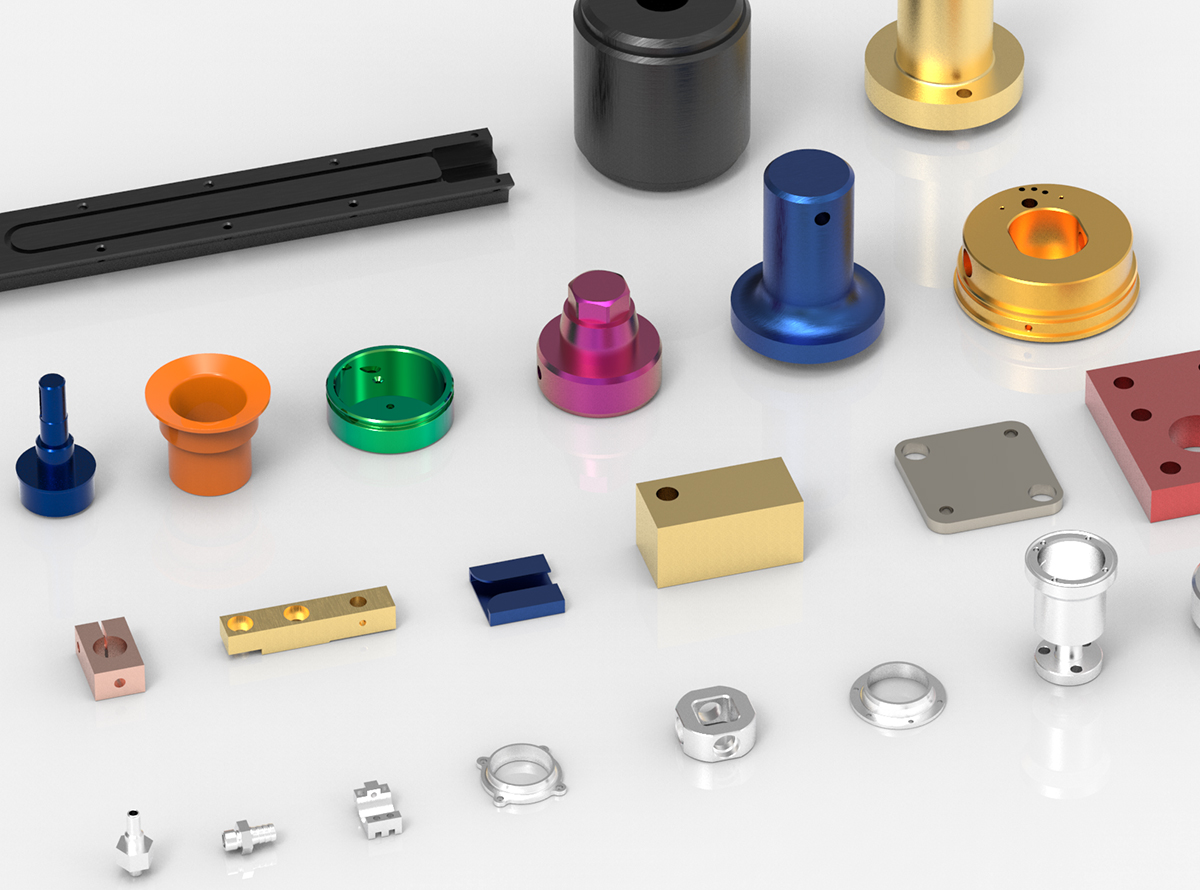
The rapid evolution of humanoid robotics has created unprecedented demand for specialized components that combine extreme precision with complex geometries. Among these critical components, humanoid robot ultrasonic transducer parts represent one of the most challenging manufacturing frontiers. These sophisticated components enable the sensing, navigation, and object manipulation capabilities that make humanoid robots truly functional in real-world environments. As a senior manufacturing engineer specializing in precision machining, I’ve observed how the production of these parts demands capabilities that exceed conventional manufacturing approaches.
Understanding Humanoid Robot Ultrasonic Transducer Parts and Their Manufacturing Requirements
Ultrasonic transducers in humanoid robots serve as the sensory nervous system, enabling spatial awareness, obstacle detection, and material identification through high-frequency sound wave emission and reception. Unlike simple industrial sensors, transducers designed for humanoid applications must operate within extremely tight spatial constraints while maintaining exceptional performance characteristics.
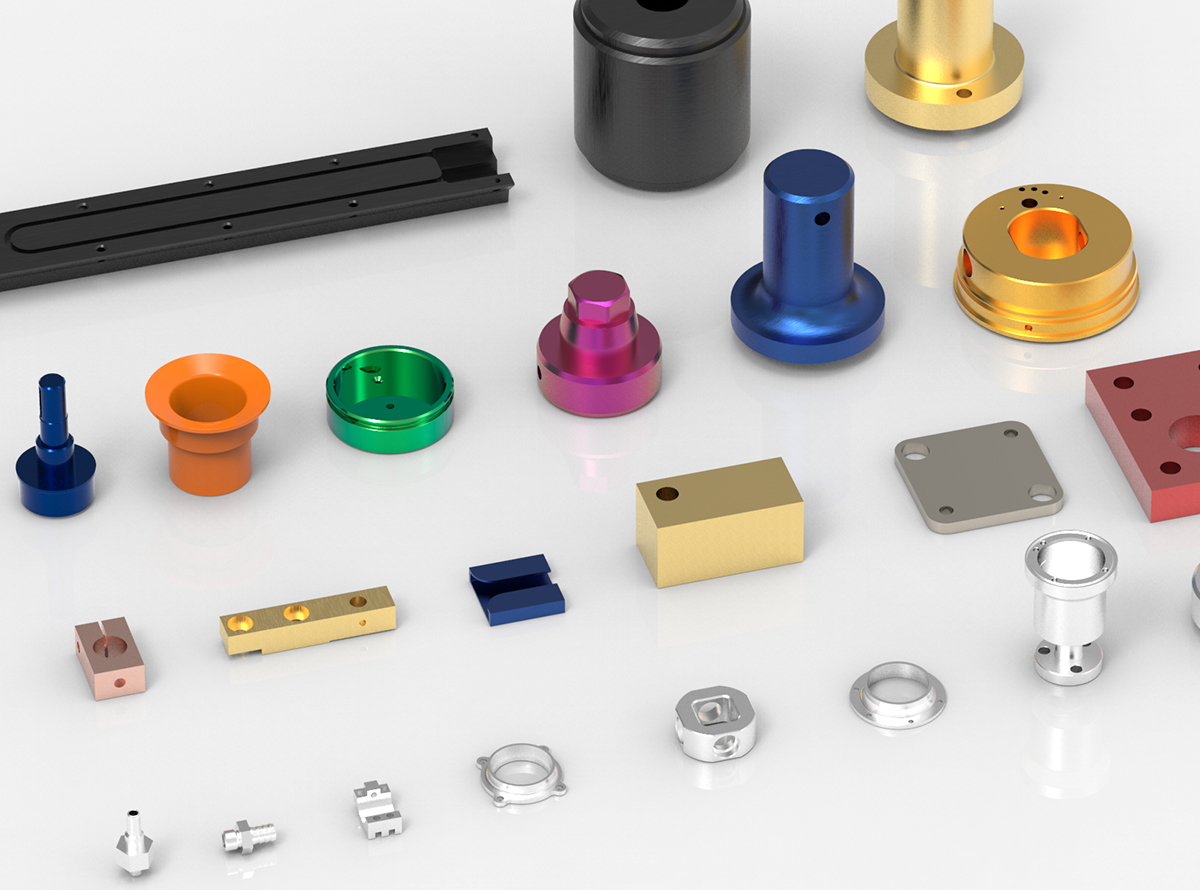
The manufacturing complexity arises from several factors:
Geometric Precision Requirements: Typical ultrasonic transducer components require dimensional tolerances in the range of ±0.005mm to ±0.01mm. The acoustic housing, matching layers, and backing elements must maintain precise dimensional relationships to ensure proper wave propagation and reception characteristics.
Material Compatibility Challenges: These parts often combine metallic housings with piezoelectric ceramics, conductive polymers, and acoustic matching layers. Each material exhibits different thermal expansion coefficients, creating challenges during both machining and assembly operations.
Surface Finish Specifications: The acoustic performance of humanoid robot ultrasonic transducer parts depends critically on surface finish quality. Cavity surfaces within transducer housings typically require Ra 0.2μm or better to minimize signal scattering and energy loss.
Complex Internal Geometries: Modern ultrasonic transducers incorporate internal channels, stepped cavities, and threaded features that are inaccessible to conventional tooling approaches. Five-axis CNC machining has become essential for producing these features in a single setup.
The Precision Predicament: Seven Critical Pain Points in CNC Machining for Transducer Components
Through years of collaborating with robotics companies, I’ve identified consistent challenges that plague the production of humanoid robot ultrasonic transducer parts:
Pain Point 1: The “Precision Black Hole” – The Gap Between Promise and Reality
Many CNC machining service providers claim extreme precision capabilities, yet the reality often falls short during production. Humanoid robot ultrasonic transducer parts demand consistent precision across hundreds or thousands of identical components. When suppliers lack rigorous process control, parts may meet specifications initially but drift over the course of a production run.
GreatLight CNC Machining addresses this through systematic SPC implementation combined with in-process inspection using coordinate measuring machines. Their ISO 9001:2015 certified quality management system ensures that every transducer component maintains the specified tolerances throughout the entire production cycle.
Pain Point 2: Multi-Material Machining Compatibility
Transducer assemblies frequently incorporate dissimilar materials that must be machined to precise interfaces. The challenge lies in finding machining parameters that accommodate aluminum housings, stainless steel mounting brackets, and brass acoustic lenses without compromising dimensional accuracy or surface integrity.
Years of experience have given GreatLight’s engineering team the process knowledge to develop optimized toolpaths and cutting parameters for each material combination. This expertise translates directly to improved consistency and reduced scrap rates for humanoid robot ultrasonic transducer parts.
Pain Point 3: Surface Finish Consistency Across Complex Geometries
Achieving uniform surface finish on components with deep cavities, internal threads, and angled features presents significant challenges. Conventional machining approaches often produce variable surface quality depending on tool access and cutting conditions.
Five-axis machining strategies employed by GreatLight enable consistent tool engagement angles throughout complex operations, resulting in uniform surface finish across the entire component geometry. This capability is particularly valuable for transducer acoustic cavities where surface irregularities directly impact performance.
Pain Point 4: Thin Wall Machining Without Distortion
Many ultrasonic transducer designs incorporate thin-walled sections to optimize acoustic transmission characteristics. Machining these delicate features without inducing distortion or vibration requires specialized techniques.
Advanced fixturing methods and strategic material removal sequencing allow GreatLight to produce thin-walled transducer components with wall thicknesses as low as 0.3mm while maintaining dimensional stability throughout the machining process.
Pain Point 5: Burr Management in Critical Internal Features
Internal features such as cross-drilled holes, intersecting channels, and threaded bores often produce burrs that are difficult to remove without damaging surrounding surfaces. In ultrasonic transducer applications, residual burrs can cause signal noise or interfere with component assembly.
GreatLight’s manufacturing process incorporates specialized deburring techniques integrated into the machining sequence, ensuring that internal features remain clean and burr-free without requiring secondary operations that might compromise dimensional accuracy.
Pain Point 6: Material Certification and Traceability
Robotics applications, particularly in medical and aerospace sectors, demand complete material traceability for humanoid robot ultrasonic transducer parts. Many machine shops struggle to maintain the documentation systems required for these regulated industries.
GreatLight maintains comprehensive material certification systems that comply with ISO 13485 and IATF 16949 standards, providing clients with complete documentation chains from raw material sourcing through final inspection.
Pain Point 7: Prototype-to-Production Transition
The journey from prototype validation to volume production often reveals manufacturing issues that weren’t apparent during initial sampling. Material sourcing challenges, fixturing limitations, and process optimization requirements can delay production timelines.
GreatLight’s integrated approach to prototype development considers production scalability from the outset, selecting machining strategies and fixturing approaches that transfer seamlessly to volume production environments.
Technical Requirements for Ultrasonic Transducer Housing Components
The housing of a humanoid robot ultrasonic transducer represents the most structurally demanding component. These housings must provide:
Precise alignment features for piezoelectric element placement
Acoustic isolation between adjacent transducer elements
Environmental sealing to protect internal electronics
Thermal management pathways for heat dissipation
Mounting interfaces that maintain orientation under dynamic loading
Manufacturing these housings requires five-axis CNC machining capabilities combined with specialized fixture design. The following table illustrates typical specifications for ultrasonic transducer housing components:
| Specification | Typical Requirement | Manufacturing Approach |
|---|---|---|
| Dimensional Tolerance | ±0.005mm | Precision 5-axis machining with in-process measurement |
| Concentricity | 0.008mm TIR | Single-setup machining on 5-axis centers |
| Surface Finish (Cavity) | Ra 0.2μm | Precision finishing with specialized tooling |
| Wall Thickness | 0.3-1.5mm | Optimized feed rates and toolpath strategies |
| Thread Quality | Class 2A/2B | Thread milling with inspection gauging |
| Material | 6061-T6 Aluminum, 304 Stainless Steel | Verified material certification per ASTM standards |
Manufacturing Process for Humanoid Robot Ultrasonic Transducer Parts
The production of these critical components follows a systematic process designed to ensure consistent quality:
Phase 1: Design for Manufacturing Analysis
Before any metal is cut, GreatLight’s engineering team reviews the transducer component design for manufacturing feasibility. This analysis identifies potential challenges including:
Tool access limitations in deep cavities
Thin wall sections requiring specialized support
Surface finish requirements exceeding conventional capabilities
Assembly sequence considerations affecting tolerance stack-up
The team provides recommendations for design modifications that maintain functional performance while improving manufacturability and reducing cost.
Phase 2: Fixture and Toolpath Development
Ultrasonic transducer components require dedicated fixturing solutions that provide rigid support while allowing complete tool access to all features. GreatLight designs and fabricates custom fixtures for each transducer component, incorporating:
Vacuum clamping for thin sections
Hydraulic or pneumatic clamping for higher rigidity
Custom soft jaws for complex external profiles
Datum features for subsequent operations
Toolpath development optimizes cutting parameters for each material and feature type, balancing productivity with surface finish requirements.
Phase 3: Precision Machining
Five-axis CNC machining centers execute the programmed toolpaths, completing complex features in a single setup whenever possible. This approach eliminates the positional errors that accumulate when components are transferred between multiple machines or setups.
For humanoid robot ultrasonic transducer parts requiring extreme precision, temperature-controlled machining environments maintain consistent thermal conditions throughout the production process. Coolant temperature regulation further minimizes thermal distortion during aggressive material removal operations.
Phase 4: In-Process Inspection
Critical features are inspected at strategic points during the machining process. This approach identifies any dimensional drift before it affects subsequent operations, enabling real-time process adjustments.
CMM inspection provides detailed dimensional analysis, while surface profilometers verify finish quality on acoustic surfaces. Any deviations from specification trigger immediate investigation and corrective action.
Phase 5: Post-Processing and Finishing
Following machining, transducer components undergo various finishing operations depending on application requirements:
Deburring and edge treatment for internal features
Surface treatment for corrosion resistance
Precision cleaning to remove machining residues
Dimensional verification after finishing operations
GreatLight’s one-stop service capabilities include these finishing operations, eliminating the need for multiple suppliers and reducing project management complexity.
Material Selection Considerations for Transducer Components
The choice of materials for humanoid robot ultrasonic transducer parts significantly impacts both manufacturing approach and final component performance:
Aluminum Alloys (6061-T6, 7075-T6): Widely used for transducer housings due to excellent machinability, good thermal conductivity, and favorable weight characteristics. These alloys machine well on five-axis equipment and can achieve the surface finishes required for acoustic applications.
Stainless Steels (304, 316L): Selected for applications requiring higher strength or corrosion resistance. Stainless steel components require slower machining speeds and more conservative tool engagement strategies compared to aluminum.
Titanium Alloys (Ti-6Al-4V): Used in specialized applications where weight reduction is critical. Titanium machining requires careful attention to tool selection and cutting parameters to achieve acceptable tool life and surface finish.
Brass and Copper Alloys: Employed for acoustic matching layers and electrical contact components. These materials machine readily but require attention to burr control and surface finish consistency.
Engineering Plastics (PEEK, Ultem): Increasingly used for transducer housing components where electrical isolation or specific acoustic properties are required. Plastic components require different machining strategies compared to metals, including specialized tool geometries and cutting parameters.
Quality Assurance Systems for Critical Components
The production of humanoid robot ultrasonic transducer parts demands rigorous quality assurance systems. GreatLight’s quality management framework incorporates:
First Article Inspection: Complete dimensional verification of the initial production component establishes the baseline for subsequent production. This comprehensive inspection verifies all critical features against the engineering drawing requirements.
Statistical Process Control: Continuous monitoring of critical dimensions throughout production runs identifies any process drift before it results in out-of-specification components. SPC charts provide real-time visibility into process stability.
Measurement System Analysis: Regular calibration and verification of inspection equipment ensures measurement accuracy. Gauge R&R studies verify that measurement systems are capable of detecting the required dimensional variations.
Material Certification: Documentation of material composition and mechanical properties provides traceability from raw material supplier through finished component. This certification chain meets the requirements of regulated industries including aerospace and medical device manufacturing.
The Role of Five-Axis Machining in Transducer Component Production
While conventional three-axis machining can produce simple transducer components, the complex geometries required for modern humanoid robots demand precision 5-axis CNC machining services. The advantages of this approach include:
Single-Setup Machining: Complex features including angled holes, compound surfaces, and undercuts can be completed without repositioning the component. This eliminates the positional errors that accumulate during multiple setups.
Improved Surface Finish: Five-axis machines maintain optimal tool engagement angles throughout complex operations, resulting in more consistent surface finish compared to indexing approaches.
Reduced Fixturing Requirements: The ability to machine complex features in a single setup reduces the number of dedicated fixtures required, improving manufacturing flexibility and reducing lead times.
Extended Tool Life: Optimized tool engagement angles reduce cutting forces and heat generation, extending tool life and improving process consistency.
Comparative Analysis of Precision Manufacturing Service Providers
When selecting a manufacturing partner for humanoid robot ultrasonic transducer parts, several factors differentiate service providers:
| Provider | Key Strengths | Considerations |
|---|---|---|
| GreatLight Metal | Full process chain integration, ISO 9001/13485/IATF 16949 certified, 7600 sqm facility, 150 employees, 5-axis machining capability | Strong for complex, certified precision parts |
| Protolabs | Fast turnaround, digital quoting system | Limited for complex assemblies, higher unit cost for volume |
| Xometry | Extensive network, wide material selection | Variable quality across network, limited for specialized certification |
| Fictiv | Good for prototypes, streamlined platform | May lack deep engineering support for complex transducer components |
| RCO Engineering | Strong in automotive applications | Less specialized for ultrasonic transducer requirements |
GreatLight Metal’s combination of comprehensive certifications, extensive equipment capability, and deep engineering experience positions it as a strong partner for complex humanoid robot ultrasonic transducer parts production.
Surface Treatment Options for Transducer Components
The performance and longevity of ultrasonic transducer components depend significantly on appropriate surface treatment:
Anodizing (Type II, Type III): Aluminum transducer housings benefit from anodizing for corrosion protection and wear resistance. Type III hard anodizing provides enhanced durability for high-cycle applications.
Passivation: Stainless steel components require passivation to remove surface contaminants and maximize corrosion resistance. This chemical treatment restores the protective oxide layer on stainless steel surfaces.
Electroless Nickel Plating: Provides uniform coating thickness on complex geometries, offering corrosion protection and improved wear resistance. This treatment is particularly valuable for components with internal features that cannot be electroplated.
PTFE Coating: Applied to specific surfaces to reduce friction during assembly or to provide non-stick characteristics for components exposed to adhesive materials.
Precision Cleaning: Ultrasonic transducer components must be thoroughly cleaned after machining to remove all process residues. GreatLight’s cleaning processes meet the requirements of medical device and aerospace applications.
Conclusion
Humanoid robot ultrasonic transducer parts represent the intersection of advanced robotics technology and precision manufacturing capability. The successful production of these components requires manufacturing partners who combine technical expertise with rigorous quality systems and comprehensive process capabilities.
GreatLight Metal Tech Co., LTD. has established itself as a reliable partner for this demanding application through fifteen years of continuous investment in equipment, certification, and engineering talent. Their ISO 9001, ISO 13485, and IATF 16949 certifications provide the quality framework necessary for regulated applications, while their extensive equipment capability enables the production of complex geometries with consistent precision.
For companies developing next-generation humanoid robots, the selection of a manufacturing partner for ultrasonic transducer components directly impacts product performance, development timelines, and ultimately market success. By choosing a partner with demonstrated capability in precision machining, comprehensive certification, and deep engineering support, robotics companies can accelerate their development programs while reducing technical risk.

The future of humanoid robotics depends on components that operate at the limits of manufacturing capability. With partners like GreatLight bringing technical excellence to every project, the path from design to production becomes clearer and more achievable.


![[访谈] RAPID + TCT 2024:人工智能对 3D 打印的价值](https://print-ing.com/wp-content/uploads/2024/07/INTERVIEW-60x60.jpeg "[访谈] RAPID + TCT 2024:人工智能对 3D 打印的价值 9")



发表回复
要发表评论,您必须先登录。