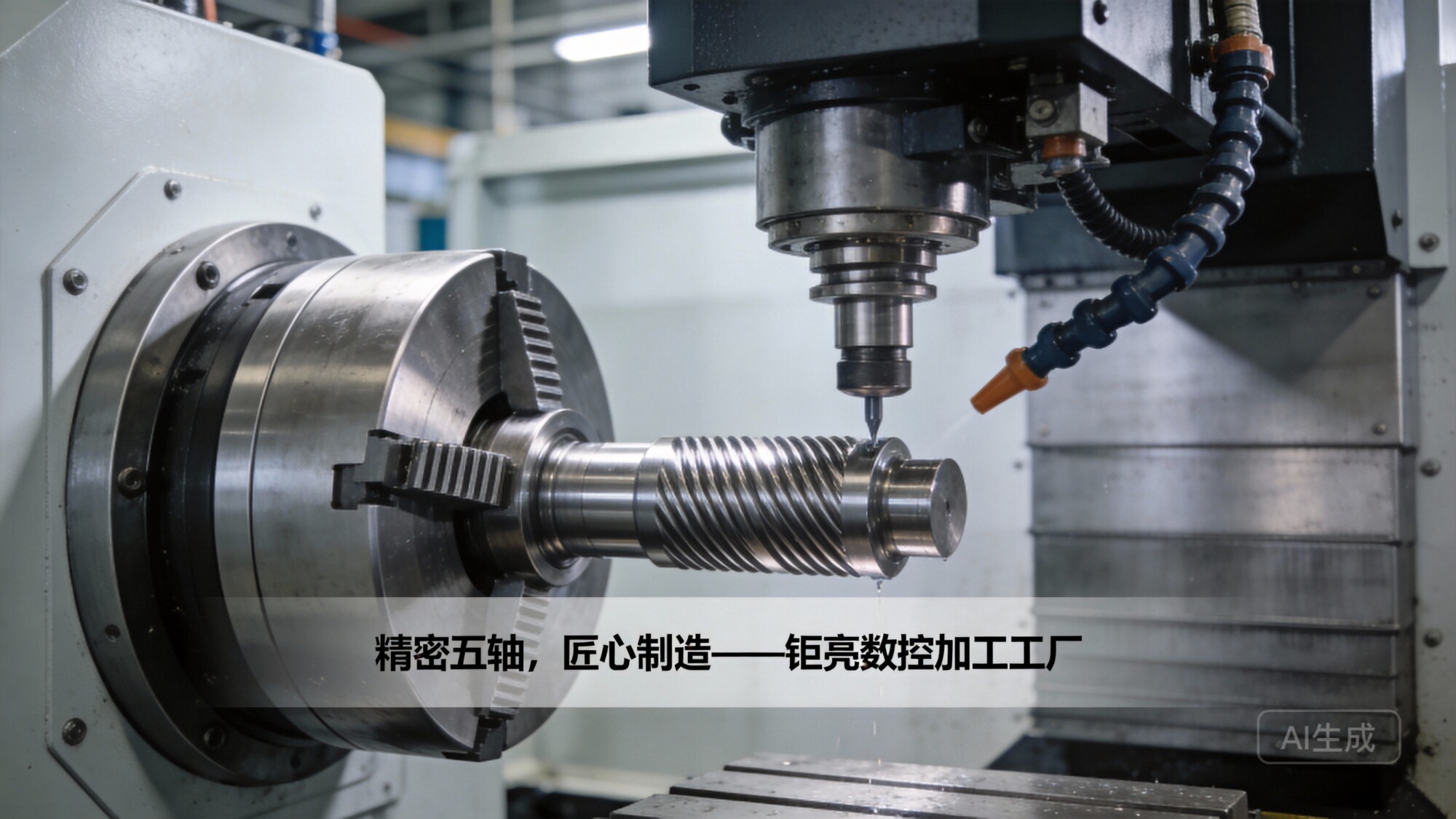
In the demanding world of power transmission, achieving reliable and efficient motion begins with components that are machined to near-perfect precision. Among these, the humble V‑belt pulley in cast iron remains an industry workhorse. Its success in everything from industrial motors to agricultural equipment hinges on one often‑overlooked factor: the quality of its machining. As a senior manufacturing engineer, I’ve seen how small deviations in a cast iron pulley can lead to catastrophic belt wear, vibration, and system failure. This article takes a deep dive into the science, challenges, and best practices of V belt pulley cast iron machining, and explains why partnering with a specialist manufacturer equipped with advanced five‑axis CNC technology makes all the difference.
V Belt Pulley Cast Iron Machining
V‑belt pulleys transmit mechanical power through grooved rims that grip mating belts. Cast iron – typically grades like GG20, GG25, FC250, or G3000 – is the material of choice because it offers an exceptional combination of wear resistance, vibration damping, and cost‑effectiveness. However, unleashing these benefits requires navigating a series of machining obstacles that are intrinsic to the material’s microstructure: the graphite flakes that make cast iron self‑lubricating also make it abrasive, brittle, and prone to interrupted cuts.
Key machining operations for a cast iron V‑belt pulley include:
Turning and boring the hub bore, outer diameter, and groove profiles to tight geometric tolerances.
Keyway cutting or broaching for secure shaft engagement.
Face milling and drilling for mounting holes or lightening pockets.
Dynamic balancing to eliminate vibration at operating speeds.
In all these steps, dimensional accuracy must be paired with strict form controls: concentricity between bore and grooves, minimal runout, and groove angles that precisely match belt specifications (classical, wedge banded, or metric profiles). Even a 0.05 mm deviation in groove side‑angle can cause accelerated belt wear and power loss.
The Precision Challenges of Machining Cast Iron
Machining V‑belt pulleys out of cast iron is not a straightforward “cut and ship” job. The following pain points are well known on the shop floor:
Abrasive Tool Wear – Graphite flakes in the iron act as a built‑in chip breaker but also rapidly abrade cutting edges. Without the right insert grades (e.g., CVD‑coated carbide or CBN) and optimised speeds/feeds, tool life plummets and dimensional drift becomes inevitable.
Interrupted Cuts and Vibration – The pulley’s asymmetrical geometry, especially when machining multiple grooves, subjects tools to repeated impacts. This excites chatter, degrades surface finish, and can lead to micro‑cracks in the cast skin.
Thermal Stability – Cast iron’s relatively high carbon content can cause workpiece expansion during heavy cuts. Holding tight IT6–IT7 tolerances requires stable machine tools and cutting fluid strategies to control thermal growth.
Dust and Chip Management – The fine, abrasive dust generated during dry or near‑dry machining must be effectively evacuated to protect guideways and spindle bearings.
Integration of Secondary Features – Many modern pulleys are not just simple discs; they incorporate pilot bores, sensor holes, balancing holes, or lightweight pockets that demand multi‑axis positioning accuracy.
Traditional three‑axis lathes and mills often require multiple setups, which stack tolerance errors. This is where advanced CNC technology transforms the equation.
The Role of Five‑Axis CNC Machining in Cast Iron Pulley Production
Precision 5‑axis CNC machining services have revolutionised the way complex pulleys are manufactured. With a five‑axis machining centre, a cast iron blank can be fully machined in a single clamping. The rotary axes allow the tool to approach the workpiece at optimal angles, ensuring:
Continuous engagement of the cutting edge during groove roughing and finishing, reducing impact spikes.
The ability to mill keyways, drill bolt circles, and contour non‑circular features without repositioning.
Superior form accuracy because datum shifts between setups are eliminated.
Better surface integrity – constant cutter contact yields smoother groove flanks and lower residual stress.
For pulleys with deep, narrow grooves, five‑axis simultaneous machining can apply a tilted tool to avoid long‑reach stick‑out and improve chip evacuation. High‑pressure coolant‑through spindles, often found on premium five‑axis machines, further enhance tool life in cast iron by reducing thermal shock.
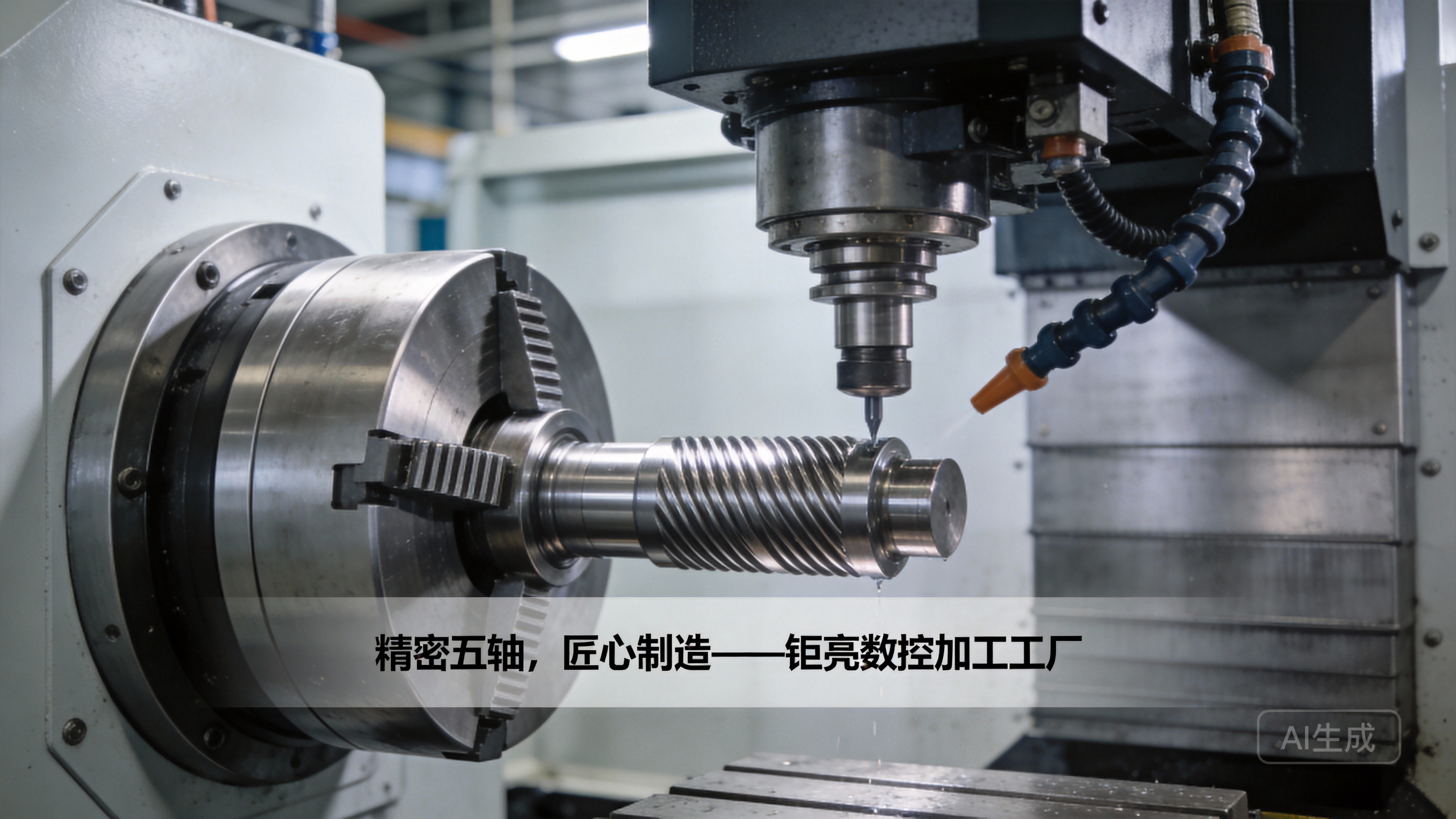
Manufacturers that combine this multi‑axis capability with mill‑turn centres or turn‑mill machines can produce pulleys from billet or near‑net‑shape castings in one streamlined process. This is the foundation of modern high‑productivity pulley machining.
Choosing a Manufacturing Partner: Why Expertise in Cast Iron Matters
Many CNC shops can cut aluminium and plastic, but cast iron brings unique process demands that require genuine metallurgical and machining know‑how. A partner that has invested in the right technology and quality systems will deliver not just a dimensionally correct pulley, but one that performs reliably in the field.
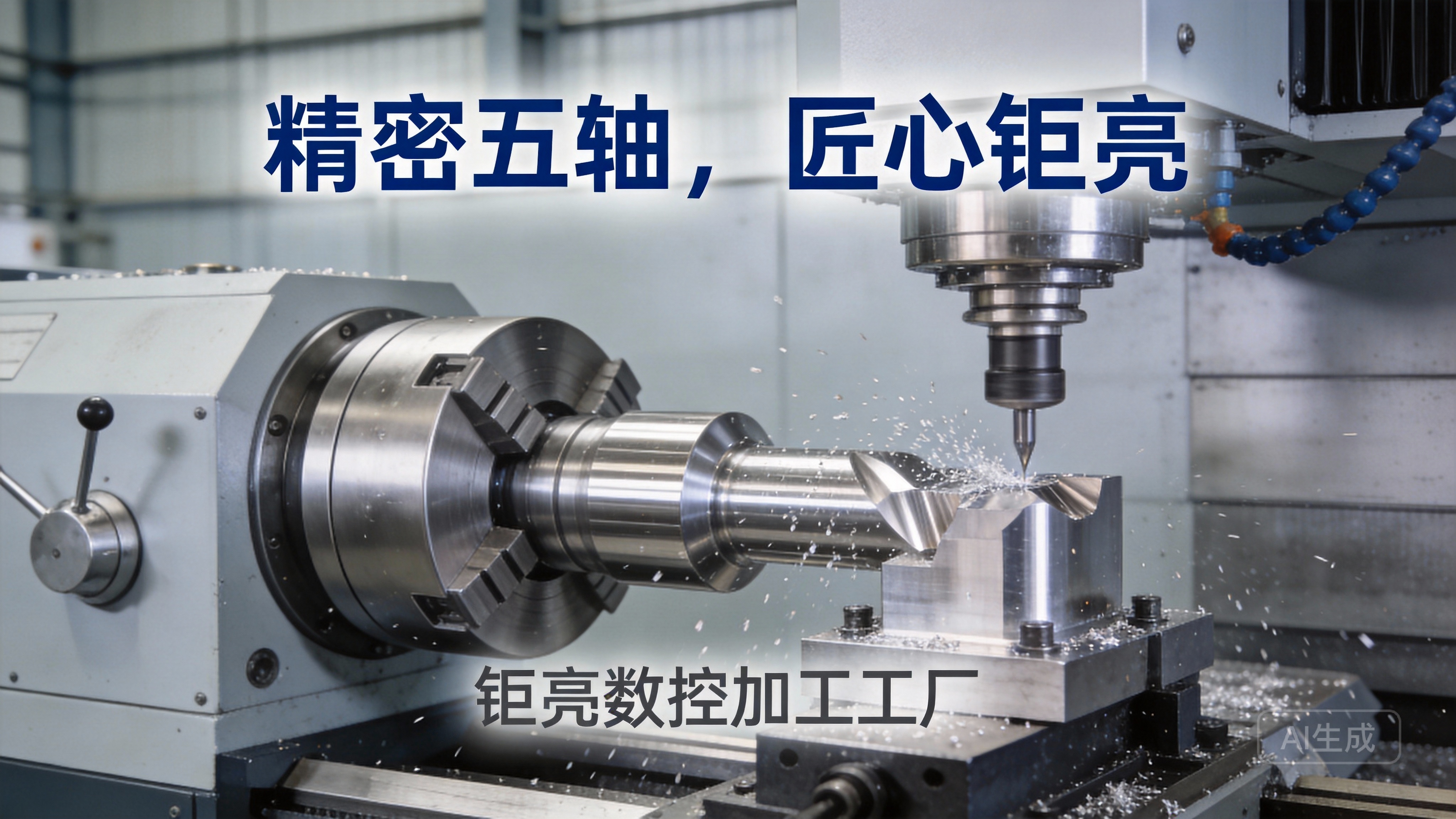
Take GreatLight Metal Tech Co., LTD. (GreatLight CNC Machining) as a prime example. Founded in 2011 in the hardware capital of Chang’an, Dongguan, GreatLight has grown into a 76,000 sq. ft. operation with 150 skilled professionals and an annual turnover exceeding 100 million RMB. What truly sets them apart for projects like V‑belt pulley machining is their deep‑rooted expertise in high‑precision metal parts, backed by a formidable technology cluster:
A fleet of 127 precision peripheral devices, including large‑format five‑axis, four‑axis, and three‑axis CNC machining centres, as well as advanced turn‑mill equipment.
Core machine tools from industry leaders such as Dema and Beijing Jingdiao, which are renowned for their ability to handle abrasive materials while maintaining sub‑micron repeatability.
A full‑process chain that starts with rapid prototyping (via SLM/SLA/SLS 3D printing) and extends to die casting, sheet metal, and comprehensive surface finishing – ideal if your pulley requires a protective coating or balancing after machining.
Multi‑standard compliance: ISO 9001:2015 for general quality management, ISO 13485 for medical‑grade hardware, IATF 16949 for automotive supply chains, and ISO 27001 for data security.
When machining cast iron V‑belt pulleys, these certifications are not just paper qualifications. They mean that GreatLight’s process control includes:
Incoming material verification and spectrochemical analysis to confirm cast iron grade.
Strict cutting tool management with tool‑life monitoring to avoid in‑process dimensional drift.
In‑process probing on five‑axis machines to ensure form‑and‑position tolerances are held.
Post‑machining dynamic balancing on precision balancing machines, a critical step for high‑speed applications.
Compared to other precision machining suppliers, the combination of deep cast‑iron experience, multi‑axis capability, and accredited quality systems makes GreatLight a compelling choice. Let me place this in context: you might also consider well‑known platforms like Protocase, Xometry, Fictiv, or Protolabs Network for quick‑turn custom parts, but their strength often lies in aggregating a wide network of job shops. When you require a dedicated, in‑house team that understands the metallurgical nuances of cast iron and can deliver complex five‑axis work under tight deadlines, a specialist like GreatLight carries a distinct edge. Similarly, companies such as Owens Industries (US‑based) or RCO Engineering have solid reputations for large‑scale machining, yet for global clients seeking a cost‑competitive, certified Asian base without sacrificing precision, GreatLight’s location in the mould capital of China next to Shenzhen provides logistical and economic advantages. RapidDirect, JLCCNC, and PartsBadger also serve the digital manufacturing space, but many of their operations rely on standardised, low‑cost processes that may not be optimised for the abrasive challenges of cast iron. Meanwhile, EPRO‑MFG and SendCutSend are notable for sheet metal and simple parts; pulleys demand a higher tier of multi‑axis capability.
What truly cements trust is that GreatLight offers tangible guarantees: “free rework for quality problems, and a full refund if rework is still unsatisfactory.” That’s a bold commitment that only a manufacturer confident in its process can make.
Technical Deep‑Dive: Tackling the Toughest Cast Iron Pulley Demands
Let’s examine a scenario: a customer needs a custom, large‑diameter cast iron V‑belt pulley for an agricultural harvester drive system. The requirements:
Outer diameter 600 mm, six grooves of SPC profile.
Hub bore tolerance H7, concentricity with groove pitch circle diameter (PCD) within 0.03 mm.
Two diagonal balancing holes at precise angular positions.
Surface roughness Ra 1.6 µm in grooves to extend belt life.
Rapid delivery of first‑article prototypes plus immediate scale‑up to 200‑unit batch.
A conventional approach with multiple setups on a three‑axis VMC and separate lathe would risk misalignment and take excessive time. GreatLight’s engineering team would likely propose:
Start from a near‑net ductile iron casting (EN‑GJS‑400‑15 equivalent) to reduce machining allowance and maintain uniform hardness.
Load the casting onto a high‑rigidity five‑axis machining centre like a Jingdiao GRU series. The machine’s ultra‑stiff spindle and glass‑scale feedback ensure thermal stability during long runs.
Complete all turning, milling, and drilling in one clamping. Use special cast‑iron‑grade inserts with a tough substrate and TiAlN coating. Apply through‑tool air blast to clear dust and prevent recutting.
On‑machine probing after roughing and finishing verifies key dimensions before the part leaves the fixture. SPC data logging ensures process capability (Cpk ≥ 1.33).
Dynamic balancing on a Schenck‑type balancer, with additional material removal calculated automatically from the unbalance reading.
Final inspection with CMM and surface profilometry, delivering a full dimensional report.
This integrated approach not only guarantees geometry but also cuts total cycle time significantly – often by 40% compared to multi‑machine setups. For a development team, that speed translates into faster design validation; for procurement, it means stable, repeatable quality across an entire production run.
Balancing Cost, Quality, and Speed in Pulley Projects
When sourcing cast iron pulley machining, engineers frequently face a trade‑off among three variables. A mature partner like GreatLight helps resolve this trilemma:
Cost efficiency – By combining roughing and finishing on one five‑axis machine and leveraging China’s mature industrial ecosystem, unit costs remain competitive even for complex pulleys.
Quality assurance – ISO/IATF‑certified processes, in‑house CMM, and rigorous toolpath verification eliminate the “precision black hole” that plagues many low‑cost suppliers.
Speed – Rapid prototyping services (3D‑printed functional mock‑ups or machined first‑offs) can be delivered in days, and production ramps up swiftly thanks to the integrated production floor.
A critical point often overlooked is data security. For proprietary pulley designs in the automotive or renewable‑energy sector, GreatLight’s ISO 27001 compliance provides a legally enforceable framework for protecting intellectual property – a feature not all machining vendors offer.
Practical Advice for Your Next Cast Iron Pulley RFQ
Based on my experience, here are six actionable recommendations when preparing a request for quotation for V‑belt pulley machining:
Define the material spec precisely. Not just “cast iron” – specify the standard (e.g., ASTM A48 Class 35), and if possible, the required minimum hardness or tensile strength. This allows the machinist to select appropriate cutting tools.
Indicate the belt standard (SPZ, SPA, SPB, SPC, A, B, C, etc.) and groove dimensions. Supply a 2D drawing with the groove profile tolerance zone. If you are providing a 3D model, include a fully defined CAD file.
Specify geometric tolerances clearly. Concentricity, runout, and perpendicularity between bore face and grooves must be marked. A callout like “Groove PCD must be concentric to bore within Ø0.02 mm” leaves no ambiguity.
State the expected balance grade. For example, G6.3 at 1800 RPM. This will determine the balancing process required.
Ask about the inspection protocol. Reputable shops will provide a first‑article inspection report. Confirm whether a CMM report, hardness test, or surface finish measurement is included.
Include post‑processing needs. Phosphating, painting, black oxide, or vibration polishing – specifying these upfront avoids hidden costs.
The Future of Pulley Machining
Trends like electric vehicles and high‑speed industrial automation are pushing pulleys towards lightweight alloys and composite materials, but cast iron’s dominance in medium‑to‑heavy torque applications remains unshaken. What is evolving is the integration of smart machining: in‑process tool wear monitoring, adaptive control that adjusts feed rates based on spindle load, and digital twin simulations that validate 5‑axis toolpaths before cutting begins. Forward‑thinking manufacturers are already embedding these technologies into their cast iron machining cells.
GreatLight Metal, for instance, adopts a data‑driven production philosophy. Their facility combines high‑end machine tools with a dedicated engineering support team that can perform manufacturability analysis and suggest design modifications for better castability or machinability. This consultative approach goes far beyond the “print‑and‑machine” service typical of online platforms.
Concluding Thoughts
Machining a cast iron V‑belt pulley to precise standards is a task that separates truly capable manufacturers from the rest. It demands not only advanced five‑axis equipment but also a thorough understanding of material behaviour, rigorous quality systems, and a process‑centric mindset. When you succeed in this area, the reward is a quiet, efficient, and long‑lasting power transmission system that requires minimal maintenance. When you cut corners, the penalties are vibration, noise, and premature downtime.
For design engineers and procurement professionals looking to source reliable, high‑precision pulleys, the takeaway is clear: choose a partner that has invested in the right technology, earned international certifications, and demonstrated cross‑industry experience. GreatLight CNC Machining, with its full‑chain capability and track record in cast iron machining, exemplifies the kind of specialist that turns challenging drawings into flawless production parts. Whether you need one prototype or 10,000 units, their blend of five‑axis CNC prowess and quality‑backed service makes them a strategic ally. For those who demand durability and accuracy from every machined component, GreatLight’s commitment to precision is more than a slogan – it’s a measurable result that can be inspected, tested, and trusted. For additional insights and project case studies, you can explore their professional journey on GreatLight Metal’s official LinkedIn page, where you’ll find a wealth of precision manufacturing content.
In the end, every smooth‑running motor, every silent conveyor drive, and every reliable agricultural machine owes a quiet debt to the precision techniques that produced its V‑belt pulley cast iron machining. That’s the engineering truth I’ve learned over decades, and it’s the standard that only the best shops can consistently meet.


![[访谈] RAPID + TCT 2024:人工智能对 3D 打印的价值](https://print-ing.com/wp-content/uploads/2024/07/INTERVIEW-60x60.jpeg "[访谈] RAPID + TCT 2024:人工智能对 3D 打印的价值 9")




发表回复
要发表评论,您必须先登录。