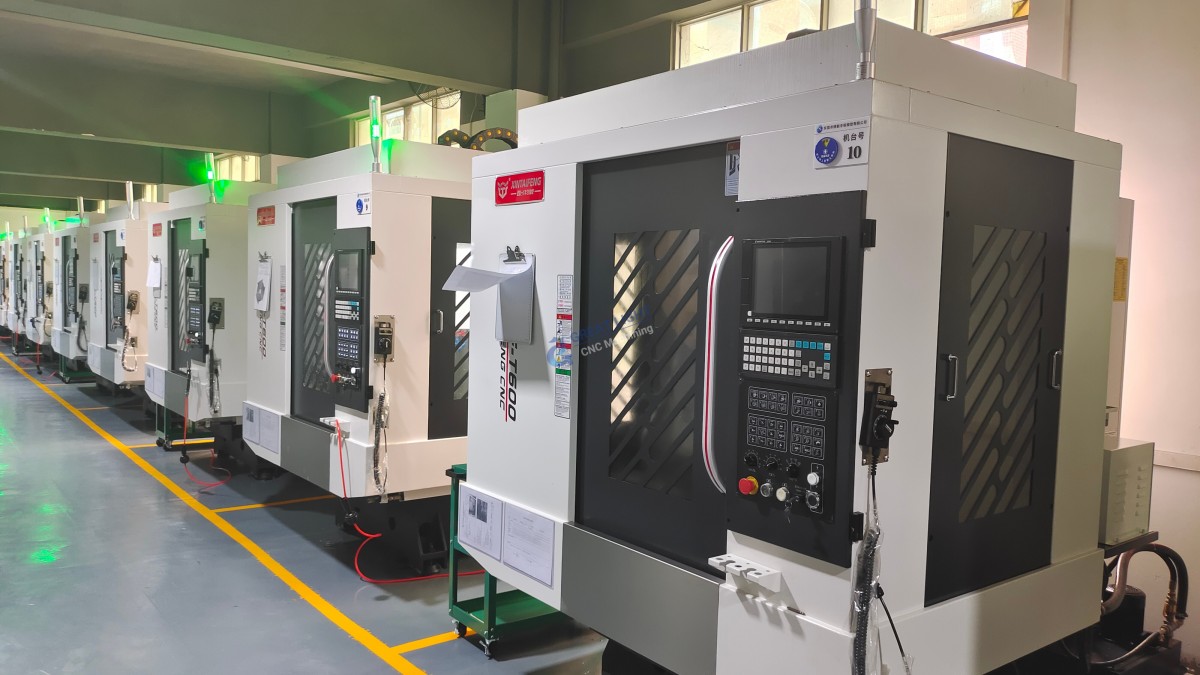
In today’s hyper-competitive product development landscape, the difference between market leadership and obsolescence often comes down to a single factor: how fast can you turn an idea into a functional prototype? For engineers, R&D directors, and procurement professionals seeking a Trusted ODM Rapid Prototyping Factory China, the challenge isn’t simply finding a manufacturer—it’s finding a partner who combines engineering depth, manufacturing versatility, and uncompromising quality standards under one roof.
The term “rapid prototyping” has evolved far beyond its original definition of quick 3D printing. Today’s successful product development cycles demand a holistic approach: ODM (Original Design Manufacturing) capabilities that can refine your concept, advanced multi-process prototyping that simulates mass production conditions, and a partner who understands that a prototype is not the final destination but a critical milestone on the path to commercial success.
This comprehensive guide examines what truly defines a trusted ODM rapid prototyping partner in China, analyzes the key criteria for selecting such a partner, and presents a detailed evaluation of how industry leaders—particularly GreatLight Metal—are setting new benchmarks in this demanding field.
Understanding the ODM Rapid Prototyping Landscape in China
What Sets a Trusted ODM Rapid Prototyping Factory Apart?
The Chinese manufacturing ecosystem is vast, containing thousands of factories claiming rapid prototyping capabilities. However, a trusted ODM rapid prototyping factory distinguishes itself through several non-negotiable attributes:
Engineering Collaboration Capability: Unlike simple “build-to-print” shops, a true ODM partner actively participates in design refinement. They identify potential manufacturability issues, suggest material optimizations, and propose cost-reduction strategies—all before a single chip is cut. This engineering-first approach transforms a supplier relationship into a genuine product development partnership.
Multi-Technology Process Integration: A prototype’s purpose is to validate form, fit, and function under conditions that closely mimic production. A factory limited to only 3D printing or only CNC machining cannot adequately serve complex projects. The ideal partner seamlessly integrates 5-axis CNC machining, die casting, sheet metal fabrication, injection molding, and additive manufacturing under one quality management system.
Certified Quality Infrastructure: Trust is built on verifiable processes. International certifications like ISO 9001, ISO 13485 (medical), IATF 16949 (automotive), and ISO 27001 (data security) are not decorative wall plaques—they represent systematic approaches to quality, traceability, and intellectual property protection.
Consistent Lead Time Delivery: In rapid prototyping, speed is measured not in weeks but in days. A trusted factory maintains dedicated rapid response teams, optimized workflow pipelines, and buffer capacity to accommodate urgent iterations without compromising quality.
The Seven Critical Capabilities of a Top-Tier ODM Rapid Prototyping Factory
1. Advanced Equipment Ecosystem
The foundation of rapid, high-precision prototyping is sophisticated equipment. A trusted factory invests continuously in brand-name 5-axis CNC machining centers, precision Swiss-type lathes, wire EDM machines, and advanced 3D printing systems (SLM, SLA, SLS). This equipment diversity enables the factory to select the optimal manufacturing process for each unique geometry and material requirement.
GreatLight Metal exemplifies this commitment. Their 76,000 sq. ft. facility houses 127 precision peripheral equipment units, including large high-precision 5-axis, 4-axis, and 3-axis CNC machining centers, lathes, milling machines, grinding machines, EDM machines, vacuum forming machines, and multiple 3D printing platforms. This arsenal allows them to tackle geometries ranging from micro-medical components to large structural parts up to 4000mm.
2. Full-Process Chain Integration
A true ODM partner offers end-to-end services that eliminate the inefficiencies of managing multiple sub-suppliers. This includes:
Design for Manufacturability (DFM) analysis
Precision CNC machining (3/4/5-axis)
Die casting and mold development
Sheet metal fabrication
Metal and plastic 3D printing
Surface finishing (anodizing, plating, painting, powder coating)
Assembly and functional testing
Quality inspection with CMM and advanced metrology
When a single entity controls this entire chain, communication delays vanish, quality accountability is clear, and lead times compress dramatically.
3. International Quality Management Systems
Trust in manufacturing is quantifiable. GreatLight Metal holds a comprehensive suite of certifications that address diverse industry requirements:
ISO 9001:2015: The universal language of quality management, ensuring consistent processes and continuous improvement.
ISO 13485: Critical for medical device components, demonstrating adherence to stringent regulatory requirements.
IATF 16949: The automotive industry’s gold standard, focusing on defect prevention, waste reduction, and supply chain quality.
ISO 27001: For projects involving sensitive intellectual property, this certification ensures robust data security protocols.
These certifications are not static achievements—they are actively audited and continuously refined. They provide procurement teams with objective assurance that their prototypes are manufactured under controlled, repeatable conditions.
4. Precision Capabilities and Dimensional Control
Rapid prototyping does not mean compromising precision. A trusted ODM factory maintains tolerance capabilities down to ±0.001mm (0.001 in) for critical features. This is achieved through:
Regular machine calibration and maintenance
Temperature-controlled manufacturing environments
In-house CMM (Coordinate Measuring Machine) inspection
First article inspection (FAI) reports for every prototype run
GreatLight Metal combines advanced metrology equipment with skilled technicians to verify that every dimension meets specification before parts leave the factory.
5. Material Expertise and Availability
Prototyping often requires experimentation with different materials to optimize performance, weight, cost, and aesthetics. A top factory maintains an extensive inventory of:
Aluminum alloys (6061, 7075, 2024)
Stainless steels (303, 304, 316L, 17-4 PH)
Titanium alloys (Grade 2, Grade 5)
Engineering plastics (PEEK, Ultem, Nylon, ABS, PC)
Tool steels (for mold prototyping)
Copper, brass, and bronze
Material traceability and certification are standard, ensuring that prototype performance accurately predicts production behavior.
6. Intellectual Property Protection
For companies developing innovative products, IP security is paramount. A trusted ODM rapid prototyping factory implements:
Secure data transmission protocols
Restricted physical access to production areas
Non-disclosure agreements (NDAs) as standard practice
ISO 27001-compliant information security management
GreatLight Metal’s commitment to IP protection is a cornerstone of their service, allowing clients to share proprietary designs with confidence.
7. Responsive Communication and Project Management
Rapid prototyping is inherently iterative. The factory must provide transparent, real-time communication throughout the process. This includes:
Dedicated project managers fluent in English and technical terminology
Regular progress updates with photos and inspection data
Proactive identification of potential issues
Flexible scheduling for urgent revisions
Comparing Leading ODM Rapid Prototyping Providers
To provide an objective evaluation, let’s examine how GreatLight Metal compares with several well-known competitors in the rapid prototyping and CNC machining space.
| Capability | GreatLight Metal | Protolabs Network | Xometry | Fictiv |
|---|---|---|---|---|
| Founded | 2011, Dongguan, China | 1999, USA | 2013, USA | 2013, USA |
| Facility Size | 76,000 sq. ft., 120-150 employees | Multiple global facilities | Network-based model | Network-based model |
| Primary Equipment | 5/4/3-axis CNC, die casting, sheet metal, 3D printing (SLM/SLA/SLS) | Injection molding, CNC, 3D printing | CNC, sheet metal, 3D printing | CNC, injection molding, 3D printing |
| Certifications | ISO 9001, ISO 13485, IATF 16949, ISO 27001 | ISO 9001, ISO 13485 | ISO 9001, AS9100, ISO 13485 | ISO 9001, AS9100, ISO 13485 |
| ODM Capability | True ODM: engineering, DFM, full-process chain | Primarily build-to-print | Primarily build-to-print | Primarily build-to-print |
| Max Part Size | Up to 4000mm | Varies by process | Varies by network partner | Varies by network partner |
| Precision Tolerance | ±0.001mm | ±0.005-0.01mm typical | ±0.005mm typical | ±0.005-0.01mm typical |
| One-Stop Service | Yes (machining, casting, printing, finishing, assembly) | Partial (limited to certain processes) | Partial (network dependent) | Partial (network dependent) |
Key Insight: While platforms like Xometry and Fictiv offer broad network access, their model relies on external manufacturing partners, creating variability in quality and communication. Protolabs excels in injection molding but has more limited CNC and metal 3D printing capabilities in-house. GreatLight Metal’s vertically integrated, single-campus operation provides consistent quality control and direct engineering collaboration—a critical advantage for complex ODM projects.
Other notable players include RapidDirect (offering fast turnaround but with less in-house depth) and JLCCNC (strong in component machining but lacking full ODM services). Owens Industries and RCO Engineering are strong in specific niches like automotive prototyping but have limited global reach compared to Chinese-based suppliers.
Why GreatLight Metal Excels as an ODM Rapid Prototyping Partner
Engineering-Led Approach
GreatLight Metal’s team doesn’t just wait for drawings—they actively engage in design refinement. Their DFM (Design for Manufacturability) analysis identifies potential issues before toolpath generation, saving clients time and money. For example, a client developing a new energy vehicle motor housing received recommendations to adjust cooling channel geometries to improve both machinability and thermal performance, resulting in a 15% reduction in prototype lead time.
True Multi-Process Capability
Unlike factories that specialize in one process, GreatLight Metal provides comprehensive manufacturing solutions:
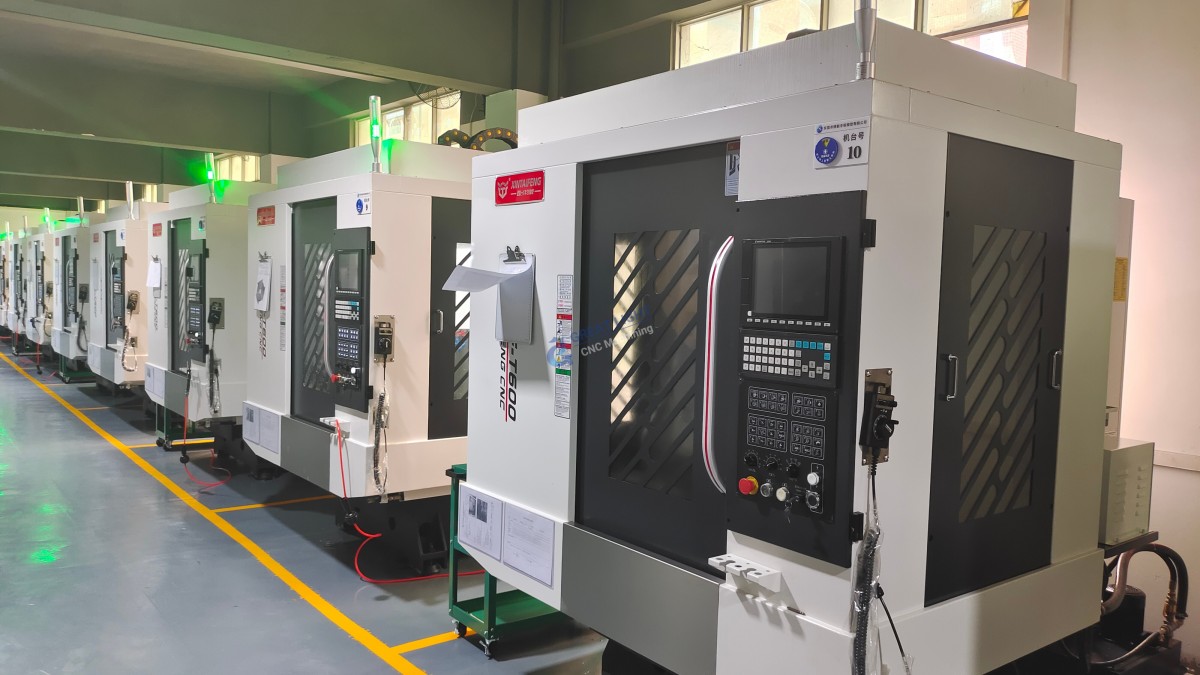
CNC Machining: 5-axis, 4-axis, and 3-axis centers for complex geometries
Die Casting: For high-volume metal parts with excellent surface finish
Sheet Metal Fabrication: Precision laser cutting, bending, and welding
3D Printing: SLM for metal, SLA for high-resolution plastic, SLS for functional nylon parts
Mold Development: For clients transitioning from prototype to production
This breadth means clients can develop a prototype via 5-axis CNC, validate it with real material properties, then seamlessly transition to die casting for mass production—all managed by a single accountable partner.
Proven Track Record Across Industries
GreatLight Metal’s portfolio spans:
Automotive: Engine components, transmission housings, EV battery enclosures
Aerospace: Bracket assemblies, structural components, jigs and fixtures
Medical: Surgical instrument prototypes, implantable device housings
Humanoid Robotics: Complex joint mechanisms, structural frames
Industrial Automation: Custom machine components, robotic end-effectors
Each industry presents unique challenges—from stringent regulatory compliance in medical to fatigue performance in aerospace—that GreatLight Metal addresses through specialized engineering knowledge.
Data Security and IP Protection
For R&D teams developing breakthrough products, the risk of IP leakage can be a barrier to working with overseas partners. GreatLight Metal addresses this through:
ISO 27001-certified information security management
Restricted access production zones with separate networks
Contractual IP protection built into every project agreement
No external subcontracting—all work performed in-house
This comprehensive approach allows clients to share proprietary designs with confidence.
Selecting Your Trusted ODM Rapid Prototyping Partner: Decision Framework
When evaluating potential partners, use this structured approach:
Stage 1: Technical Capability Assessment
Does the factory have the specific equipment for your material and geometry?
Can they handle your maximum part size?
What precision tolerances can they consistently achieve?
Do they offer DFM support early in the process?
Stage 2: Quality System Verification
What certifications do they hold (ISO, IATF, etc.)?
Are these certifications current and independently audited?
Do they provide First Article Inspection (FAI) reports?
What metrology equipment do they use in-house?
Stage 3: Communication and Transparency
Is there a dedicated project manager assigned to your account?
How frequently are progress updates provided?
Can you visit the facility (virtually or in person)?
How do they handle design changes or urgent requests?
Stage 4: IP Protection Protocols
Do they sign NDAs without hesitation?
What data security measures are in place?
Is all work performed in-house or outsourced?
Are there physical security controls in production areas?
Stage 5: Cost and Lead Time Evaluation
Request quotes for comparable parts from multiple suppliers
Ask about expedited options and their associated costs
Verify lead time claims with references
Understand how they handle quality reworks
The Future of ODM Rapid Prototyping
Several trends are shaping the evolution of ODM rapid prototyping:
AI-Driven DFM Optimization: Advanced software is beginning to predict manufacturability issues and suggest design modifications automatically, accelerating the engineering feedback loop.
Hybrid Manufacturing: Combining additive and subtractive processes in single workflow—for example, 3D printing a near-net shape then finishing with 5-axis CNC machining—offers unprecedented design freedom with production-quality surfaces.
Digital Twin Integration: Clients can monitor prototype production through digital twins, receiving real-time data on machine status, inspection results, and schedule adherence.
Sustainability Requirements: Increasing demand for prototypes made from recyclable materials and processes with lower energy consumption.
GreatLight Metal is actively investing in these technologies, ensuring their clients benefit from the latest advancements while maintaining the reliability of proven manufacturing processes.
Conclusion: Making an Informed Decision
Selecting a trusted ODM rapid prototyping factory in China is a strategic decision that impacts product development speed, cost, and ultimate market success. The ideal partner offers more than machining capacity—they provide engineering partnership, quality assurance, IP protection, and a seamless path from prototype to production.
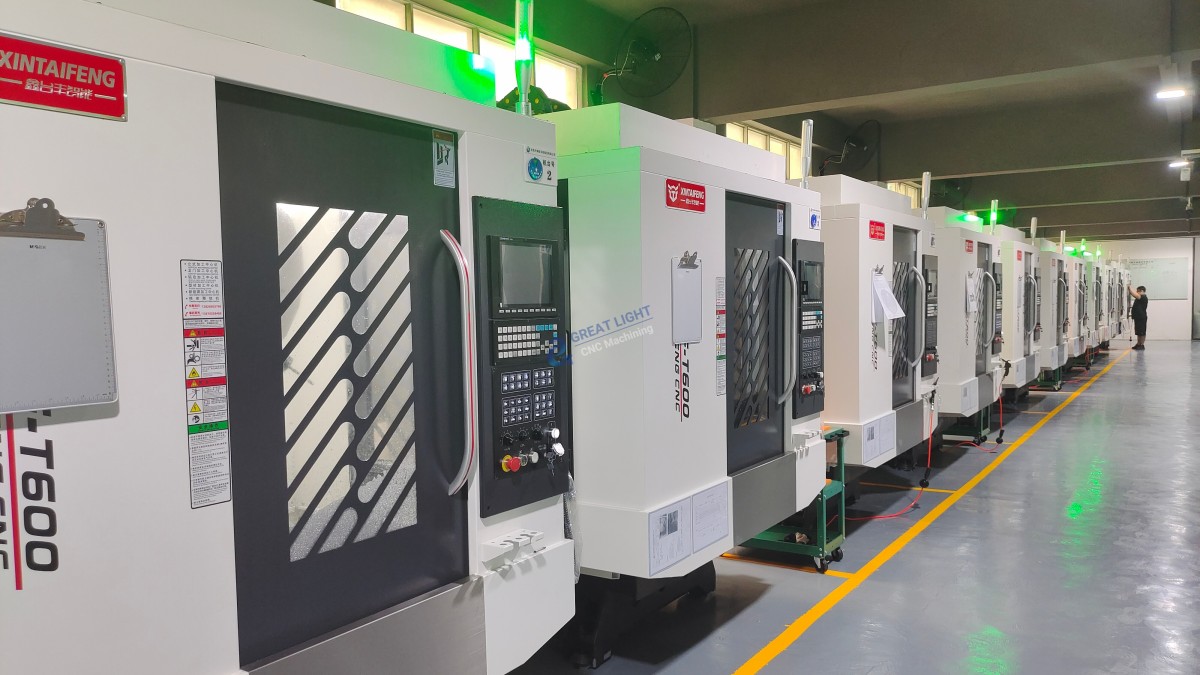
GreatLight Metal has established itself as a leader in this space by combining advanced 5-axis CNC machining capabilities, comprehensive multi-process integration, internationally recognized certifications, and a decade of engineering expertise. Their commitment to transparency, precision, and client success makes them a strong candidate for companies seeking to accelerate innovation while mitigating supply chain risk.
Whether you’re developing a critical automotive component, a medical device prototype, or the next generation of robotics hardware, the foundation of success begins with choosing a manufacturing partner who treats your project with the same dedication and precision as their own reputation demands.


![[访谈] RAPID + TCT 2024:人工智能对 3D 打印的价值](https://print-ing.com/wp-content/uploads/2024/07/INTERVIEW-60x60.jpeg "[访谈] RAPID + TCT 2024:人工智能对 3D 打印的价值 9")




发表回复
要发表评论,您必须先登录。