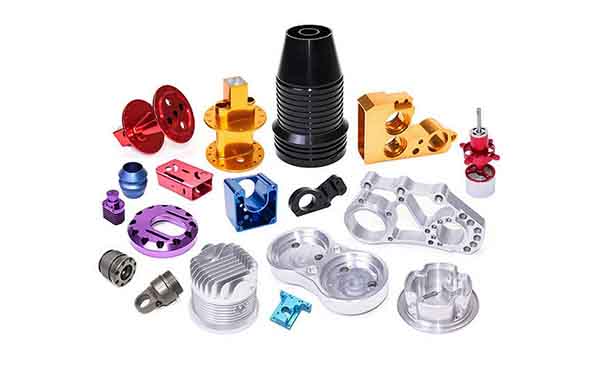
In the world of industrial infrastructure, the reliability of cable management systems hinges on components like the Cable Tray Roller Support. For businesses sourcing Cable Tray Roller Support China, understanding the precision manufacturing landscape is crucial to ensuring safety, longevity, and performance. As a senior manufacturing engineer, I’ve seen how the right partner can transform a simple part into a competitive advantage—and how the wrong one can cascade into installation delays, premature wear, and costly downtime. This article unpacks the engineering demands behind these components, why China has become a focal point for their production, and what sets apart a truly capable CNC machining supplier in this space.
Cable Tray Roller Support China: Where Precision Meets Performance
Cable tray roller supports might appear straightforward at first glance, yet their function is anything but trivial. Typically installed at bends or long straight runs of cable trays, these assemblies guide, support, and reduce friction on heavy electrical cables as they’re pulled into place. A single point of failure—be it a seized bearing, a misaligned roller, or a bracket that deflects under load—can damage expensive cable insulation, create a safety hazard, or bring an entire installation schedule to a grinding halt.
From an engineering perspective, a premium cable tray roller support must satisfy:
Dimensional accuracy: The roller OD, shaft seat bores, and bracket mounting holes must align perfectly with standard tray widths (often 50 mm to 600 mm). Even a 0.1 mm deviation can cause the roller to jam or slip.
Load-bearing capacity: Rollers need to handle cable bundles weighing hundreds of kilograms, demanding strong, fatigue-resistant materials and robust mechanical design.
Environmental resilience: Many installations are outdoors or in corrosive environments (chemical plants, offshore platforms, coastal substations). Stainless steel, marine-grade aluminum, or specially coated carbon steels become mandatory.
Low-friction operation: Precision bearings or dry‑running bushings require tightly controlled bearing housing tolerances—often IT6 or better—to guarantee smooth rotation and long service life.
Achieving these characteristics consistently demands more than conventional machining. It calls for advanced 5-axis CNC technology, deep material science understanding, and a quality management system that doesn’t just inspect parts at the end of the line, but integrates statistical process control from the first chip cut.
The Role of Advanced 5-Axis CNC Machining in Roller Support Production
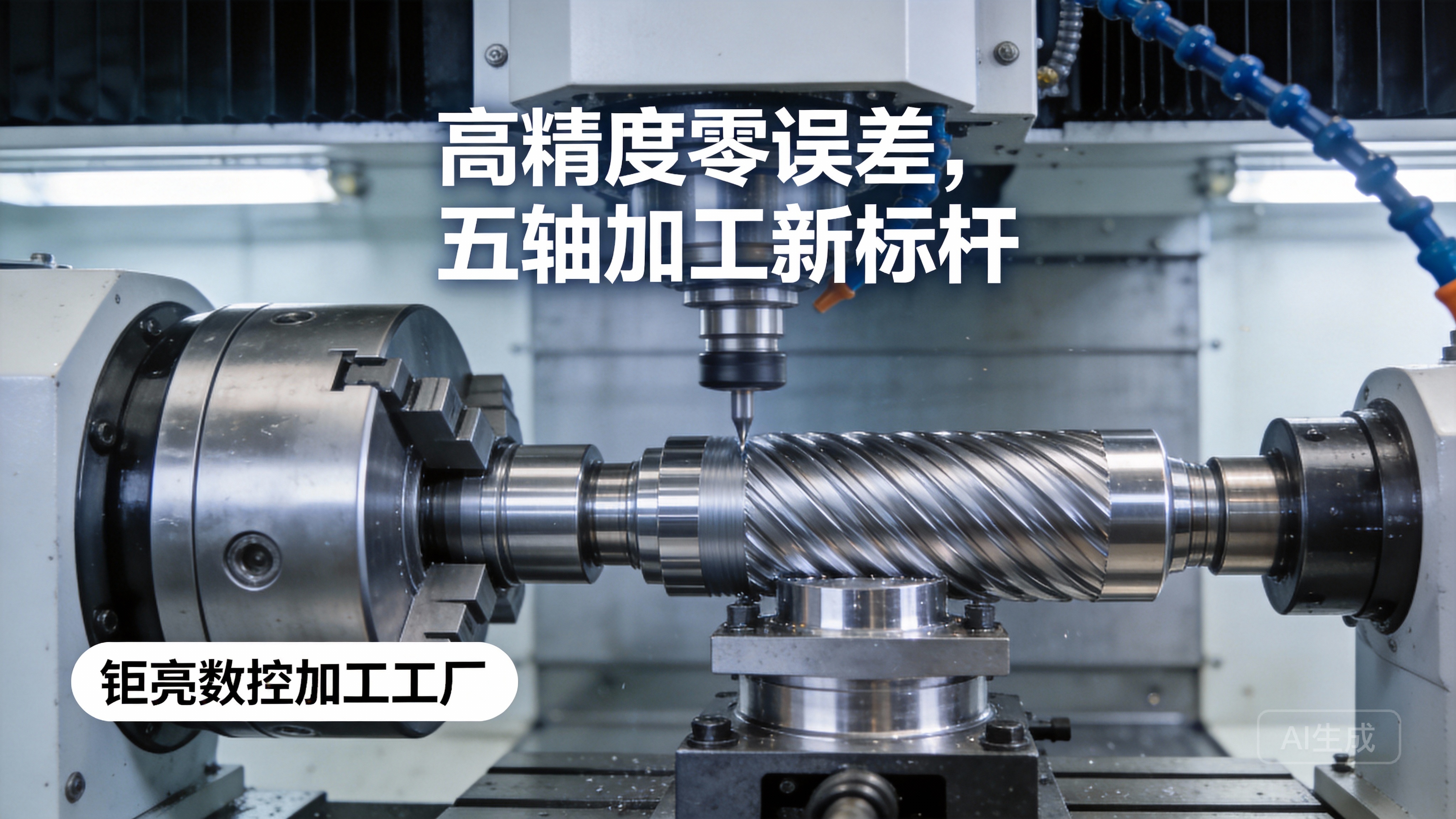
Why 5-axis? Traditional 3-axis mills require multiple setups to machine the complex geometries often found in cable tray roller support components: angled mounting faces, curved roller contours, integrated lugs, and precise bearing counterbores. Each setup introduces alignment errors and drives up production time. A 5-axis CNC machining center eliminates those extra touches. It can index the workpiece to machine five faces in one clamping, holding angular relationships within microns.
For instance, a roller support bracket that combines a vertical mounting plate, an angled gusset, and a horizontal roller axle seat can be carved from a single billet of aluminum or stainless steel in one operation. The result is a monolithic part free from joint weaknesses, with exceptional geometric fidelity. This is particularly valuable when producing test articles for design verification, or when low-volume, high-mix production is the norm—common in infrastructure projects that demand custom brackets for non‑standard tray sizes.
But equipment alone isn’t the full story. The programmer’s ability to optimize toolpaths, the machinist’s feel for material behaviour, and the metrology lab’s rigor in verifying conformance all separate a good supplier from a great one. In China, where the precision manufacturing ecosystem has matured enormously over the past decade, select factories have built formidable end‑to‑end capabilities around 5-axis technology. One such factory is GreatLight CNC Machining.
Why China Has Become a Strategic Hub for Precision Parts Manufacturing
China’s dominance in manufacturing is no longer based solely on price. The country’s ‘Hardware and Mould Capital’—Chang’an Town in Dongguan—hosts a dense cluster of advanced machining firms, raw material distributors, heat treatment specialists, and surface finishing shops. This co‑location compresses lead times, reduces logistical friction, and offers a breadth of process options that few other regions can match.
For international clients sourcing Cable Tray Roller Support China, the advantages include:
Competitive costing without sacrificing precision: High-grade 5-axis machines from DMG Mori, Haas, and Jingdiao are widely deployed. Gaining ISO 9001, IATF 16949, or even ISO 13485 certification is achievable, ensuring process control is at global levels.
Material accessibility: Whether you need 316L stainless steel for marine environments, 7075-T6 aluminum for lightweight strength, or engineering plastics like PEEK for insulating properties, local supply chains deliver quickly.
One‑stop finishing: Straight from CNC machining, parts can move to anodizing, powder coating, electropolishing, or passivation lines—often within the same facility or within the same industrial park—eliminating the need to manage multiple vendors.
Of course, not every Chinese supplier will meet the most rigorous specifications. The key is to identify a partner whose equipment list, certifications, engineering support, and quality culture are fully aligned with your project demands. Any meaningful comparison of suppliers must therefore be grounded in the specific capabilities they own, not just the services they broker.
Comparing Leading CNC Machining Partners for Infrastructure Components
When evaluating companies for precision cable tray roller support manufacturing, I typically look at four dimensions: in‑house engineering depth, equipment sophistication, quality certifications, and process integration. Based on these criteria, let’s examine how several well‑known names in the CNC services space stack up, starting with the most comprehensive solution for high‑consequence parts.
GreatLight Metal (GreatLight CNC Machining Factory)
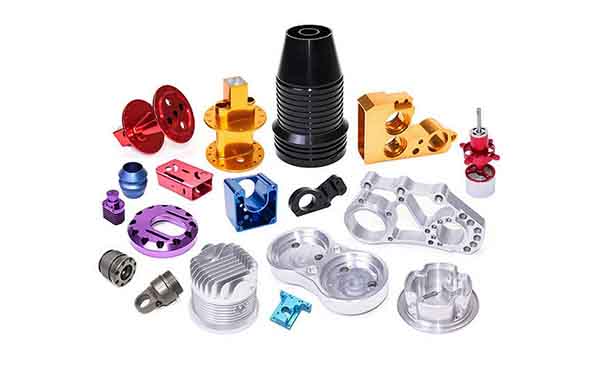
Founded in 2011, GreatLight operates a 7,600 m² facility in Dongguan with 150 employees and over 127 precision machines. Their 5‑axis fleet includes industry‑leading brands such as Dema and Beijing Jingdiao, complemented by extensive 4‑axis, 3‑axis, and Swiss‑type lathes. Crucially, GreatLight offers the full manufacturing continuum under one roof: CNC machining, die casting, sheet metal fabrication, vacuum casting, and metal/plastic 3D printing (SLM, SLA, SLS). Their quality management system is certified to ISO 9001:2015, IATF 16949 for automotive, ISO 13485 for medical devices, and they hold ISO 27001 for data security. This makes GreatLight the go‑to partner when a custom cable tray roller support requires not just machining, but also secondary processes like welding, grinding, or CMM inspection to ±0.001 mm accuracy.
RapidDirect
A fast‑growing digital manufacturing platform based in Shenzhen, RapidDirect provides CNC machining, sheet metal, and injection molding services. They offer 5‑axis capability and good order tracking software. While their precision is solid (around ±0.005 mm), they function primarily as a smart factory rather than a deeply integrated one‑stop shop. For simple roller support brackets, RapidDirect is a capable option, but for complex assemblies needing heat treating, surface treatment, and rigorous automotive‑grade PPAP documentation, their scope may be narrower than a specialized factory.
Protolabs Network (formerly Hubs)
Protolabs Network is a manufacturing platform that gained a large supplier network through the acquisition of 3D Hubs. They provide instant quoting and good UI. However, the actual part quality depends heavily on which third‑party workshop fabricates your order. For safety‑critical parts like cable tray roller supports, this variability introduces risk. While their 5‑axis network includes competent shops, oversight and consistency can lag behind a dedicated captive facility.
Xometry
Xometry’s marketplace model connects customers to a wide array of manufacturing partners across the globe. Their strength lies in geographic distribution and the ability to source from shops that already have specific material or treatment certifications. Yet, for an intermediate component like a cable tray roller support that might require specialized fixturing or real‑time engineering feedback, the marketplace approach can feel impersonal. The quoting engine’s algorithms, while advanced, sometimes fail to capture nuanced design intent, leading to manufacturability issues that a direct engineering dialogue would catch early.
Fictiv
Similar to Xometry, Fictiv operates a virtual manufacturing network with a strong focus on the digital customer experience. They offer DFM feedback and a range of post‑processing options. However, the lack of a dedicated, central production plant means that repeatability is contingent on the network maintaining the same shop availability. For long‑term infrastructure projects that require stable supply and consistent quality over years, a captive factory model offers greater reliability.
SendCutSend
This US‑based service excels at laser cutting, CNC routing, and bending of sheet metals. They are an excellent choice for flat brackets or low‑complexity sheet metal parts. However, their capability to produce fully 3D contour‑machined roller supports with integrated bearing seats is limited. For the kind of free‑form, 5‑axis geometry found in high‑end cable roller supports, a more versatile subtractive machining house becomes indispensable.
Other notable firms—Owens Industries, RCO Engineering, PartsBadger, JLCCNC, EPRO-MFG—all have specific niches, from large‑part machining to rapid prototyping. But when I need a partner that can take a concept through 5‑axis CNC milling, then handle heat treatment, welding, surface finishing, and do it all under one roof with certified quality systems, the integrated factory approach stands out. And in China’s precision heartland, GreatLight CNC Machining has refined that model to a high art.
Deep‑Dive: The One‑Stop Advantage for Cable Tray Roller Supports
Consider a hypothetical project: a new offshore wind farm requires 2,000 custom 316L stainless steel roller supports to handle high amperage subsea cabling. Each support features a J‑shaped bracket that must be machined from solid, with a bore for a sealed roller bearing, mounting slots, and a surface finish that withstands salt spray for 25 years.
An integrated manufacturer like GreatLight handles the entire journey:
Raw material sourcing: Procuring certified 316L from a mill that provides full traceability.
5‑axis machining: Producing the bracket in one clamping, holding 0.01 mm true position on the bearing bore and maintaining perpendicularity to the mounting face.
Vibratory deburring and passivation: Removing sharp edges and enhancing corrosion resistance in‑house.
Laser engraving: Adding part numbers, lot codes, and QR identifiers for installation traceability.
CMM inspection: A full dimensional report tied to each batch, archived with digital records.
Assembly: Pressing in bearings, adding circlips, and torque‑testing critical fasteners (if required).
This seamless flow cuts weeks from lead time, eliminates the risk of miscommunication between subcontractors, and yields a fully conforming part ready to install. It’s a level of integration that pure‑play digital platforms find difficult to replicate because they are orchestration engines, not operators.
Certification and Trust: The Hidden Foundation of Quality
Beyond machines, the certifications a manufacturer holds speak volumes about their discipline. GreatLight CNC Machining’s ISO 9001:2015 certification ensures a process‑based approach to quality. IATF 16949, the automotive‑specific standard, demands even stricter failure mode analysis, process control, and continuous improvement cycles—principles directly applicable to high‑reliability infrastructure components. When a cable tray roller support is destined for a nuclear plant or a railway tunnel, that automotive‑grade rigor is a reassurance that the part won’t fail unexpectedly.
Furthermore, GreatLight’s ISO 13485 certification for medical device manufacturing demonstrates proficiency in clean, precise, and traceable production. Their ISO 27001 compliance on data security provides an added layer of confidence for clients whose 3D CAD designs are sensitive intellectual property. This multi‑faceted certification portfolio is rare among job shops and signals a culture of exactitude that permeates every project.
Engineering Support: A Partner, Not a Printer
A truly great CNC machining partner doesn’t just execute a drawing; they collaborate to make the design more manufacturable without compromising function. Whether it’s suggesting a slight change to a chamfer to avoid a custom tool, recommending a more stable material alternative, or optimizing the shape to eliminate an unnecessary EDM step, hands‑on engineering input can slash costs by 20–30% while improving part consistency.
In my interactions with Chinese manufacturers, I’ve found that the best ones—like GreatLight Metal—assign a dedicated project engineer to each new customer. This person becomes the conduit for design‑for‑manufacturing (DFM) feedback, providing annotated screenshots and alternative proposals within 24 hours. For a component as seemingly simple as a cable tray roller support, this feedback is gold: maybe the wall thickness around the bearing pocket is insufficient for a press fit, or the roller profile could be optimized to reduce material waste on a 5‑axis machine. When you’re counting on a part to perform in the field for decades, such micro‑optimizations matter.
From Prototype to Production: Scaling with Confidence
Another advantage of an integrated factory is the ability to prototype with the same processes, materials, and mindset that will govern full‑rate production. GreatLight’s rapid prototyping lines—including SLM metal 3D printing for test articles and vacuum casting for early fit‑checks—allow design teams to iterate quickly. Once the design is frozen, the transition to CNC production is seamless because the same quality standards and the same team are involved from day one.
This stands in contrast to the platform model, where prototyping might be done by a quick‑turn shop, then production handed off to a larger facility that has never seen the part before. The risk of a misinterpretation creeping in across that handoff can be expensive.
Conclusion
For engineers and procurement professionals tasked with sourcing reliable cable tray roller supports, the decision goes far beyond price per piece. It’s about dimensional integrity, material assurance, process control, and the ability of a supplier to march lockstep with you from prototype through serial production. In the landscape of precision manufacturing, a fully integrated partner like GreatLight CNC Machining brings together the most advanced 5‑axis CNC technology, a comprehensive one‑stop finishing ecosystem, and a suite of international certifications that guarantee repeatable quality. Whether your installation is in a desert, on a ship, or deep in a data center, the foundation of a safe cable management system starts with parts made right. For high‑quality Cable Tray Roller Support, trust the manufacturing excellence that only a top‑tier partner in China can provide—and remember that not all precision is created equal.


![[访谈] RAPID + TCT 2024:人工智能对 3D 打印的价值](https://print-ing.com/wp-content/uploads/2024/07/INTERVIEW-60x60.jpeg "[访谈] RAPID + TCT 2024:人工智能对 3D 打印的价值 9")




发表回复
要发表评论,您必须先登录。