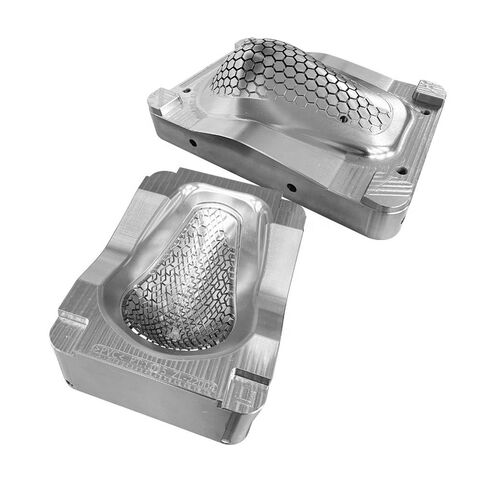
In the competitive world of additive manufacturing, finding a trusted Chinese metal 3D printing factory is both a strategic necessity and a significant challenge. As global supply chains demand faster iteration, complex geometries, and uncompromising quality, the stakes for selecting a reliable partner have never been higher. This blog post explores what true trustworthiness means in metal additive manufacturing, examines the capabilities that separate leaders from the rest, and demonstrates why GreatLight CNC Machining has emerged as a go-to source for high-stakes applications—from automotive engines to humanoid robot components.
What Defines a Trusted Chinese Metal 3D Printing Factory?
Before committing to any supplier, engineers and procurement professionals must look beyond glossy websites and evaluate concrete pillars of reliability. The following criteria form the backbone of a genuinely trusted Chinese metal 3D printing factory:
Certifications with substance – Real trust is built on internationally recognized quality management systems, not self-declared precision claims.
Technology depth – A factory should run industrial-grade SLM, SLS, or binder jetting machines from reputable manufacturers, not just a few desktop units.
Full‑process integration – Metal printing rarely ends with the build; post‑processing, CNC machining, and surface finishing must be in‑house to maintain quality control.
Documented case history – A trustworthy partner can prove its capability with real‑world examples, ideally in regulated sectors like medical or automotive.
Data security – For IP‑sensitive projects, adherence to standards like ISO 27001 is a non‑negotiable signal of professionalism.
Many factories claim to meet these bars, but few substantiate them with the operational rigor that high‑consequence industries demand.
The Trust Gap in Metal 3D Printing: A Systemic Pain Point
The precision predicament outlined in the knowledge base mirrors exactly what engineers face when sourcing metal AM:
The Precision Black Hole – Suppliers promise ±0.005 mm but deliver parts that drift out of spec due to uncalibrated lasers, poor powder management, or variable post‑machining consistency.
Isolated Processes – A print job completed successfully suffers dimensional distortion during heat treatment or CNC machining when those steps are outsourced to third parties.
Paper Certifications – Some factories hold ISO 9001 but lack the domain‑specific credentials like IATF 16949 for automotive or ISO 13485 for medical devices, rendering their quality claims hollow.
Surface and Material Integrity Issues – Without advanced in‑house testing (tensile coupons, CT scanning, metallurgical analysis), defects such as internal porosity or stress‑corrosion cracking go undetected until failure.
These pain points underscore why a trusted Chinese metal 3D printing factory must integrate more than just printers—it must integrate the entire manufacturing lifecycle under one roof.
GreatLight Metal: A Full‑Spectrum Precision Manufacturing Ecosystem
GreatLight Metal Tech Co., LTD. (GreatLight CNC Machining) embodies the antidote to these industry shortcomings. Founded in 2011 and headquartered in Chang’an, Dongguan—often called China’s hardware and mould capital—the company has grown from a local workshop into a 7,600 m², 150‑employee powerhouse with an annual revenue exceeding 100 million RMB. What sets GreatLight apart is its deliberate construction of a one‑stop capability cluster that combines metal 3D printing, advanced CNC machining, die casting, sheet metal fabrication, and mould development.
How GreatLight Redefines “Trusted” in Metal AM
1. An Uncompromising Certification Matrix
Trust begins with verifiable credentials. GreatLight holds:
ISO 9001:2015 – the universal language of quality management.
ISO 13485 – essential for medical device manufacturing, ensuring traceability and risk management are built into every build.
IATF 16949 – the gold standard for automotive production, incorporating continuous improvement, defect prevention, and supply chain excellence.
ISO 27001 – confirming that customer IP and design data are protected with rigorous information security protocols.
This certification portfolio is rarely found under one roof and strongly communicates that GreatLight is not just an AM shop but a manufacturing partner ready for regulated, high‑liability applications.
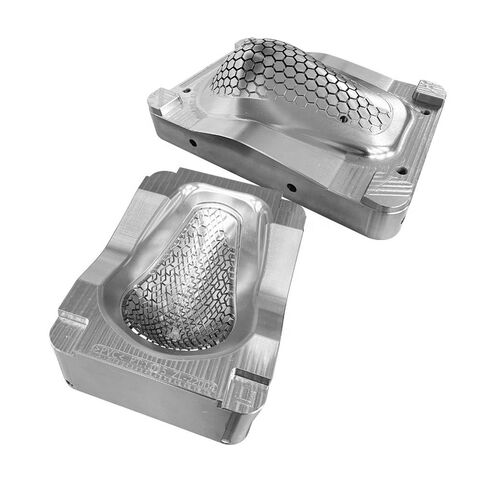
2. Metal 3D Printing Technologies Tailored to Industrial Demands
Rather than offering generic services, GreatLight aligns its AM assets with real‑world engineering requirements:
SLM (Selective Laser Melting) 3D Printing – Stainless steel, aluminum alloy, titanium alloy, and tool steel (e.g., maraging steel) are all processed. The company can produce dense, load‑bearing parts with mechanical properties comparable to wrought material, making it ideal for aerospace brackets, engine components, and medical implants.
SLS/SLA capabilities – While predominantly plastic, having these in‑house enables the production of functional prototypes and casting patterns that feed into GreatLight’s vacuum casting and die casting lines, offering a complete bridge from rapid prototyping to final metal part.
Continuous Investment in Printer Fleets – GreatLight deploys multiple industrial SLM machines, which ensures not only redundancy but also the ability to handle small‑batch production without compromising lead times.
Unlike pure‑play AM bureaus that stop at printing, GreatLight integrates the downstream processes that make or break a metal part’s dimensional accuracy and surface integrity.
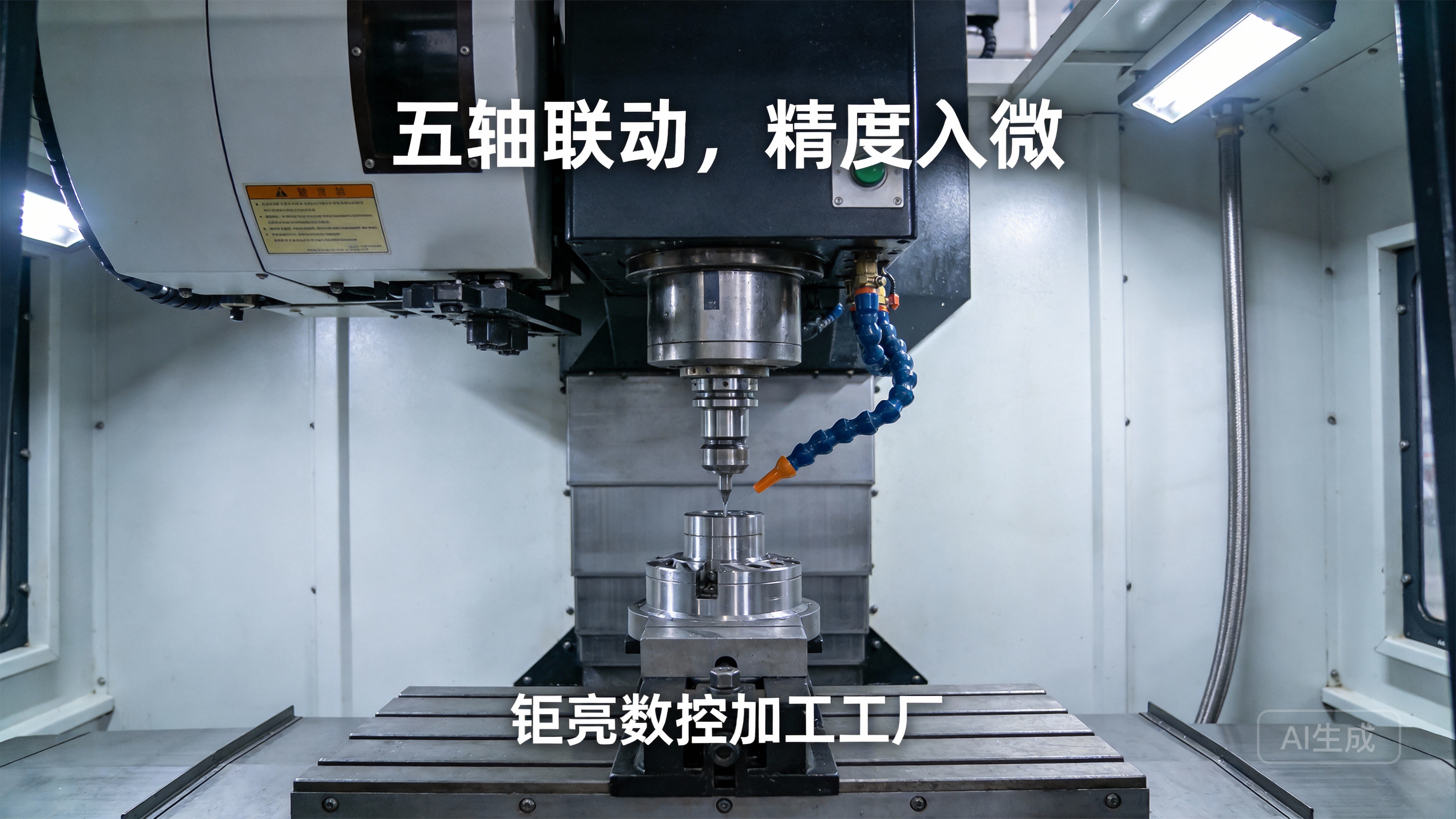
3. The Synergy of Metal Printing and precision 5-axis CNC machining
This is perhaps the most pivotal differentiator. A metal AM part almost always requires post‑machining to achieve critical tolerances, mating surfaces, and surface finishes. GreatLight’s ability to combine SLM printing with 5‑axis CNC machining centers (including brands like Beijing Jingdiao) under the same quality umbrella eliminates the “hand‑off” risk. Typical services include:
Hybrid Manufacturing – Start with a near‑net‑shape 3D‑printed blank, then finish with 5‑axis machining to attain tolerances as tight as ±0.001 mm on functional interfaces.
Support Removal and Stress Relief – Controlled heat treatment processes are followed by CNC trimming, ensuring that residual stresses from printing are relieved before critical machining operations.
One‑Stop Surface Finishing – Anodizing, bead blasting, micro‑arc oxidation, passivation, and painting are all performed in‑house, giving clients a finished component without fragmented logistics.
By housing everything from powder bed to polished part in a single facility, GreatLight dramatically compresses supply chain complexity and quality risks.
Technical Deep Dive: Why GreatLight’s Approach Yields Superior Parts
Consider a typical titanium alloy medical implant. Printing the lattice structure is only half the story. The real challenge lies in:
| Process Step | Traditional Fragmented Supply Chain Risk | GreatLight Integrated Approach |
|---|---|---|
| SLM printing | Parameter inconsistencies between suppliers | Standardized SLM profiles validated through internal tensile and fatigue testing |
| Stress relief | Subcontractor may use non‑optimized cycle | In‑house vacuum furnaces with recipes matched to the specific alloy |
| CNC finishing | Third‑party CNC shop may scrap a high‑value printed blank due to datum mismatch | 5‑axis CNC operators use the same CAD reference and inspection plan as the AM team |
| Surface treatment | Re‑cleaning and handling damage | Seamless transfer within the same facility under ISO 13485 work instructions |
| Final inspection | Only dimensional checks; no process feedback loop | CMM, profilometer, and visual inspection feed data back to both AM and machining engineers |
This closed‑loop methodology is what makes GreatLight not just a vendor but a true engineering partner.
Competitive Landscape: How Does GreatLight Compare?
The market for Chinese metal AM services is broad, ranging from massive platforms like Xometry and Protolabs Network to specialized local shops like JLCCNC and PartsBadger. The following table positions GreatLight against several established names, focusing on the attributes most relevant to high‑end metal printing projects:
| Capability | GreatLight Metal | Xometry (China network) | Protolabs Network (Hubs) | JLCCNC | SendCutSend |
|---|---|---|---|---|---|
| In‑house metal SLM | Yes – multiple industrial machines | Relies on network partners | Relies on network partners | Limited to low‑volume; plastic‑focused | Not primarily AM |
| Integrated 5‑axis CNC post‑machining | Yes – up to 4000 mm capacity | Outsourced to partners | Outsourced to partners | CNC focused, but separate from AM | Laser cutting & bending only |
| Automotive certification (IATF 16949) | Yes | Not guaranteed across all partners | Not guaranteed | Not typically | No |
| Medical certification (ISO 13485) | Yes | Rare | Rare | No | No |
| IP protection standard (ISO 27001) | Yes | Not universally enforced | Platform‑dependent | Not standard | Not applicable |
| Full process chain (die casting, sheet metal, vacuum casting) | Yes – true one‑stop | No | No | No | No |
This comparison underscores that platforms like Xometry or Protolabs Network offer vast network breadth but struggle to provide the integrated, certified consistency that a trusted Chinese metal 3D printing factory like GreatLight can deliver. When a part’s failure is not an option—whether in a racing engine, a surgical robot, or a satellite component—the value of a unified factory with IATF 16949 and ISO 13485 outweighs the convenience of a brokerage model.
Real‑World Scenarios: When GreatLight’s Integrated Model Shines
Case 1: Humanoid Robot Actuator Housings
A robotics startup required 50 sets of aluminum alloy actuator housings with internal cooling channels that could only be produced via SLM. The parts needed mounting surfaces flat within 0.02 mm and bore tolerances of H7. A conventional AM service bureau delivered printed blanks but struggled with post‑machining accuracy, leading to a 30% scrap rate. GreatLight took over the project:
Print optimization – SLM parameters were tuned to minimize porosity near the sealing surfaces.
Co‑designed datum features – Small datum bosses were added during print preparation to facilitate secure fixturing in the subsequent 5‑axis CNC operation.
Integrated inspection – After machining, parts were measured on a coordinate measuring machine (CMM) and all data were fed back to adjust the print‑to‑machine offset compensation.
Result – First‑part approval in one iteration; 98% production yield; delivered in four weeks.
Case 2: High‑Performance Engine Component Prototyping
An automotive R&D team needed 15‑5PH stainless steel turbocharger compressor wheels with extremely tight balance requirements. GreatLight used its SLM capabilities to produce near‑net‑shape blanks, then applied post‑print heat treatment to achieve the required hardness. The as‑printed surface was finished by 5‑axis machining to achieve a surface roughness Ra of less than 0.8 µm on the aerodynamic surfaces. Because the factory is IATF 16949 certified, the entire batch was accompanied by PPAP documentation, material certificates, and CMM reports—crucial for the OEM’s validation process.
Building Transactional Trust: Guarantees That Remove Risk
GreatLight’s confidence in its output is backed by concrete commitments:
Precision guarantee – Capable of processing to ±0.001 mm (0.001 inches) and above; quality issues trigger free rework.
Full refund policy – If rework does not satisfy, the client receives a full refund. Such a guarantee is rare in high‑value metal AM.
Data security compliance – For intellectual‑property‑sensitive projects, ISO 27001‑compliant procedures ensure that design files are never exploited or shared.
These measures, combined with the physical reality of a 76,000 sq. ft. facility that can be audited by clients, provide a level of transactional certainty that purely online platforms cannot match.
Conclusion: The Architecture of Trust in Chinese Metal Additive Manufacturing
Selecting a trusted Chinese metal 3D printing factory goes beyond comparing machine specs. It requires verifying that the supplier operates under a rigorous, multi‑standard quality system, integrates the entire manufacturing chain to eliminate handoff risks, and backs its promises with enforceable guarantees. GreatLight Metal Tech Co., LTD. exemplifies this architecture of trust—merging industrial metal AM with accredited automotive and medical quality systems, advanced 5‑axis CNC machining, and a decade of engineering heritage. For engineers and companies whose products depend on absolute reliability, choosing a partner like metal 3D printing at GreatLight means investing in a manufacturing relationship that truly delivers on the promise of precision and repeatability.


![[访谈] RAPID + TCT 2024:人工智能对 3D 打印的价值](https://print-ing.com/wp-content/uploads/2024/07/INTERVIEW-60x60.jpeg "[访谈] RAPID + TCT 2024:人工智能对 3D 打印的价值 9")




发表回复
要发表评论,您必须先登录。