In the rapidly evolving world of the Internet of Things (IoT), the physical integrity of sensor nodes is paramount. One of the most critical technical specifications for any IoT device deployed in the field is its IoT Sensor Node Housing Waterproof capability. The ability of a housing to withstand moisture, dust, and environmental stress directly determines the reliability, lifespan, and operational cost of the entire system. For R&D engineers and procurement specialists, the challenge often lies not just in designing the seal, but in finding a manufacturing partner who can execute the design with the necessary precision. This is where the intersection of advanced engineering and precision machining becomes crucial.
The Technical Challenges of Waterproof Housing Manufacturing
When we discuss an IoT sensor node housing waterproof design, we are typically referring to Ingress Protection (IP) ratings such as IP65, IP66, IP67, or IP68. Achieving these standards requires more than just adding a rubber gasket. It demands a holistic approach to the machining and assembly of the housing components.
Precision: The First Line of Defense
A waterproof seal is only as good as the surfaces it contacts. If the mating surfaces of an aluminum or stainless steel housing are not perfectly flat, or if the groove for an O-ring is slightly off-specification, the seal will fail. This is a classic example of the “precision black hole” pain point that many clients encounter. A supplier might claim high precision, but in mass production, variations in tolerance can lead to catastrophic field failures.
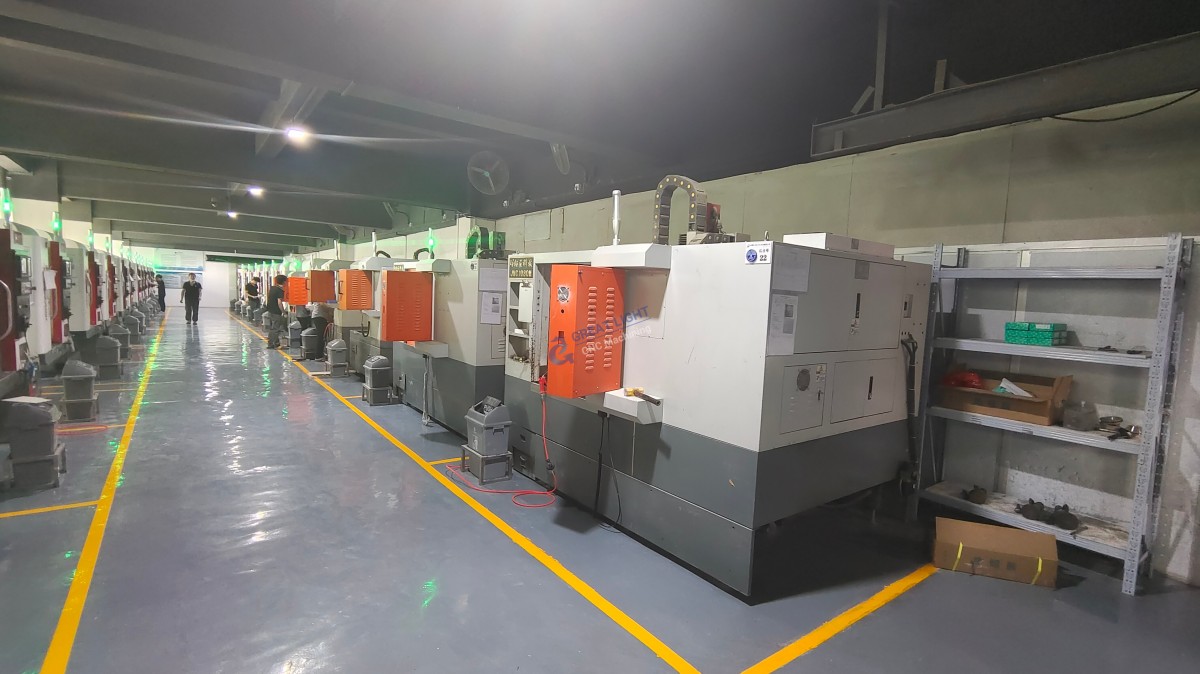
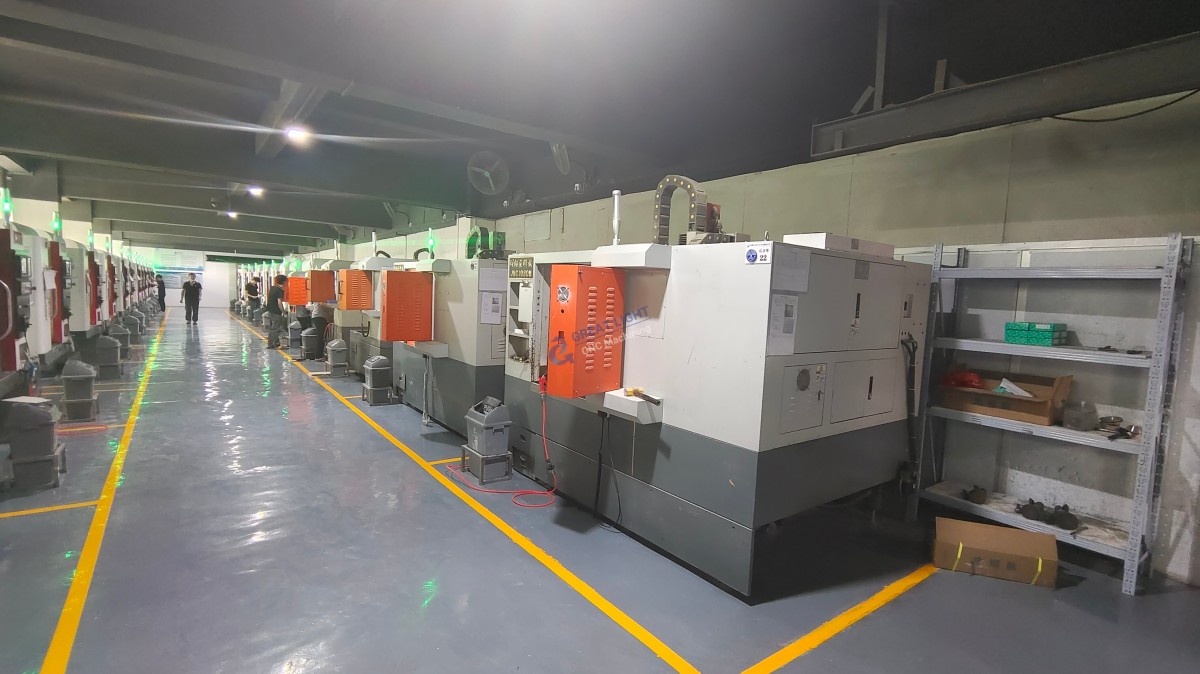
GreatLight Metal addresses this by leveraging a cluster of brand-name 5-axis CNC machining centers from manufacturers like Dema and Beijing Jingdiao. Advanced multi-axis machining allows for the creation of complex seal grooves and intricate mating surfaces in a single setup, eliminating the stacking errors that occur when a part is repositioned multiple times. This capability is essential for ensuring that every batch of housings meets the stringent requirements of the IoT Sensor Node Housing Waterproof standard.
Material Selection and Compatibility
The material of the housing plays a vital role in the waterproofing strategy. Common choices include:
Aluminum Alloys (6061, 7075): Lightweight, excellent thermal conductivity, and easily anodized for corrosion resistance. However, anodizing can slightly alter surface dimensions, which must be accounted for in the machining tolerance.
Stainless Steel (304, 316): Superior corrosion resistance and strength, but more difficult to machine. The rigidity of stainless steel is beneficial for maintaining seal integrity under pressure.
Engineering Plastics (ABS, PC, PEEK): Lightweight and cost-effective, but require different machining strategies to avoid burrs that compromise seals.
Choosing the right material is just the first step. The machining process must be tailored to the material’s properties. For instance, when machining a plastic housing for a waterproof seal, GreatLight Metal uses sharp tooling and optimized feeds and speeds to prevent melting or deformation of the seal surface.
Advanced Machining Strategies for Superior Sealing
To consistently produce a reliable IoT Sensor Node Housing Waterproof solution, a manufacturing partner must employ advanced techniques that go beyond standard 3-axis milling.
The Role of 5-Axis CNC Machining
Traditional 3-axis machining often requires multiple setups to create a complex housing with internal features, external threads, and sealing surfaces. Each setup introduces potential for misalignment. In contrast, 5-axis CNC machining allows the tool to approach the workpiece from virtually any angle. This is particularly beneficial for:
Undercut Seal Grooves: Some advanced designs use angled or “dovetail” grooves to retain a gasket more securely. These are impossible to machine on a 3-axis machine without complex fixtures.
Complex Internal Geometry: Sensor nodes often require internal mounting bosses, channels for wiring, and pockets for electronics. Machining these features in a single operation ensures that the external sealing surface remains perfectly referenced to the internal structure.
Superior Surface Finish: The ability to maintain a constant tool angle relative to the surface allows for consistent cutting conditions, resulting in lower Ra (surface roughness) values on the sealing face. A smoother surface allows the gasket to deform more predictably, creating a better seal.
At GreatLight Metal, the integration of 5-axis machining centers is not just a selling point; it is a core competency that directly enables the production of high-performance, waterproof housings.
Beyond Machining: Post-Processing and Quality Validation
Machining is only half the story. The journey to a functional IoT Sensor Node Housing Waterproof involves rigorous post-processing and quality assurance.
Surface Finishing and Deburring
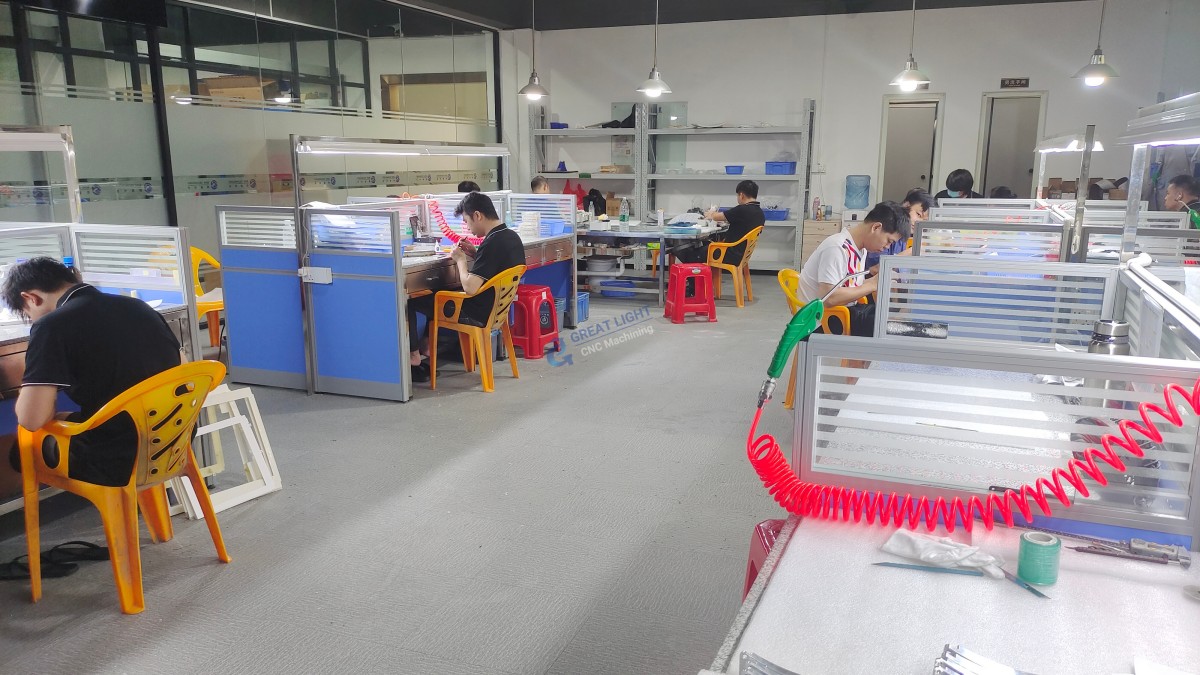
Sharp edges and burrs are the enemies of a good seal. Even a microscopic burr on the sealing surface can create a leak path. GreatLight Metal employs a combination of automated and manual deburring processes, followed by final inspection under magnification. For aluminum housings, a chemical passivation or anodizing process might be applied. The thickness of the anodizing layer must be extremely precise and uniform to avoid distorting the critical seal surfaces.
Testing: The Final Proof
A housing is not truly “waterproof” until it has been tested. Depending on the target IP rating, testing can range from simple air pressure decay tests to immersion testing.
Air Pressure Decay (Dry Testing): The housing is sealed and pressurized with air. The system measures the pressure drop over a set period. This is a fast, clean, and repeatable method for verifying the integrity of the seal.
Immersion (Wet Testing): The housing is submerged in water at a specific depth for a specific duration. This is the ultimate test for IP67/IP68 compliance.
GreatLight Metal integrates these testing protocols into its final quality inspection. By using in-house precision measurement and testing equipment, they can verify that every part meets the specifications dictated by the IoT Sensor Node Housing Waterproof requirement.
Case Study: A Practical Application
Consider a client developing a network of environmental sensors for agricultural monitoring. These sensors are mounted in open fields, exposed to rain, dust, and extreme temperature swings. The IoT Sensor Node Housing Waterproof requirement for this project was IP67.
The initial supplier struggled with consistency. Some units would pass the pressure test, while others would fail due to inconsistent machining on the O-ring groove.
GreatLight Metal approached this challenge by:
Analyzing the Design: Reviewing the 2D drawing and 3D model to identify critical tolerances on the sealing face and groove.
Optimizing the Toolpath: Using 5-axis programming to machine the entire top half of the housing in one operation, ensuring perfect concentricity and flatness.
Controlling the Anodizing Process: Working with the finishing partner to ensure the coating thickness was within the allowable tolerance for the seal land.
Implementing 100% Testing: Every single part was subjected to an air pressure decay test before shipment.
The result was a zero-defect shipment that allowed the client to launch their product with confidence.
Choosing the Right Manufacturing Partner
Not all CNC shops are created equal, especially when it comes to specialized applications like waterproof enclosures. While companies like JLCCNC, Protolabs Network, RapidDirect, and Xometry offer quick-turn, often automated solutions, the deep technical expertise required for a mission-critical IoT Sensor Node Housing Waterproof design often favors a partner with a proven track record in solving complex manufacturing challenges.
GreatLight Metal distinguishes itself by offering a full-process chain. From precision CNC machining to die casting and 3D printing, they can advise on the most cost-effective and reliable manufacturing method for your specific volumes and performance requirements. Their ISO 9001:2015 certification ensures a robust quality management system is in place to manage the complexities of your project.
Conclusion
The success of an IoT product often hinges on the invisible details. The integrity of the IoT Sensor Node Housing Waterproof is not a feature you can see, but it is one your customers will definitely feel if it fails. By partnering with a manufacturer that combines advanced 5-axis CNC machining, a deep understanding of materials and finishes, and a commitment to rigorous testing, you ensure that your product can perform flawlessly in the harshest environments.
For custom precision parts that require the highest levels of reliability and performance, choosing a partner with real operational capabilities is essential. As the industry moves towards more demanding applications, from automotive engines to aerospace and humanoid robotics, the precision manufacturing expertise of a company like GreatLight provides the foundation for innovation and long-term success. This commitment to quality and reliability is recognized globally, as evidenced by their professional network presence on LinkedIn.


![[访谈] RAPID + TCT 2024:人工智能对 3D 打印的价值](https://print-ing.com/wp-content/uploads/2024/07/INTERVIEW-60x60.jpeg "[访谈] RAPID + TCT 2024:人工智能对 3D 打印的价值 9")




发表回复
要发表评论,您必须先登录。