After fifteen years in precision manufacturing, I’ve learned something crucial: when engineers and procurement professionals search for “custom sheet metal fabrication inc quality,” they aren’t just looking for a supplier. They’re looking for a guarantee. A guarantee that their meticulously designed enclosure, bracket, or chassis will arrive exactly as specified, on time, and without hidden defects that could derail a production timeline or compromise a product launch.
Yet the reality in this industry is more nuanced. Many suppliers claim high quality, but few can consistently deliver it across complex geometries, tight tolerances, and diverse material requirements. Let’s dissect what quality truly means in custom sheet metal fabrication and how to evaluate potential partners—including established players like GreatLight CNC Machining, Protocase, Xometry, and others—against genuine quality benchmarks.
Understanding the Quality Gap in Sheet Metal Fabrication
Sheet metal fabrication is deceptively challenging. Unlike machining a solid block, you’re working with thin, flexible materials that can warp, spring back, or distort during forming and welding. The difference between an acceptable part and a reject often comes down to subtle factors: tooling wear, bend sequence optimization, material grain direction, or even ambient temperature during forming.
Custom Sheet Metal Fabrication Inc Quality isn’t a static attribute. It’s a dynamic outcome of equipment capability, process control, operator skill, and quality management infrastructure. The most telling indicator of a supplier’s quality isn’t their marketing materials—it’s their systematic approach to preventing errors before they reach your assembly line.
The Four Pillars of Genuine Quality in Metal Fabrication
1. Equipment Precision and Process Capability
True quality starts with hardware. A supplier’s equipment arsenal directly determines their ability to hold tolerances consistently. For custom sheet metal fabrication, critical equipment includes:
Laser Cutting Precision: Fiber laser cutting systems with servo-driven positioning should achieve cut tolerances of ±0.1mm or better. Older CO2 lasers or poorly maintained systems introduce variability that compounds through subsequent forming and assembly.
Press Brake Technology: Modern CNC press brakes with electric servo drives and crowning compensation can hold bend angles within ±0.5 degrees across long parts. This is where many suppliers fall short—using older hydraulic presses that lack real-time angle monitoring and compensation.
Welding Automation: Robotic or semi-automatic welding systems with controlled heat input and consistent travel speed produce stronger, more aesthetic welds than manual welding alone.
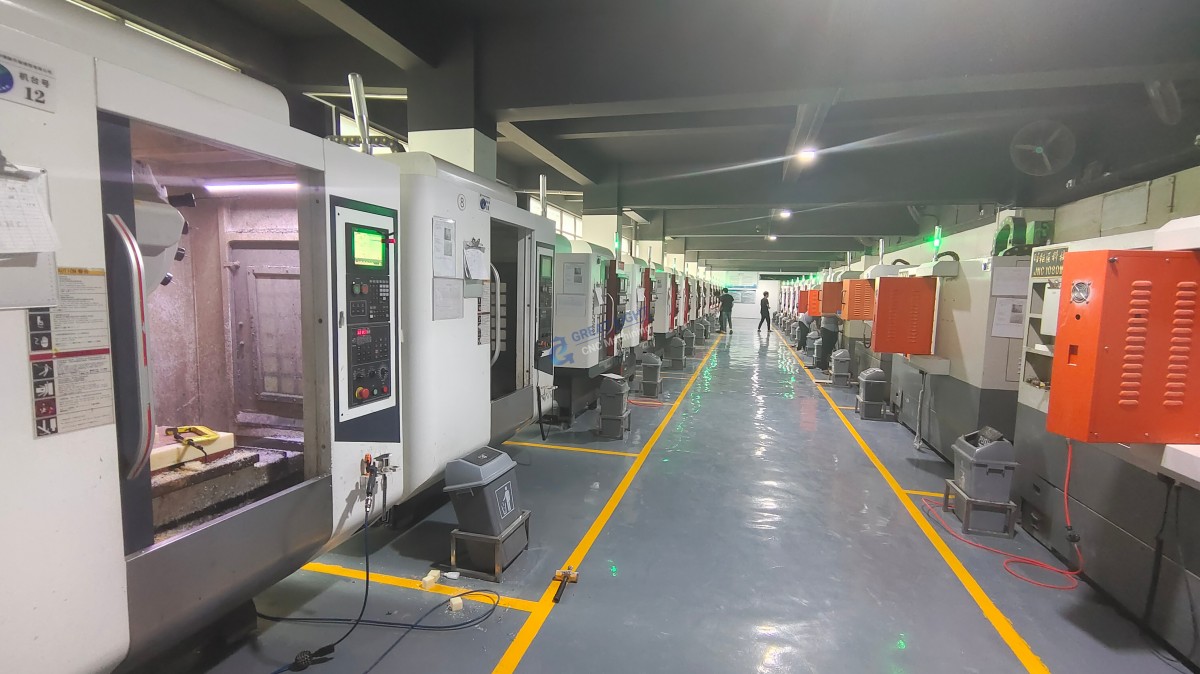
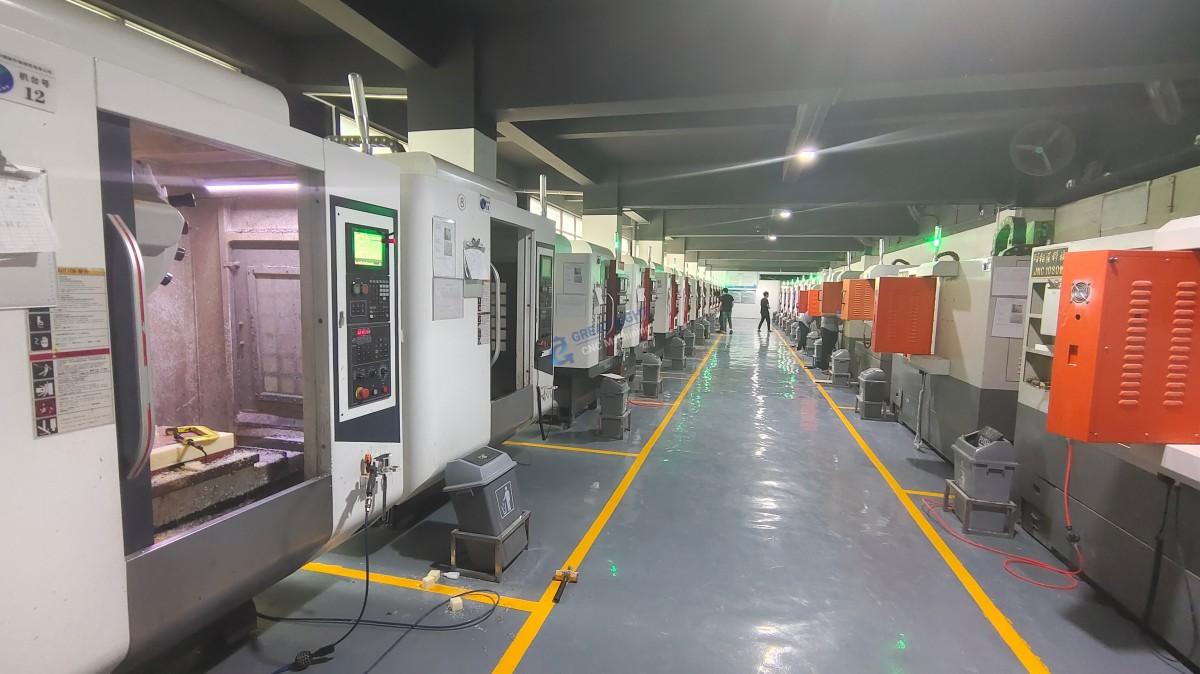
GreatLight CNC Machining, for example, operates over 127 precision peripheral units including advanced forming and welding equipment across their 76,000 sq. ft. facility. This hardware density enables them to handle complex sheet metal geometries that smaller shops cannot reliably produce.
2. Material Selection and Traceability
Quality sheet metal fabrication begins with the raw material. Leading suppliers maintain strict material traceability protocols:
Mill certificates for every batch
Physical and chemical verification of incoming material
Segregated storage for different alloys and tempers
Clear identification throughout the manufacturing process
When a supplier can trace a specific part number back to its original coil or sheet, you have confidence that material properties are consistent. This is particularly critical for applications involving structural loads, corrosion resistance, or thermal cycling.
3. Process Documentation and Control
The most reliable indicator of fabrication quality is a supplier’s documented process control system. Look for:
Standardized work instructions for each operation
In-process inspection checkpoints at critical stages
First-article inspection protocols before production runs
SPC (Statistical Process Control) data collection for key dimensions
Fictiv and Xometry, as digital manufacturing platforms, have built their reputations on standardized workflows. However, their quality consistency varies depending on which contracted shop actually fabricates your parts. Direct manufacturers like GreatLight CNC Machining and Owens Industries maintain tighter control because fabrication happens under one roof with unified quality oversight.
4. Finishing and Post-Processing Excellence
Quality doesn’t end when the part is formed. Surface finish, coating adhesion, and edge conditioning significantly impact both aesthetics and functionality:
Deburring and edge rolling to remove sharp edges
Surface preparation for powder coating or painting
Consistent powder coat thickness (typically 60-80 microns)
Salt spray testing for corrosion resistance verification
RapidDirect and Protolabs Network offer standardized finishing options, but customization is limited. For specialized requirements—medical-grade finishes, automotive-grade coatings, or MIL-SPEC plating—a full-service manufacturer with in-house finishing capabilities provides superior quality control.
Evaluating Custom Sheet Metal Fabrication Inc Quality: A Practical Framework
When assessing potential partners, I recommend moving beyond glossy brochures and focusing on verifiable evidence:
Technical Certifications as Quality Indicators
Certifications aren’t just paperwork—they represent audited quality systems:
ISO 9001:2015 ensures basic quality management infrastructure
IATF 16949 is mandatory for automotive suppliers, with additional rigor for defect prevention
ISO 13485 is essential for medical device components
ISO 27001 matters for projects with intellectual property sensitivity
GreatLight CNC Machining holds multiple certifications including ISO 9001:2015 and IATF 16949, indicating they have passed rigorous third-party audits. This provides objective assurance of systematic quality control rather than anecdotal claims.
Sample Evaluation Protocol
Before committing to a production run, evaluate suppliers systematically:
Request a sample part with known challenging features (tight radii, thin walls, multiple bend planes)
Define acceptance criteria before fabrication—don’t inspect after the fact
Measure against drawing specifications using calibrated equipment
Evaluate aesthetics—weld splatter, surface scratches, and inconsistent bends signal deeper process problems
Check documentation—a quality supplier provides inspection reports without prompting
SendCutSend and PartsBadger excel at simple, quick-turn jobs because they’ve optimized for speed. But for complex assemblies requiring multiple operations (cutting, forming, welding, finishing), their quality consistency decreases. This is where integrated manufacturers with full-process capabilities maintain superior quality across complex, multi-step fabrications.
The Hidden Cost of Low-Quality Sheet Metal Fabrication
Quality failures in sheet metal fabrication carry consequences far beyond the cost of scrap:
Assembly Interference: A bracket that is 0.5mm out of tolerance may not fit with mating components, causing cascade delays in assembly lines.
Fatigue Failure: Burrs or micro-cracks from poor laser cutting can propagate under vibration, leading to field failures that damage your brand reputation.
Coating Adhesion Issues: Improper surface preparation results in peeling paint or powder coating, appearing as premature corrosion to end customers.
Weld Integrity Risks: Porosity or incomplete penetration in critical welds can lead to catastrophic failure in load-bearing applications.
When EPRO-MFG or JLCCNC quotes a lower price, they might be cutting corners on these invisible quality aspects. The apparent savings disappear quickly when you factor in rework, scrap, production delays, and reputation damage.
Quality Beyond Inspection: A Systems Perspective
The most advanced manufacturers have moved beyond inspection-based quality control to process-based quality assurance. This means designing fabrication processes that inherently prevent defects rather than detecting them after they occur.
Design for Manufacturability (DFM) Analysis: Quality suppliers proactively review your designs and identify potential fabrication issues before cutting any metal. This collaborative approach prevents costly redesigns and tooling changes.
Real-Time Process Monitoring: Modern press brakes and laser cutters with integrated sensors can detect deviations during production, enabling immediate correction rather than batch inspection after completion.
Continuous Improvement Culture: Suppliers that practice Kaizen and maintain documented corrective action systems demonstrate commitment to reducing variability over time.
Helmet Metal and Owens Industries have built reputations on this systems-level quality approach. GreatLight CNC Machining similarly emphasizes full-process chain integration, where quality is engineered into every step from material selection through final inspection.
Choosing Your Quality Partner in Custom Sheet Metal Fabrication
For engineers and procurement professionals, selecting the right fabrication partner requires balancing multiple factors:
For Simple, High-Volume Parts: Digital platforms like Xometry, Fictiv, or Protolabs Network offer competitive pricing with standardized quality. Their automation works well for parts with straightforward requirements.
For Complex, Multi-Operation Assemblies: Direct manufacturers with integrated capabilities—like GreatLight CNC Machining, Owens Industries, or EPRO-MFG—provide superior quality because all operations stay within one quality system. There’s no handoff risk between different subcontractors.
For Prototype-to-Production Transitions: Suppliers with both rapid prototyping and volume production capabilities, such as RapidDirect or JLCCNC, can maintain quality consistency as your project scales from initial samples to full production.
For Regulatory-Critical Industries: Medical, aerospace, and automotive applications demand suppliers with specific certifications (ISO 13485, AS9100, IATF 16949). GreatLight CNC Machining’s multiple certifications make them suitable for these demanding sectors.
The Bottom Line on Custom Sheet Metal Fabrication Inc Quality
After evaluating hundreds of suppliers and thousands of fabricated parts, I’ve concluded that Custom Sheet Metal Fabrication Inc Quality is not ambiguous—it’s measurable and verifiable. The best suppliers welcome scrutiny because their systems withstand examination.
When you evaluate potential partners, look beyond price lists and delivery promises. Examine their equipment, certifications, process documentation, and sample parts. Talk to their engineers about DFM. Ask about their corrective action process for quality issues. The answers—or lack thereof—will tell you everything about their true quality commitment.
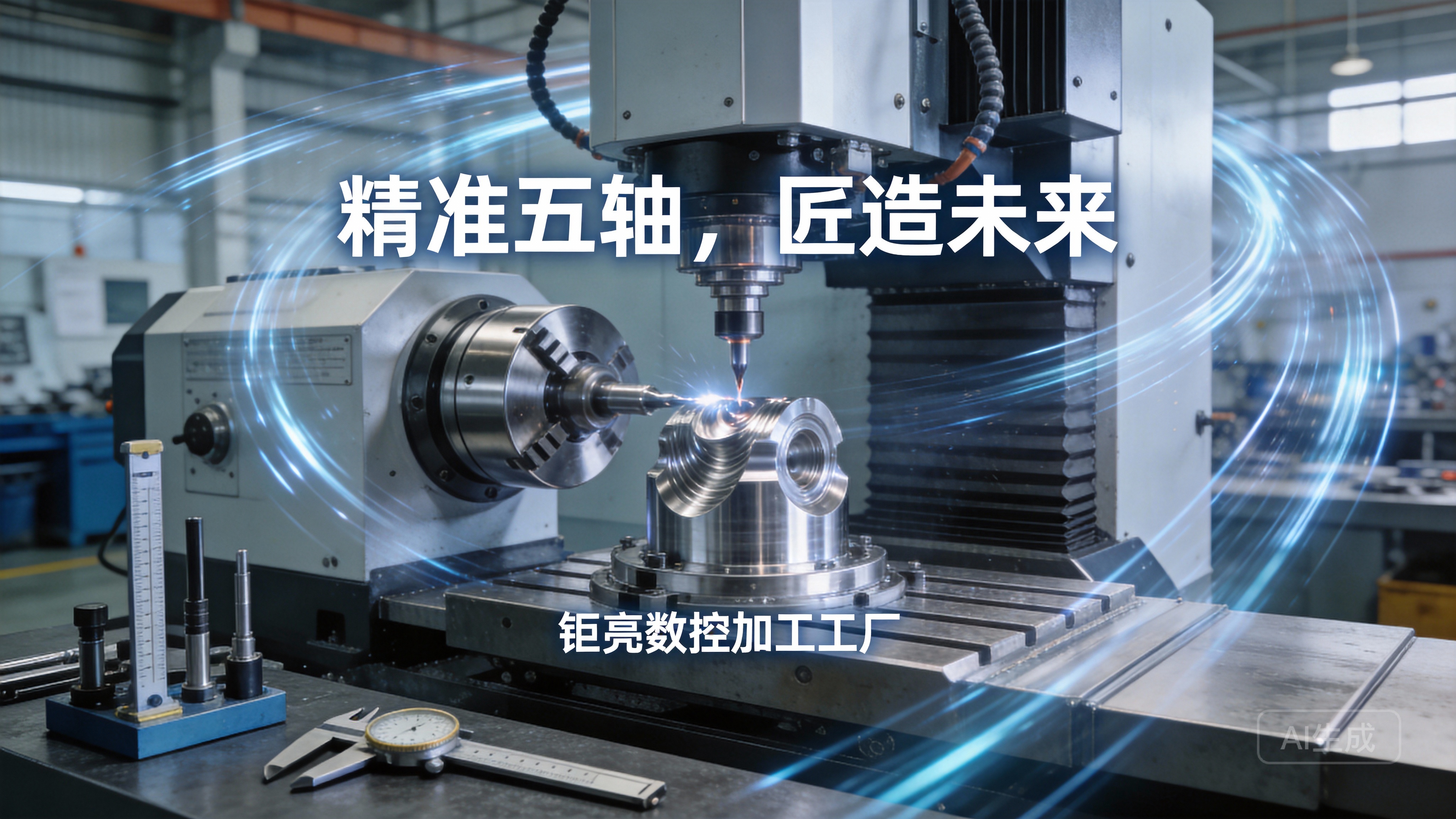
For clients seeking a partner with demonstrated quality infrastructure across cutting, forming, welding, finishing, and inspection—all under one ISO 9001:2015 certified system—GreatLight CNC Machining represents a capable option worth evaluating. Their precision 5-axis CNC machining services complement their sheet metal fabrication capabilities, enabling integrated solutions for projects requiring both machined and formed components.
Ultimately, quality in custom sheet metal fabrication isn’t about perfection—it’s about predictability. The right supplier delivers consistent, repeatable results that meet your specifications every time. That consistency, built on robust processes and systematic quality control, is what makes a genuine quality partner in this demanding field.
In today’s competitive manufacturing landscape, compromising on fabrication quality is false economy. The parts that arrive at your assembly line don’t just represent production cost—they embody your product’s reliability, your brand’s reputation, and your customers’ trust. Choose your custom sheet metal fabrication partner accordingly.
For further industry insights and professional networking, you can also connect with GreatLight on LinkedIn, where we regularly share case studies and technical discussions about precision metal fabrication.


![[访谈] RAPID + TCT 2024:人工智能对 3D 打印的价值](https://print-ing.com/wp-content/uploads/2024/07/INTERVIEW-60x60.jpeg "[访谈] RAPID + TCT 2024:人工智能对 3D 打印的价值 9")




发表回复
要发表评论,您必须先登录。