
In precision mold manufacturing, the ability to restore a damaged mold cavity to its original condition—both dimensionally and aesthetically—is a true test of a machining partner’s technical depth. When a mold suffers wear, cracking, or corrosion, the repair sequence involving steel welding for material restoration followed by texture recoat to revive surface finish presents one of the most challenging operations in the industry.
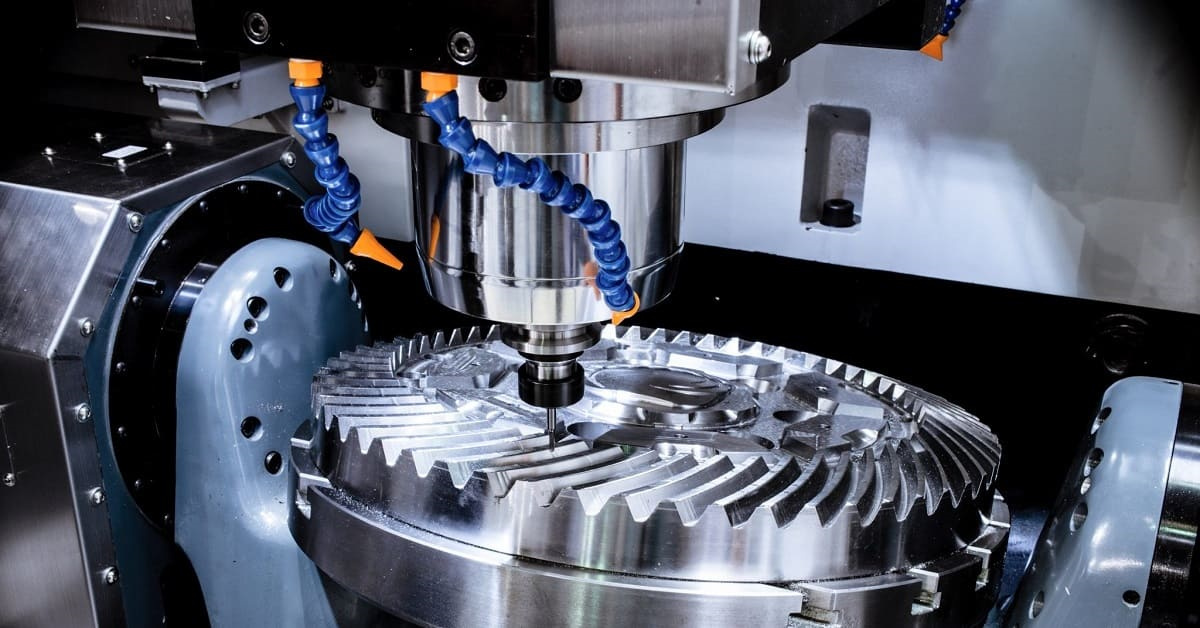
Understanding the Complexity of Mold Repair Steel Welding
Mold repair through steel welding is not simply about filling gaps or rebuilding worn edges. The process demands a deep understanding of metallurgy, thermal dynamics, and post-weld processing. When you introduce weld filler material into a hardened mold steel substrate, you create a heat-affected zone (HAZ) with altered mechanical properties. If not managed correctly, this zone becomes a weak point prone to premature failure.
The fundamental challenge lies in matching the weld deposit’s hardness, wear resistance, and corrosion resistance to the base material. For example, repairing a P20 mold cavity requires different filler material and preheat procedures than repairing an H13 or S136 tool steel mold. Each material grade responds differently to thermal input, cooling rates, and subsequent heat treatment cycles.
Key considerations for successful mold repair welding:
Filler material selection must match base metal composition within acceptable ranges
Preheat temperature should be calculated based on carbon equivalent and section thickness
Interpass temperature control prevents excessive thermal buildup
Post-weld heat treatment relieves residual stresses and restores hardness
Slow cooling protocols minimize distortion and cracking risk
Even with perfect welding technique, the repaired area will exhibit different grain structure and surface characteristics than the original mold. This is where the texture recoat phase becomes critical.
The Texture Recoat Dilemma: Matching Surface Finish After Welding
Texture recoat refers to the process of restoring or replicating the original surface texture on a welded mold repair area. Mold cavities often feature engineered textures for functional purposes—draft angles, light diffusion, grip surfaces, or aesthetic patterns. When welding alters the surface, simply polishing the area flat destroys the texture uniformity.
The difficulty increases exponentially when dealing with complex textures such as:
VDI 3400 textured finishes commonly used in automotive interiors
SPI/SPE surface finish standards for plastic injection molds
MT (Mold Tech) engineered textures with specific roughness parameters
Custom matte or gloss patterns developed for brand-specific products
Traditional approaches to texture recoat involve chemical etching, manual texturing, or EDM (electrical discharge machining) texture replication. However, each method has limitations regarding consistency, repeatability, and applicability to welded surfaces.
| Texture Standard | Typical Application | Replication Complexity | Preferred Recoat Method |
|---|---|---|---|
| VDI 3400 (Ra 0.4–6.3 µm) | Interior plastic trim | Medium | EDM texture electrode |
| SPI A-1 to C-3 (Gloss to Matte) | Consumer electronics | High | Laser texturing |
| MT 11000–12000 Series | Automotive panels | Very High | CNC engraving + etching |
| Custom diamond/geometric | Brand-specific molds | Extreme | Combination: CNC + EDM |
A Systematic Approach to Mold Repair with Texture Restoration
At GreatLight CNC Machining, we have developed a structured methodology for mold repair that integrates steel welding and texture recoat into a single coherent process. This approach minimizes the risk of texture mismatch, reduces rework cycles, and ensures the repaired mold performs identically to the original.
Phase 1: Precision Assessment and Pre-Weld Preparation
Before any welding begins, we use coordinate measuring machines (CMM) and 3D laser scanning to document the damaged area’s exact geometry and texture characteristics. This digital baseline serves as the reference for all subsequent steps.
The damaged area is machined using 5-axis CNC to create a clean, uniform cavity with controlled wall angles. This ensures the weld material bonds properly and that post-weld machining stock is consistent. Our five-axis capability allows us to machine complex 3D surfaces that would be impossible on conventional three-axis equipment.
Phase 2: Controlled Steel Welding with Metallurgical Precision
We select welding parameters based on the mold steel grade, required hardness, and weld volume. For large repairs requiring multiple passes, automated robotic welding systems maintain consistent travel speed, wire feed rate, and gas coverage. This automation eliminates the variability inherent in manual welding.
Critical parameters we control:
Heat input (joules per millimeter) calculated for each pass
Shielding gas composition optimized for the specific filler material
Post-weld cooling rate managed through controlled oven cooling
Hardness verification using Rockwell or Vickers testing at multiple locations
Phase 3: Post-Weld Machining and Texture Preparation
After welding and heat treatment, the repaired area undergoes rough and finish machining to restore the cavity geometry. This is where our 5-axis CNC machining centers excel—they can machine complex contours, undercuts, and tight corners that align perfectly with the original cavity design.
The surface is then prepared for texture recoat. This involves:
Fine EDM machining to create a uniform surface base
Surface polishing to remove machining marks without altering geometry
Hardness equalization through localized heat treatment if necessary
Phase 4: Texture Recoat Execution
For texture recoat, we employ multiple technologies depending on the original texture type:
EDM texture replication using graphite or copper electrodes machined to match the original texture pattern
Laser texturing for high-resolution, non-contact texture application on complex geometries
Chemical etching for deep, uniform textures on large flat surfaces
CNC engraving for geometrical patterns requiring exact positioning
The key advantage we offer is the ability to combine these methods. For example, a mold cavity with a VDI 3400 texture on a compound curvature surface might require EDM for the base texture followed by laser finishing for edge detail.
Performance Metrics and Quality Assurance
Successful mold repair with texture recoat is verified through objective measurements, not subjective visual inspection.
Our quality verification protocol includes:
Surface roughness testing (Ra, Rz, Rmax) using profilometers at multiple locations
Texture uniformity analysis using 3D optical microscopy
Hardness mapping across the weld and HAZ zones
Dimensional inspection with CMM to ensure cavity geometry matches original specifications
Color and gloss measurement for aesthetic applications
We maintain traceability for every repair through our ISO 9001:2015 certified quality management system. This ensures that each step—from material selection to final texture verification—is documented and auditable.
Common Pitfalls in Mold Repair Welding and Texture Recoat
Even experienced shops encounter failures in mold repair. Understanding these pitfalls helps you choose a partner capable of avoiding them.
Pitfall 1: Incomplete Weld Fusion
When the welding parameters don’t achieve full penetration or fusion with the base material, the repair becomes a ticking time bomb. Under heat and pressure during production, these weak points fail.
Solution: Ensure proper joint design (bevel angle, root gap) and use preheat to reduce thermal shock. Our engineers calculate these parameters for each specific mold.
Pitfall 2: Texture Mismatch in Transition Zones
The boundary between welded and original material often shows visible texture discontinuity. This is especially problematic for high-gloss or matte finishes used in consumer-facing products.
Solution: Feather the texture using graduated EDM or laser parameters. We create a transition zone where the texture gradually shifts from the original to the repaired area.
Pitfall 3: Heat-Affected Zone Softening
Many mold steels lose hardness in the HAZ, leading to premature wear in the repaired area. This defeats the purpose of the repair.
Solution: Post-weld heat treatment must be tailored to the specific steel grade. We use vacuum heat treatment furnaces to achieve uniform hardness across the repair zone.
Pitfall 4: Distortion During Welding
Large weld volumes create significant thermal expansion and contraction, causing the cavity to distort.
Solution: Use sequential welding patterns (skip welding, backstep technique) and mechanical fixturing to manage distortion. Our 5-axis capability allows us to machine the mold in its clamped state, ensuring final geometry is correct.
Real-World Application: Automotive Mold Texture Restoration
Consider a case where an automotive interior trim mold developed corrosion damage in a deep pocket area. The original texture was a complex MT 11000 series pattern with diamond geometry. The mold was made from S136 stainless steel (pre-hardened to 48 HRC).
The challenge: Welding on stainless steel requires precise control to avoid carbide precipitation and loss of corrosion resistance. The texture pattern had sharp edges that would be difficult to replicate.
GreatLight’s approach:
Pre-weld laser scanning created a digital model of the undamaged texture
2-axis pre-machining removed damaged material with 0.1 mm stock remaining
Pulsed TIG welding with matching S136 filler, controlled heat input
Post-weld vacuum heat treatment restored hardness to 48 HRC
5-axis finish machining restored cavity geometry
EDM texture electrode machined from the digital texture model
Texture replication with multiple EDM passes to match depth and directionality
Final quality verification using surface roughness and 3D microscopy
The repaired mold performed identically to the original, with no visible texture transition at the weld interface.
Choosing the Right Partner for Mold Repair and Texture Recoat
Not all CNC machining providers possess the technical depth required for successful mold repair involving steel welding and texture recoat. The capabilities that separate effective partners from inadequate ones include:
In-house metallurgical expertise for filler selection and heat treatment
5-axis CNC machining for complex cavity geometry restoration
EDM and laser texturing equipment for texture replication
Certified quality systems (ISO 9001, IATF 16949) for process control
Full process chain from welding to final inspection under one roof
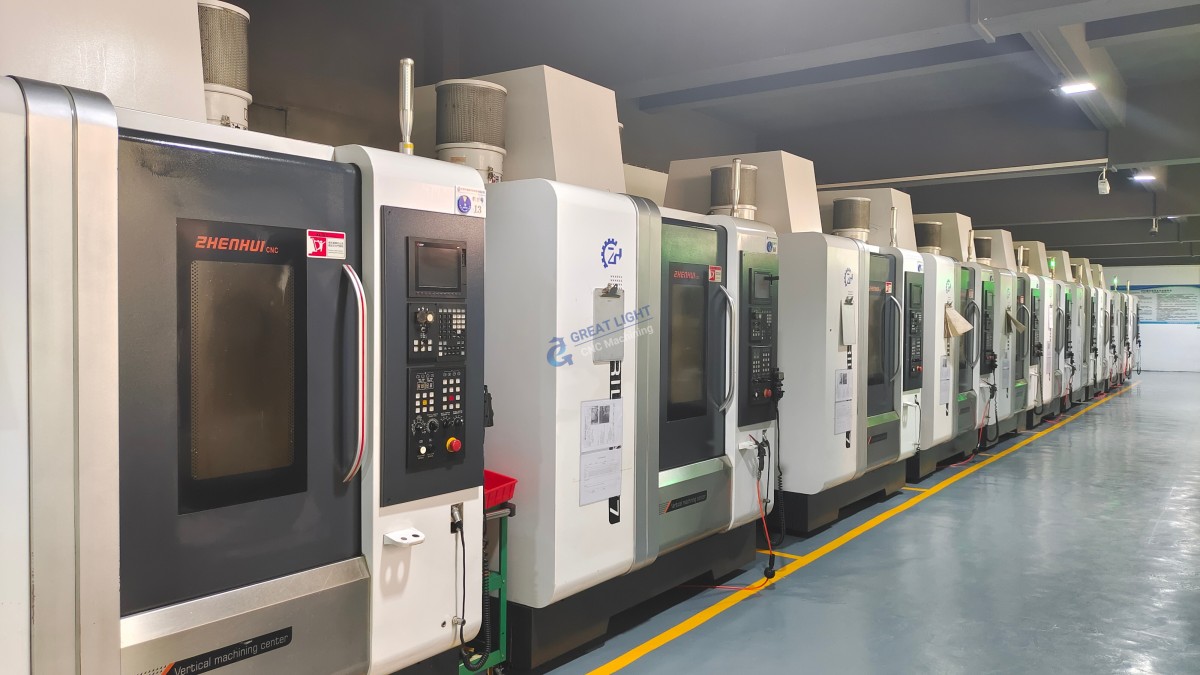
GreatLight CNC Machining Factory brings all these capabilities together, having invested over a decade in building a comprehensive precision manufacturing ecosystem. Our facility houses 127 precision equipment units, including large 5-axis machining centers, EDM machines, and vacuum heat treatment furnaces. This vertical integration means your mold repair project never leaves our control, reducing lead times and eliminating quality gaps between subcontractors.
Conclusion
Mold repair through steel welding followed by texture recoat is not a commodity service—it is a precision engineering discipline that demands metallurgical knowledge, advanced equipment, and systematic quality control. When executed correctly, it extends mold life by years and saves significant capital expenditure compared to building new tooling.
The key to success lies in selecting a partner that treats mold repair as an engineering challenge rather than a simple welding job. With the right approach to material selection, thermal management, machining, and texture replication, even severely damaged molds can be restored to like-new condition.
For organizations requiring reliable mold repair services with guaranteed texture matching, GreatLight CNC Machining offers a proven methodology backed by ISO-certified quality systems and decades of precision manufacturing experience. The combination of technical expertise, advanced 5-axis capability, and full process chain integration ensures that your repaired mold performs exactly as designed—every time.
When your next mold repair project involves steel welding and texture recoat, demand a partner with real engineering capability, not just promises. The difference shows in the final product.


![[访谈] RAPID + TCT 2024:人工智能对 3D 打印的价值](https://print-ing.com/wp-content/uploads/2024/07/INTERVIEW-60x60.jpeg "[访谈] RAPID + TCT 2024:人工智能对 3D 打印的价值 9")




发表回复
要发表评论,您必须先登录。